
.webp)
Every minute counts in a Museum Multilingual operation. A 10-second delay in audio per exhibit adds up to 15+ minutes per tour. With the RC2501 and RC9150, teams can significantly boost visitor comprehension scores while maintaining exceptional quality. The implementation of these two devices transforms how museums handle multilingual tours, but their long-term performance depends entirely on proper maintenance procedures. A recent survey of Museum Multilingual professionals highlights three recurring themes: the need for whisper-quiet operation in sensitive environments, the challenge of maintaining clear audio across large or noisy spaces, and the frustration of training staff on complicated legacy systems. The Wireless Tour Guide System from Richitek addresses these issues head-on, providing a seamless experience for both guides and visitors.
The RC2501 and RC9150 systems address these pain points through digital transmission technology that eliminates interference from nearby electronic equipment. Concrete walls and metal structures that typically degrade audio quality pose minimal problems for these modern units. For visitors with hearing difficulties, the audio clarity remains exceptional even at lower volume levels. The wireless guide system for Museum Multilingual environments ensures that every visitor receives consistent, high-quality sound regardless of their position in the gallery. This reliability reduces staff training time significantly, as guides can focus on delivering engaging content rather than troubleshooting equipment issues. The digital backbone of these systems also means that firmware updates can be applied quickly, keeping the hardware current with evolving museum needs.
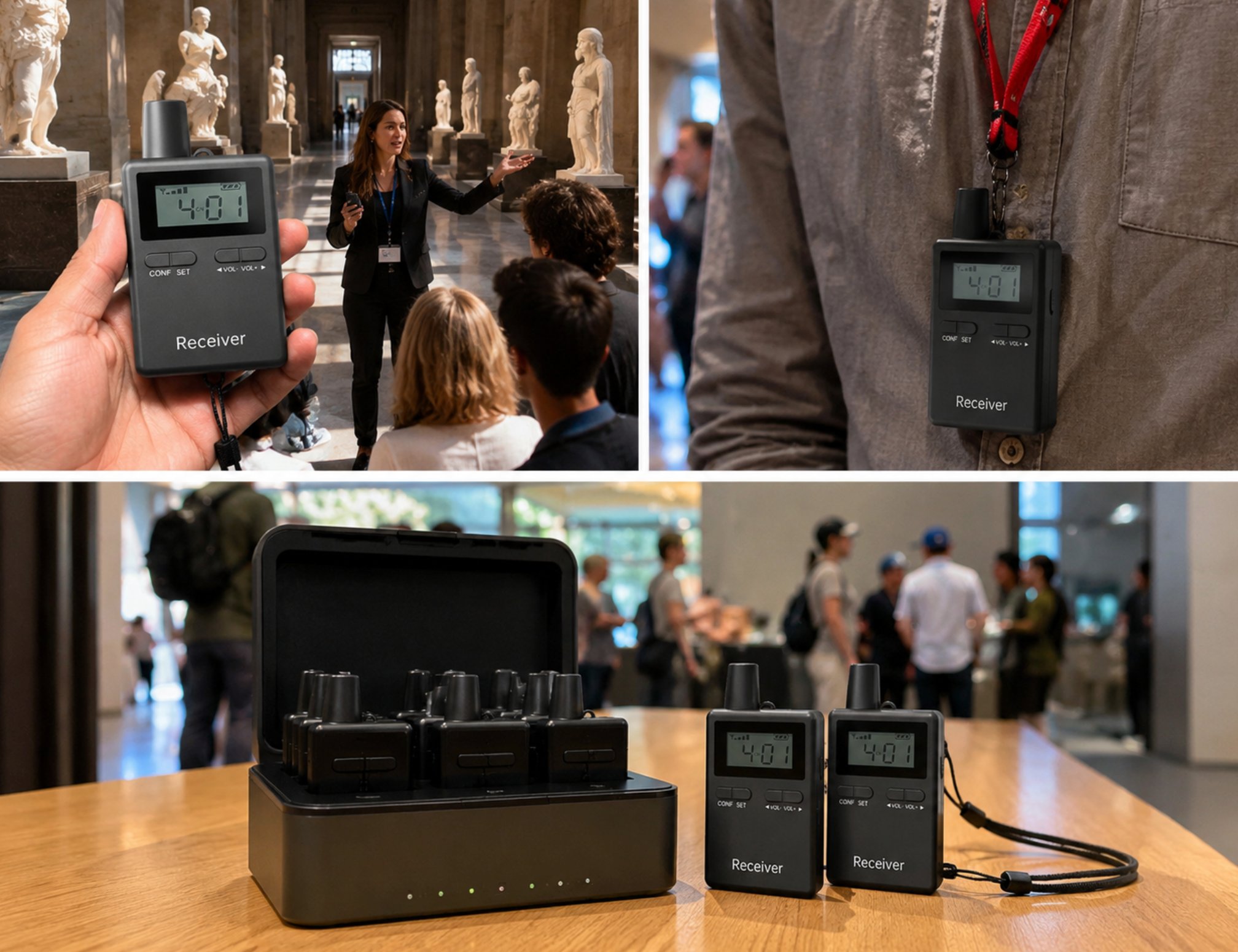
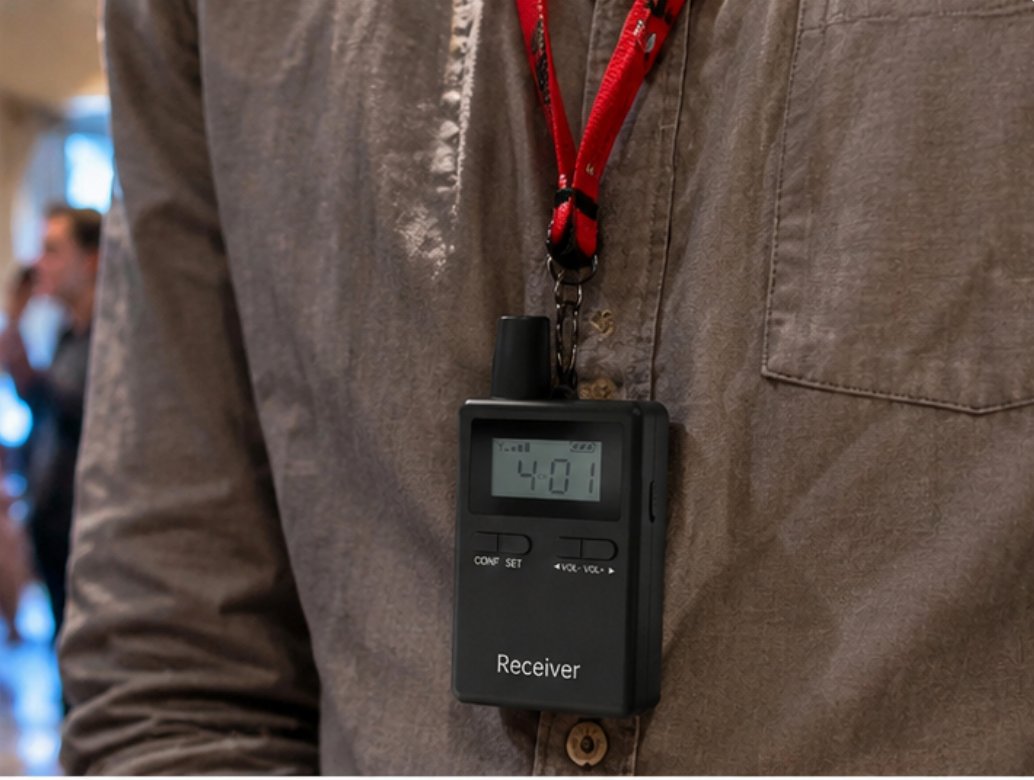
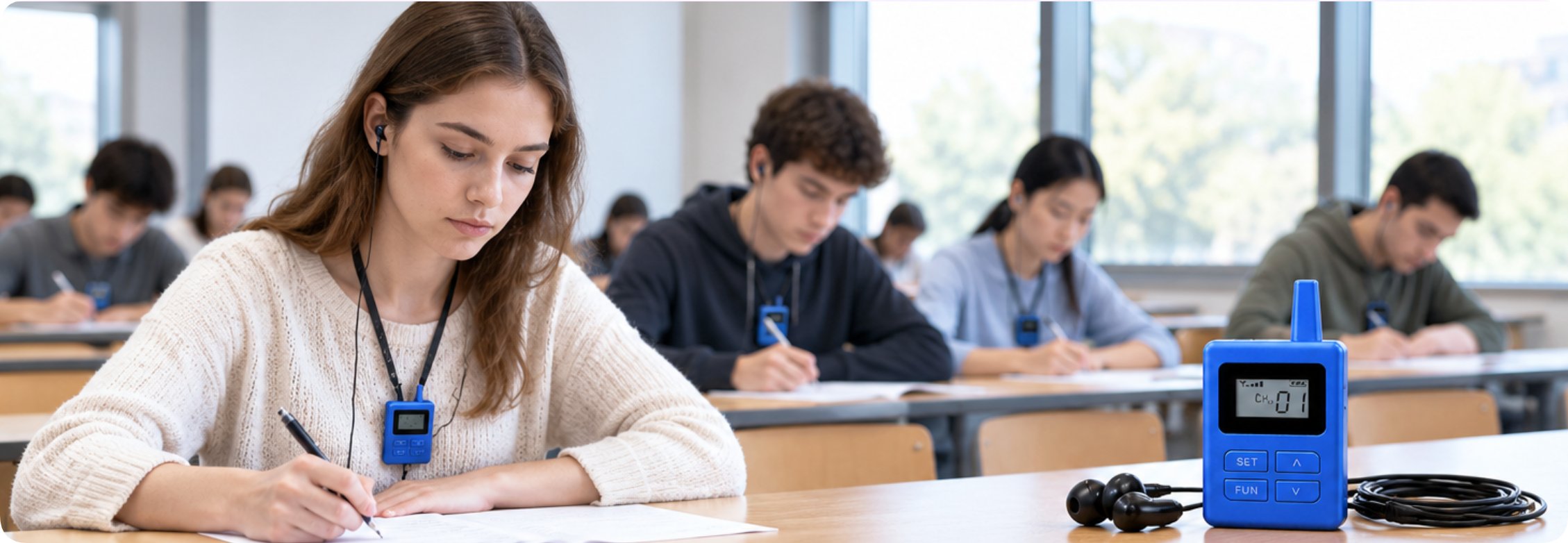
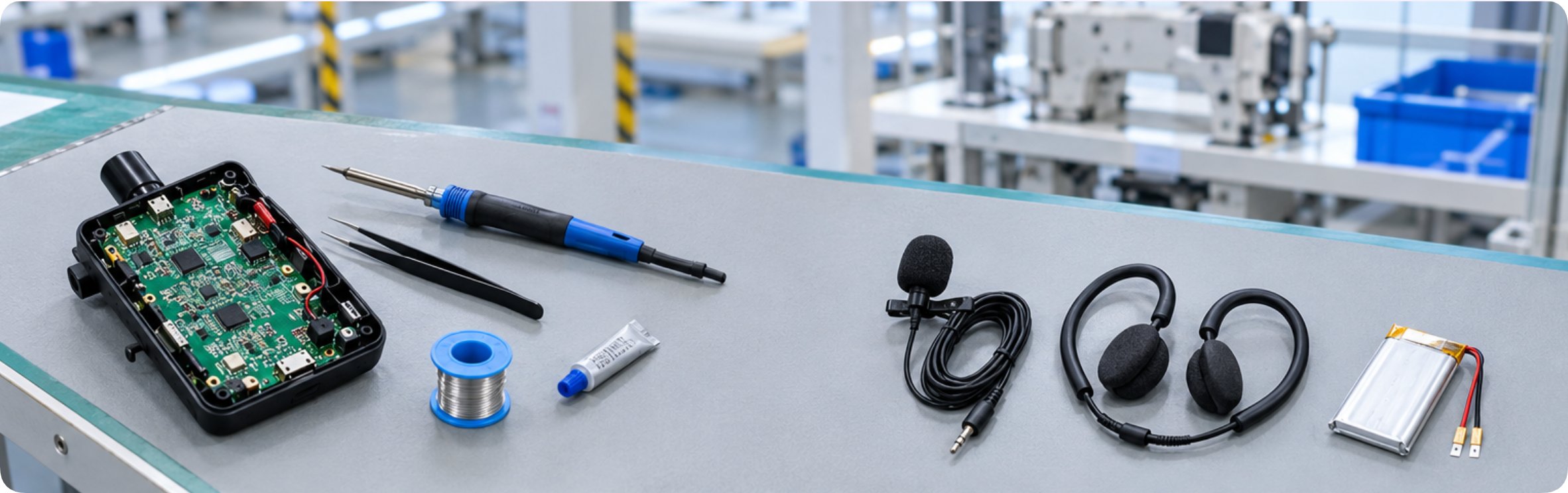
Organizations implementing RC2501 and RC9150 in Museum Multilingual achieve three critical outcomes. First, consistently high-quality audio that eliminates visitor complaints about missing content. Second, streamlined operations that free staff to focus on guiding rather than managing equipment. Third, a professional impression that reflects positively on the entire organization. The RC2501 Wireless Tour Guide System weighs only 48 grams, making it comfortable for extended use during two-hour tours. Its whisper-quiet operation is particularly valuable in museum environments where ambient noise must remain minimal. Maintenance involves simple battery checks, periodic cleaning of ear cushions, and firmware updates that take less than five minutes per unit. The lightweight construction does not compromise durability; these units are built to withstand daily handling in busy galleries.
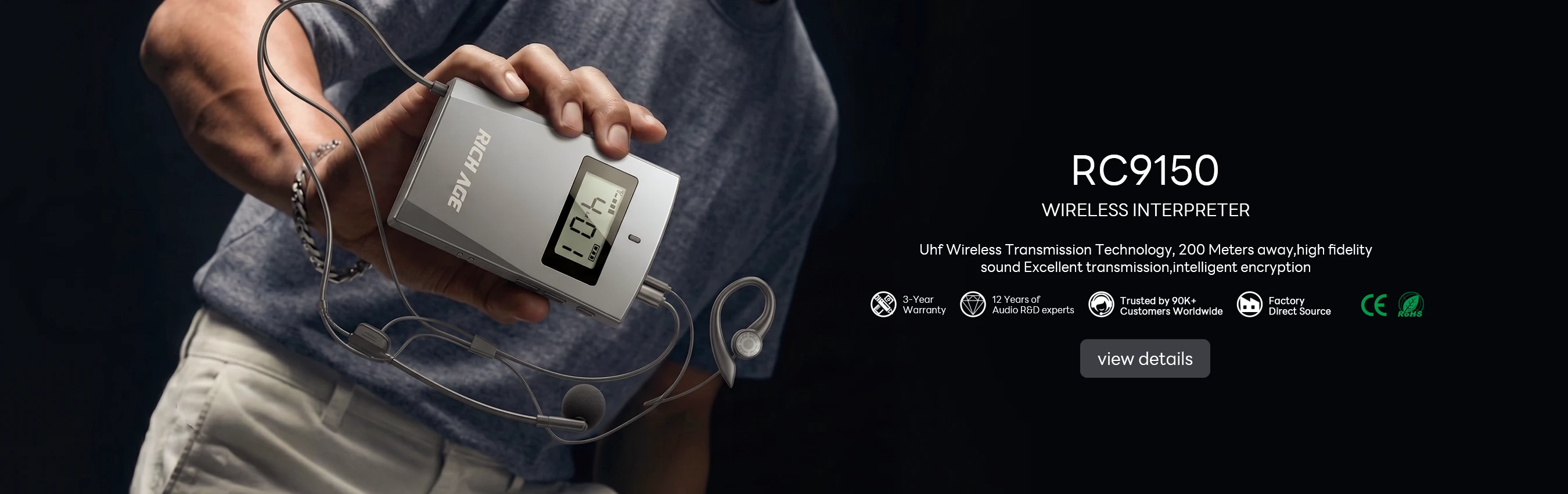
The RC9150 High-end 2.4G Wireless Audio/Radio Guide System weighs 75 grams and offers advanced features for larger groups. Its 2.4G technology provides stable connections across distances of up to 100 meters, ideal for museum wings with multiple exhibition halls. Maintenance for the RC9150 focuses on the charging station, ensuring all units return to full power between tours. The infrared and 2.4G hybrid system requires occasional signal path checks, particularly in spaces with heavy metal fixtures or reinforced concrete. When comparing models, the RC2500 vs RC2501 comparison reveals that the RC2501 offers improved battery life and a more intuitive interface, reducing the learning curve for new staff members. This makes it a strong contender for museums that prioritize ease of use alongside performance.
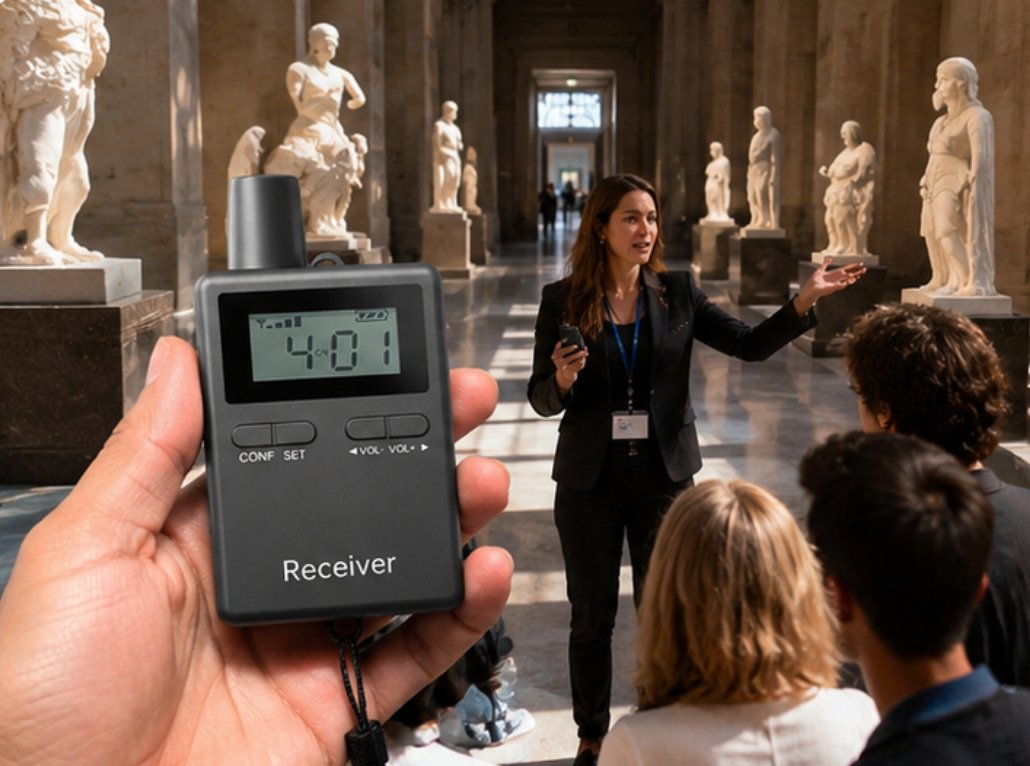
When evaluating RC2501 and RC9150 for Museum Multilingual, the most frequently asked questions focus on real-world reliability. How does the system handle interference from other electronic equipment? Can it work in areas with concrete walls or metal structures? Is the audio clear enough for visitors with hearing difficulties? The engineering behind modern digital systems specifically addresses these challenges. The RC2468 vs RC2501 comparison demonstrates that the RC2501 provides superior noise cancellation and a wider frequency range, making it the preferred choice for museums with complex acoustic environments. Routine maintenance includes checking antenna connections, verifying channel settings, and testing audio clarity in different gallery zones. These checks take only a few minutes per week but can prevent major disruptions during peak visiting hours.
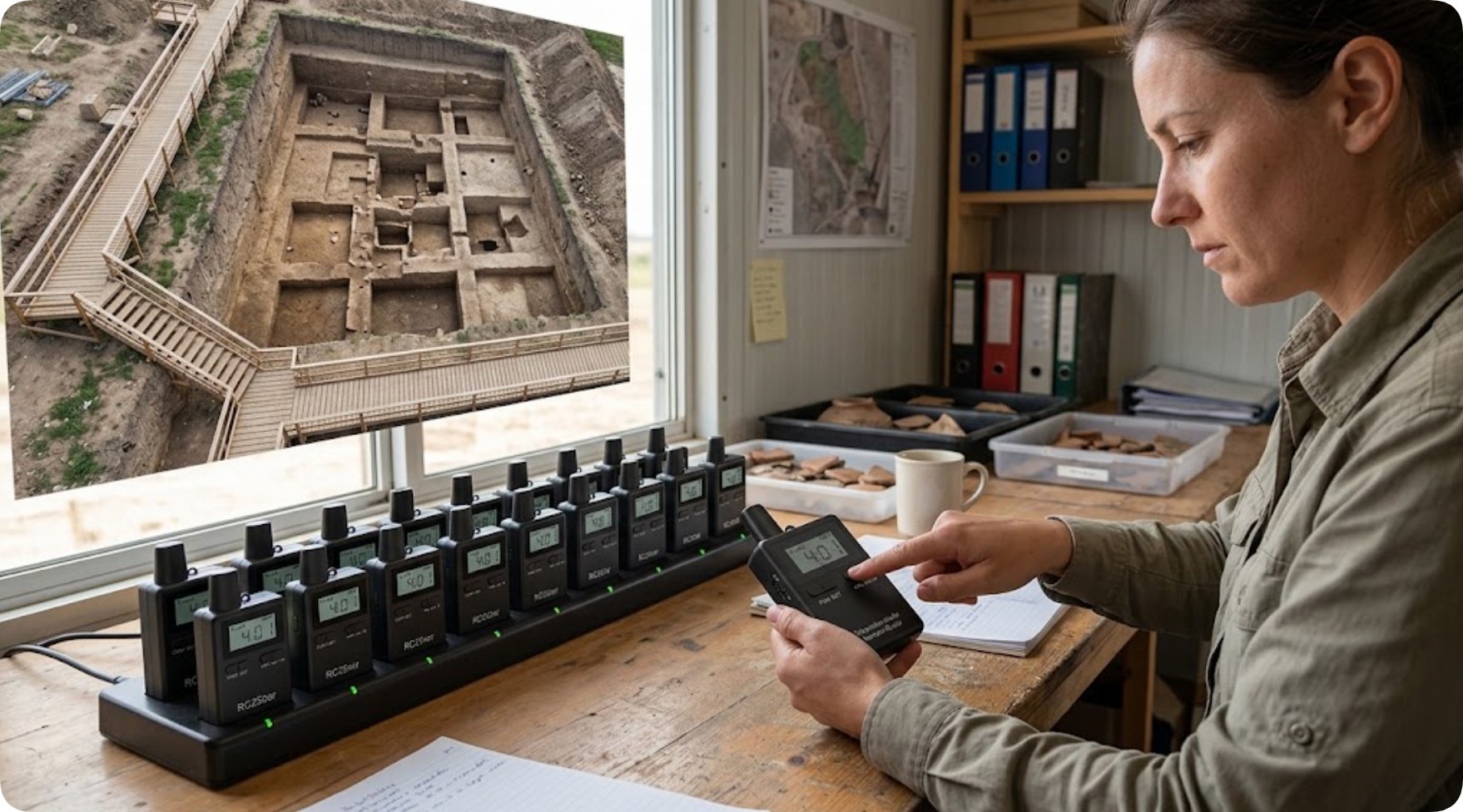
A comprehensive maintenance schedule for both systems includes daily battery checks, weekly audio quality tests, and monthly deep cleaning of all units. The charging stations should be inspected for loose connections or debris that could affect charging efficiency. Spare batteries and replacement ear cushions should be kept in stock to minimize downtime during peak visiting hours. Staff should receive quarterly training updates on any firmware changes or new features. By following these maintenance protocols, museums can ensure that their RC2501 and RC9150 systems deliver reliable performance for years, enhancing the visitor experience and supporting multilingual accessibility goals. The lightweight design of both models, combined with their robust digital transmission, makes them ideal for daily use in demanding museum environments. Investing in proper upkeep not only extends the lifespan of the equipment but also ensures that every tour runs smoothly, leaving a lasting positive impression on guests.
| Model | Position | Weight | URL |
|---|---|---|---|
| RC2501 | Translation headphones for church / silent tour | 48 g | https://www.richitek.com/translation-headphones-for-church/824.html |
| RC9150 | High-end 2.4G simultaneous interpretation system | 75 g | https://www.richitek.com/tour-guide-system/830.html |