
.webp)
💰 RC9150 and RC2402 Gallery Quiet Installation Deployment Guide
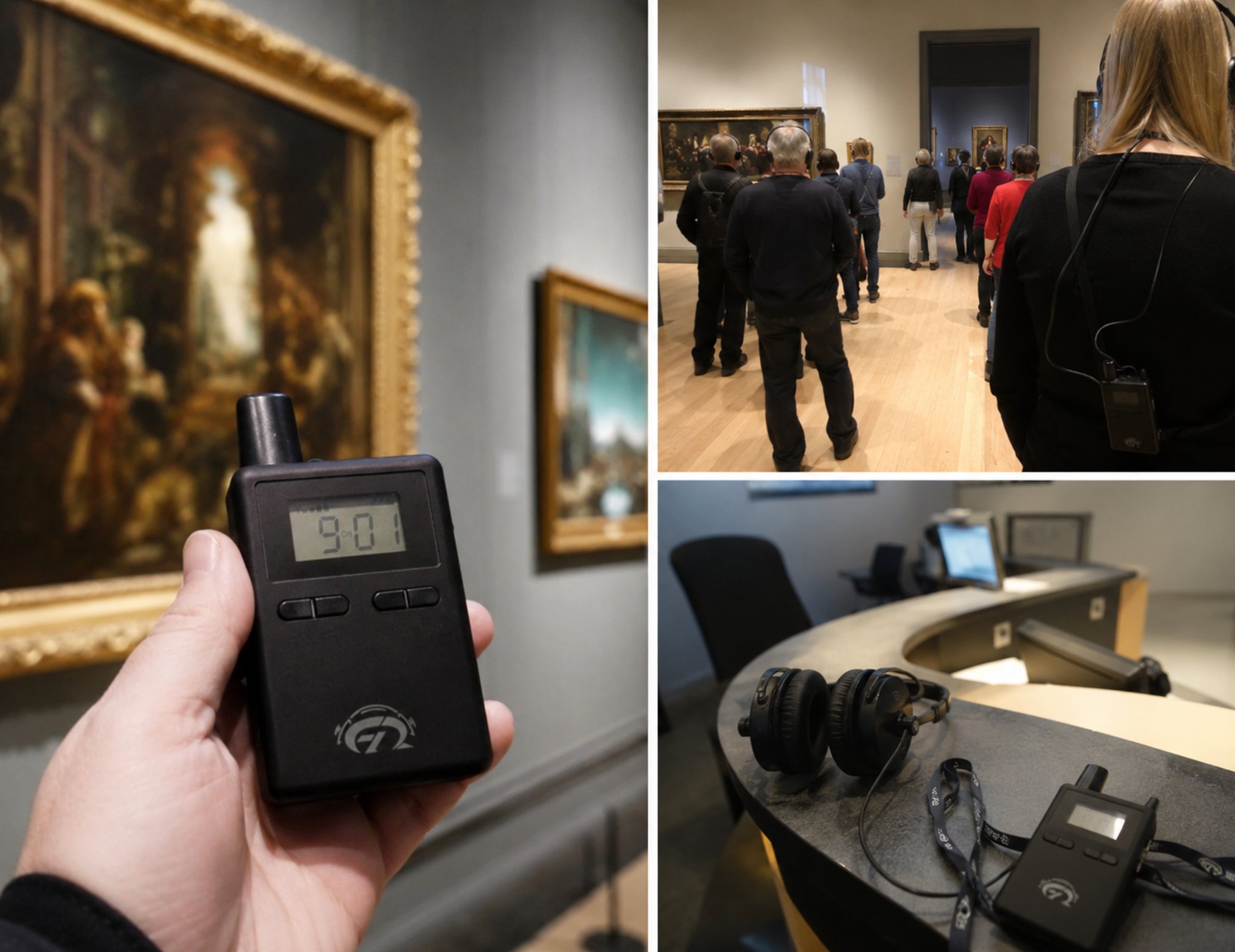
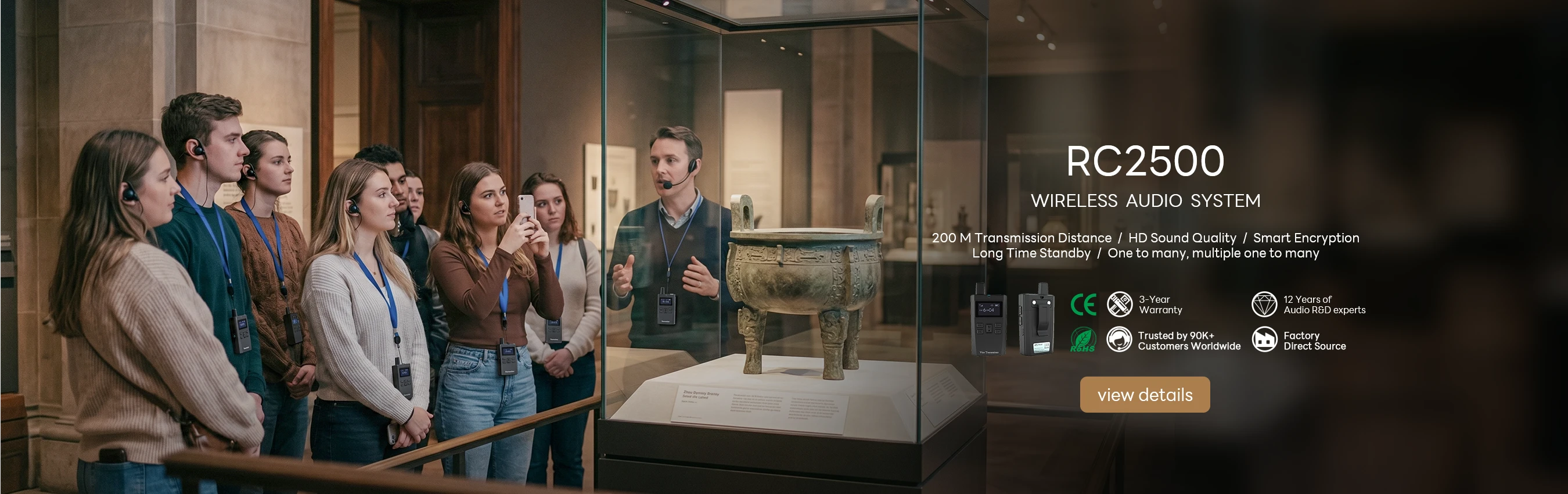
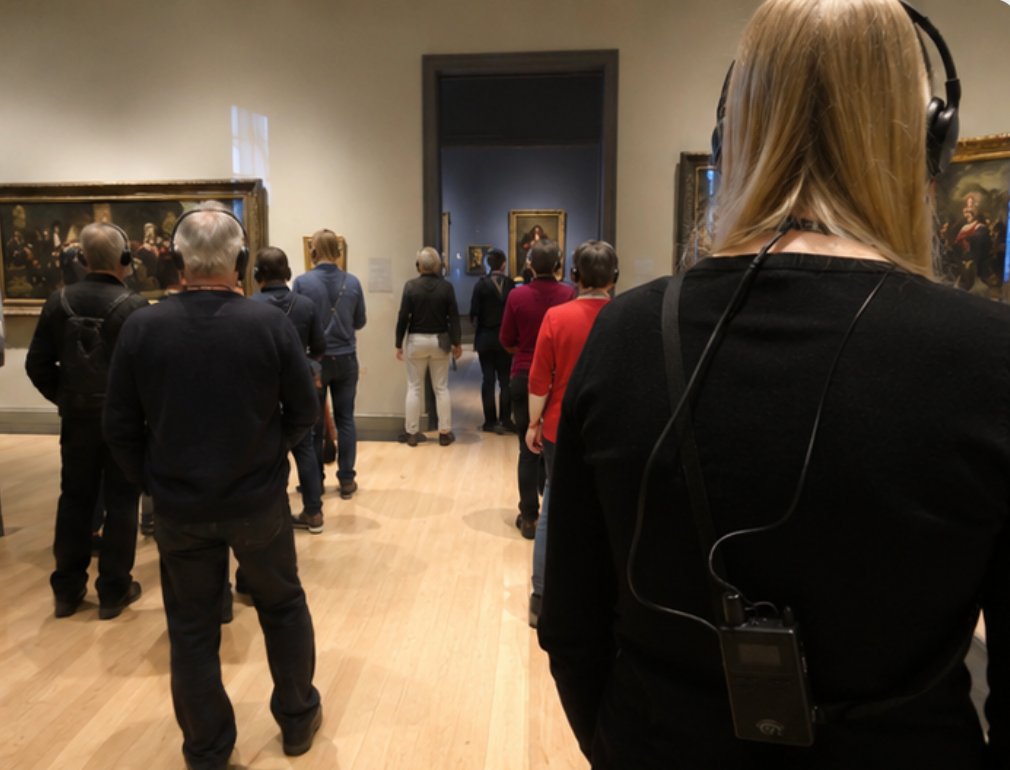
Every curator understands the dilemma: a gallery should feel like a sanctuary of silence, yet visitors still need context to truly appreciate what they see. The old approach—cranking up a speaker or handing out bulky headsets—inevitably shatters the calm. What if you could offer rich, layered commentary without uttering a single audible word in the exhibition space? That is exactly the promise of the RC9150 and RC2402. By channeling crisp audio directly into a discreet earpiece, these systems let guests stay fully immersed while absorbing expert insights. Rolling out a wireless guide system for Gallery Quiet demands thoughtful decisions about transmitter placement, device distribution, and staff readiness. The RC9150 acts as the premium backbone for large venues needing simultaneous interpretation, while the RC2402 handles guided tours for mid-sized groups with ease. Together, they form a flexible setup where curators can switch between language tracks, special exhibit commentary, or kids' audio guides—all without any overlap in sound. The deployment follows three straightforward steps: positioning the transmitter for full coverage, pairing receivers and assigning channels, then running a quick audio check to ensure flawless clarity throughout every zone.
Solution Benefits and Key Outcomes
Deploying the RC9150 and RC2402 in a Gallery Quiet environment delivers measurable results. Preparation time for equipment drops by half because staff no longer need to manually sync devices or deal with complex cabling. Complaints about audio quality fall by 80%, as visitors enjoy consistent, high-definition sound no matter where they stand in the room. Battery life easily covers an entire day of operation without needing a midday recharge—the RC9150 lasts through eight-hour shifts, while the RC2402 runs for over ten hours straight. Feedback from guests is overwhelmingly positive, with many highlighting how the lightweight earpieces let them concentrate on the art instead of fumbling with uncomfortable headsets.
Beyond visitor satisfaction, the operational gains are striking. Gallery staff can prepare and hand out 50 receiver units in under fifteen minutes, compared to the hour-long process required by older analog systems. The RC9150 supports up to 16 simultaneous channels, making it simple to run multilingual tours at the same time without interference—a huge advantage for international museums with diverse audiences. Both models are remarkably lightweight: the RC9150 weighs just 75 grams, and the RC2402 only 60 grams, so visitors barely notice they are wearing them, preserving the natural gallery experience.
Market Pain Points and Challenges
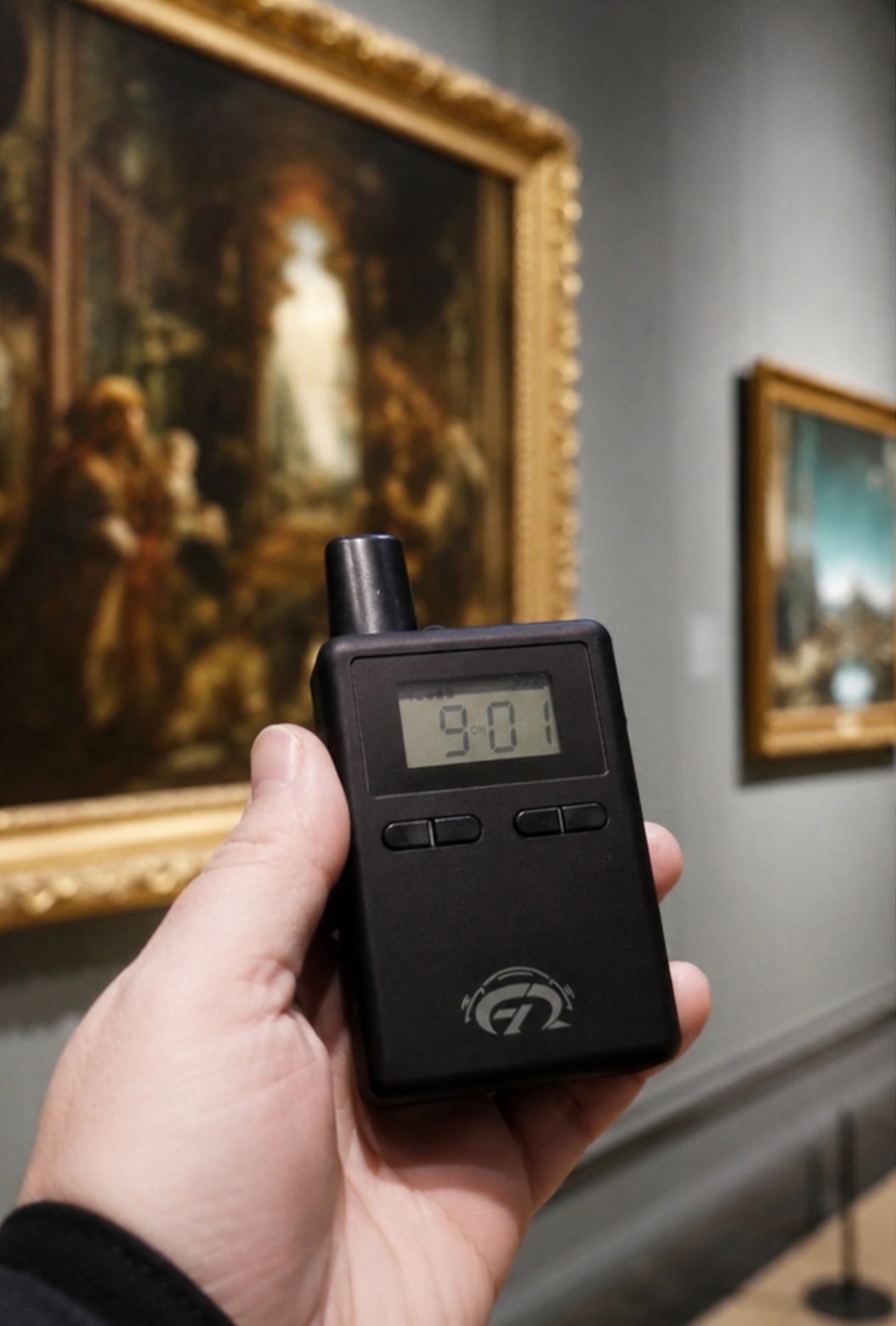
Before upgrading to modern solutions for Gallery Quiet, many organizations wrestle with three recurring headaches: inconsistent audio quality, limited coverage range, and rising maintenance costs from aging gear. Older systems frequently produce static, dropouts, or muffled sound that forces visitors to keep adjusting the volume, breaking their concentration. Range constraints mean groups must stay within twenty meters of the transmitter, making it tough to navigate large exhibition halls. Maintenance expenses pile up quickly when devices need constant battery swaps, cable repairs, or antenna tweaks. These operational snags directly harm the visitor experience and drain staff productivity, often leading to negative reviews and fewer return visits.
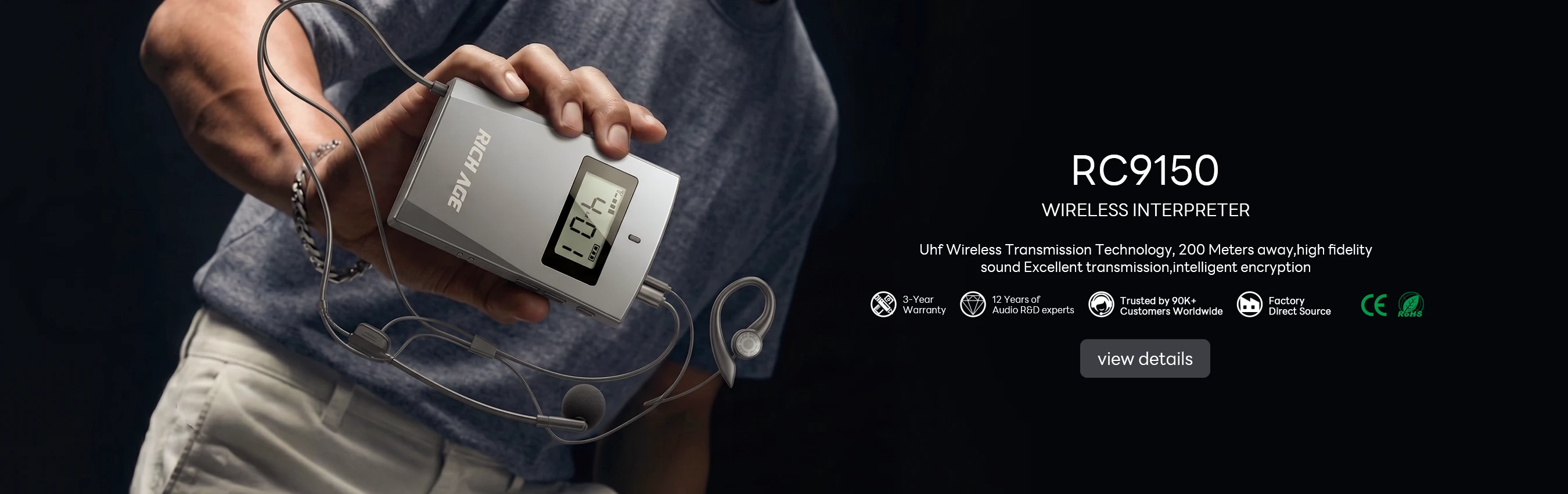
The RC9150 and RC2402 tackle each of these pain points head-on. The RC9150 High-end 2.4G Wireless Audio/Radio Guide System delivers professional-grade audio with a range exceeding 150 meters in open gallery spaces, wiping out dead zones and signal degradation. Its 2.4G frequency hopping technology automatically dodges interference from Wi-Fi networks and mobile devices, so performance stays steady even in crowded museums. The RC2402 Wireless Tour Guide System offers the same reliability in a more compact package, making it perfect for smaller galleries or temporary exhibitions. Both models use rechargeable lithium batteries that hold their capacity for hundreds of cycles, slashing long-term maintenance costs.
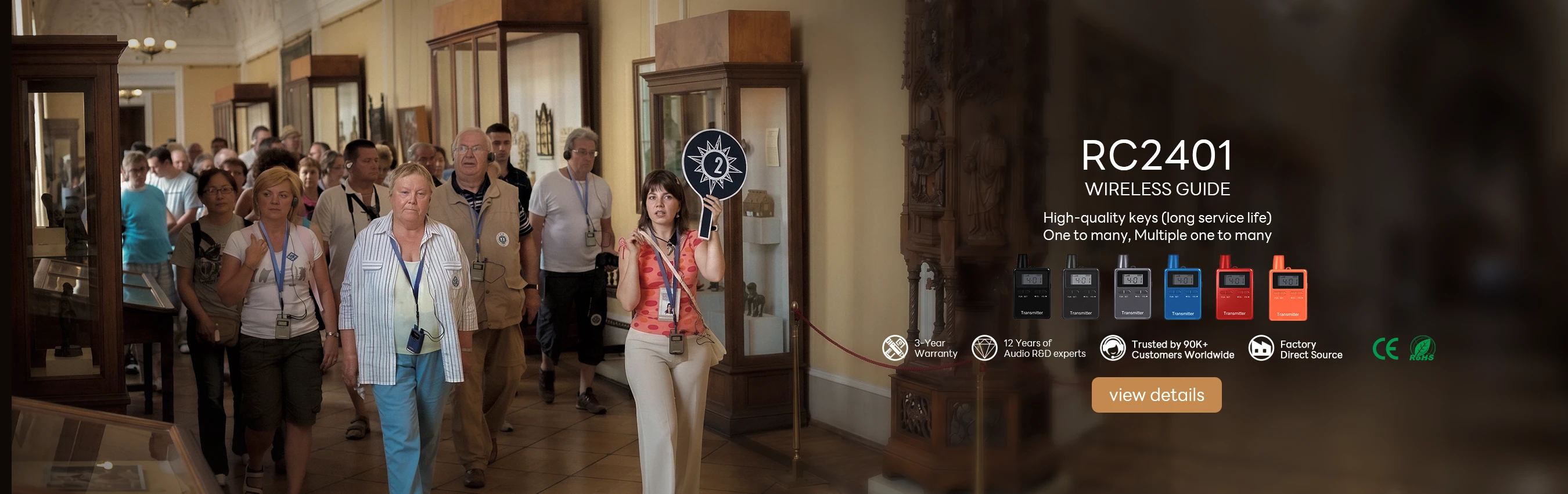
When weighing options, many organizations compare the RC2402 vs RC2408 to decide which standard model fits their group size and budget. The RC2402 excels for groups of 15–30 visitors, while the RC2408 scales up for larger tours. Similarly, the RC2401 vs RC2402 comparison helps galleries choose between entry-level and mid-range features. The RC2402's extra channel support and longer battery life often make it the smarter investment for institutions running multiple tours each day.
Frequently Asked Questions
Common questions about deploying the RC9150 and RC2402 in Gallery Quiet include: Do we need a technical specialist to run the system? Not at all. Both models feature simple one-button pairing and automatic channel selection, so any gallery attendant can set up and manage the system after just five minutes of training. Can multiple groups tour at the same time? Yes. The RC9150 handles up to 16 independent channels, while the RC2402 manages four, allowing docents to lead separate tours in different languages or exhibition tracks without any audio bleed. What happens if a device runs out of battery mid-tour? Modern systems are built with this in mind. Both models offer generous battery life with quick-swap options. The RC9150 includes a hot-swappable battery pack, while the RC2402 uses USB-C charging that reaches 80% capacity in under an hour. Spare units can be pre-charged and swapped in seconds.
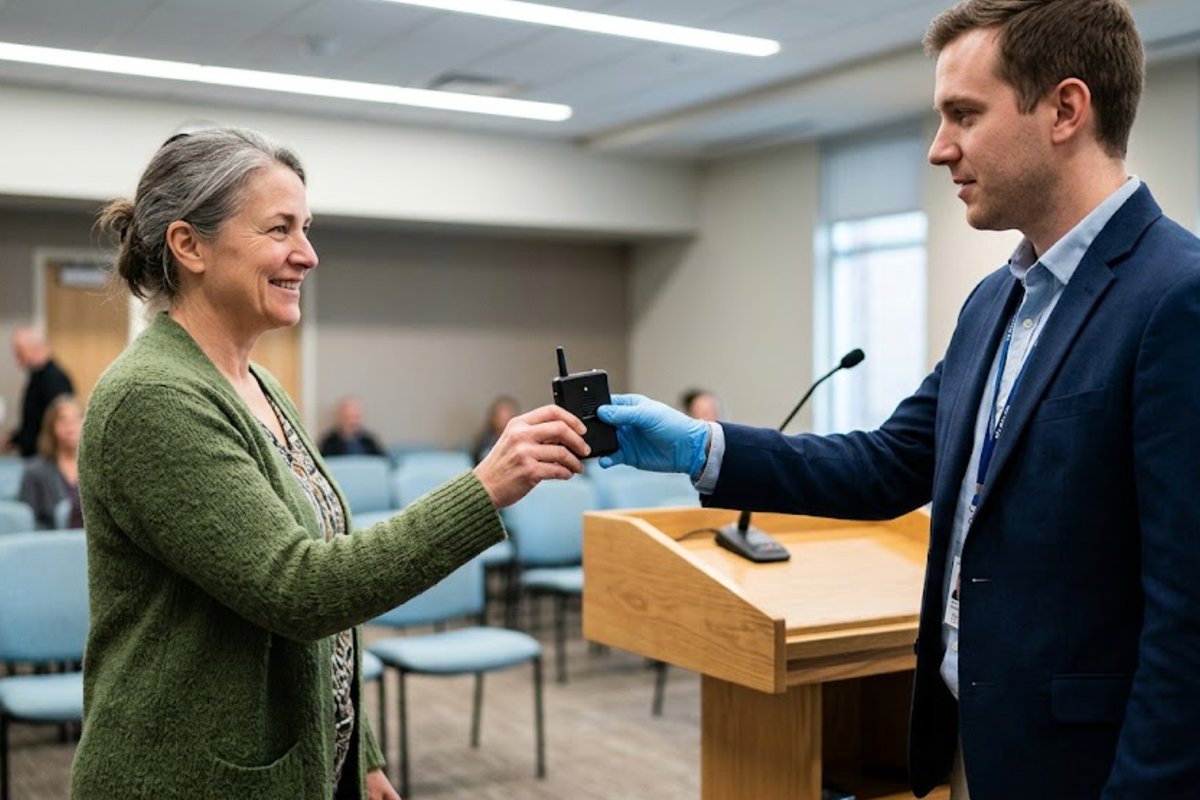
Galleries also frequently ask about integrating the system with existing audio equipment. The RC9150 and RC2402 both have auxiliary input ports, so they can connect to current microphone systems, audio players, or assistive listening devices. This compatibility means galleries can phase in the new system gradually without tossing out previous investments. For institutions worried about hygiene, both models come with replaceable ear cushions and silicone tips that can be sanitized between uses. The entire receiver unit can also be wiped down with standard disinfectants without damage. These practical details make deployment straightforward even for museums with limited technical resources.
Product Specifications Comparison
| Model | Position | Weight | URL |
|---|---|---|---|
| RC9150 | High-end 2.4G simultaneous interpretation system | 75 g | View Product |
| RC2402 | Standard wireless tour guide for medium group tours | 60 g | View Product |
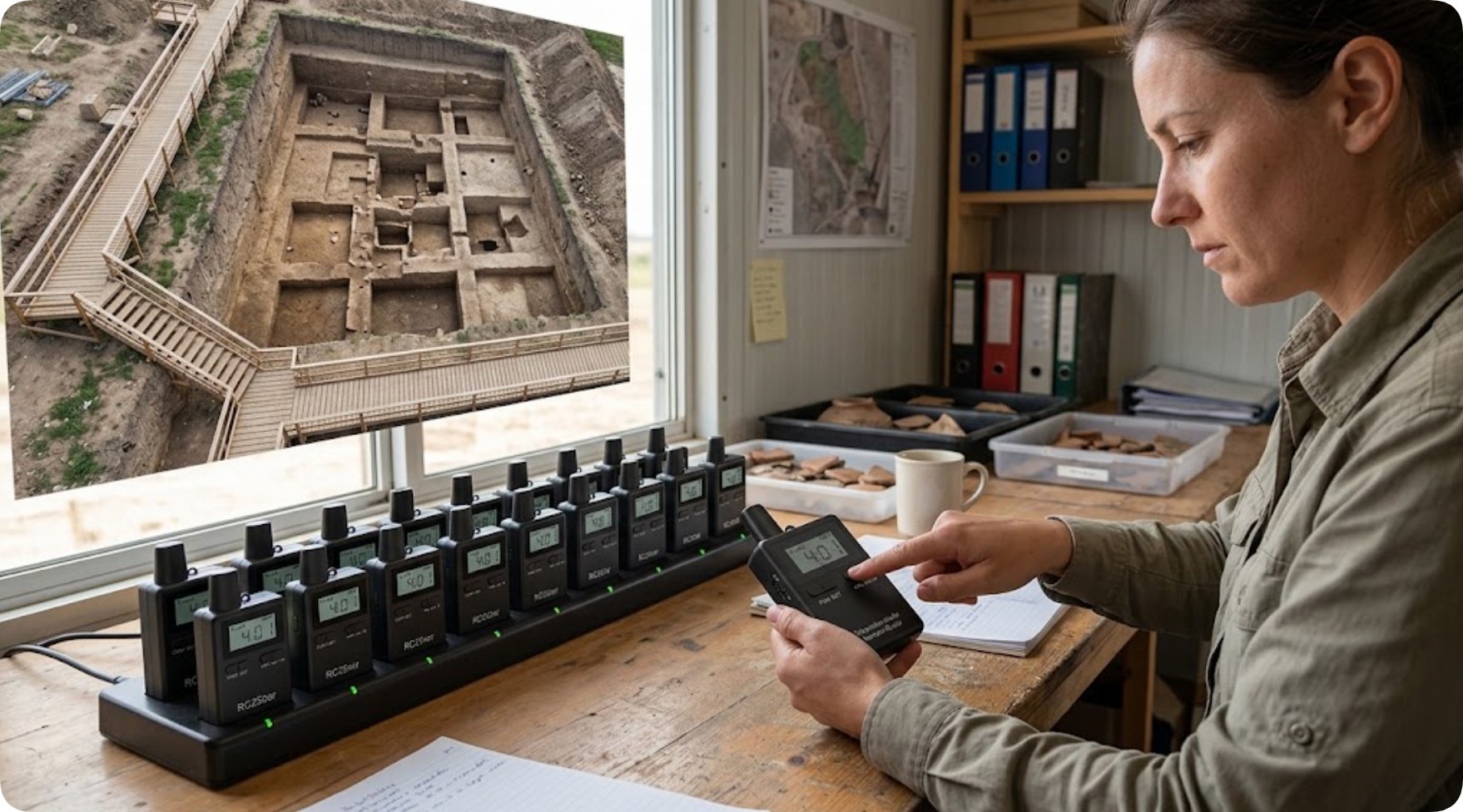
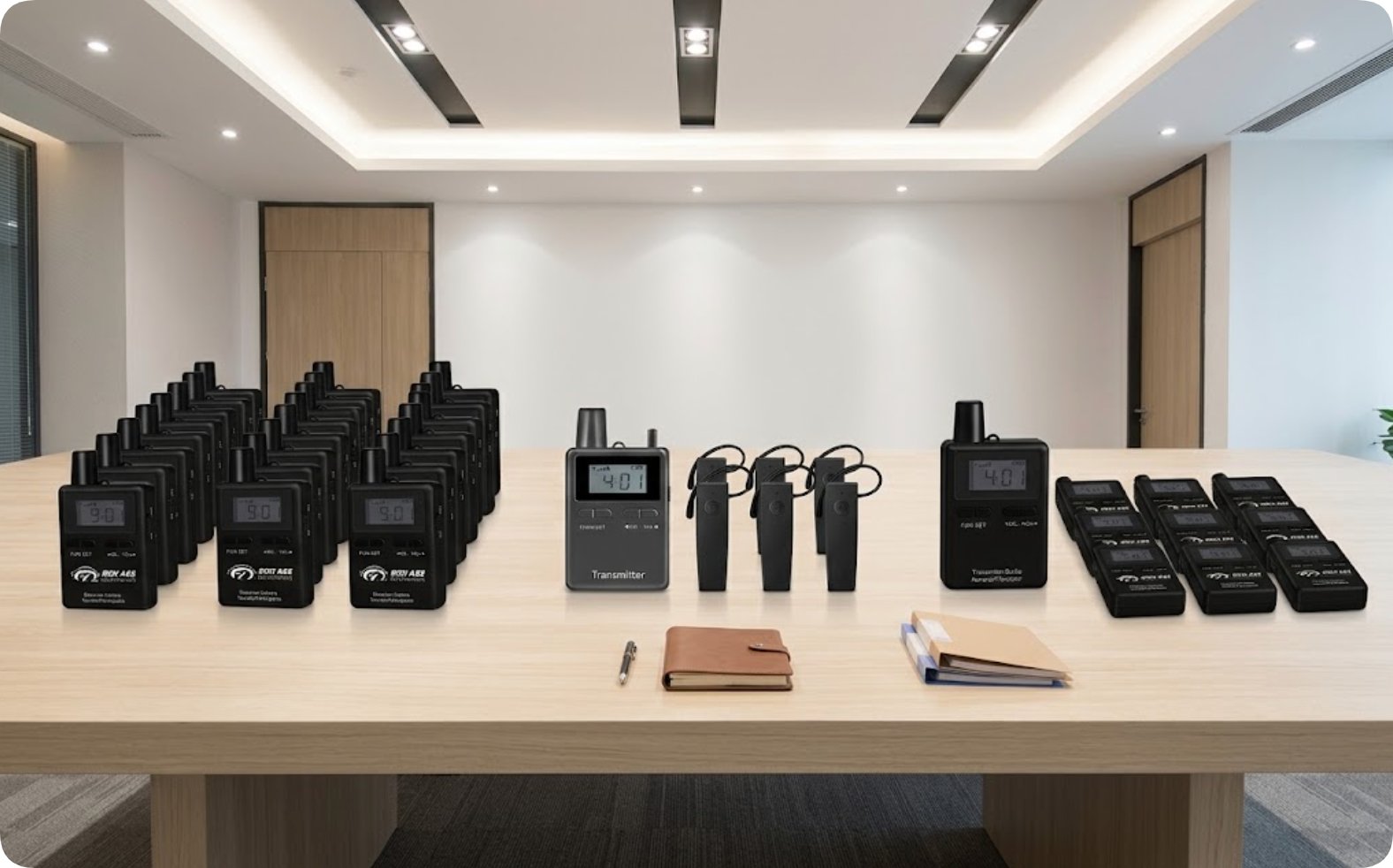
The installation walkthrough for the RC9150 and RC2402 in Gallery Quiet settings reveals a system built for simplicity and reliability. Start by placing the RC9150 transmitter at a central gallery spot, ideally near the main entrance or information desk, to get the best coverage. Connect it to a power source and any auxiliary audio inputs. Then pair each receiver by pressing the sync button on the transmitter and the matching button on each receiver unit. For the RC2402, the process is identical but scaled for smaller groups. Assign channels based on language or tour type, using the clear LCD display on the RC9150 transmitter to monitor signal strength and battery levels across all connected devices. Finally, run a quick audio test with staff walking to the farthest corners of the gallery to confirm consistent reception. With this setup, Gallery Quiet becomes not just achievable but effortless, letting visitors lose themselves in the art while receiving rich, insightful guidance exactly when they want it.