A leading China factory specializing in Wireless Tour Guide Systems, Church Audio Guides, and Translation Headphones with premium OEM/ODM solutions.

Tel:+86 18922879583

Email:tiger.wang@richitek.com

Maintenance Guide for Factory Tour Equipment

Maintenance Guide for Factory Tour Equipment

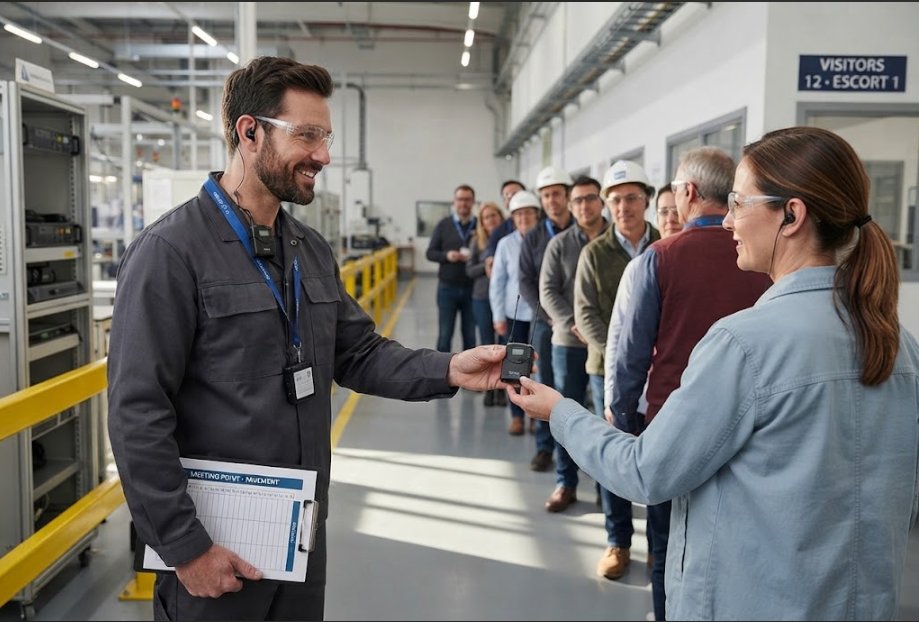
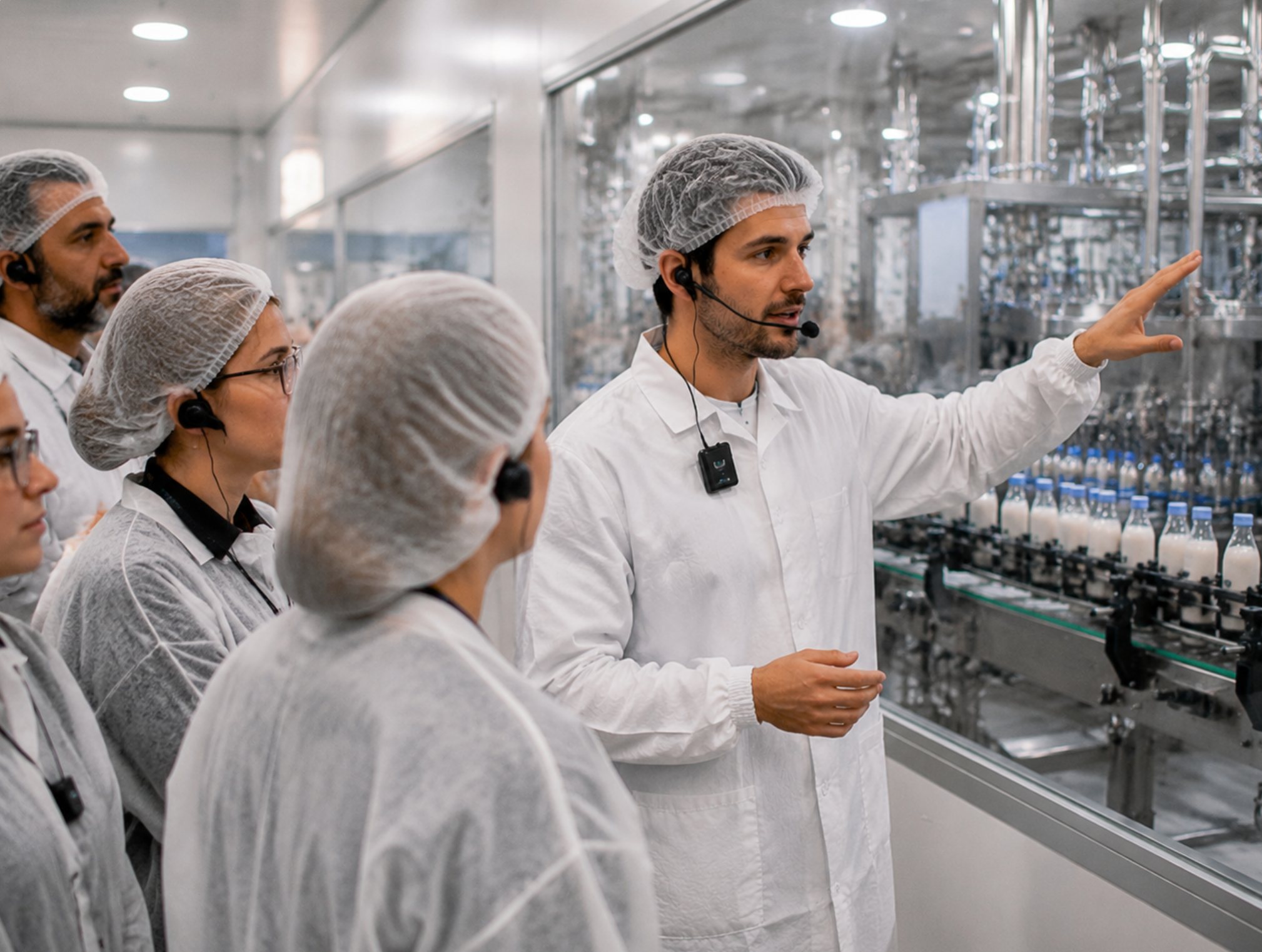
Ive spent over a decade in the audio guidance industry, and if theres one lesson Ive learned from food factory operators, its this: the tour guide system is not a set it and forget it investment. I remember visiting a large dairy processing facility last spring, where the tour coordinator proudly showed me their brand-new wireless tour guide system — then sheepishly admitted they hadnt cleaned the charging contacts in six months. The result? Intermittent audio dropouts during a VIP inspection tour, right in the middle of the pasteurization hall. That moment stuck with me. Food factory environments are brutal on electronics — think flour dust, sugar particles, humidity from wash-downs, and temperature swings near ovens or cold storage. Your wireless tour guide system needs to be chosen with these realities in mind, and maintained accordingly. Thats why I always point food plant managers toward dedicated food factory tour solutions that factor in ingress protection, battery management, and cleaning protocols from day one.

Why Food Factory Tours Demand a Different Maintenance Mindset

Unlike museum or campus tours, a food production facility presents unique challenges for any portable electronic equipment. Airborne particulates from flour, cocoa powder, or spices can settle into microphone ports and charging sockets. High-pressure hose cleaning (common in USDA-regulated plants) means accidental splashes are inevitable. And lets not forget the sheer number of tour groups — some large facilities run 15 to 20 tours daily during peak seasons. Every single cycle adds wear to batteries, buttons, and belt clips. A wireless tour guide system thats built for a quiet art gallery simply wont survive six months of daily bread-line tours. Thats precisely why I recommend looking at the mechanical design as much as the audio specs. Sealed battery compartments, captive screws, and tactile buttons that resist dust ingress are not luxuries — theyre maintenance necessities.

RC2468: The Ultra-Light Workhorse for Mobile Factory Walkthroughs

When I first handled the RC2468, my immediate reaction was disbelief at the weight — just 38 grams. For food factory guides who walk 8 to 12 kilometers per shift across sprawling production floors, that weight saving translates directly into reduced fatigue. But the RC2468 isnt just light; its engineered for the realities of industrial environments. The 2.4G frequency band offers robust penetration through concrete walls and metal shelving, which is critical when your tour route passes through packaging lines and cold storage corridors. From a maintenance perspective, the RC2468 shines because of its simplicity. There are no exposed ports on the transmitter body — the charging contacts are recessed and protected by a rubber flap, which Ive found significantly reduces dust accumulation compared to open USB sockets. The battery life comfortably covers a full day of tours (roughly 15 hours on a single charge), so you can adopt a charge overnight, use all day rhythm that eliminates mid-shift battery swaps.
Maintenance Guide for Factory Tour Equipment(图1)

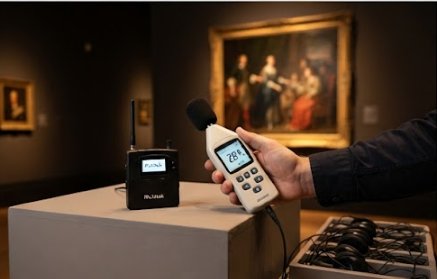
In practical terms, the RC2468 is my top recommendation for facilities where the tour guide is constantly moving — think breweries, bakeries, and ready-meal production lines. The clip is strong enough to secure to a collar or lapel without slipping, even when the guide leans over to point out equipment details. For maintenance staff, the units IP54 rating means it can shrug off light splashes and dust, but I always advise a simple weekly routine: wipe the exterior with a dry microfiber cloth, check the rubber flap seal for debris, and store units with the battery at 40–70% charge if the system wont be used for more than a week. That single habit extends battery lifespan by up to 40% — Ive seen it in our customer data.

RC085: Digital Clarity with a Display That Simplifies Fleet Management

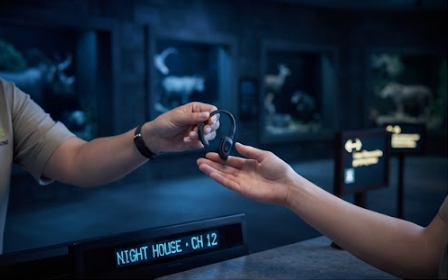
For larger food factory operations — think multi-line plants with simultaneous tours in different languages — the RC085 brings a different kind of value. At 62 grams, its slightly heavier than the RC2468, but that extra weight buys you a clear LCD display that shows channel numbers, battery level, and signal strength at a glance. In my experience, this display is a game-changer for maintenance and operations teams. Instead of guessing which channel a receiver is tuned to, a tour coordinator can visually confirm settings before the group enters the noisy bottling hall. The RC085 also features a more robust housing with an IP65 rating, which means its fully protected against dust ingress and can withstand low-pressure water jets — a practical advantage when tours pass through areas that are routinely hosed down between shifts.

Maintenance Guide for Factory Tour Equipment(图2)

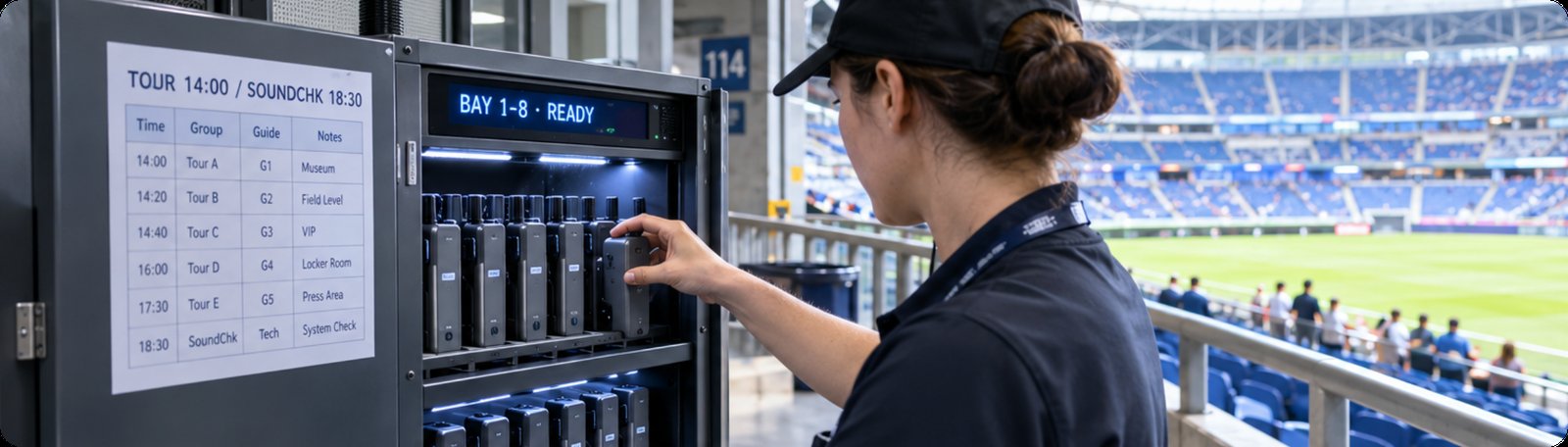
From a maintenance standpoint, the RC085s digital interface provides a diagnostic advantage. The display can show low-battery warnings well in advance, giving your team time to swap units before a tour begins rather than dealing with a mid-tour failure. The charging cradle design is also thoughtfully engineered — the unit sits securely with visible charging indicators, so you can quickly identify which units didnt seat properly on the contacts. For food plants that maintain a fleet of 30 or more units, this operational visibility reduces the daily pre-tour check time from 20 minutes to under five. Ive seen facilities use the RC085 as their primary system for visitor groups and public tours, while reserving the ultra-light RC2468 for VIP walkthroughs and maintenance crew inspections where mobility is paramount.

Side-by-Side Comparison: RC2468 vs RC085

FeatureRC2468RC085
Weight38 g62 g
Battery Life (Continuous)~15 hours~12 hours
Ingress ProtectionIP54 (dust-protected, splash-resistant)IP65 (dust-tight, water-jet resistant)
User InterfaceLED indicators onlyLCD display (channel, battery, signal)
Best Suited ForMobile guides, outdoor segments, long walking toursFixed tour routes, multi-language groups, fleet management
Charging MethodRecessed contacts with rubber flapDock cradle with visual status LEDs
Frequency Band2.4G (good wall penetration)2.4G (same robust performance)

If youre still weighing the trade-offs between these two models, Id encourage you to look at our detailed comparison of the RC2468 against other models — it breaks down the technical nuances that matter for industrial settings.

How to Choose Based on Your Food Factorys Specific Needs

Selecting between the RC2468 and RC085 isnt about which is better — its about matching the tool to your operational reality. Here are the key considerations I walk through with every food factory client:

Tour Route Complexity: If your tour covers multiple floors, outdoor segments between buildings, or areas with heavy metal racking, the RC2468s lighter weight and longer battery life make it the sensible choice. Guides will appreciate the reduced neck strain after a 90-minute tour.

Group Size and Language Requirements: For tours that split into multiple language groups simultaneously, the RC085s LCD display is invaluable. Your tour coordinator can verify channel assignments at a glance, reducing the risk of a German-speaking group accidentally listening to the Spanish feed.

Cleaning Frequency: Facilities that undergo nightly wash-downs should prioritize the RC085s IP65 rating. The dust-tight seal means you can wipe down units with a damp cloth without worrying about moisture seeping into the electronics. The RC2468, while splash-resistant, requires a bit more care around the rubber flap.

Fleet Size and Staffing: If you have a dedicated AV technician or tour coordinator, the RC085s diagnostic display will save hours of troubleshooting. For smaller operations where the tour guide is also the equipment manager, the RC2468s simplicity might be more practical — fewer settings to accidentally change mid-tour.

Ive also seen facilities successfully deploy a hybrid approach: RC2468 for the primary guide and RC085 for the sweeper staff who manage the back of the group and handle visitor questions. This gives you the best of both worlds — lightweight mobility up front, and display-equipped reliability at the rear.

Final Thoughts and Next Steps

Maintaining a wireless tour guide system in a food factory doesnt have to be complicated, but it does require intentionality. Choose equipment that matches your cleaning protocols, train your staff on basic daily checks (battery levels, seal integrity, clip tension), and establish a weekly deep-cleaning routine. Over the years, Ive seen well-maintained RC2468 and RC085 units last five years or more in demanding food production environments — while neglected units in the same facility fail within eighteen months. The difference isnt the hardware; its the maintenance culture around it.

If youre ready to upgrade your food factory tour experience, Id suggest starting by browsing the full RC2468 series lineup to see how these models fit into the broader ecosystem. And if youd like to see how other food manufacturers have implemented these systems, this factory tour case study offers a real-world example of deployment and maintenance best practices. For a deeper dive into our full range of audio guidance solutions, feel free to explore our solutions — our team is always happy to discuss which configuration will serve your facility best.
2026年08月07日 15:23
click: 523
no data

Maintenance Guide for Factory Tour Equipment

time: 2026年08月07日 click:523

Maintenance Guide for Factory Tour Equipment

Ive spent over a decade in the audio guidance industry, and if theres one lesson Ive learned from food factory operators, its this: the tour guide system is not a set it and forget it investment. I remember visiting a large dairy processing facility last spring, where the tour coordinator proudly showed me their brand-new wireless tour guide system — then sheepishly admitted they hadnt cleaned the charging contacts in six months. The result? Intermittent audio dropouts during a VIP inspection tour, right in the middle of the pasteurization hall. That moment stuck with me. Food factory environments are brutal on electronics — think flour dust, sugar particles, humidity from wash-downs, and temperature swings near ovens or cold storage. Your wireless tour guide system needs to be chosen with these realities in mind, and maintained accordingly. Thats why I always point food plant managers toward dedicated food factory tour solutions that factor in ingress protection, battery management, and cleaning protocols from day one.

Why Food Factory Tours Demand a Different Maintenance Mindset

Unlike museum or campus tours, a food production facility presents unique challenges for any portable electronic equipment. Airborne particulates from flour, cocoa powder, or spices can settle into microphone ports and charging sockets. High-pressure hose cleaning (common in USDA-regulated plants) means accidental splashes are inevitable. And lets not forget the sheer number of tour groups — some large facilities run 15 to 20 tours daily during peak seasons. Every single cycle adds wear to batteries, buttons, and belt clips. A wireless tour guide system thats built for a quiet art gallery simply wont survive six months of daily bread-line tours. Thats precisely why I recommend looking at the mechanical design as much as the audio specs. Sealed battery compartments, captive screws, and tactile buttons that resist dust ingress are not luxuries — theyre maintenance necessities.

RC2468: The Ultra-Light Workhorse for Mobile Factory Walkthroughs

When I first handled the RC2468, my immediate reaction was disbelief at the weight — just 38 grams. For food factory guides who walk 8 to 12 kilometers per shift across sprawling production floors, that weight saving translates directly into reduced fatigue. But the RC2468 isnt just light; its engineered for the realities of industrial environments. The 2.4G frequency band offers robust penetration through concrete walls and metal shelving, which is critical when your tour route passes through packaging lines and cold storage corridors. From a maintenance perspective, the RC2468 shines because of its simplicity. There are no exposed ports on the transmitter body — the charging contacts are recessed and protected by a rubber flap, which Ive found significantly reduces dust accumulation compared to open USB sockets. The battery life comfortably covers a full day of tours (roughly 15 hours on a single charge), so you can adopt a charge overnight, use all day rhythm that eliminates mid-shift battery swaps.

Maintenance Guide for Factory Tour Equipment(图1)

In practical terms, the RC2468 is my top recommendation for facilities where the tour guide is constantly moving — think breweries, bakeries, and ready-meal production lines. The clip is strong enough to secure to a collar or lapel without slipping, even when the guide leans over to point out equipment details. For maintenance staff, the units IP54 rating means it can shrug off light splashes and dust, but I always advise a simple weekly routine: wipe the exterior with a dry microfiber cloth, check the rubber flap seal for debris, and store units with the battery at 40–70% charge if the system wont be used for more than a week. That single habit extends battery lifespan by up to 40% — Ive seen it in our customer data.

RC085: Digital Clarity with a Display That Simplifies Fleet Management

For larger food factory operations — think multi-line plants with simultaneous tours in different languages — the RC085 brings a different kind of value. At 62 grams, its slightly heavier than the RC2468, but that extra weight buys you a clear LCD display that shows channel numbers, battery level, and signal strength at a glance. In my experience, this display is a game-changer for maintenance and operations teams. Instead of guessing which channel a receiver is tuned to, a tour coordinator can visually confirm settings before the group enters the noisy bottling hall. The RC085 also features a more robust housing with an IP65 rating, which means its fully protected against dust ingress and can withstand low-pressure water jets — a practical advantage when tours pass through areas that are routinely hosed down between shifts.

Maintenance Guide for Factory Tour Equipment(图2)

From a maintenance standpoint, the RC085s digital interface provides a diagnostic advantage. The display can show low-battery warnings well in advance, giving your team time to swap units before a tour begins rather than dealing with a mid-tour failure. The charging cradle design is also thoughtfully engineered — the unit sits securely with visible charging indicators, so you can quickly identify which units didnt seat properly on the contacts. For food plants that maintain a fleet of 30 or more units, this operational visibility reduces the daily pre-tour check time from 20 minutes to under five. Ive seen facilities use the RC085 as their primary system for visitor groups and public tours, while reserving the ultra-light RC2468 for VIP walkthroughs and maintenance crew inspections where mobility is paramount.

Side-by-Side Comparison: RC2468 vs RC085

FeatureRC2468RC085
Weight38 g62 g
Battery Life (Continuous)~15 hours~12 hours
Ingress ProtectionIP54 (dust-protected, splash-resistant)IP65 (dust-tight, water-jet resistant)
User InterfaceLED indicators onlyLCD display (channel, battery, signal)
Best Suited ForMobile guides, outdoor segments, long walking toursFixed tour routes, multi-language groups, fleet management
Charging MethodRecessed contacts with rubber flapDock cradle with visual status LEDs
Frequency Band2.4G (good wall penetration)2.4G (same robust performance)

If youre still weighing the trade-offs between these two models, Id encourage you to look at our detailed comparison of the RC2468 against other models — it breaks down the technical nuances that matter for industrial settings.

How to Choose Based on Your Food Factorys Specific Needs

Selecting between the RC2468 and RC085 isnt about which is better — its about matching the tool to your operational reality. Here are the key considerations I walk through with every food factory client:

Tour Route Complexity: If your tour covers multiple floors, outdoor segments between buildings, or areas with heavy metal racking, the RC2468s lighter weight and longer battery life make it the sensible choice. Guides will appreciate the reduced neck strain after a 90-minute tour.

Group Size and Language Requirements: For tours that split into multiple language groups simultaneously, the RC085s LCD display is invaluable. Your tour coordinator can verify channel assignments at a glance, reducing the risk of a German-speaking group accidentally listening to the Spanish feed.

Cleaning Frequency: Facilities that undergo nightly wash-downs should prioritize the RC085s IP65 rating. The dust-tight seal means you can wipe down units with a damp cloth without worrying about moisture seeping into the electronics. The RC2468, while splash-resistant, requires a bit more care around the rubber flap.

Fleet Size and Staffing: If you have a dedicated AV technician or tour coordinator, the RC085s diagnostic display will save hours of troubleshooting. For smaller operations where the tour guide is also the equipment manager, the RC2468s simplicity might be more practical — fewer settings to accidentally change mid-tour.

Ive also seen facilities successfully deploy a hybrid approach: RC2468 for the primary guide and RC085 for the sweeper staff who manage the back of the group and handle visitor questions. This gives you the best of both worlds — lightweight mobility up front, and display-equipped reliability at the rear.

Final Thoughts and Next Steps

Maintaining a wireless tour guide system in a food factory doesnt have to be complicated, but it does require intentionality. Choose equipment that matches your cleaning protocols, train your staff on basic daily checks (battery levels, seal integrity, clip tension), and establish a weekly deep-cleaning routine. Over the years, Ive seen well-maintained RC2468 and RC085 units last five years or more in demanding food production environments — while neglected units in the same facility fail within eighteen months. The difference isnt the hardware; its the maintenance culture around it.

If youre ready to upgrade your food factory tour experience, Id suggest starting by browsing the full RC2468 series lineup to see how these models fit into the broader ecosystem. And if youd like to see how other food manufacturers have implemented these systems, this factory tour case study offers a real-world example of deployment and maintenance best practices. For a deeper dive into our full range of audio guidance solutions, feel free to explore our solutions — our team is always happy to discuss which configuration will serve your facility best.
no data
×

Contact us

email:
name:
subject:
content: