.webp)

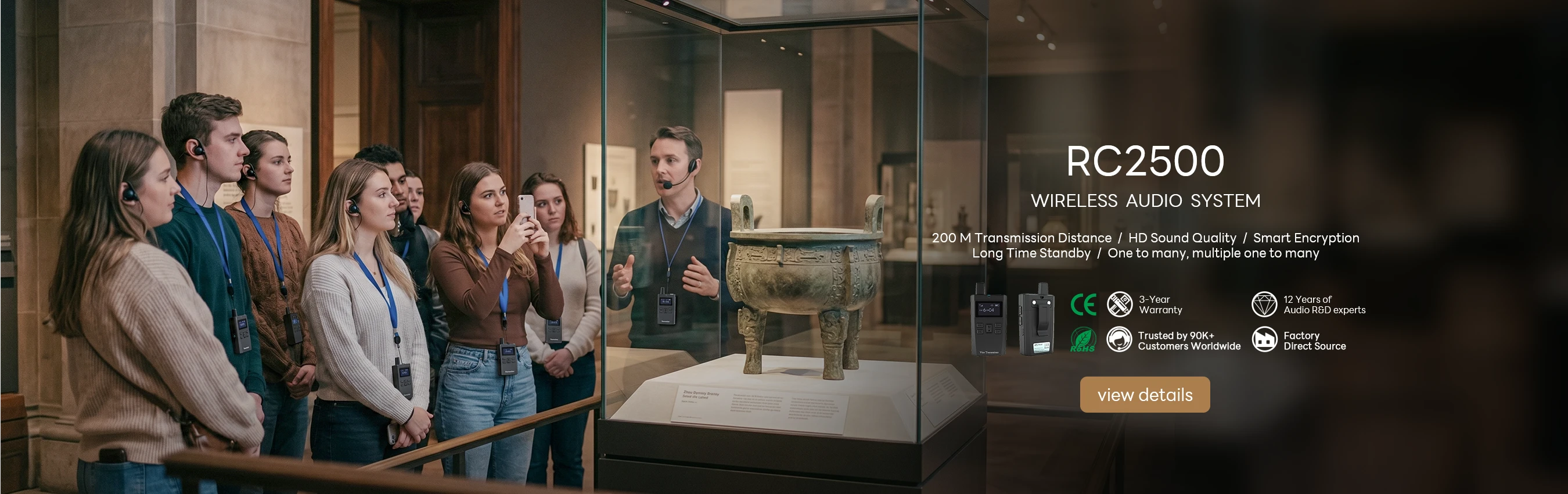
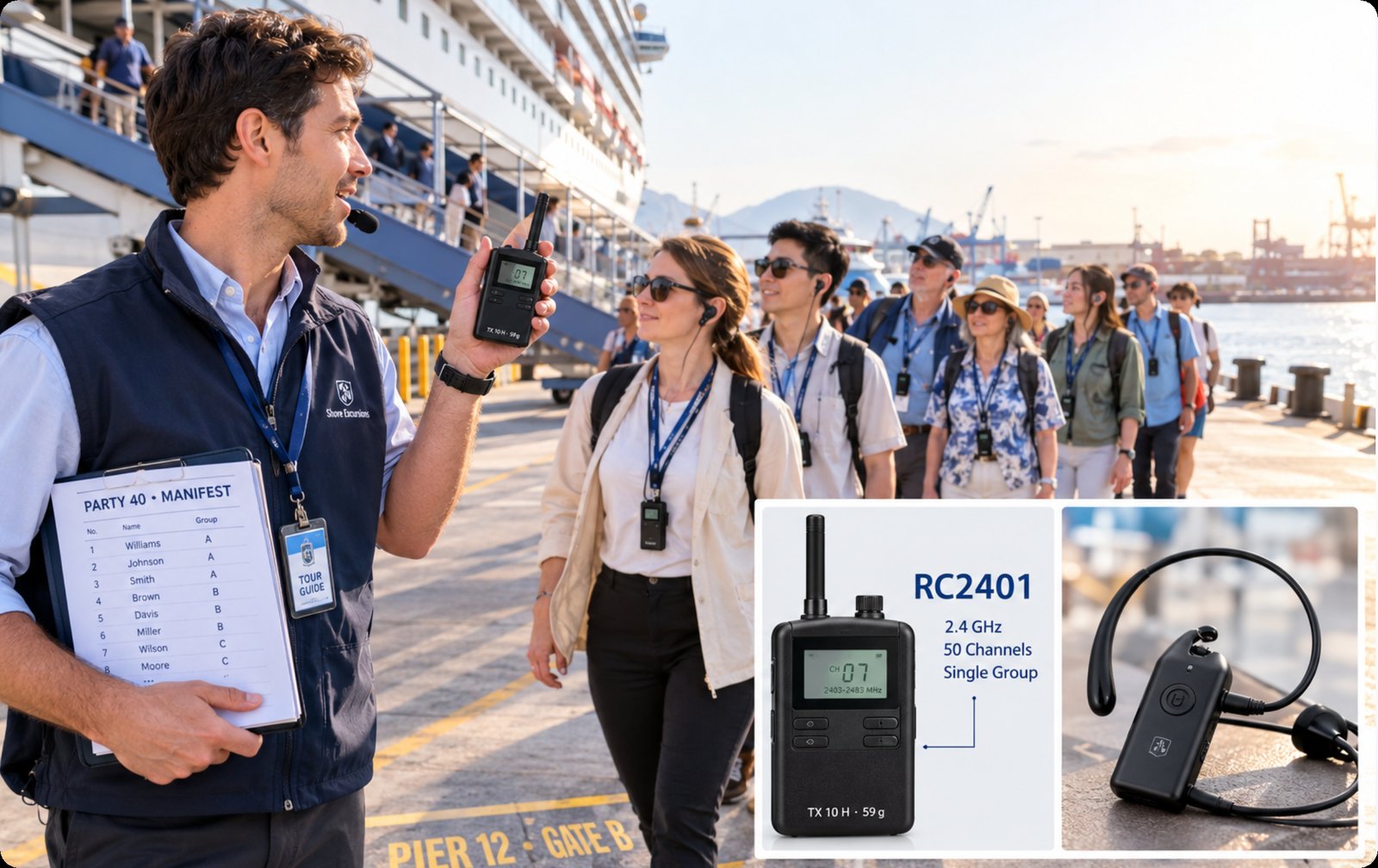
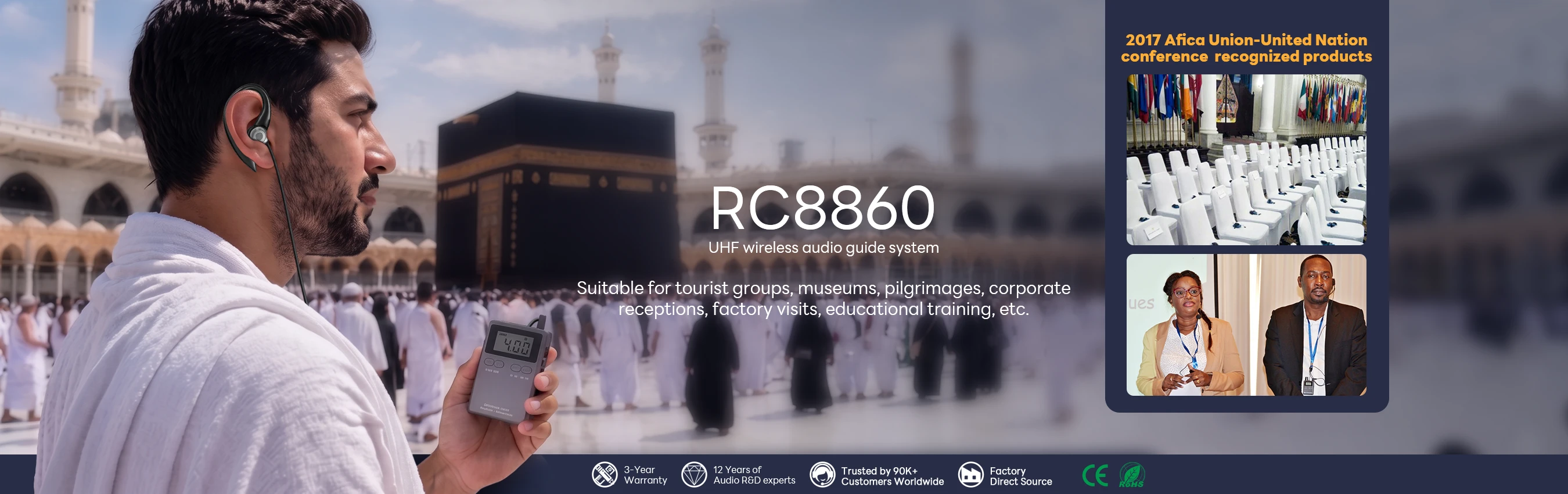
Every procurement office that equips pilgrim groups eventually holds two documents side by side: a brochure full of promises and a quotation full of numbers. The brochure is easy to read; the quotation is where the decision actually lives. Yet most buyers scan the total at the bottom and sign. That is a mistake, because two quotations with identical totals can describe completely different kits, and the difference only becomes visible when the document is read row by row. This article dissects a typical quotation for a Hajj and Umrah audio guide kit, line by line, and shows where the RC2500, the RC2401 and the RC2406 each sit, and why.
A Price Is a Story Told in Rows
A well-built quotation reads like a biography of the deployment. Each row remembers a decision someone made: how many languages the season must carry, how far the groups will walk, how many nights the batteries must survive, and how many sets will be lost to the crowd no matter how careful the marshals are. Buyers who learn to read these rows stop comparing totals and start comparing intentions. Two suppliers quoting the same figure are rarely offering the same thing; one has quietly removed spares, another has substituted a cheaper charging method, and a third has padded the freight. The rows expose all of it.
📡 The Transmitter Row Sets the Tone
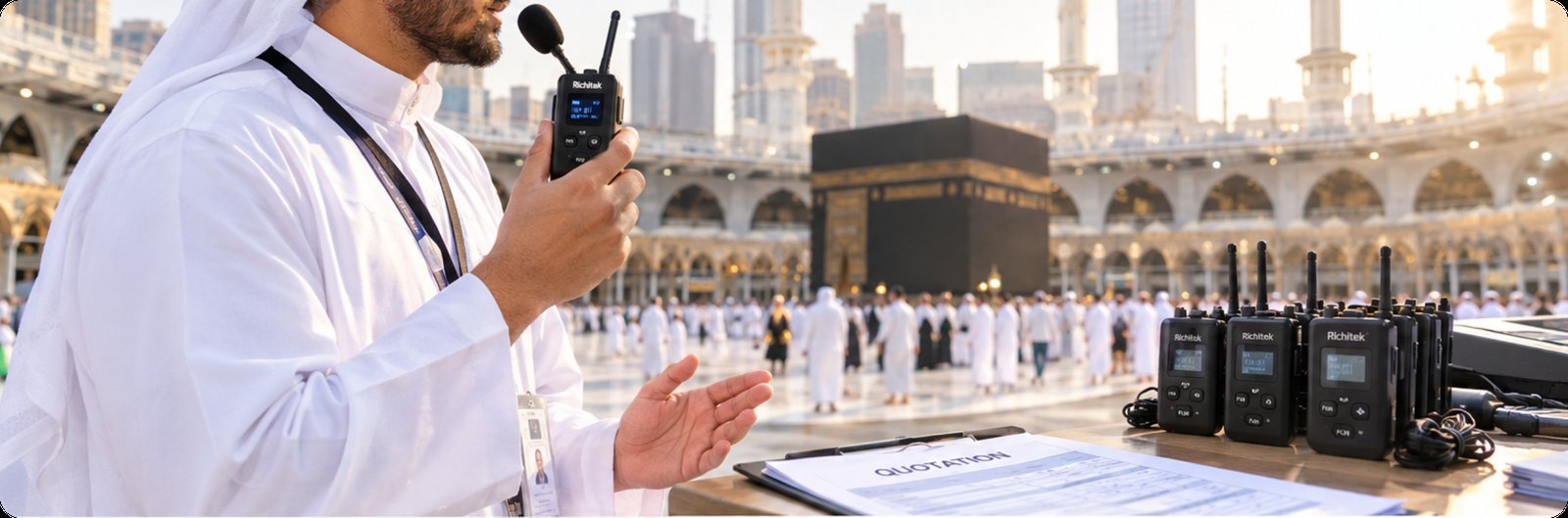
The first meaningful row is the transmitter, because its specification quietly dictates half of the other rows. A long-range transmitter like the RC2500, rated for tens of hours of continuous use and built around a stable 2.4G link, lets one guide address a wide, strung-out column of pilgrims moving between sites. That reach means fewer repeaters, fewer assistant guides and fewer sub-groups, which removes cost from rows further down the page. A weaker transmitter forces the opposite: more splitters, more hardware, more coordination. When the transmitter row looks expensive next to a competitor's, read the rows beneath it before judging; the strong row usually deletes three weaker ones.
Receiver Rows and the Volume Multiplier
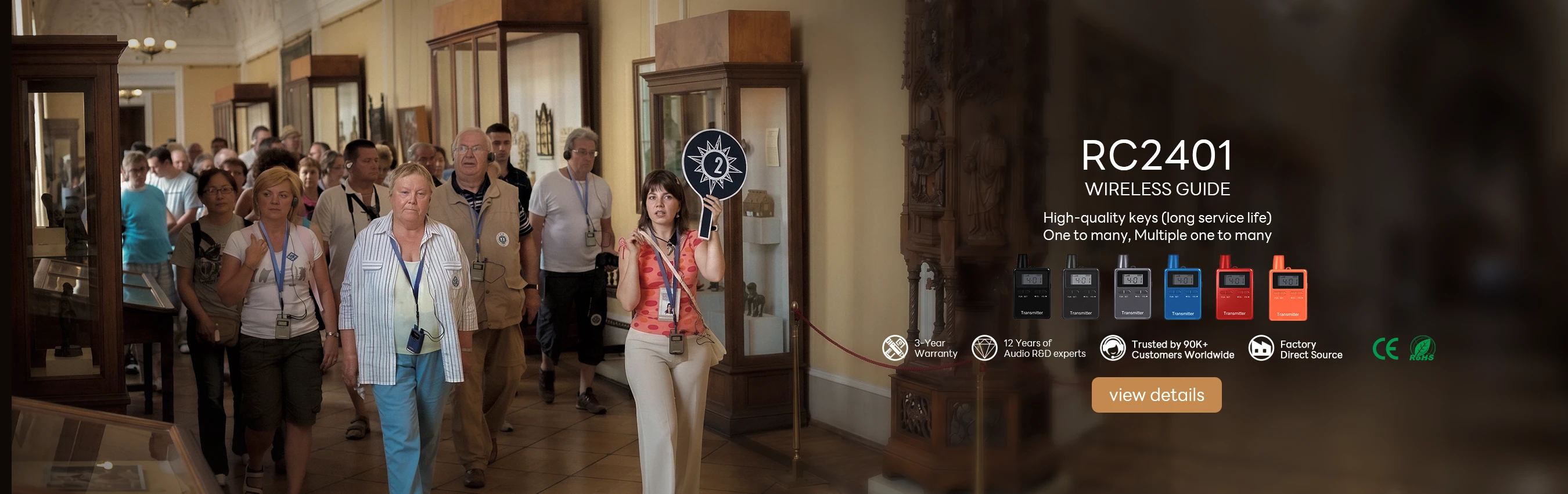
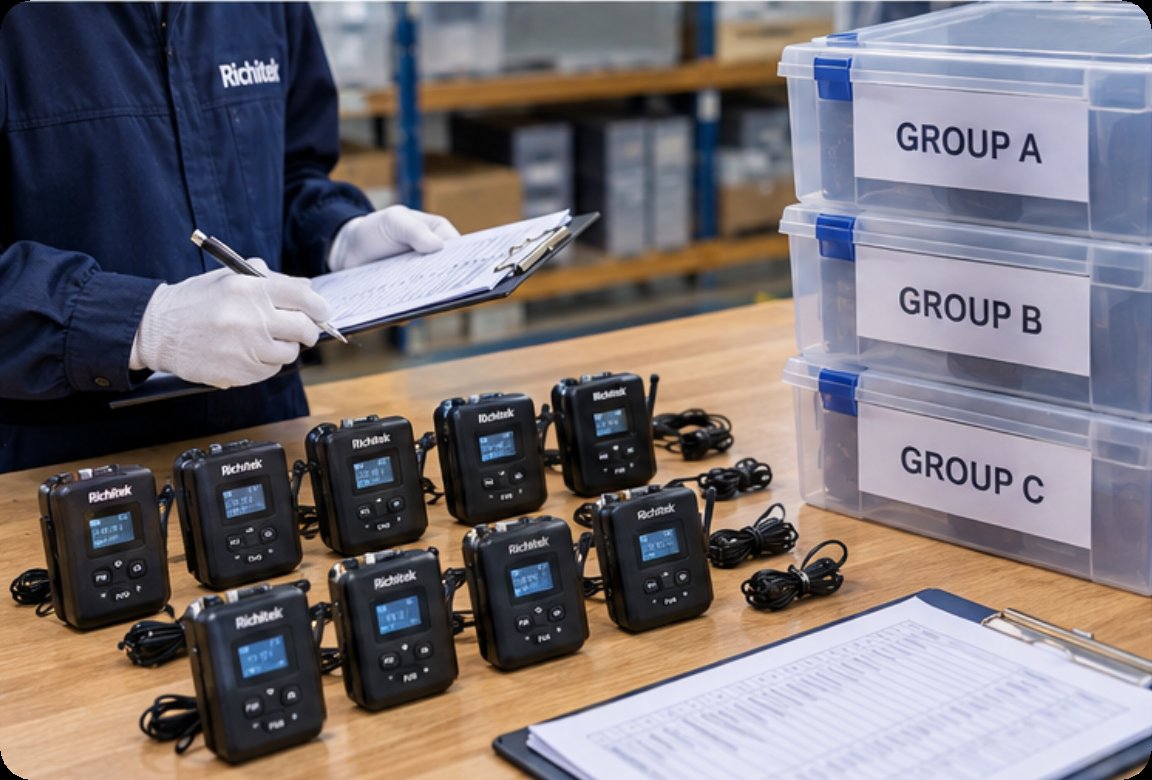
Receivers are where quantity does the talking, and small per-unit differences multiply fast across a five-hundred-pilgrim operation. This is also where product tiers earn their names. The RC2401 carries multiple parallel groups on one deployment, which collapses what would otherwise be several separate purchases into a single coordinated one. The RC2406, an 80-channel 2.4G receiver, serves as the volume row: a lower cost per unit that makes large fleets financially sane while keeping channel discipline for sites where many operators share the airwaves. Reading the receiver rows together, rather than one at a time, shows the intended shape of the fleet: flagship receivers for the groups that justify them, volume receivers for the rest.
🎯 Charging Rows That Decide the Morning
The charging rows look like accessories and behave like infrastructure. A kit that returns to the hotel at midnight must be ready by dawn, and the row that describes how several hundred units recharge is quietly one of the most operationally expensive lines on the page. Multi-bay chargers, clearly listed with their capacities, turn charging into a supervised, predictable task. Vague rows — a single figure for "chargers" with no bay count — are where deployments quietly acquire power strips, extension leads and night-shift volunteers. A quotation that spells out the charging architecture is a quotation written by someone who has actually been to the site.
The Consumable Rows Nobody Budgets
Earphones, windscreens, lanyards and hygienic covers wear out at rates that shock first-time operators, and a crowd environment accelerates everything. A serious quotation itemizes these consumables as their own rows with realistic quantities, rather than hiding a token figure in the total. The honest version of this row is larger than buyers expect, and that is precisely its value: it converts a future surprise into a present decision. Some operators choose washable, shared earphones for staff-led groups and disposable covers for individual distribution; both choices are legitimate, but only when the row exists to be argued about.
Packing, Freight and the Journey Row
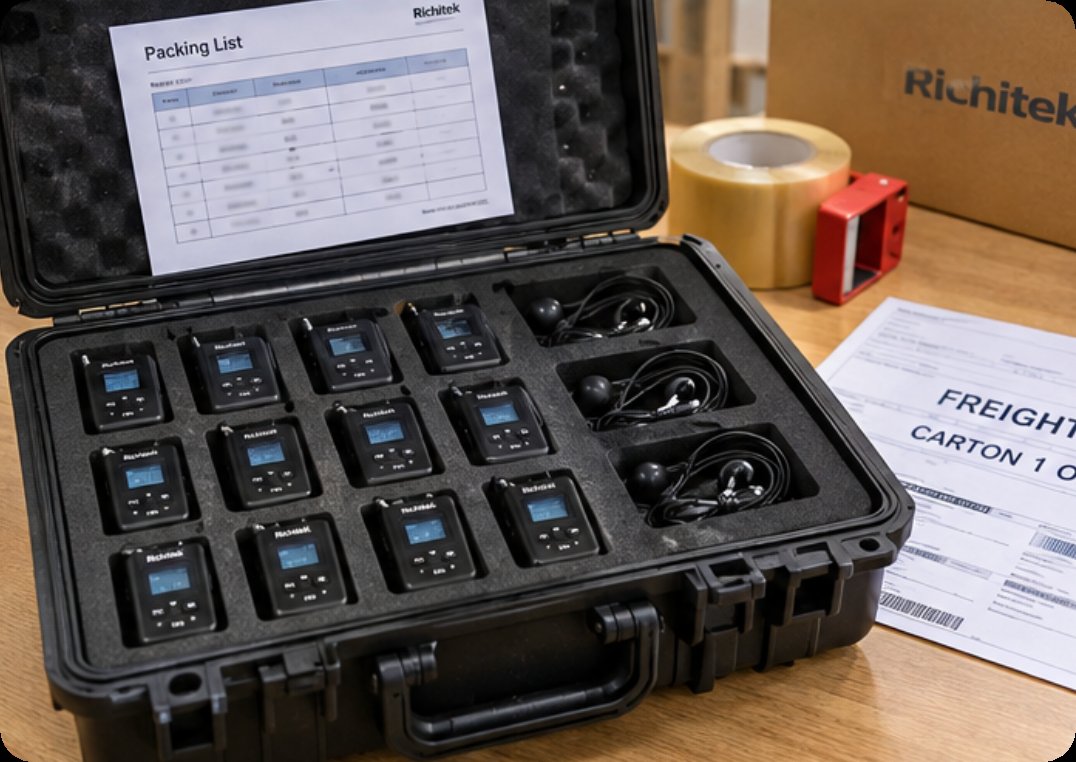
Hardware for a pilgrimage does not travel like office equipment. Cases are stacked, loaded, unloaded and stacked again in heat and crowding, and the row that describes transport protection is an insurance policy written in advance. Rugged carrying cases with fitted compartments cost more than plain cartons and repay the difference in the first season. The freight row deserves equal attention: destination, terms and responsibility for customs clearance should be stated, not implied. A quotation silent on these points is not cheaper; it is merely unfinished, and the missing amount will surface later in someone else's budget.
After-Sales Rows: Spares and Replacements
The final rows describe the relationship after delivery. A percentage of spare units, a stated warranty period, a named contact for firmware and repair — these rows are cheap to write and expensive to omit. Equipment used in a moving, sweating, jostling crowd will fail at a small but relentless rate, and the operator who planned the spare row absorbs that rate calmly while the operator who did not renegotiates mid-season from a position of weakness. Suppliers who volunteer these rows are signaling how they behave when something breaks; suppliers who resist them are signaling the same thing, differently.
Turning Rows Into a Signature
Read in full, a quotation is not a price but a plan: the transmitter row states the coverage philosophy, the receiver rows state the fleet shape, the charging rows state the nightly routine, and the consumable, packing and after-sales rows state how honestly the supplier handles reality. Buyers who adopt this reading habit consistently award contracts to better plans rather than lower totals — and often discover the better plan was also the cheaper one once the hidden rows are priced back in. To see how these three devices are quoted in your own configuration, browse the tour guide system range and the dedicated Hajj and Umrah audio guide kits, and further worked comparisons live in our solutions library. The signature goes at the bottom of the page, but the decision is made in the rows above it.
| Quote Row | What It Should State | Device Typically On It |
|---|---|---|
| Transmitter | Range, battery hours, link stability | RC2500 |
| Receivers (fleet) | Channel count, parallel groups, unit price | RC2401 / RC2406 |
| Charging | Bay count, full-cycle time | Multi-bay chargers |
| Consumables | Earphones, covers, realistic quantities | Accessories |
| Packing & freight | Case spec, destination terms | Carrying cases |
| After-sales | Spare %, warranty, contact | Service terms |