

We are a large factory from China.Specializing in the production of wireless tour guide systems translation headphones for church、Museum audio guide equipment, Simulation Interpretation etc

Tel:+86 18922879583

Email:tiger.wang@richitek.com

Analysis of application scenarios of wireless tour guide system

Analysis of Application Scenarios of Wireless Tour Guide System

From museums to factories, classrooms to churches — how wireless audio technology is transforming communication across industries.

With the rapid development of intelligent technology, wireless tour guide systems are increasingly used in various public places. These systems provide tourists and visitors with more convenient, efficient, and intelligent explanation services through radio technology, voice broadcasting, and positioning navigation. This article explores typical application scenarios and demonstrates their practical value and functional advantages across different environments.

Analysis of application scenarios of wireless tour guide system(图1)

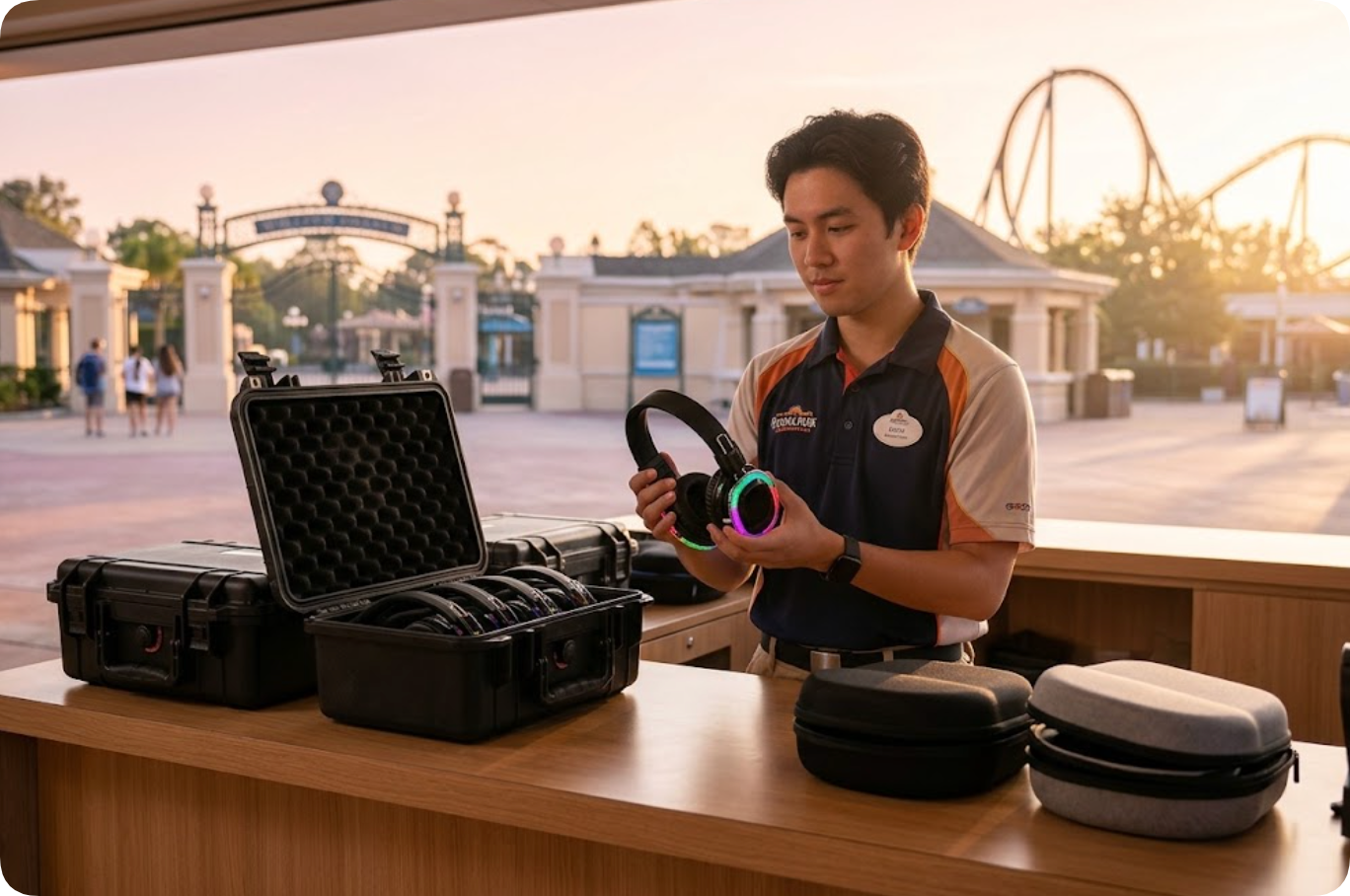
1. Tourist Attractions

Self‑Guided Tours

In large natural scenic areas or historical and cultural sites, visitors can use wireless tour guide devices or mobile apps for self‑guided tours — no human guide required. This enables personalized, immersive experiences. At famous landmarks like the Forbidden City, the Great Wall, and West Lake, wireless systems provide multilingual explanations to meet the diverse needs of domestic and international tourists.

Group Explanations

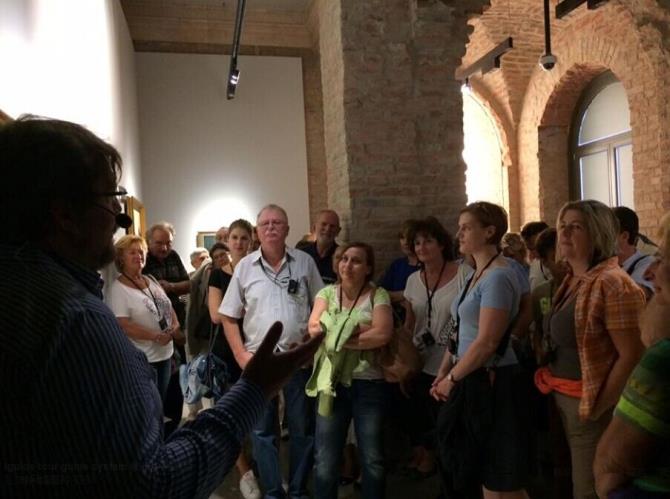
For tour groups or educational visits, guides can use wireless transmitters to broadcast commentary simultaneously to multiple receivers. This avoids communication barriers caused by noisy environments or scattered crowds. The system typically includes a transmitter (guide side) and multiple receivers (visitor side), featuring anti‑interference and multi‑channel capabilities.

2. Museums and Exhibition Halls

Enclosed spaces like museums demand high‑quality audio delivery. Wireless tour guide systems provide clear sound quality and optional auto‑positioning commentary, enhancing the exhibition experience. They can also integrate with AR and voice recognition for interactive explanations and accessible services — especially suitable for international guests, the elderly, or visitors with hearing impairments.
Analysis of application scenarios of wireless tour guide system(图2)

3. Industrial Visits and Corporate Exhibition Halls

In factories, corporate showrooms, and technology parks, wireless tour guide systems help visitors understand company culture, product processes, and technical highlights. Guides can address the entire group without raising their voices — ensuring orderly visits while enhancing brand image.

4. Education and Research Activities

For off‑campus teaching and social practice activities organized by schools or universities, teachers can use wireless explanation systems for on‑site instruction, keeping students focused. This is especially valuable in open venues such as geological surveys, historical relic research, and farm experiences.

5. Conferences and Simultaneous Interpretation

In multilingual international conferences and business exchanges, wireless tour guide systems are widely used for simultaneous interpretation. By setting up multiple language channels, participants can wear receivers and freely choose their preferred language — greatly improving meeting efficiency and professionalism.

6. Religious and Cultural Venues

Religious sites such as churches and temples require a quiet, orderly atmosphere. Wireless tour guide systems allow worshippers to receive explanations without disturbing others, enhancing the worship experience and facilitating large‑scale pilgrimages or cultural exchange activities.

Analysis of application scenarios of wireless tour guide system(图3)

7. Cultural Heritage Protection and Smart Management

Combined with RFID, Bluetooth positioning, and other technologies, wireless tour guide systems can also serve as part of a scenic area’s smart management platform — recording visitor traffic, dwell time, and preferences, providing valuable data for heritage protection and operational decisions.

Conclusion: A Key Component of Smart Tourism

The wireless tour guide system is not just an information dissemination tool — it is an integral part of smart tourism and smart public services. With the further integration of 5G, AI, and IoT technologies, its application potential in more vertical scenarios will continue to expand, helping to comprehensively upgrade cultural communication and service experiences worldwide.

2025年05月15日 14:08
click: 621

Analysis of application scenarios of wireless tour guide system

time: 2025年05月15日 click:621

Analysis of Application Scenarios of Wireless Tour Guide System

From museums to factories, classrooms to churches — how wireless audio technology is transforming communication across industries.

With the rapid development of intelligent technology, wireless tour guide systems are increasingly used in various public places. These systems provide tourists and visitors with more convenient, efficient, and intelligent explanation services through radio technology, voice broadcasting, and positioning navigation. This article explores typical application scenarios and demonstrates their practical value and functional advantages across different environments.

Analysis of application scenarios of wireless tour guide system(图1)

1. Tourist Attractions

Self‑Guided Tours

In large natural scenic areas or historical and cultural sites, visitors can use wireless tour guide devices or mobile apps for self‑guided tours — no human guide required. This enables personalized, immersive experiences. At famous landmarks like the Forbidden City, the Great Wall, and West Lake, wireless systems provide multilingual explanations to meet the diverse needs of domestic and international tourists.

Group Explanations

For tour groups or educational visits, guides can use wireless transmitters to broadcast commentary simultaneously to multiple receivers. This avoids communication barriers caused by noisy environments or scattered crowds. The system typically includes a transmitter (guide side) and multiple receivers (visitor side), featuring anti‑interference and multi‑channel capabilities.

2. Museums and Exhibition Halls

Enclosed spaces like museums demand high‑quality audio delivery. Wireless tour guide systems provide clear sound quality and optional auto‑positioning commentary, enhancing the exhibition experience. They can also integrate with AR and voice recognition for interactive explanations and accessible services — especially suitable for international guests, the elderly, or visitors with hearing impairments.

Analysis of application scenarios of wireless tour guide system(图2)

3. Industrial Visits and Corporate Exhibition Halls

In factories, corporate showrooms, and technology parks, wireless tour guide systems help visitors understand company culture, product processes, and technical highlights. Guides can address the entire group without raising their voices — ensuring orderly visits while enhancing brand image.

4. Education and Research Activities

For off‑campus teaching and social practice activities organized by schools or universities, teachers can use wireless explanation systems for on‑site instruction, keeping students focused. This is especially valuable in open venues such as geological surveys, historical relic research, and farm experiences.

5. Conferences and Simultaneous Interpretation

In multilingual international conferences and business exchanges, wireless tour guide systems are widely used for simultaneous interpretation. By setting up multiple language channels, participants can wear receivers and freely choose their preferred language — greatly improving meeting efficiency and professionalism.

6. Religious and Cultural Venues

Religious sites such as churches and temples require a quiet, orderly atmosphere. Wireless tour guide systems allow worshippers to receive explanations without disturbing others, enhancing the worship experience and facilitating large‑scale pilgrimages or cultural exchange activities.

Analysis of application scenarios of wireless tour guide system(图3)

7. Cultural Heritage Protection and Smart Management

Combined with RFID, Bluetooth positioning, and other technologies, wireless tour guide systems can also serve as part of a scenic area’s smart management platform — recording visitor traffic, dwell time, and preferences, providing valuable data for heritage protection and operational decisions.

Conclusion: A Key Component of Smart Tourism

The wireless tour guide system is not just an information dissemination tool — it is an integral part of smart tourism and smart public services. With the further integration of 5G, AI, and IoT technologies, its application potential in more vertical scenarios will continue to expand, helping to comprehensively upgrade cultural communication and service experiences worldwide.
×

Contact us

email:
name:
subject:
content: