
.webp)
Most kit decisions for a heritage route are made on a specification sheet: how far a signal carries, how many channels a receiver can hold, how many hours a battery is rated for. Those numbers matter, but they are not what decides whether a group of twenty actually hears the guide on the day. What decides it is speed — how fast the group walks, how often it stops, how long each stop runs. The same route walked briskly and walked at the speed of its slowest members are two different technical problems, and the second one is the harder of the two.
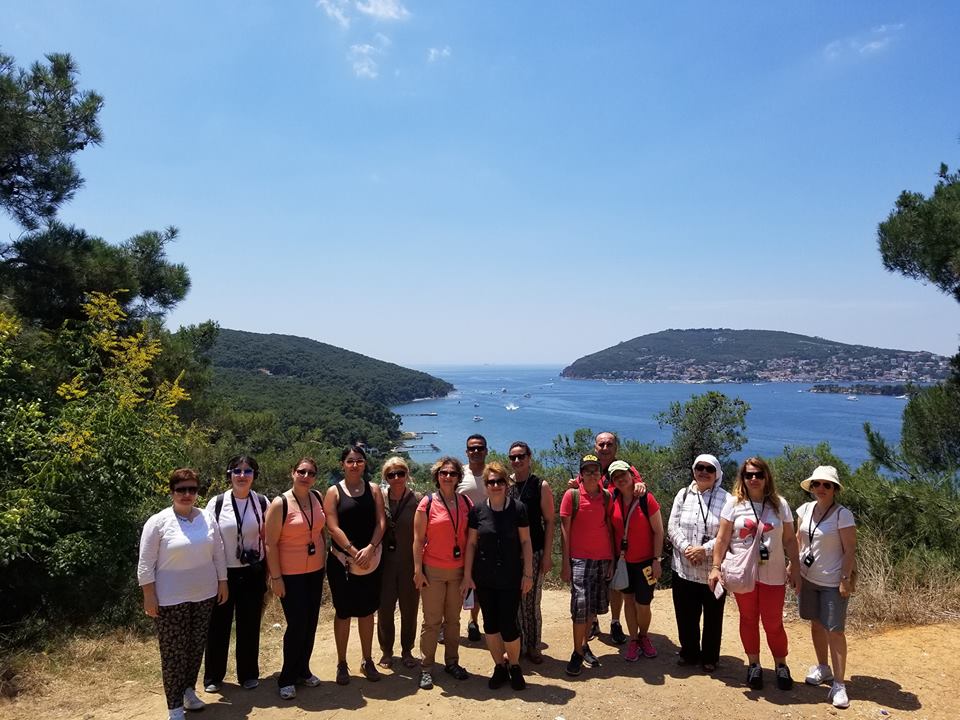
This article follows one three-station ruins route: an open excavation in the morning, a flight of shaded steps at midday, and a terrace above the city to close. Three units went out with the group — RC085 Digital Tour Guide System, RC2501 Wireless Tour Guide System, and RC2406 80-Channel 2.4G Tour Guide System. Nothing about the route is unusual. What is worth recording is where each unit earned its place, and where the real constraint of the day turned out to be something no data sheet lists.
🚀 Why the Group's Speed Decides the Kit
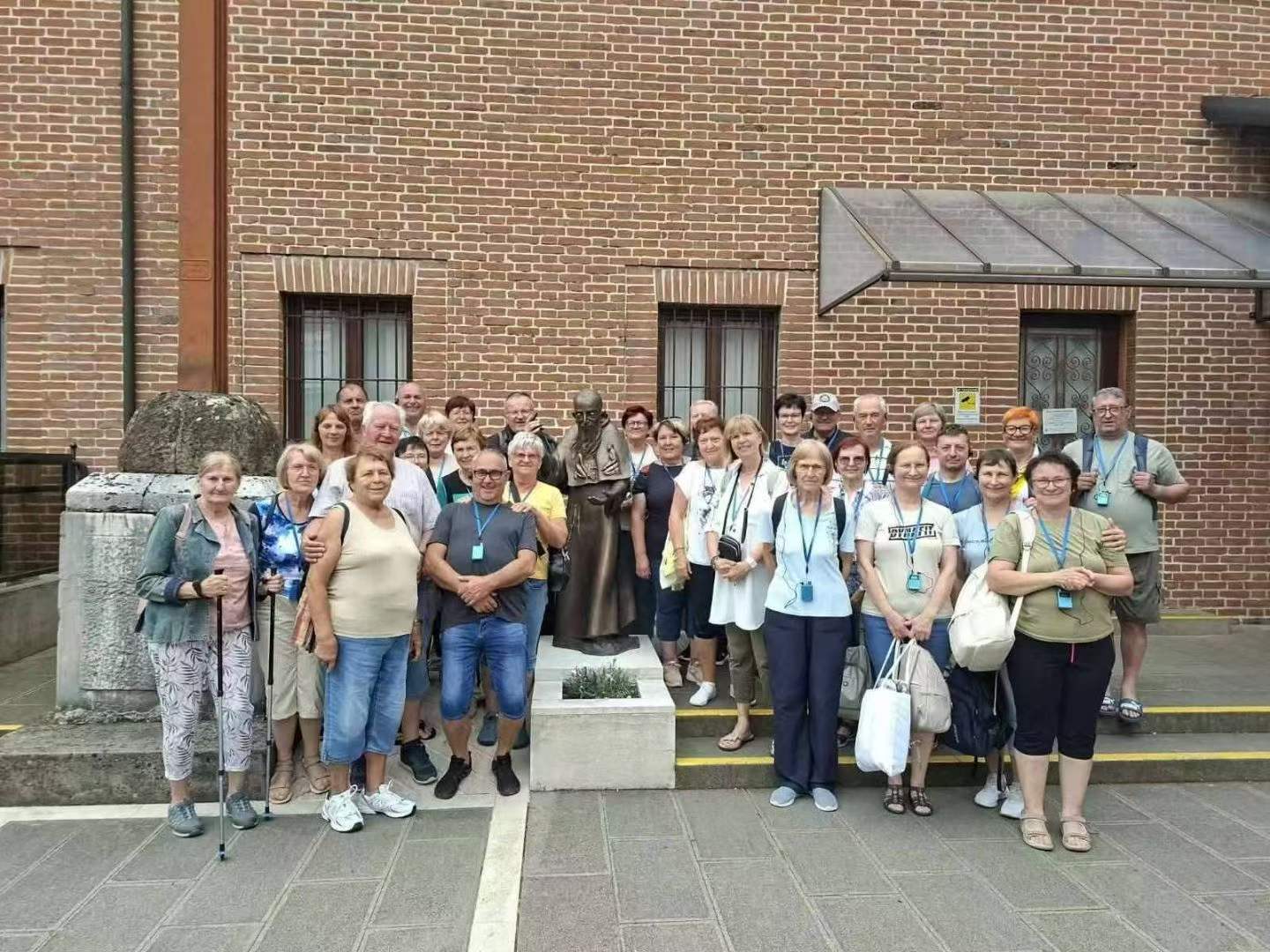
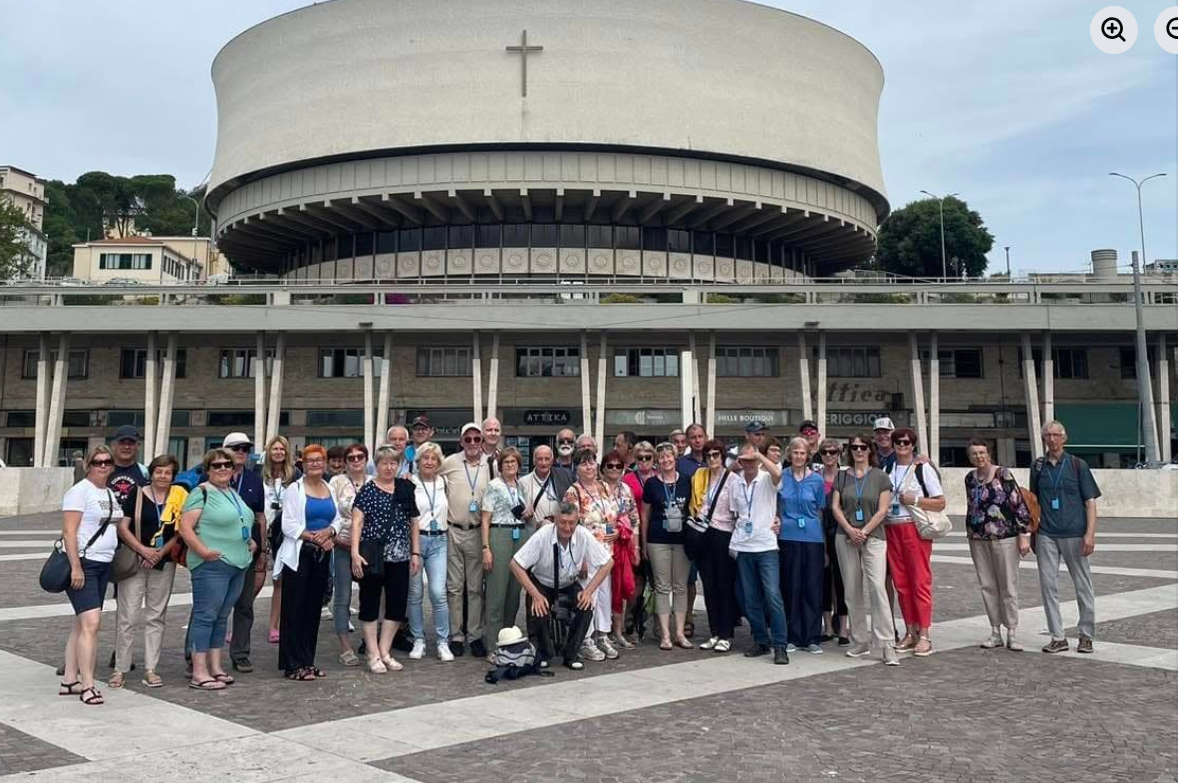
A fast group collapses into a tight cluster, and one transmitter covers everyone from almost anywhere. A slow group spreads out. Some walkers stop to photograph a fragment, others sit down on a low wall, and a few keep moving until they reach the next station two minutes early. By the time the guide starts talking, the group covers thirty metres instead of five, and it is rarely the same thirty metres twice. That spread is what wears a kit down — not the distance from the transmitter, which here rarely exceeds forty metres, but the number of separate positions the audio must reach at once.
Station One: The Open Square
The first station is the hardest acoustically and the easiest to plan for. An open excavation has no walls to throw sound back, but it has crowds, wind, and a guide keeping twenty people inside a boundary rope. The RC085 was chosen here for two reasons: it works on 470-510 MHz rather than 2.4 GHz, and it carries 100 channels. The UHF band behaves better when a group spreads across open ground while other tour parties work the same site on their own transmitters, since a hundred channels means a clean one is almost always free. The transmitter is rated at 12 hours and the receivers at 20, and output sits at 8-10mW.
Station Two: Steps, Shade and a Sit-Down
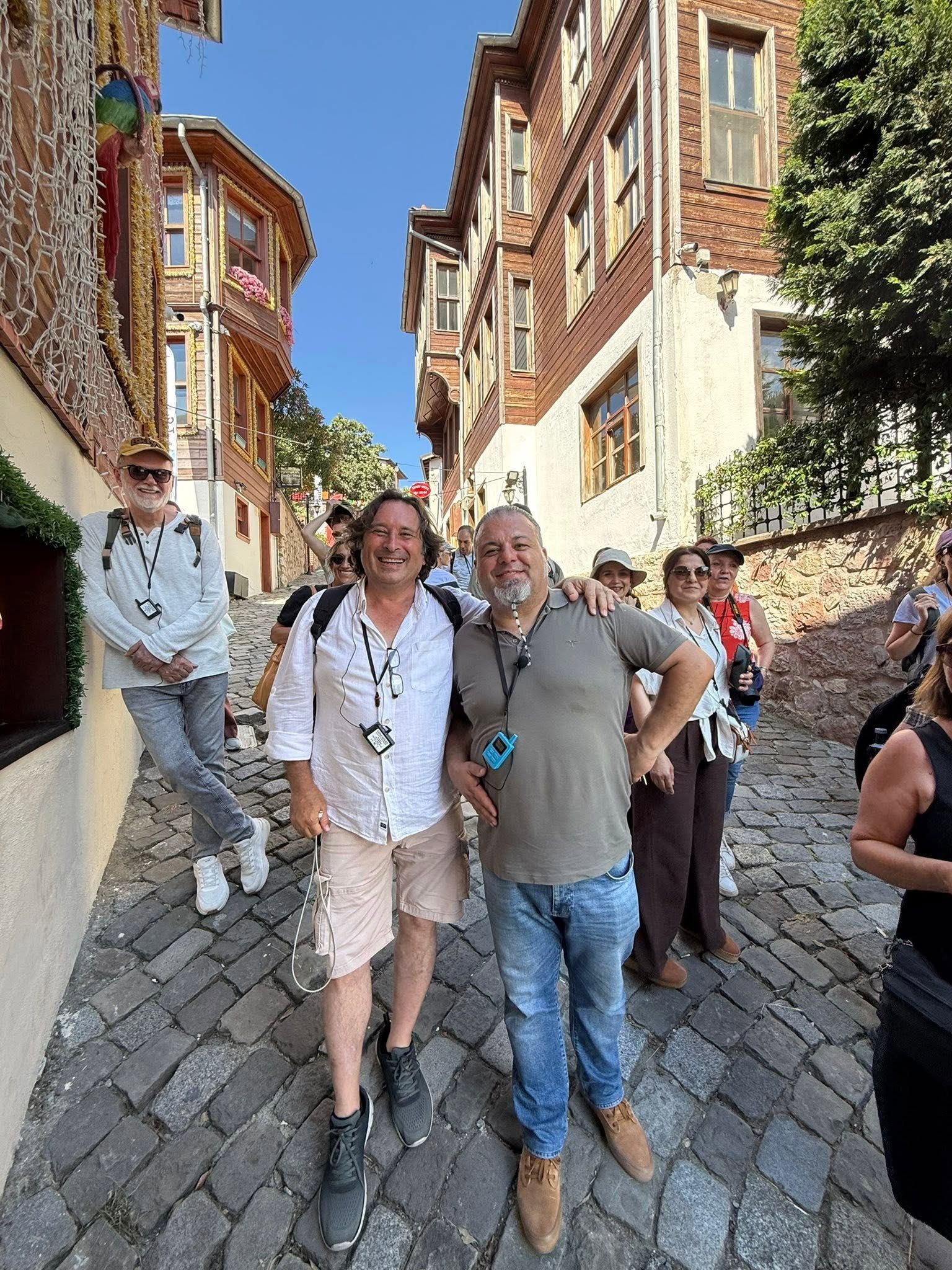
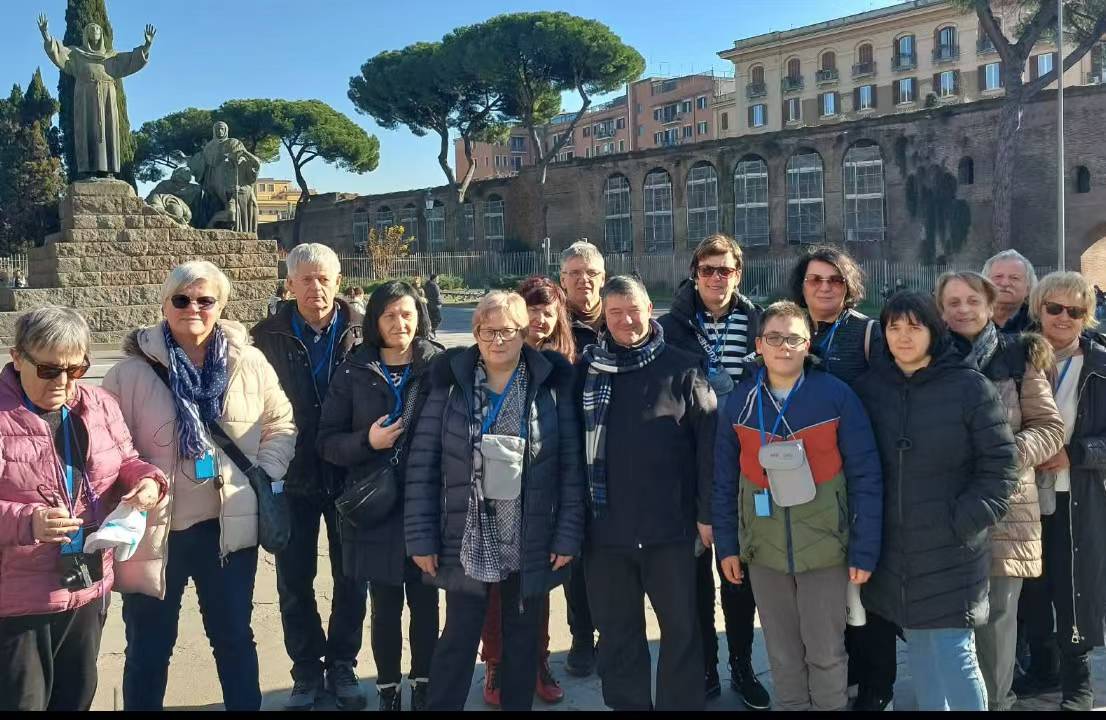
The middle station is where the group stops moving in any organised way. Steps force a single file, shade invites a pause, and the walking tour becomes a seated talk for twenty minutes. This is where a receiver is worn rather than carried, so weight stops being a specification and starts being a complaint. The RC2501 is the lightest unit in the kit at 47 grams for both transmitter and receiver, and its receivers are rated at 35+ hours against the transmitter's 15 — the margin that makes a long seated stop comfortable. It charges over Type-C, works on 2.4 GHz, and can take an optional headset or lavalier microphone, with a MIC sensitivity of roughly -38dBm.
Station Three: The Terrace Above the City
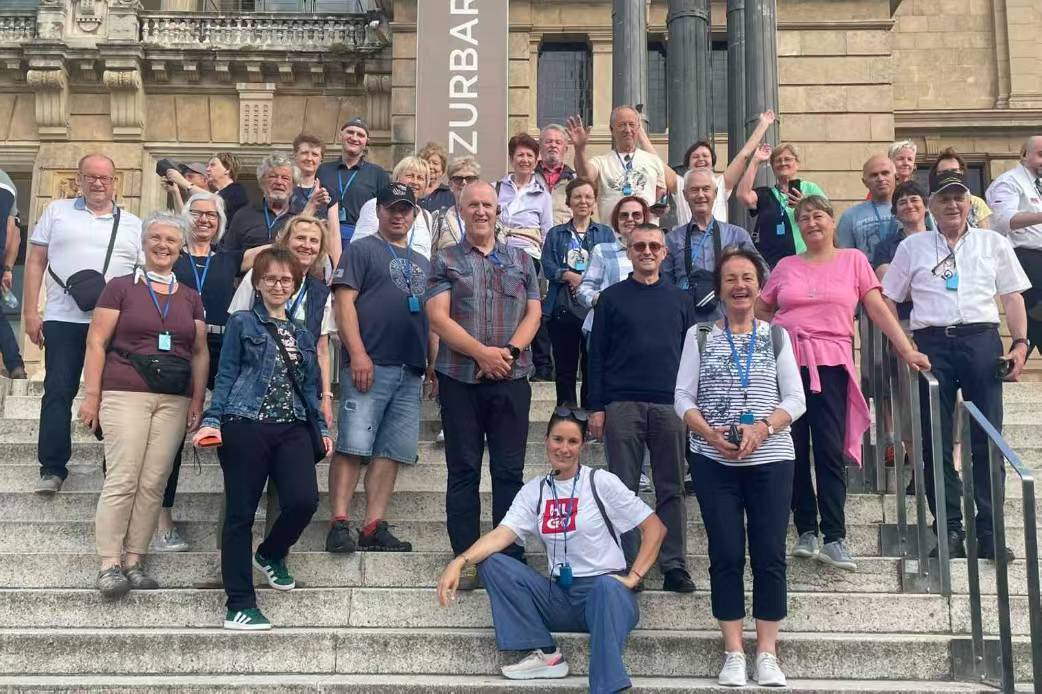
The closing station sits higher than anything around it, which changes two things at once: wind arrives from every direction, and the group stretches along a parapet instead of standing in a block. The RC2406 was used here. Its 80 channels and 2.4 GHz operation handle a stretched line of listeners better than a narrow-band alternative, because adjacent groups can be given a channel each. The transmitter runs 10 hours and the receivers 20, which suits a station that runs for an hour. It weighs 59 grams at the transmitter and 50 at the receiver, and charges from a DC port rather than a USB connector.
What Each Unit Carries on the Day
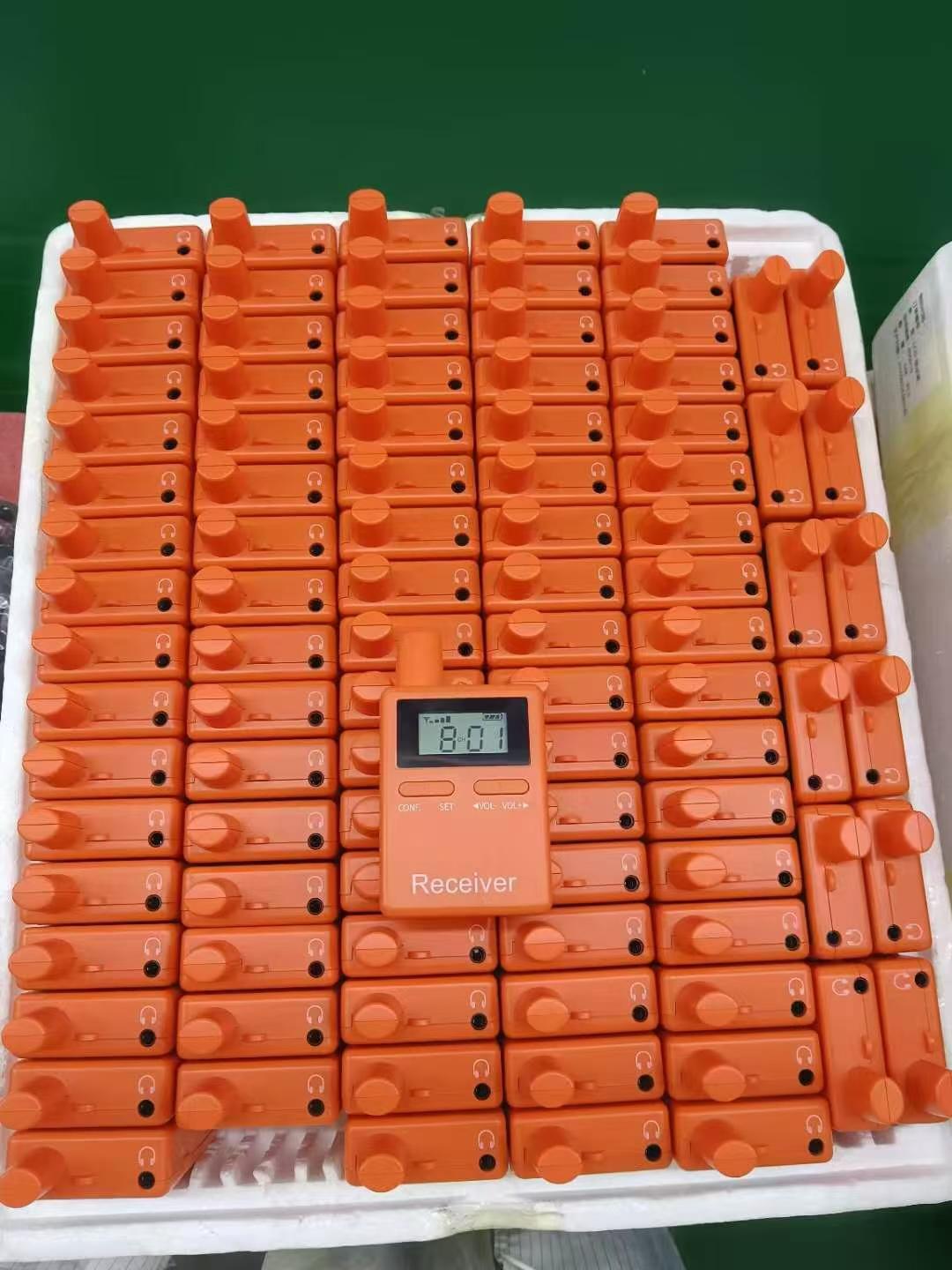
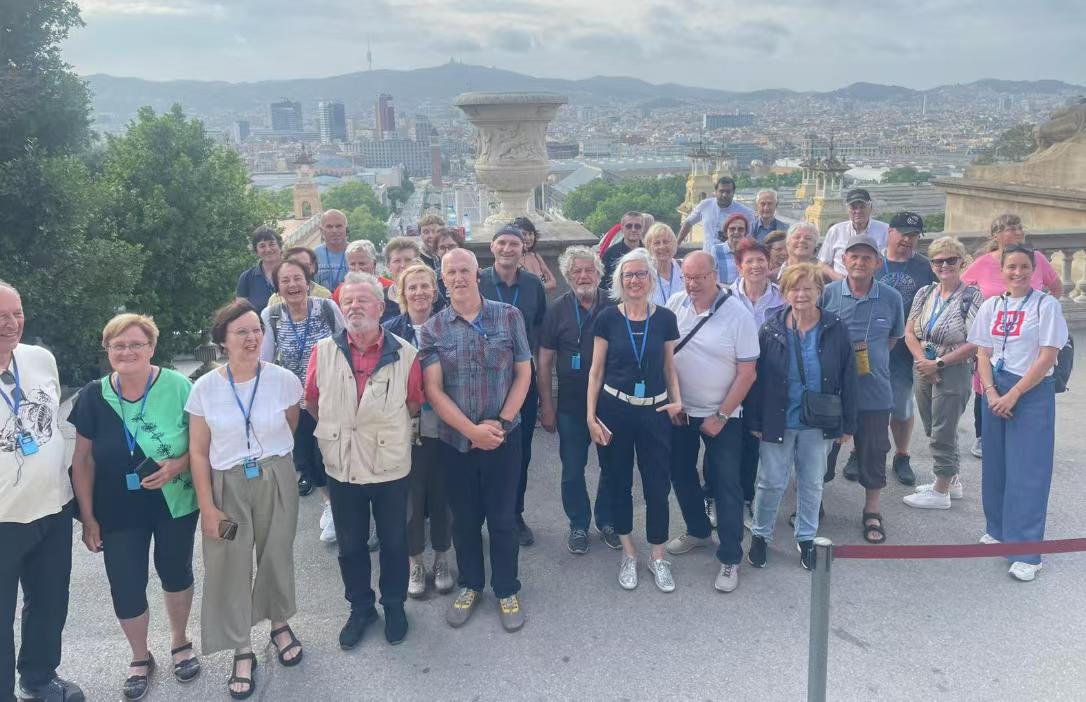
The three units are not interchangeable, and the table below is the reason. Read it as a division of labour rather than a ranking: each column answers a different question about the same route.
| Specification | RC085 | RC2501 | RC2406 |
|---|---|---|---|
| Core frequency band | 470-510 MHz (UHF) | 2403-2483 MHz | 2403-2483 MHz |
| Number of channels | 100 | 50 | 80 |
| Output power | 8-10mW | 13mW | 10mW |
| Transmitter battery life | 12h | 15h | 10h |
| Receiver battery life | 20h | 35+h | 20h |
| Transmitter weight | 65g | 47g | 59g |
| Receiver weight | 60g | 47g | 50g |
| Charging port | USB | Type-C | DC port |
Two rows deserve a second look. The receiver weights separate the kit into a light option and a standard one, and the receiver battery lives differ by more than fifteen hours between the middle column and the other two. Neither figure appears on the product page of every model, which is why the table is worth keeping for the next route.
Two Numbers That Matter More Than Range
Every unit here carries a transmission distance of 1-200 metres, so range is not what separates them on a site this size. What separates them is what the walker feels and what the planner has to charge. On the walker's side, the difference between a 47-gram receiver and a 60-gram receiver is the difference between forgetting you are wearing it and adjusting the lanyard every ten minutes. Over a three-station day that is not a small thing, and it is invisible in any brochure.
On the planner's side, the number that matters is the receiver battery figure against the length of the day. A 35+ hour receiver and a 20 hour receiver look similar on a four-hour route. They stop looking similar when the same kit is booked for a second day without a full recharge cycle, or when a station overruns. The safe habit is to size the kit by the weakest receiver in it, not the strongest.
Where the Audio Thins Out
Three places on this route produced complaints, and only one of them was electronic. The first was the open excavation, where wind crossing an exposed plate lifts the noise floor for anyone wearing an ear-hook receiver without a windscreen. The second was the shaded steps, where a stone wall on one side throws a late reflection that makes the guide's voice sound doubled to the walkers at the back. The third was the terrace, where the group spread along a parapet and the far end lost the first two or three words of every sentence — a position problem, not a signal problem.
None of the three needed new equipment. The fixes were a windscreen on the exposed station, moving the seated group two steps away from the wall, and asking the guide to hold the first sentence until the stragglers arrived. A kit can only be as good as the standing plan around it, and on a slow route the standing plan changes every twenty minutes.
Repeating the Day With Fewer Units
If the same route runs again, the kit can be cut down. Two units are enough for most three-station heritage walks: one light receiver set for the seated middle station, and one wide-channel set for the open and elevated stations where the group spreads. The third unit is only justified when two stations run at the same time or when two languages are in play, which did not happen on this day.
What should be written down before the next booking is not the equipment list but the timing: how long each stop actually ran, where the group stood, and which station produced the complaints. Those three lines do more for the next route than any specification table. If a similar walk is being planned, the city tour audio solutions page covers the standing plans that work on urban and heritage routes, and the case archive at Richitek customer cases has the operator write-ups. The full wireless tour guide system range is listed with the channel counts and battery figures used above.