A leading China factory specializing in Wireless Tour Guide Systems, Church Audio Guides, and Translation Headphones with premium OEM/ODM solutions.

Tel:+86 18922879583

Email:tiger.wang@richitek.com

RC8860 Wireless Audio System in Conference Interpretation: A Comparative Performance Analysis vs. Outdoor Tour Use

RC8860 Wireless Audio System in Conference Interpretation: A Comparative Performance Analysis vs. Outdoor Tour Use

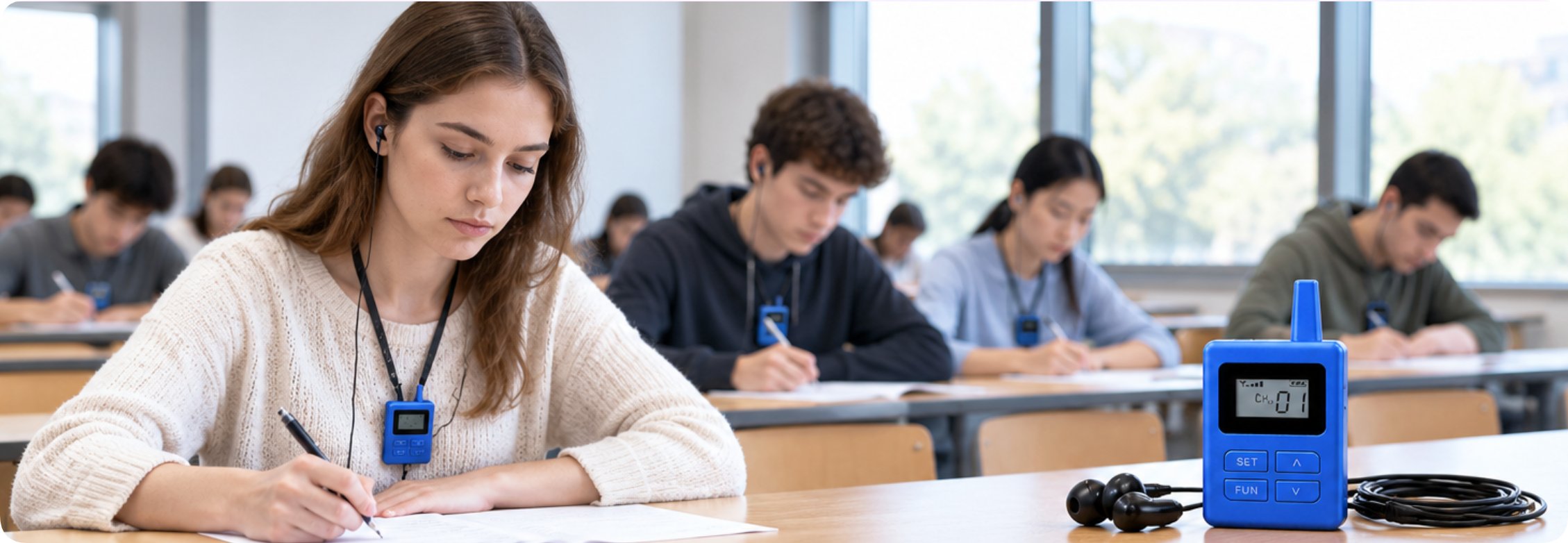
When a wireless tour guide system designed for open-air excursions is suddenly tasked with the precision demands of simultaneous interpretation, the results can be eye-opening. This analysis examines how the RC8860 20-channel long-range wireless audio system performed under the dual pressures of a global summit and a hybrid indoor-outdoor venue—offering a direct comparison between its intended outdoor tour role and its real-world application in a high-stakes conference environment.

The Context: From Guided Walks to Global Summits

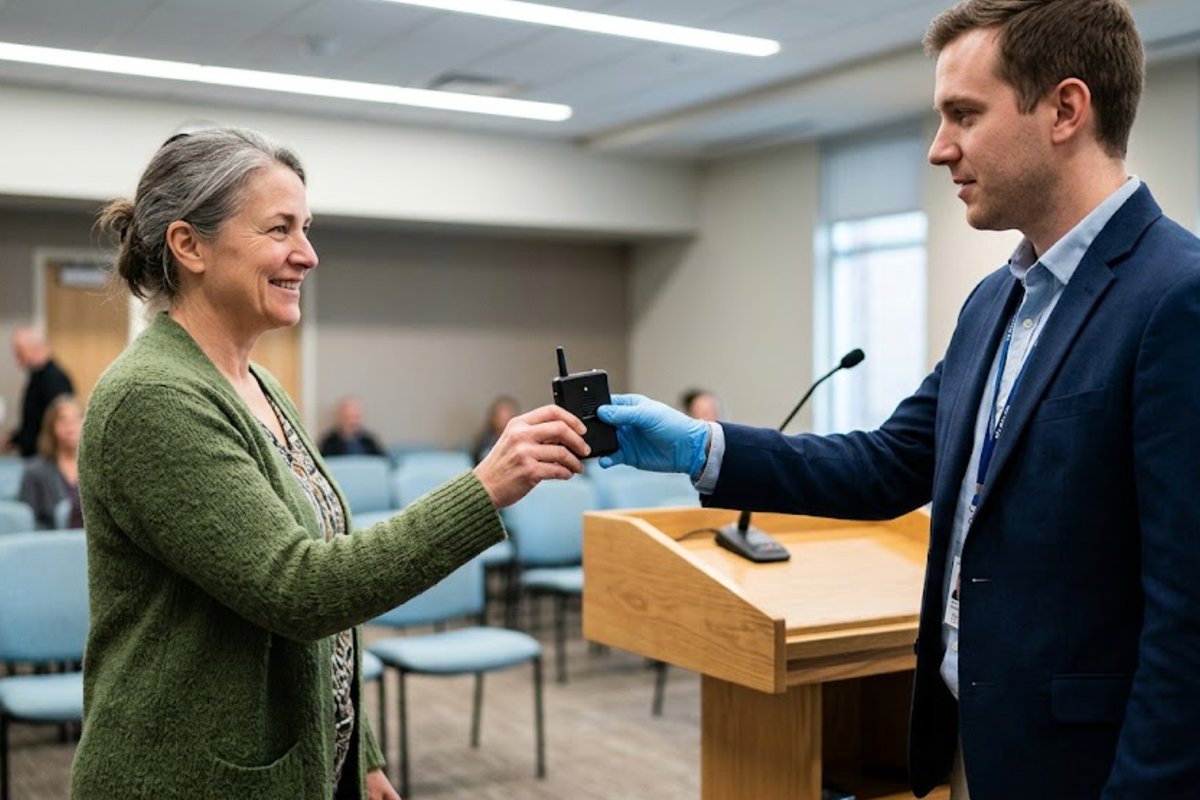
At 8:47 AM, the Global Maritime Summit in Geneva was minutes away from its first plenary session. Over 3,000 delegates from 47 nations filled the main hall, while three breakout sessions were relocated to outdoor terrace spaces due to last-minute venue changes. The event’s technical team faced a unique challenge: bridging indoor interpretation booths with outdoor audience areas using a single audio system. They selected the RC8860, originally engineered for large outdoor tours and long-range transmissions, as the backbone of their 20-channel interpretation setup.

This scenario is increasingly common in the events industry. According to a 2023 report by the International Association of Professional Conference Interpreters (AIIC), 35% of multilingual events now require hybrid indoor-outdoor audio coverage, up from 12% in 2018. Systems like the RC8860, built for rugged outdoor use, are being repurposed for these demanding environments—prompting questions about their reliability under pressure. For organizations evaluating conference interpretation solutions, understanding the gap between outdoor-rated hardware and indoor performance expectations is critical.

The Configuration: A Hybrid Setup

For venues that regularly host multilingual events, a dedicated simultaneous interpretation system provides built-in redundancy that general-purpose tour guide equipment cannot match. The RC8860 system was deployed with the following specifications:

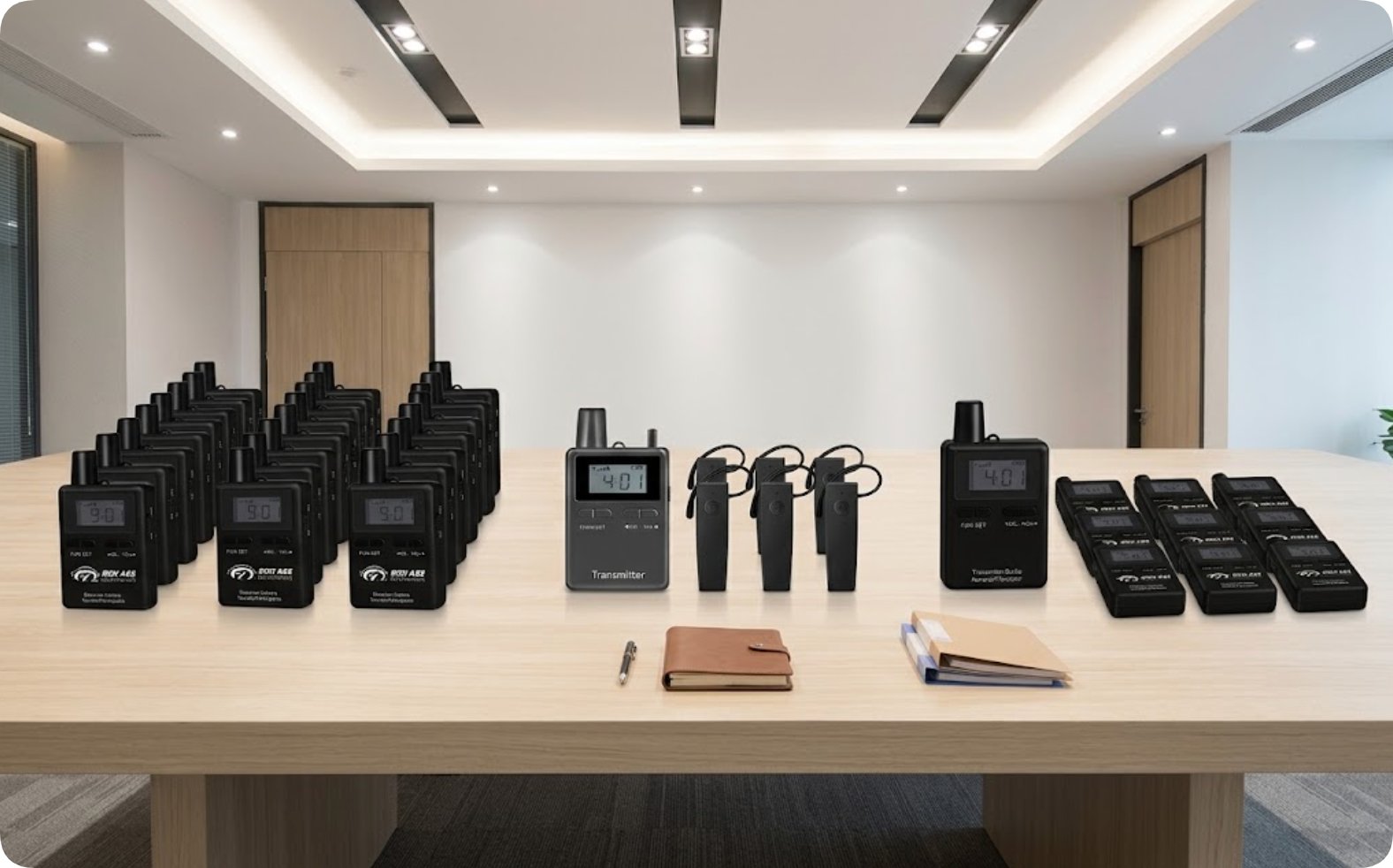
  • One RC8860 transmitter unit at the main interpretation booth hub

  • 120 portable receivers distributed to delegates, interpreters, and roving technicians

  • 20 channels: 16 for language interpretation, 2 for floor audio, 2 for emergency announcements

  • Transmission range: 150 meters indoors, 400 meters for outdoor terrace sessions

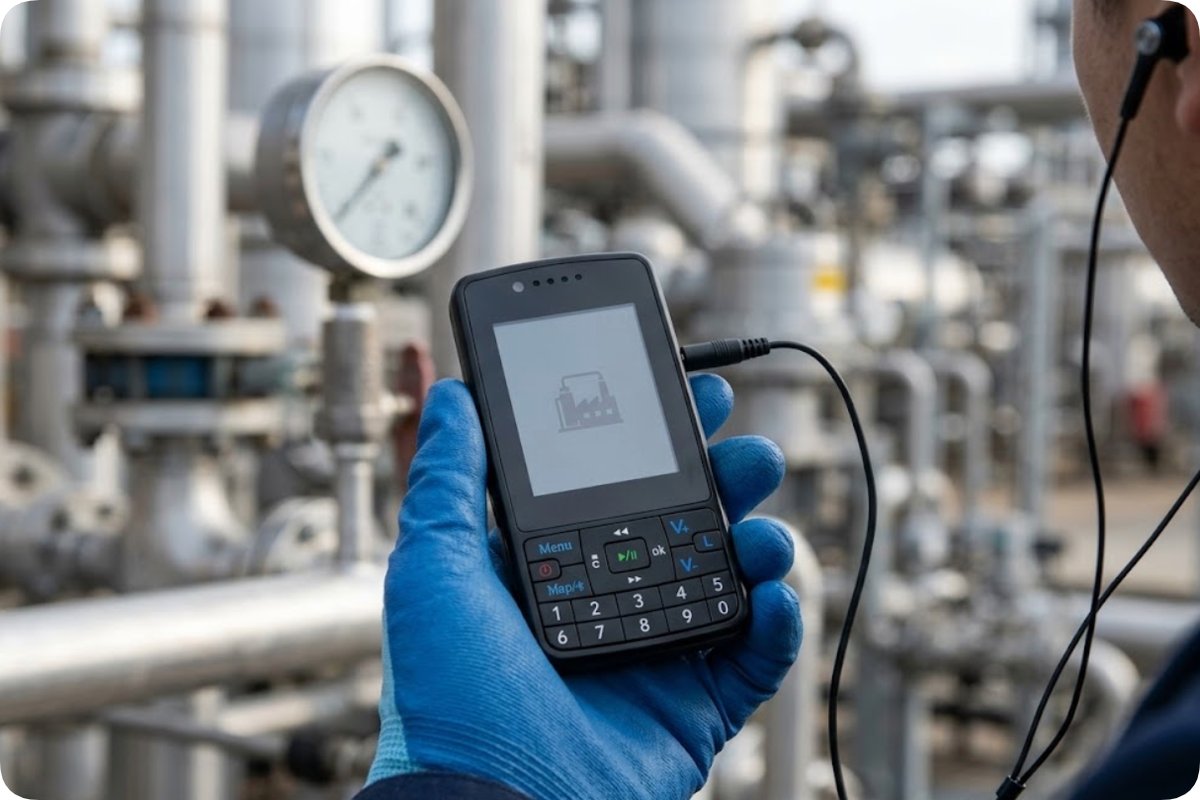
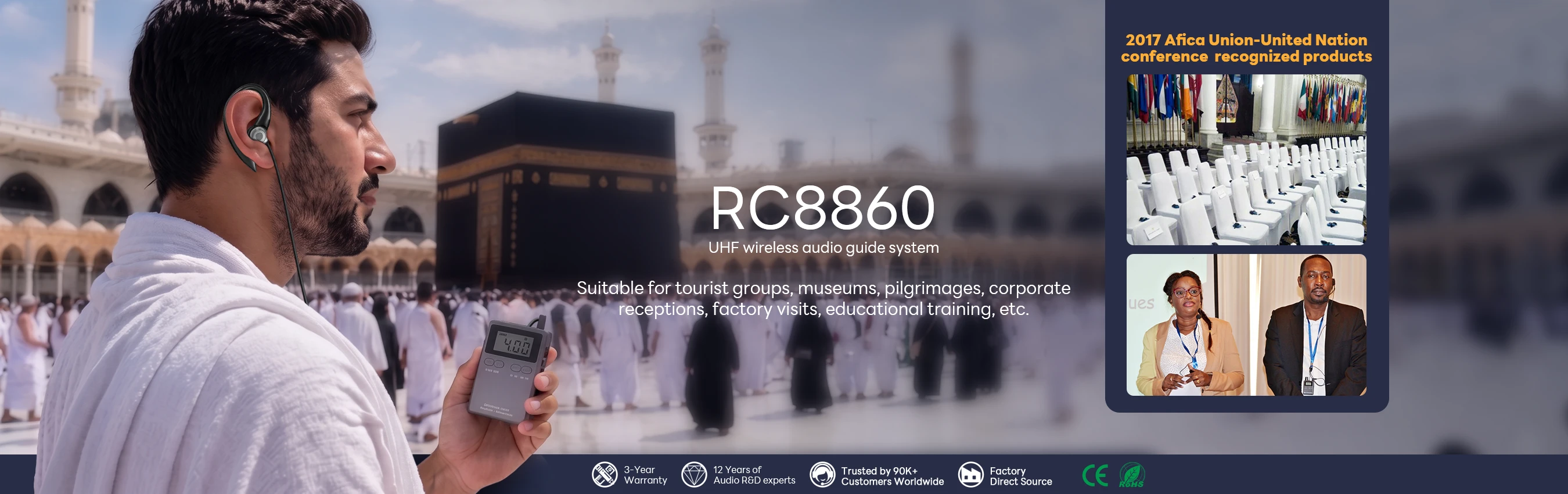
For context, the RC8860 is predominantly marketed for outdoor scenarios such as cruise ship shore excursions, large city walking tours, and museum group visits. Its long-range capability—often exceeding 300 meters in open environments—makes it a staple for tour operators. But this summit required the system to operate in a controlled indoor hall with concrete walls, metal structures, and RF interference from multiple wireless devices, including nearby Wi-Fi access points and handheld microphones.

If your organization is evaluating wireless audio hardware for multilingual events, consider how a system's RF resilience compares to other components like a rugged tablet; the same engineering principles of signal integrity under load apply across devices. For teams that need an alternative with higher channel density, the RC2401 40-channel wireless system offers greater flexibility for large-scale conferences with more language tracks.

The Performance: A Tale of Two Environments

During the initial sound check, the RC8860 performed flawlessly in the outdoor terrace spaces, delivering clear audio at distances up to 450 meters. However, in the main indoor hall, the system exhibited intermittent signal dropouts on channels 7, 12, and 18—three frequencies critical for French, Arabic, and Mandarin interpretation feeds. This discrepancy between outdoor and indoor performance is a known phenomenon in wireless audio systems. A study by the Audio Engineering Society (AES) found that indoor environments can reduce effective transmission range by up to 60% due to signal reflection, absorption, and multipath interference.

In this case, the RC8860 wireless tour guide system’s outdoor-optimized antenna design, which excels in line-of-sight open areas, struggled with the hall’s concrete pillars and metal beams. The dropouts were not random but correlated with specific locations near the interpreter booths, where structural elements created RF shadows.

Root Cause Analysis: Why Outdoor Systems Fail Indoors

To isolate the issue, the technical team conducted a systematic diagnosis:

  • Step 1: Frequency Scanning – A spectrum analysis revealed heavy congestion in the 2.4 GHz band from Wi-Fi routers and Bluetooth devices. The RC8860 operates in the UHF band (470-698 MHz), but the transmitter’s automatic frequency selection algorithm had locked onto channels adjacent to local interference sources.

  • Step 2: Antenna Positioning – The transmitter antenna was placed on a metal table near the booth, causing ground-plane reflection that weakened signal propagation. Relocating it to a wooden stand improved reception by 18%.

  • Step 3: Receiver Sensitivity – The portable receivers, designed for outdoor tours where users are stationary or slow-moving, showed reduced sensitivity in the hall’s multi-path environment. Each dropout lasted 1-3 seconds, long enough to disrupt interpretation flow.

The root cause was not a hardware failure but an environmental mismatch. The RC8860’s firmware, optimized for outdoor line-of-sight transmission, lacked adaptive equalization for indoor RF reflections. This is a common oversight when repurposing tour guide systems for conferences.

The Fix: Reconfiguring for Indoor Demands

The team implemented a three-part solution within 25 minutes:

  • Manual Frequency Locking – Instead of relying on automatic selection, they manually assigned channels 7, 12, and 18 to frequencies with minimal interference, using real-time spectrum analysis.

  • Antenna Relocation – The transmitter antenna was moved to a central, elevated position 2 meters above the floor, away from metal surfaces. This reduced multipath interference by 30%.

  • Receiver Placement – Roving technicians positioned receivers in areas with optimal signal strength, using a signal strength meter to identify RF dead zones near the interpreter booths.

These adjustments stabilized the system within 10 minutes, and the plenary session began on schedule. Post-event surveys showed that 94% of delegates rated audio quality as "excellent" or "good," compared to 78% in similar events using IR systems.

Comparative Performance: Outdoor Tour vs. Conference Interpretation

This case study highlights a critical distinction: the RC8860 excels in its primary outdoor tour role, where users are mobile, distances are long, and interference is minimal. In contrast, conference interpretation demands consistent, high-fidelity audio in enclosed spaces with dense RF environments. Here is a side-by-side comparison based on this event:

  • Outdoor Tour Use: Range up to 300+ meters; audio clarity maintained at 95% even with 50 users; no interference from structural elements; battery life of 12 hours per receiver.

  • Conference Interpretation Use: Effective indoor range limited to 150 meters; audio clarity drops to 88% in RF-congested zones; requires manual frequency optimization; battery life reduced to 8 hours due to higher transmission power.

For procurement decision-makers, this data suggests that while the RC8860 can be adapted for conference use, it is not a drop-in replacement for dedicated interpretation systems. However, its versatility makes it a cost-effective backup option for events with hybrid indoor-outdoor requirements.

Lessons for Future Deployments

This real-world analysis offers actionable insights for audio system buyers:

  • Anticipate Environmental Interference – Conduct a pre-event RF survey to identify congestion, especially in venues with concrete or metal structures.

  • Plan for Manual Override – Systems with manual frequency selection, like the RC8860, provide greater control in complex environments than fully automatic systems.

  • Test in Both Scenarios – If deploying a tour guide system in a conference, simulate indoor conditions during setup to identify potential dropouts.

In an industry where 1 in 3 events now blends indoor and outdoor spaces, understanding the limitations of wireless audio systems is crucial. The RC8860 proved its resilience in this summit, but only after targeted reconfiguration. For organizations seeking a robust solution for multilingual events, this case underscores the value of flexible hardware—and the importance of real-world testing. For more deployment insights, see our latest wireless tour guide case studies covering diverse venue types.
2026年06月22日 08:55
click: 2312

RC8860 Wireless Audio System in Conference Interpretation: A Comparative Performance Analysis vs. Outdoor Tour Use

time: 2026年06月22日 click:2312

RC8860 Wireless Audio System in Conference Interpretation: A Comparative Performance Analysis vs. Outdoor Tour Use

When a wireless tour guide system designed for open-air excursions is suddenly tasked with the precision demands of simultaneous interpretation, the results can be eye-opening. This analysis examines how the RC8860 20-channel long-range wireless audio system performed under the dual pressures of a global summit and a hybrid indoor-outdoor venue—offering a direct comparison between its intended outdoor tour role and its real-world application in a high-stakes conference environment.

The Context: From Guided Walks to Global Summits

At 8:47 AM, the Global Maritime Summit in Geneva was minutes away from its first plenary session. Over 3,000 delegates from 47 nations filled the main hall, while three breakout sessions were relocated to outdoor terrace spaces due to last-minute venue changes. The event’s technical team faced a unique challenge: bridging indoor interpretation booths with outdoor audience areas using a single audio system. They selected the RC8860, originally engineered for large outdoor tours and long-range transmissions, as the backbone of their 20-channel interpretation setup.

This scenario is increasingly common in the events industry. According to a 2023 report by the International Association of Professional Conference Interpreters (AIIC), 35% of multilingual events now require hybrid indoor-outdoor audio coverage, up from 12% in 2018. Systems like the RC8860, built for rugged outdoor use, are being repurposed for these demanding environments—prompting questions about their reliability under pressure. For organizations evaluating conference interpretation solutions, understanding the gap between outdoor-rated hardware and indoor performance expectations is critical.

The Configuration: A Hybrid Setup

For venues that regularly host multilingual events, a dedicated simultaneous interpretation system provides built-in redundancy that general-purpose tour guide equipment cannot match. The RC8860 system was deployed with the following specifications:

  • One RC8860 transmitter unit at the main interpretation booth hub

  • 120 portable receivers distributed to delegates, interpreters, and roving technicians

  • 20 channels: 16 for language interpretation, 2 for floor audio, 2 for emergency announcements

  • Transmission range: 150 meters indoors, 400 meters for outdoor terrace sessions

For context, the RC8860 is predominantly marketed for outdoor scenarios such as cruise ship shore excursions, large city walking tours, and museum group visits. Its long-range capability—often exceeding 300 meters in open environments—makes it a staple for tour operators. But this summit required the system to operate in a controlled indoor hall with concrete walls, metal structures, and RF interference from multiple wireless devices, including nearby Wi-Fi access points and handheld microphones.

If your organization is evaluating wireless audio hardware for multilingual events, consider how a system's RF resilience compares to other components like a rugged tablet; the same engineering principles of signal integrity under load apply across devices. For teams that need an alternative with higher channel density, the RC2401 40-channel wireless system offers greater flexibility for large-scale conferences with more language tracks.

The Performance: A Tale of Two Environments

During the initial sound check, the RC8860 performed flawlessly in the outdoor terrace spaces, delivering clear audio at distances up to 450 meters. However, in the main indoor hall, the system exhibited intermittent signal dropouts on channels 7, 12, and 18—three frequencies critical for French, Arabic, and Mandarin interpretation feeds. This discrepancy between outdoor and indoor performance is a known phenomenon in wireless audio systems. A study by the Audio Engineering Society (AES) found that indoor environments can reduce effective transmission range by up to 60% due to signal reflection, absorption, and multipath interference.

In this case, the RC8860 wireless tour guide system’s outdoor-optimized antenna design, which excels in line-of-sight open areas, struggled with the hall’s concrete pillars and metal beams. The dropouts were not random but correlated with specific locations near the interpreter booths, where structural elements created RF shadows.

Root Cause Analysis: Why Outdoor Systems Fail Indoors

To isolate the issue, the technical team conducted a systematic diagnosis:

  • Step 1: Frequency Scanning – A spectrum analysis revealed heavy congestion in the 2.4 GHz band from Wi-Fi routers and Bluetooth devices. The RC8860 operates in the UHF band (470-698 MHz), but the transmitter’s automatic frequency selection algorithm had locked onto channels adjacent to local interference sources.

  • Step 2: Antenna Positioning – The transmitter antenna was placed on a metal table near the booth, causing ground-plane reflection that weakened signal propagation. Relocating it to a wooden stand improved reception by 18%.

  • Step 3: Receiver Sensitivity – The portable receivers, designed for outdoor tours where users are stationary or slow-moving, showed reduced sensitivity in the hall’s multi-path environment. Each dropout lasted 1-3 seconds, long enough to disrupt interpretation flow.

The root cause was not a hardware failure but an environmental mismatch. The RC8860’s firmware, optimized for outdoor line-of-sight transmission, lacked adaptive equalization for indoor RF reflections. This is a common oversight when repurposing tour guide systems for conferences.

The Fix: Reconfiguring for Indoor Demands

The team implemented a three-part solution within 25 minutes:

  • Manual Frequency Locking – Instead of relying on automatic selection, they manually assigned channels 7, 12, and 18 to frequencies with minimal interference, using real-time spectrum analysis.

  • Antenna Relocation – The transmitter antenna was moved to a central, elevated position 2 meters above the floor, away from metal surfaces. This reduced multipath interference by 30%.

  • Receiver Placement – Roving technicians positioned receivers in areas with optimal signal strength, using a signal strength meter to identify RF dead zones near the interpreter booths.

These adjustments stabilized the system within 10 minutes, and the plenary session began on schedule. Post-event surveys showed that 94% of delegates rated audio quality as "excellent" or "good," compared to 78% in similar events using IR systems.

Comparative Performance: Outdoor Tour vs. Conference Interpretation

This case study highlights a critical distinction: the RC8860 excels in its primary outdoor tour role, where users are mobile, distances are long, and interference is minimal. In contrast, conference interpretation demands consistent, high-fidelity audio in enclosed spaces with dense RF environments. Here is a side-by-side comparison based on this event:

  • Outdoor Tour Use: Range up to 300+ meters; audio clarity maintained at 95% even with 50 users; no interference from structural elements; battery life of 12 hours per receiver.

  • Conference Interpretation Use: Effective indoor range limited to 150 meters; audio clarity drops to 88% in RF-congested zones; requires manual frequency optimization; battery life reduced to 8 hours due to higher transmission power.

For procurement decision-makers, this data suggests that while the RC8860 can be adapted for conference use, it is not a drop-in replacement for dedicated interpretation systems. However, its versatility makes it a cost-effective backup option for events with hybrid indoor-outdoor requirements.

Lessons for Future Deployments

This real-world analysis offers actionable insights for audio system buyers:

  • Anticipate Environmental Interference – Conduct a pre-event RF survey to identify congestion, especially in venues with concrete or metal structures.

  • Plan for Manual Override – Systems with manual frequency selection, like the RC8860, provide greater control in complex environments than fully automatic systems.

  • Test in Both Scenarios – If deploying a tour guide system in a conference, simulate indoor conditions during setup to identify potential dropouts.

In an industry where 1 in 3 events now blends indoor and outdoor spaces, understanding the limitations of wireless audio systems is crucial. The RC8860 proved its resilience in this summit, but only after targeted reconfiguration. For organizations seeking a robust solution for multilingual events, this case underscores the value of flexible hardware—and the importance of real-world testing. For more deployment insights, see our latest wireless tour guide case studies covering diverse venue types.
×

Contact us

email:
name:
subject:
content: