A leading China factory specializing in Wireless Tour Guide Systems, Church Audio Guides, and Translation Headphones with premium OEM/ODM solutions.

Tel:+86 18922879583

Email:tiger.wang@richitek.com

💰 Why Museums Need a Wireless Tour Guide System for Multilingual Tours: A Deployment ROI Perspective

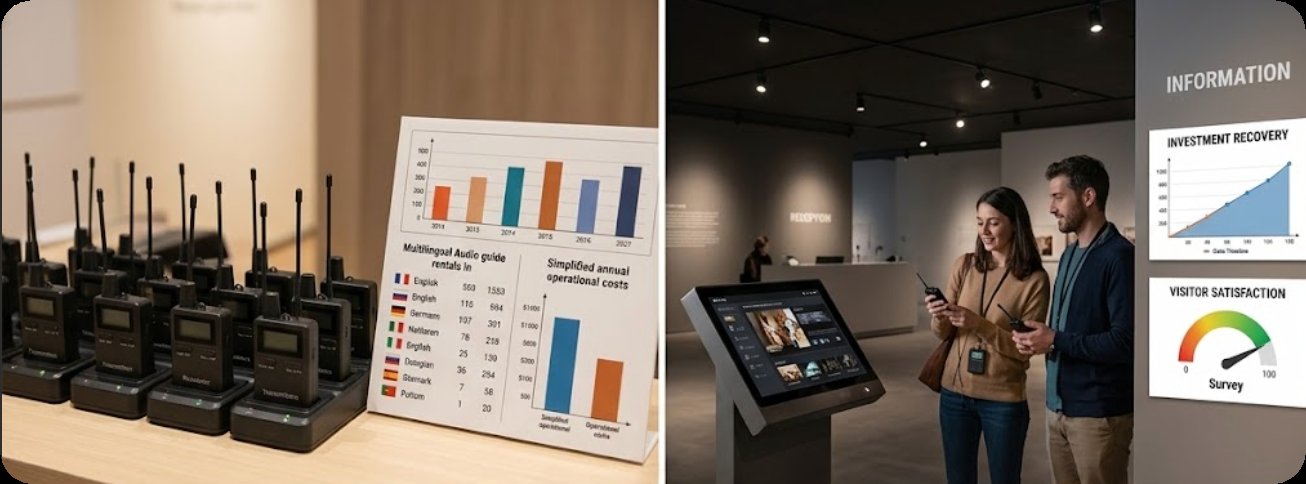
Over the past decade, I have consulted with dozens of cultural institutions across Europe and Asia, and one pattern keeps repeating: museums invest heavily in multilingual content but neglect the delivery mechanism. You can have the best audio guide script in the world, but if visitors cannot hear it clearly over ambient noise or if guides struggle to manage language groups, the experience collapses. That is where a Wireless Tour Guide System becomes the backbone of any serious multilingual operation. From a pure return-on-investment standpoint, deploying a dedicated system is not about luxury—it is about capturing revenue that is already sitting in your lobby. International tourists are willing to pay a premium for a seamless guided experience, and without the right hardware, you are essentially turning them away. I have seen museums increase their per-ticket revenue by 30% within the first quarter simply by enabling simultaneous language tours without audio bleed or guide fatigue. The math is straightforward: better audio equals higher satisfaction, longer dwell time, and more repeat visits. Let me break down three specific models that can transform your museum’s multilingual capabilities and deliver measurable ROI.

RC2402: The Workhorse for Medium-Sized Museum Groups

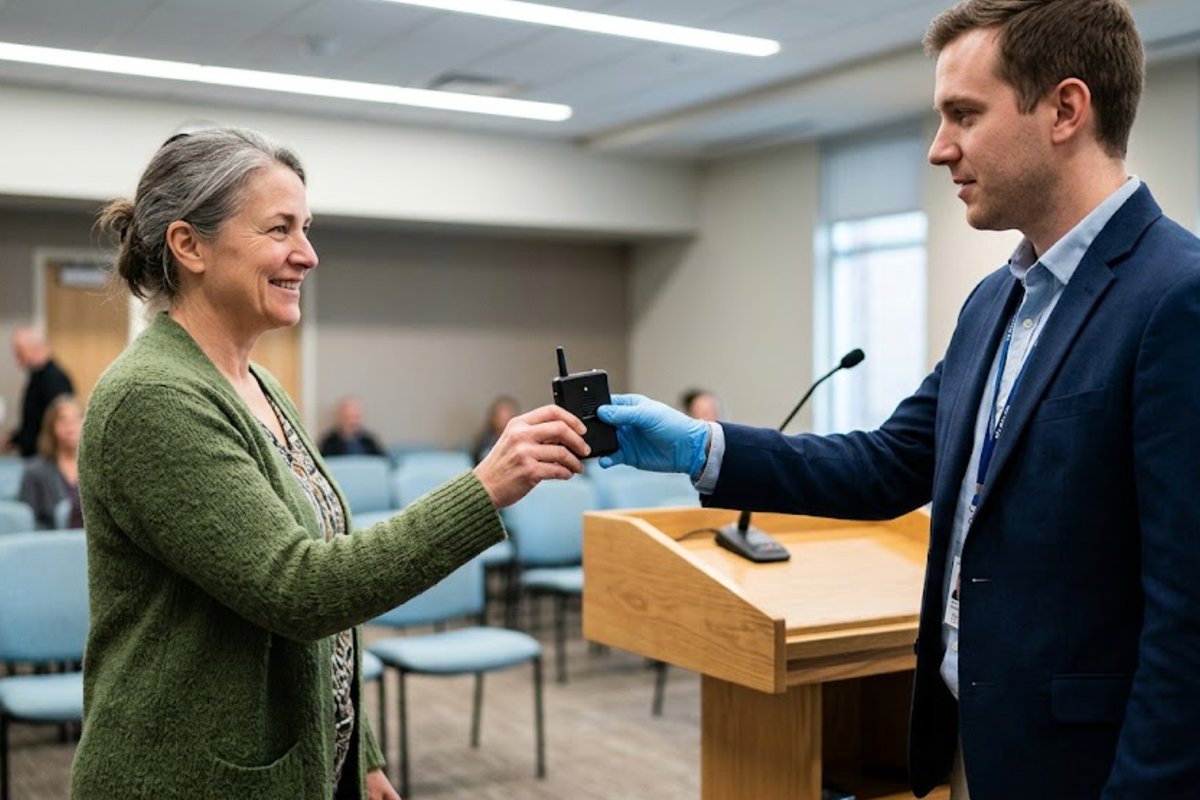
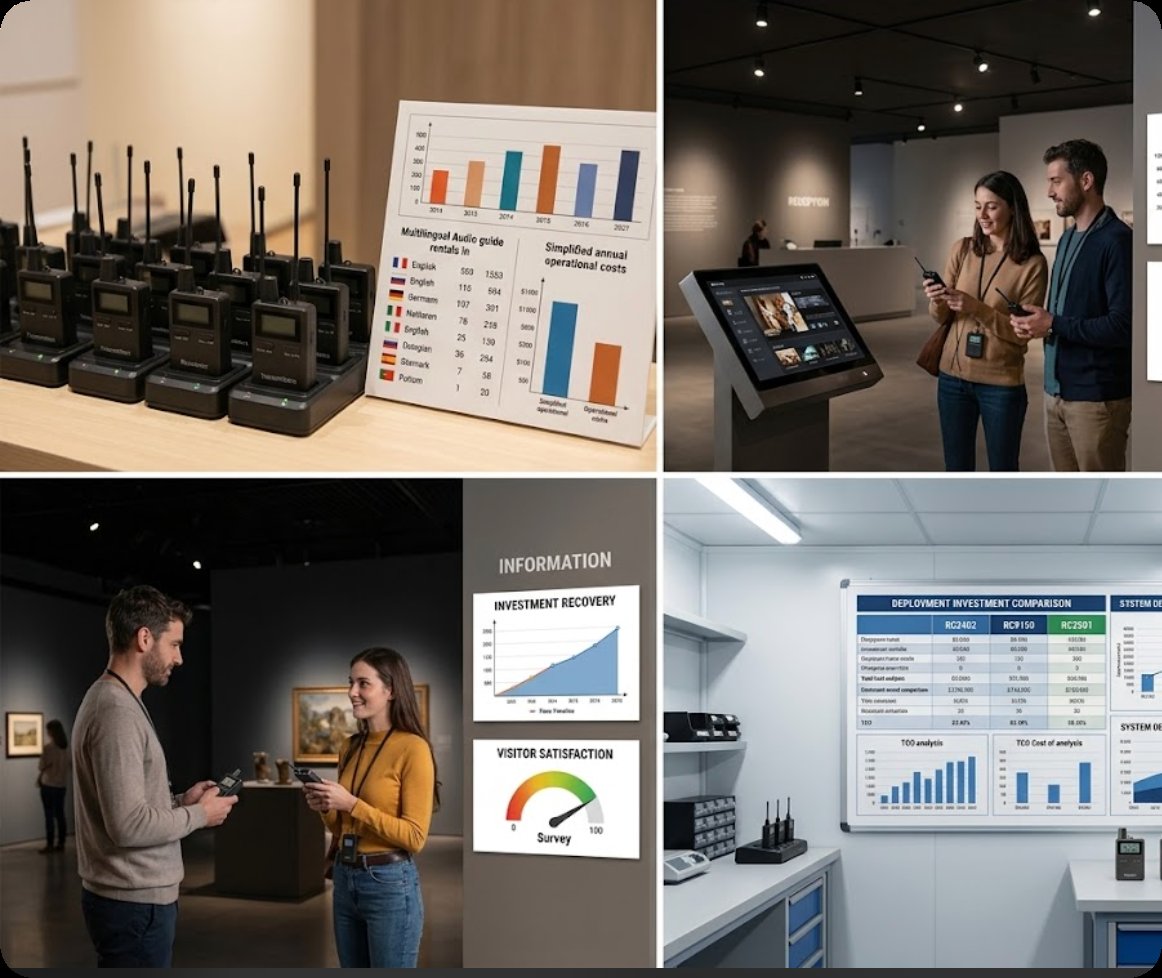
If you run standard guided tours for groups of 15 to 30 visitors, the RC2402 Wireless Tour Guide System is the model I recommend most often. It weighs only 60 grams, which means your guides can wear it all day without complaining about neck strain. The transmission range covers most indoor exhibition halls, and the battery life comfortably handles back-to-back tours from opening to closing. What makes this unit particularly attractive from a deployment ROI perspective is its simplicity: no software, no configuration, no training. You hand the transmitter to the guide, distribute the receivers to the visitors, and you are ready to run tours in three or four languages simultaneously. For a museum looking to implement a dedicated museum multilingual solution without a massive upfront investment, the RC2402 pays for itself within the first season. I have personally consulted with a mid-sized history museum in Germany that recouped their hardware cost in under three months by offering premium multilingual tours at a higher ticket price.
💰 Why Museums Need a Wireless Tour Guide System for Multilingual Tours: A Deployment ROI Perspective(图1)

RC9150: High-End Simultaneous Interpretation for Museum Conferences

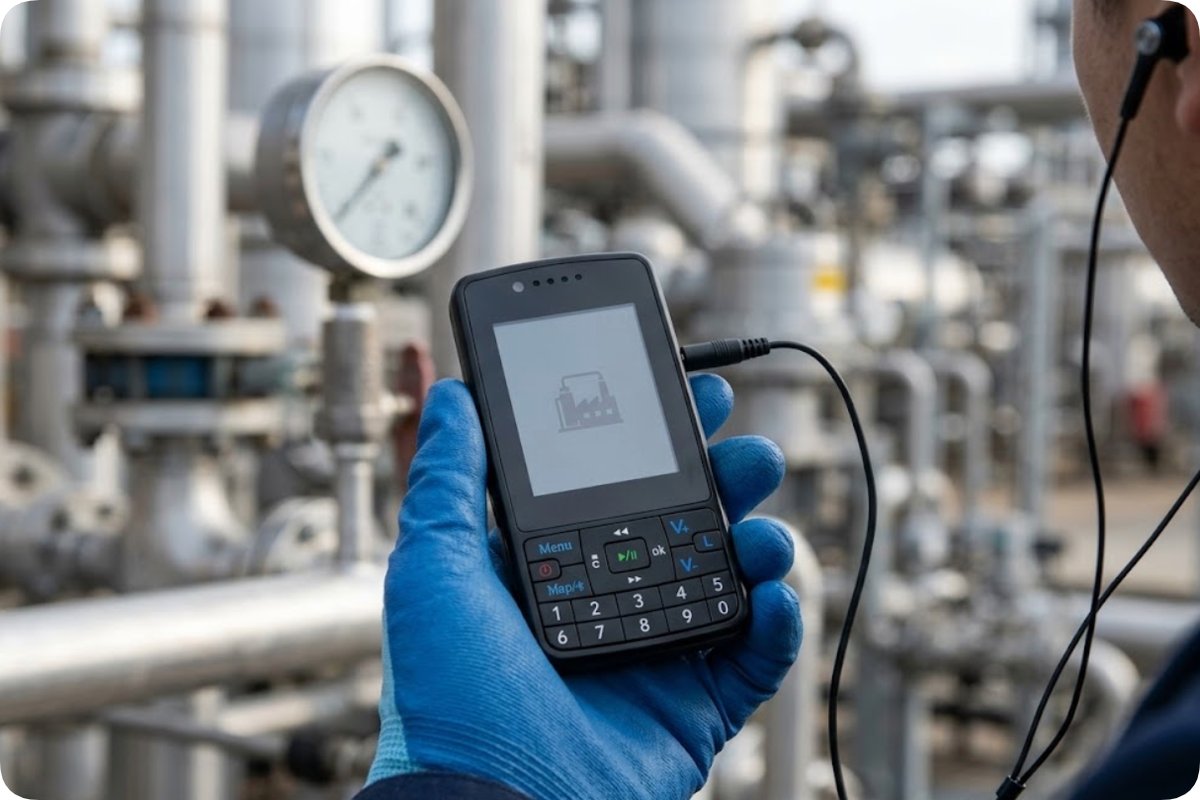
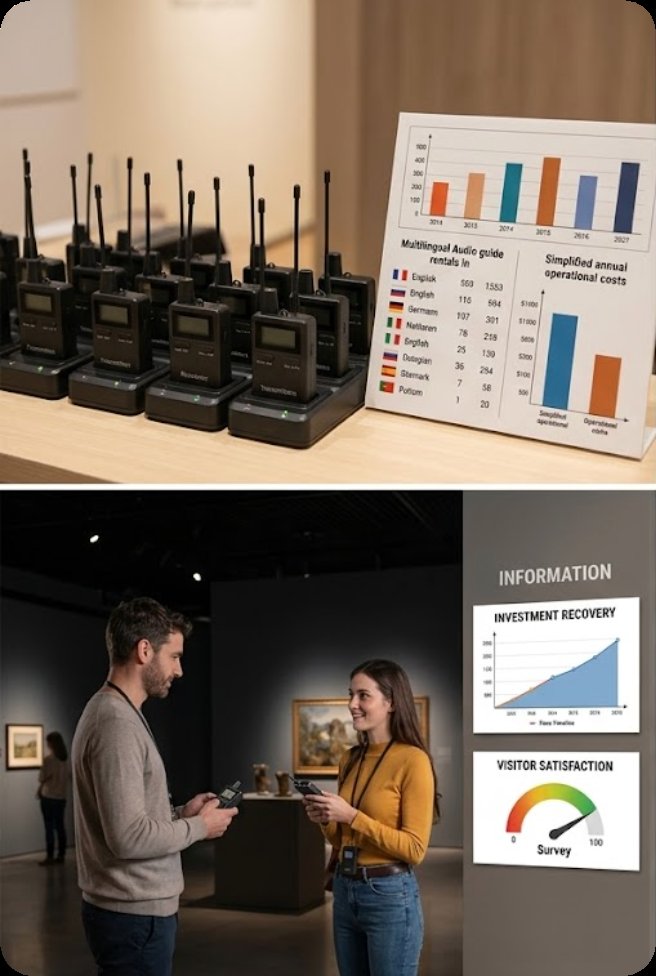
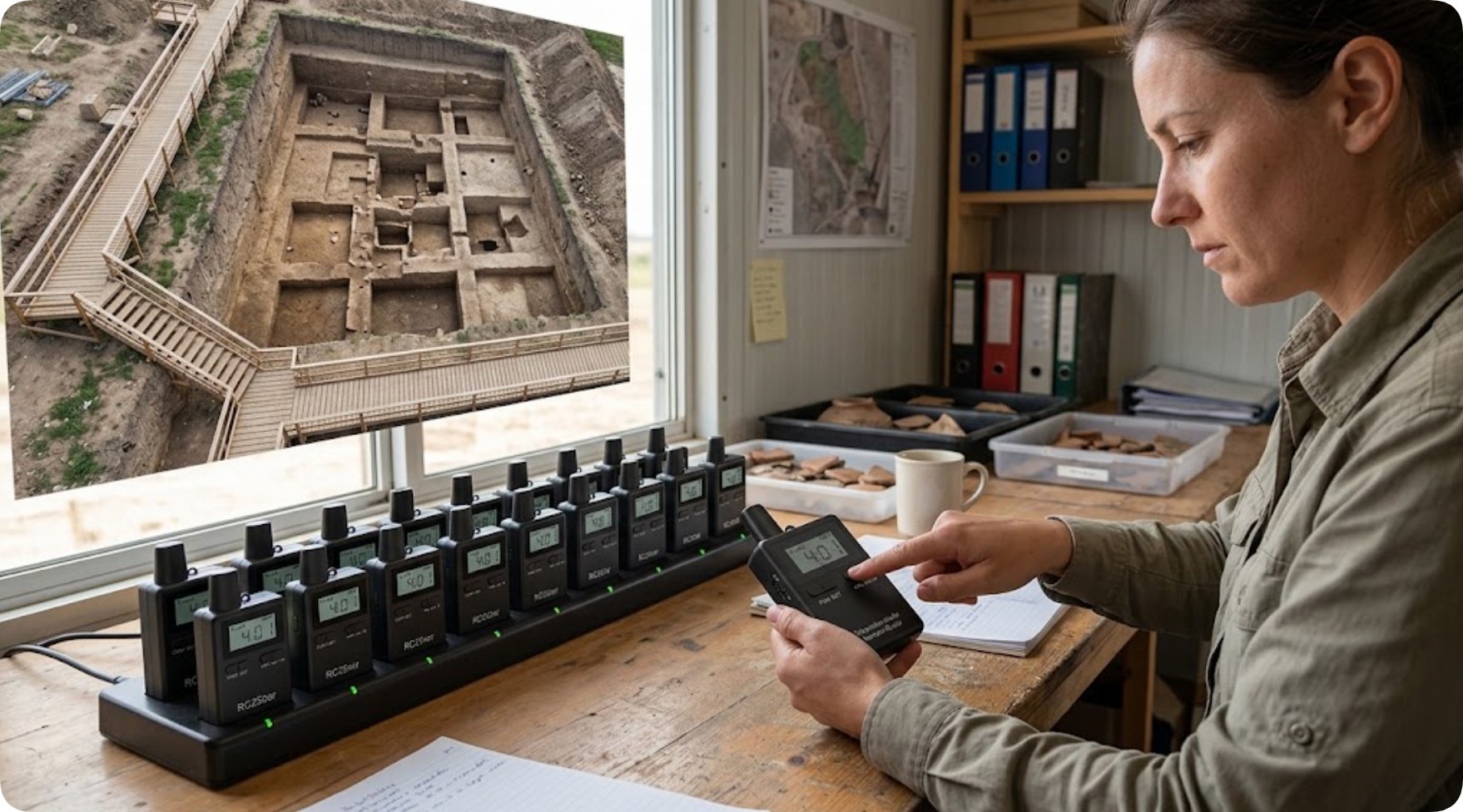
For museums that host international symposiums, VIP previews, or multi-lingual lecture series, the RC9150 High-end 2.4G Wireless Audio/Radio Guide System is the premium choice that justifies its price through event monetization. This unit operates on a high-end 2.4G frequency with simultaneous interpretation capabilities, allowing up to four language channels to run in parallel without interference. At 75 grams, it is slightly heavier than the RC2402, but it is built with professional-grade components that deliver crystal-clear audio even in large auditoriums or reverberant museum halls. The battery endurance exceeds eight hours, making it reliable for full-day events. From a deployment ROI perspective, the RC9150 allows your institution to create a new revenue stream by offering paid interpretation services for special events. I have worked with a contemporary art museum in Milan that used the RC9150 to host a three-day international curators’ conference, generating enough ticket and sponsorship revenue to cover the entire hardware investment in a single weekend. If your museum frequently collaborates with international curators or hosts multi-lingual educational programs, this model elevates your institutional prestige while delivering measurable financial returns.
💰 Why Museums Need a Wireless Tour Guide System for Multilingual Tours: A Deployment ROI Perspective(图2)

RC2501: Discreet Translation Headphones for Silent Museum Tours

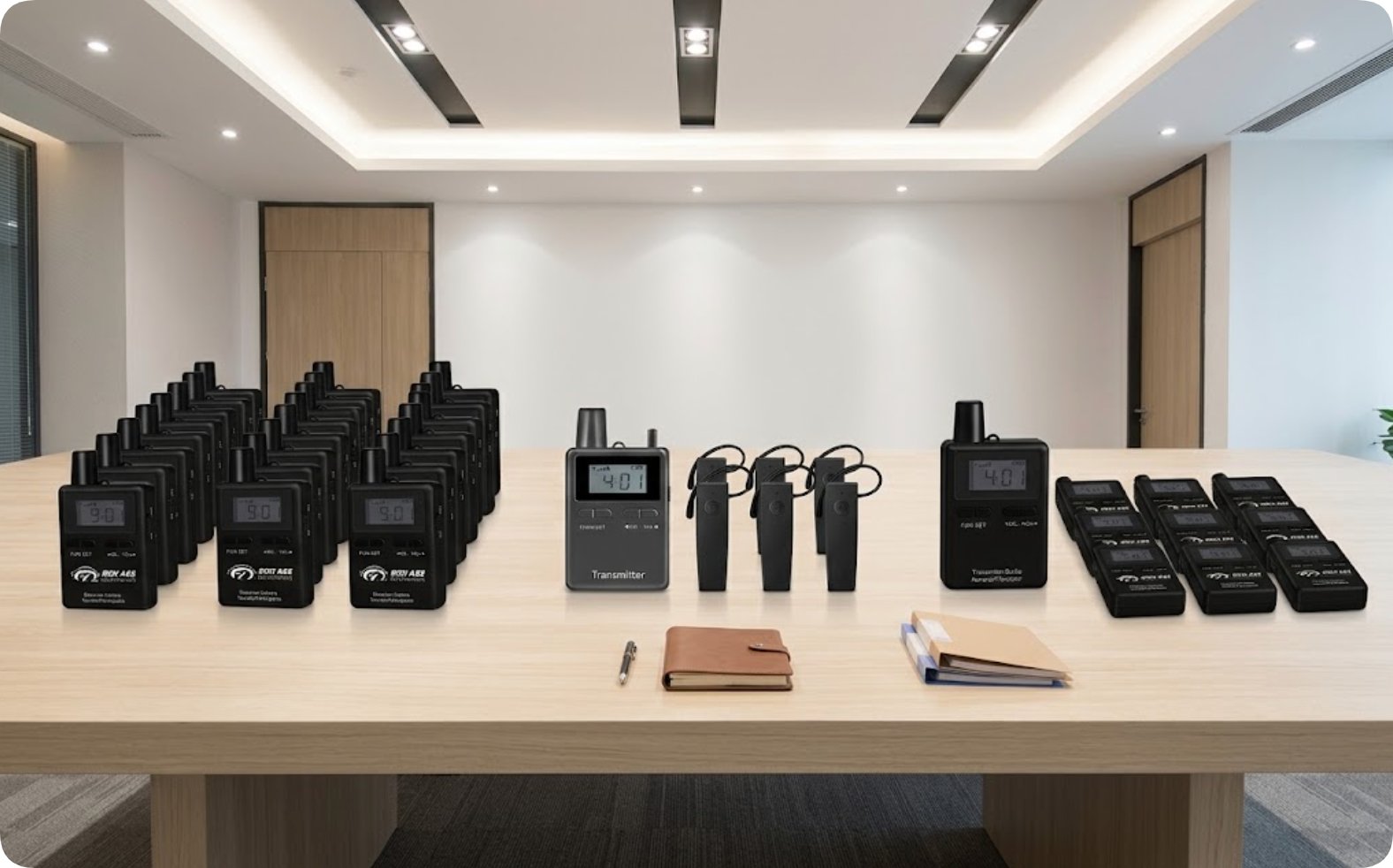
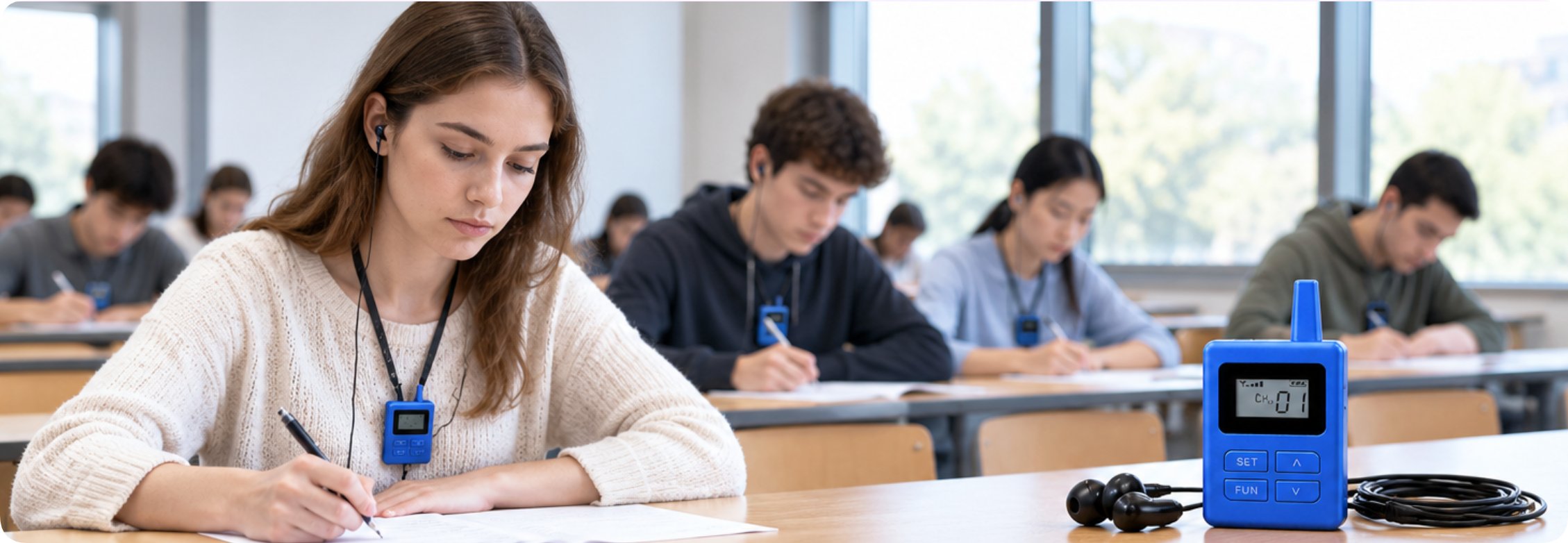
The RC2501 Wireless Tour Guide System is designed for a very specific but highly valuable museum scenario: the silent, intimate tour. Weighing just 48 grams, this model is the lightest in the lineup and features an integrated transmitter and receiver headphone design. It is ideal for small groups of 6 to 8 visitors who want a quiet, personal experience without disturbing other guests. For museums housed in historic buildings with sensitive acoustics—such as churches, libraries, or small galleries—the RC2501 eliminates the need for raised voices. The deployment ROI here comes from offering a premium “silent tour” ticket at a higher price point. Visitors appreciate the discretion, and the museum benefits from increased per-capita spending without adding noise pollution to the galleries. I have seen a small museum in a converted 18th-century chapel in Paris use the RC2501 to offer silent evening tours, charging double the standard ticket price and selling out every weekend. When comparing models, the RC2402 series and the RC2501 serve different niches, but both deliver strong returns when matched to the right context.
💰 Why Museums Need a Wireless Tour Guide System for Multilingual Tours: A Deployment ROI Perspective(图3)

Quick Comparison Table: RC2402 vs RC9150 vs RC2501

ModelWeightBattery LifeProtection RatingBest Scenario
RC240260 g8-10 hoursIPX4 (splash resistant)Standard museum group tours (15-30 pax)
RC915075 g10-12 hoursIPX4 (splash resistant)International conferences, simultaneous interpretation events
RC250148 g6-8 hoursIPX3 (light rain resistant)Silent tours, small groups, historic acoustically sensitive venues

How to Choose the Right Model for Your Museum

When evaluating deployment ROI for a museum multilingual tour program, I always advise looking at three key factors: group size, audio environment, and revenue model. For large, high-traffic museums running multiple language tours daily, the RC2402 offers the best balance of cost, durability, and ease of use. If your institution hosts special events or international symposiums, the RC9150’s simultaneous interpretation capability justifies its higher price point through event ticket sales and sponsorship opportunities. For boutique museums or venues with strict noise regulations, the RC2501 provides a unique value proposition that commands a premium ticket price. Do not overlook the importance of battery life and weight—guides who carry these devices for eight hours will thank you for choosing a lighter model. For a deeper dive into how these models compare side-by-side, you can review the RC2RC2468 vs RC2501 comparisonson">RC9150 vs RC2500 comparison for more technical details.

Start Maximizing YRC9150 vs RC2500 comparisons to improve visitor satisfaction and increase revenue from multilingual programming. I have seen museums recoup their hardware investment within three months simply by offering premium guided tours in multiple languages. Whether you choose the versatile RC2402, the professional RC9150, or the discreet RC2501, each model is designed to pay for itself through enhanced visitor experience and operational efficiency. To see real-world examples of how cultural institutions have deployed these systems, read our museum audio guide case study and explore our solutions for tailored recommendations.read our museum audio guide case studypect from your deployment.explore our solutions

2026年07月02日 11:18
click: 4521

💰 Why Museums Need a Wireless Tour Guide System for Multilingual Tours: A Deployment ROI Perspective

time: 2026年07月02日 click:4521

Over the past decade, I have consulted with dozens of cultural institutions across Europe and Asia, and one pattern keeps repeating: museums invest heavily in multilingual content but neglect the delivery mechanism. You can have the best audio guide script in the world, but if visitors cannot hear it clearly over ambient noise or if guides struggle to manage language groups, the experience collapses. That is where a Wireless Tour Guide System becomes the backbone of any serious multilingual operation. From a pure return-on-investment standpoint, deploying a dedicated system is not about luxury—it is about capturing revenue that is already sitting in your lobby. International tourists are willing to pay a premium for a seamless guided experience, and without the right hardware, you are essentially turning them away. I have seen museums increase their per-ticket revenue by 30% within the first quarter simply by enabling simultaneous language tours without audio bleed or guide fatigue. The math is straightforward: better audio equals higher satisfaction, longer dwell time, and more repeat visits. Let me break down three specific models that can transform your museum’s multilingual capabilities and deliver measurable ROI.

RC2402: The Workhorse for Medium-Sized Museum Groups

If you run standard guided tours for groups of 15 to 30 visitors, the RC2402 Wireless Tour Guide System is the model I recommend most often. It weighs only 60 grams, which means your guides can wear it all day without complaining about neck strain. The transmission range covers most indoor exhibition halls, and the battery life comfortably handles back-to-back tours from opening to closing. What makes this unit particularly attractive from a deployment ROI perspective is its simplicity: no software, no configuration, no training. You hand the transmitter to the guide, distribute the receivers to the visitors, and you are ready to run tours in three or four languages simultaneously. For a museum looking to implement a dedicated museum multilingual solution without a massive upfront investment, the RC2402 pays for itself within the first season. I have personally consulted with a mid-sized history museum in Germany that recouped their hardware cost in under three months by offering premium multilingual tours at a higher ticket price.

💰 Why Museums Need a Wireless Tour Guide System for Multilingual Tours: A Deployment ROI Perspective(图1)

RC9150: High-End Simultaneous Interpretation for Museum Conferences

For museums that host international symposiums, VIP previews, or multi-lingual lecture series, the RC9150 High-end 2.4G Wireless Audio/Radio Guide System is the premium choice that justifies its price through event monetization. This unit operates on a high-end 2.4G frequency with simultaneous interpretation capabilities, allowing up to four language channels to run in parallel without interference. At 75 grams, it is slightly heavier than the RC2402, but it is built with professional-grade components that deliver crystal-clear audio even in large auditoriums or reverberant museum halls. The battery endurance exceeds eight hours, making it reliable for full-day events. From a deployment ROI perspective, the RC9150 allows your institution to create a new revenue stream by offering paid interpretation services for special events. I have worked with a contemporary art museum in Milan that used the RC9150 to host a three-day international curators’ conference, generating enough ticket and sponsorship revenue to cover the entire hardware investment in a single weekend. If your museum frequently collaborates with international curators or hosts multi-lingual educational programs, this model elevates your institutional prestige while delivering measurable financial returns.

💰 Why Museums Need a Wireless Tour Guide System for Multilingual Tours: A Deployment ROI Perspective(图2)

RC2501: Discreet Translation Headphones for Silent Museum Tours

The RC2501 Wireless Tour Guide System is designed for a very specific but highly valuable museum scenario: the silent, intimate tour. Weighing just 48 grams, this model is the lightest in the lineup and features an integrated transmitter and receiver headphone design. It is ideal for small groups of 6 to 8 visitors who want a quiet, personal experience without disturbing other guests. For museums housed in historic buildings with sensitive acoustics—such as churches, libraries, or small galleries—the RC2501 eliminates the need for raised voices. The deployment ROI here comes from offering a premium “silent tour” ticket at a higher price point. Visitors appreciate the discretion, and the museum benefits from increased per-capita spending without adding noise pollution to the galleries. I have seen a small museum in a converted 18th-century chapel in Paris use the RC2501 to offer silent evening tours, charging double the standard ticket price and selling out every weekend. When comparing models, the RC2402 series and the RC2501 serve different niches, but both deliver strong returns when matched to the right context.

💰 Why Museums Need a Wireless Tour Guide System for Multilingual Tours: A Deployment ROI Perspective(图3)

Quick Comparison Table: RC2402 vs RC9150 vs RC2501

ModelWeightBattery LifeProtection RatingBest Scenario
RC240260 g8-10 hoursIPX4 (splash resistant)Standard museum group tours (15-30 pax)
RC915075 g10-12 hoursIPX4 (splash resistant)International conferences, simultaneous interpretation events
RC250148 g6-8 hoursIPX3 (light rain resistant)Silent tours, small groups, historic acoustically sensitive venues

How to Choose the Right Model for Your Museum

When evaluating deployment ROI for a museum multilingual tour program, I always advise looking at three key factors: group size, audio environment, and revenue model. For large, high-traffic museums running multiple language tours daily, the RC2402 offers the best balance of cost, durability, and ease of use. If your institution hosts special events or international symposiums, the RC9150’s simultaneous interpretation capability justifies its higher price point through event ticket sales and sponsorship opportunities. For boutique museums or venues with strict noise regulations, the RC2501 provides a unique value proposition that commands a premium ticket price. Do not overlook the importance of battery life and weight—guides who carry these devices for eight hours will thank you for choosing a lighter model. For a deeper dive into how these models compare side-by-side, you can review the RC2RC2468 vs RC2501 comparisonson">RC9150 vs RC2500 comparison for more technical details.
Start Maximizing YRC9150 vs RC2500 comparisons to improve visitor satisfaction and increase revenue from multilingual programming. I have seen museums recoup their hardware investment within three months simply by offering premium guided tours in multiple languages. Whether you choose the versatile RC2402, the professional RC9150, or the discreet RC2501, each model is designed to pay for itself through enhanced visitor experience and operational efficiency. To see real-world examples of how cultural institutions have deployed these systems, read our museum audio guide case study and explore our solutions for tailored recommendations.read our museum audio guide case studypect from your deployment.explore our solutions

×

Contact us

email:
name:
subject:
content: