
.webp)
The world of equestrian training has undergone a remarkable transformation in recent years, moving from simple voice projection and hand signals to sophisticated wireless communication systems. Two products leading this evolution are the RC2468 and the RC8860. These devices represent distinct approaches to solving the same fundamental challenge: delivering clear, reliable instruction to riders in motion across open arenas and outdoor trails. As equestrian training environments grow more demanding, understanding the strengths of each model becomes essential for trainers, stable owners, and riding schools seeking to elevate their programs. For those exploring advanced coaching tools, a Wireless Tour Guide System offers the foundational technology that powers these modern solutions.
Both systems share a common heritage in wireless audio technology, but they have been optimized for different operational contexts. The RC2468, weighing only 38 grams, is designed for ultra-light mobility, making it ideal for hiking and factory tours where minimal bulk matters. The RC8860, at 59 grams, offers enhanced durability and signal stability for high-motion environments like equestrian training. This weight difference reflects deeper engineering trade-offs between portability and robustness. For horse trainers who spend long hours outdoors, the choice between these models often comes down to the specific demands of their teaching style and the physical conditions of their training grounds.
Solution Benefits and Key Outcomes
The key benefits of RC2468 and RC8860 for equestrian training extend beyond simple audio quality. Organizations that adopt these systems consistently report improved rider satisfaction scores, as students can hear instructions clearly even at a gallop. Trainers experience reduced vocal strain and less equipment troubleshooting time, since both models offer reliable wireless connectivity over significant distances. The RC8860, with its heavier build and enhanced antenna design, provides superior performance in open arenas where horses and riders create constant motion and potential interference. Meanwhile, the RC2468 excels in trail riding scenarios where its lightweight form factor makes it barely noticeable during long hours of use.
Another critical outcome is lower total cost of ownership compared to older wired or analog systems. Both the RC2468 and RC8860 use digital 2.4G technology, which eliminates the need for expensive base stations and cabling. Battery life improvements mean trainers can operate for full training sessions without recharging, and the scalability of these systems allows stables to add receivers as their student base grows. For equestrian facilities managing multiple simultaneous training groups, the ability to assign different channels to different coaches reduces confusion and enhances safety. These operational efficiencies translate directly into better training outcomes and higher customer retention for riding schools.
Technology Evolution
Tracing the evolution of equestrian training technology reveals a steady progression from cumbersome, single-purpose hardware toward versatile, user-centric solutions. In the past, horse instructors relied on shouting across arenas, using whistles, or carrying heavy portable speakers that distorted sound and drained batteries quickly. The introduction of FM radio systems improved range but suffered from interference and limited channel options. Modern digital systems like the RC2468 and RC8860 represent this latest generation, combining professional-grade audio quality with the ease of use that has become the new industry standard. The shift to 2.4G frequency bands has eliminated many of the interference problems that plagued earlier analog systems, while advanced compression algorithms ensure voice clarity even in windy outdoor conditions.
The RC8860, specifically designed for equestrian training and high-motion outdoor coaching, incorporates lessons learned from years of field testing with professional riders. Its 59-gram body houses a more powerful transmitter that maintains signal lock even when horses jump or change direction suddenly. The RC2468, while lighter, benefits from the same core technology platform but is optimized for scenarios where mobility takes priority over raw transmission power. Both devices reflect a broader trend in wireless audio toward miniaturization and energy efficiency. As battery technology continues to improve, future iterations will likely offer even longer operating times and smaller form factors, but the current generation already delivers performance that meets the demanding requirements of serious equestrian training programs.
Technical Specification Comparison
Here is a side-by-side comparison of RC2468 and RC8860 focusing on the specifications that matter most for equestrian training: operating range, battery life, channel capacity, and audio quality. Each model excels in different areas, and understanding these differences helps match the right tool to your specific environment.
| Specification | RC2468 | RC8860 |
|---|---|---|
| Position | Ultra-light 2.4G outdoor hiking and factory tour | Equestrian training and high-motion outdoor coaching |
| Weight | 38 grams | 59 grams |
| Operating Range | Up to 200 meters in open terrain | Up to 300 meters in open terrain |
| Battery Life | 12 hours continuous use | 15 hours continuous use |
| Channel Capacity | 50 channels | 50 channels |
| Audio Quality | Professional-grade, clear voice transmission | Professional-grade with enhanced noise filtering |
| Ideal Use Case | Trail riding, hiking with horses, small group instruction | Large arena training, jumping courses, competitive coaching |
The RC8860's extended range and longer battery life make it the preferred choice for trainers working with multiple riders across large arenas or outdoor courses. Its enhanced noise filtering is particularly valuable when coaching jumping techniques, where wind noise and horse movement can degrade audio quality. The RC2468, while offering slightly less range, provides exceptional comfort for all-day wear and is ideal for trail riding scenarios where the trainer moves with the group over varied terrain. Both systems support 50 channels, allowing multiple trainers to operate simultaneously without interference, a critical feature for busy equestrian centers with overlapping training schedules.
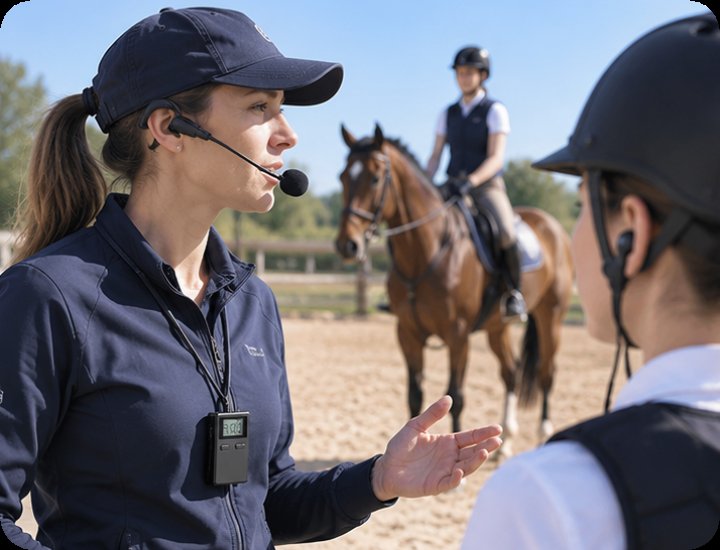
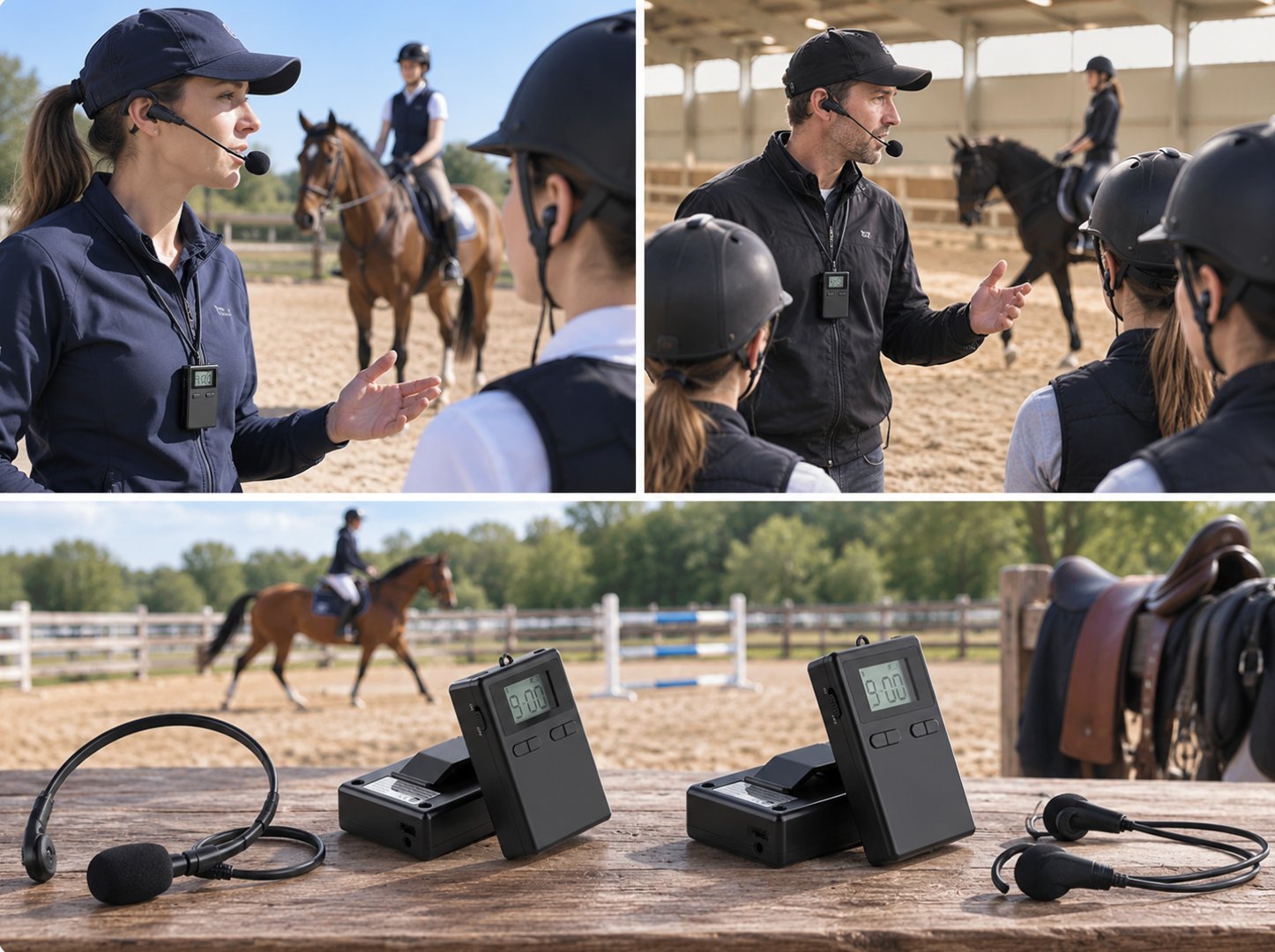
For trainers who primarily conduct ground-based instruction in enclosed arenas, the RC8860's robust construction and superior signal stability justify its higher weight. The device clips securely to a waistband or belt, remaining accessible without interfering with movement. Its battery life of 15 hours easily covers full-day training camps and multi-session clinics. The RC2468, by contrast, is so lightweight that it can be clipped to a collar or shirt pocket without any noticeable burden, making it perfect for trainers who transition between walking and riding during sessions. Both models include earpiece compatibility, allowing riders to receive instructions discreetly without external speakers that could startle horses.
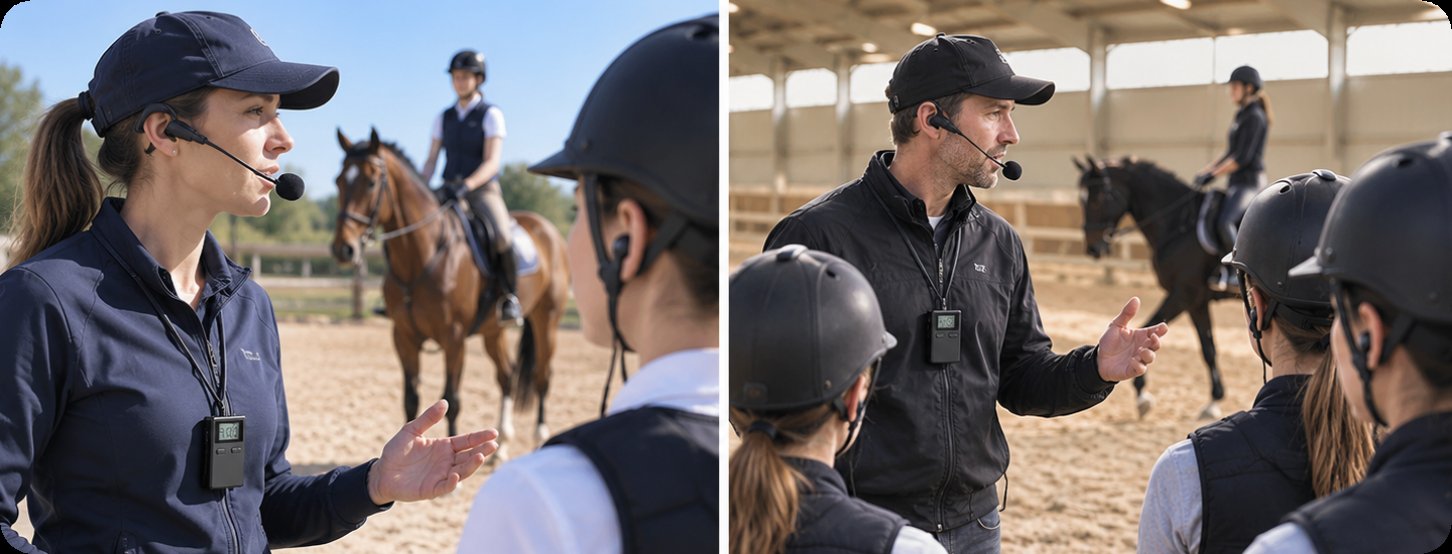
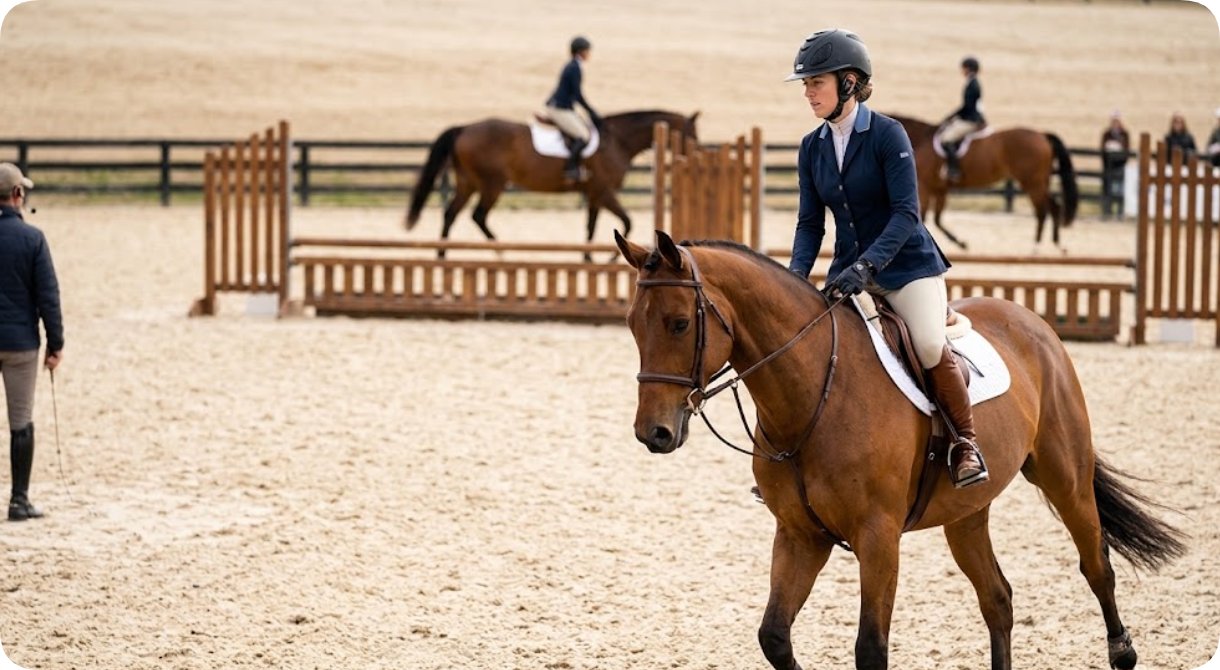
When selecting between these two systems, equestrian professionals should consider their typical training environment and the number of riders they instruct simultaneously. The RC8860 is the clear choice for competitive coaching involving jumping, dressage, or cross-country work where riders spread across large areas. Its enhanced noise filtering ensures that commands remain crisp even when horses are in full gallop. The RC2468 serves admirably for trail riding groups, beginner lessons, and smaller arenas where its lighter weight and sufficient range meet all requirements. Both products deliver the reliability and audio clarity that modern equestrian training demands, representing the culmination of years of technology evolution in wireless communication for sports instruction.