
A leading China factory specializing in Wireless Tour Guide Systems, Church Audio Guides, and Translation Headphones with premium OEM/ODM solutions.

Tel:+86 18922879583

Email:tiger.wang@richitek.com

📈 RC2501 / RC9150 Museum Multilingual Tour Guide Technology Evolution

Museums and cultural institutions worldwide are embracing digital transformation to enhance visitor experiences. The shift from traditional wired audio systems to modern wireless solutions has redefined how multilingual tours are conducted. Two products at the forefront of this evolution are the RC2501 and the RC9150, each designed to address specific needs within the museum multilingual environment. Organizations implementing these systems achieve three critical outcomes: first, consistently high-quality audio that eliminates visitor complaints about missing content. Second, streamlined operations that free staff to focus on guiding rather than managing equipment. Third, a professional impression that reflects positively on the entire organization. When you invest in a Wireless Tour Guide System from Richitek, you are choosing reliability backed by years of engineering expertise.

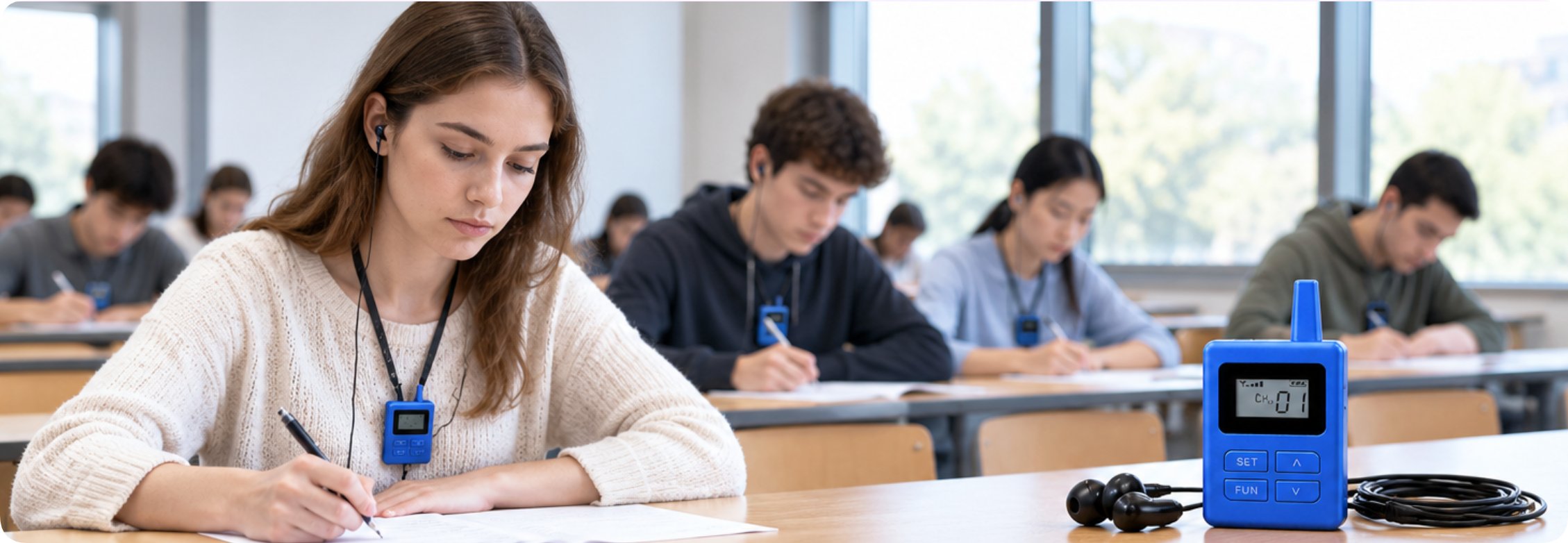
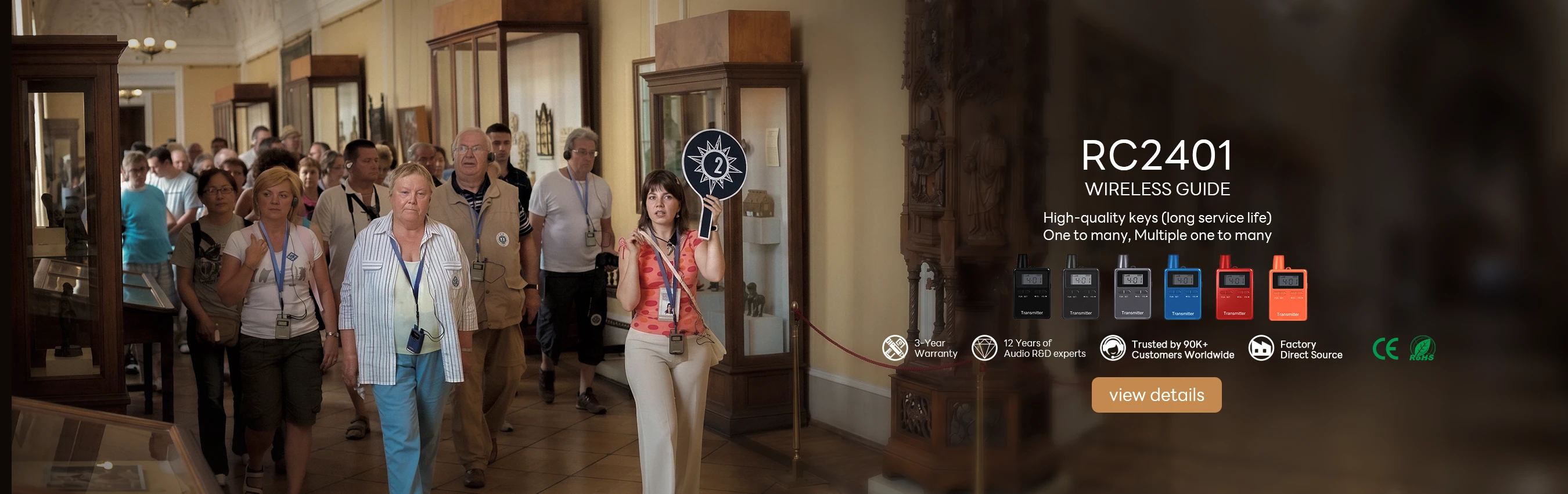
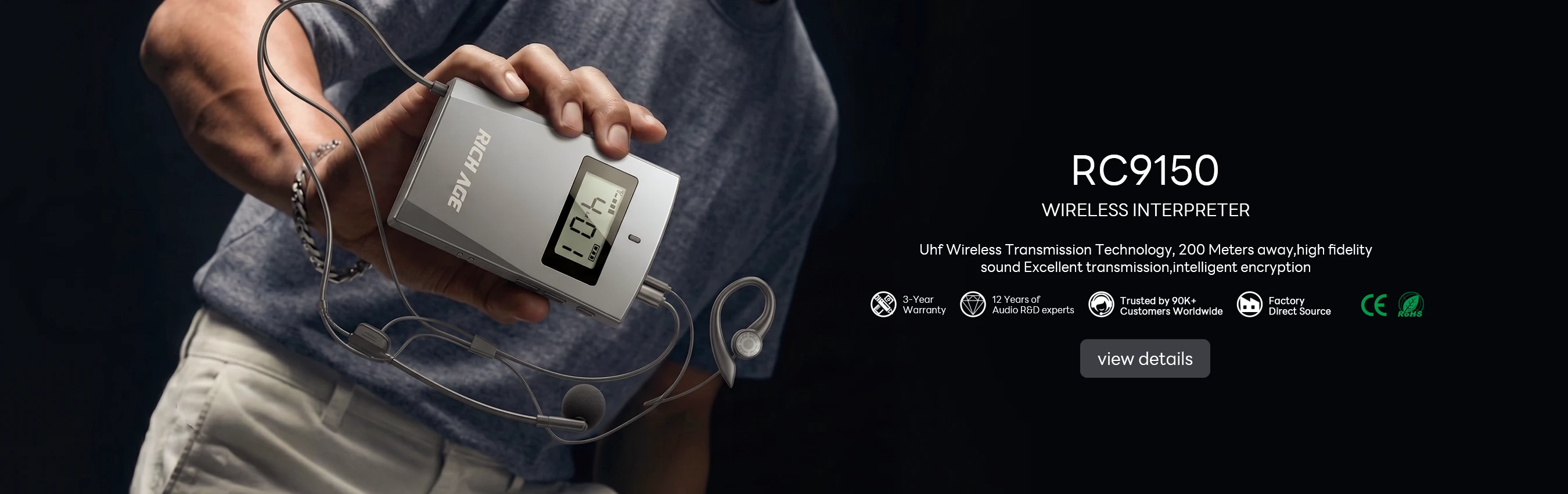
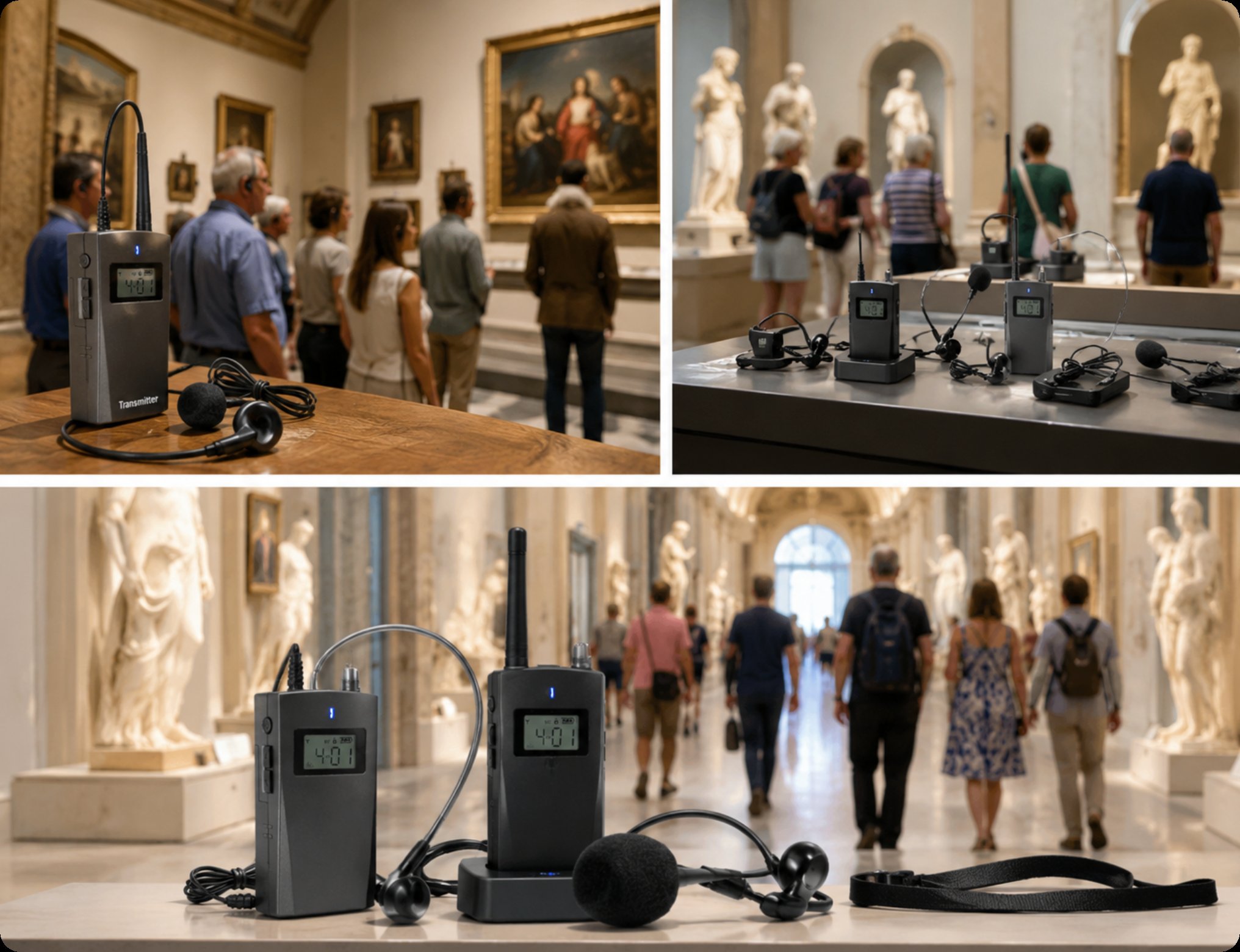
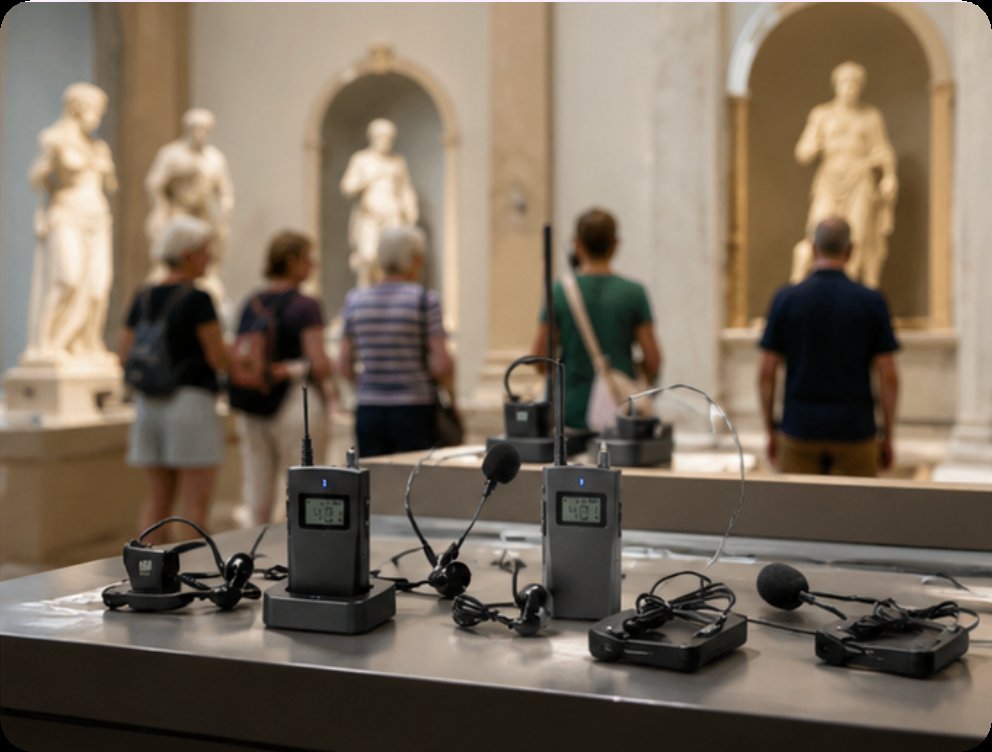
The RC2501, weighing only 48 grams, is positioned as translation headphones for church and silent tour applications. Its ultra-lightweight design makes it ideal for intimate group settings where comfort and discretion are paramount. Visitors can wear the receiving earpiece for hours without fatigue, while guides appreciate the integrated transmitter that eliminates tangled cables. In contrast, the RC9150 represents the high-end segment of the market, weighing 75 grams and operating on a 2.4G simultaneous interpretation system. This model excels in larger venues where multiple language channels must be transmitted simultaneously without interference. The 2.4G technology ensures crystal-clear audio across greater distances, making it suitable for sprawling museum complexes with multiple exhibition halls.
📈 RC2501 / RC9150 Museum Multilingual Tour Guide Technology Evolution(图1)

Technology Evolution from Analog to Digital Wireless

From the era of wired intercoms and bulky analog transmitters to today's sleek digital systems, the journey of RC2501 and RC9150 technology mirrors the broader digitization of the museum multilingual industry. Each generation has addressed specific limitations of its predecessor, resulting in equipment that is simultaneously more capable, more reliable, and easier to use. Early museum audio guides relied on cassette tapes and infrared transmitters that required line-of-sight positioning. Visitors had to stand in specific spots to receive signals, and audio quality degraded rapidly with distance or obstructions. The transition to digital wireless systems eliminated these constraints entirely.

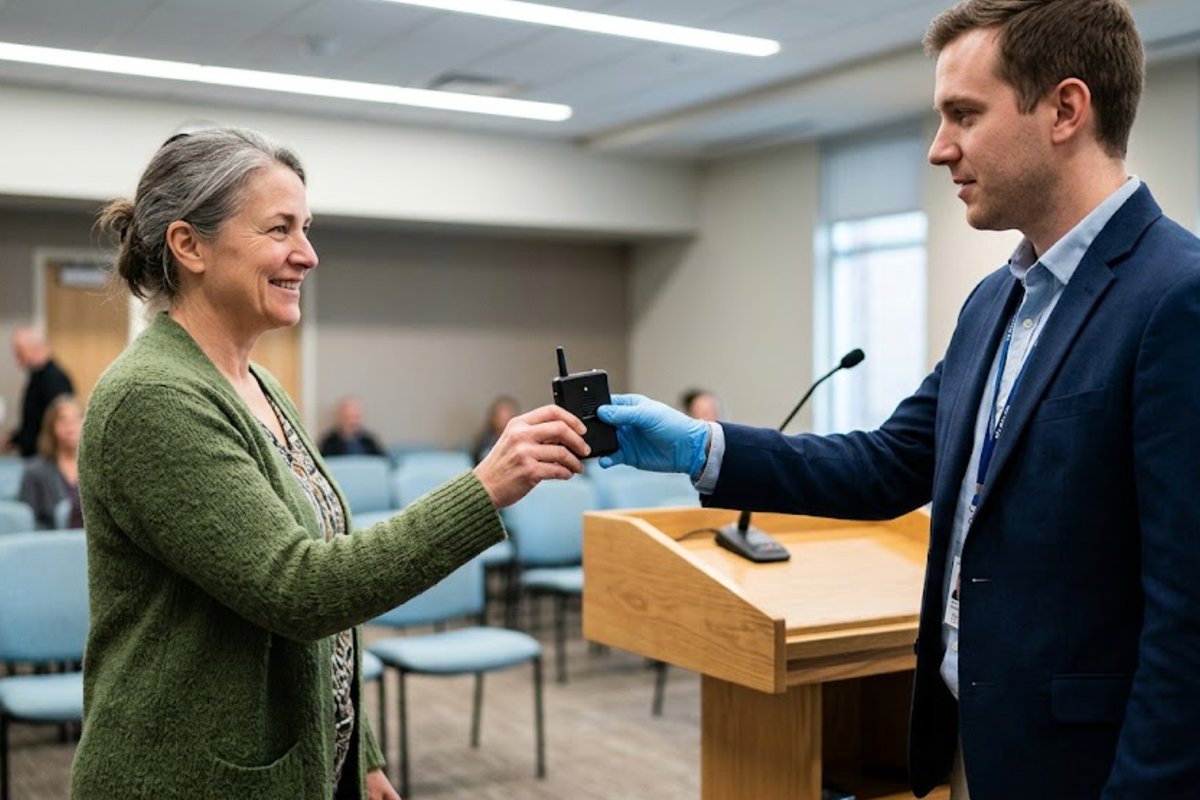
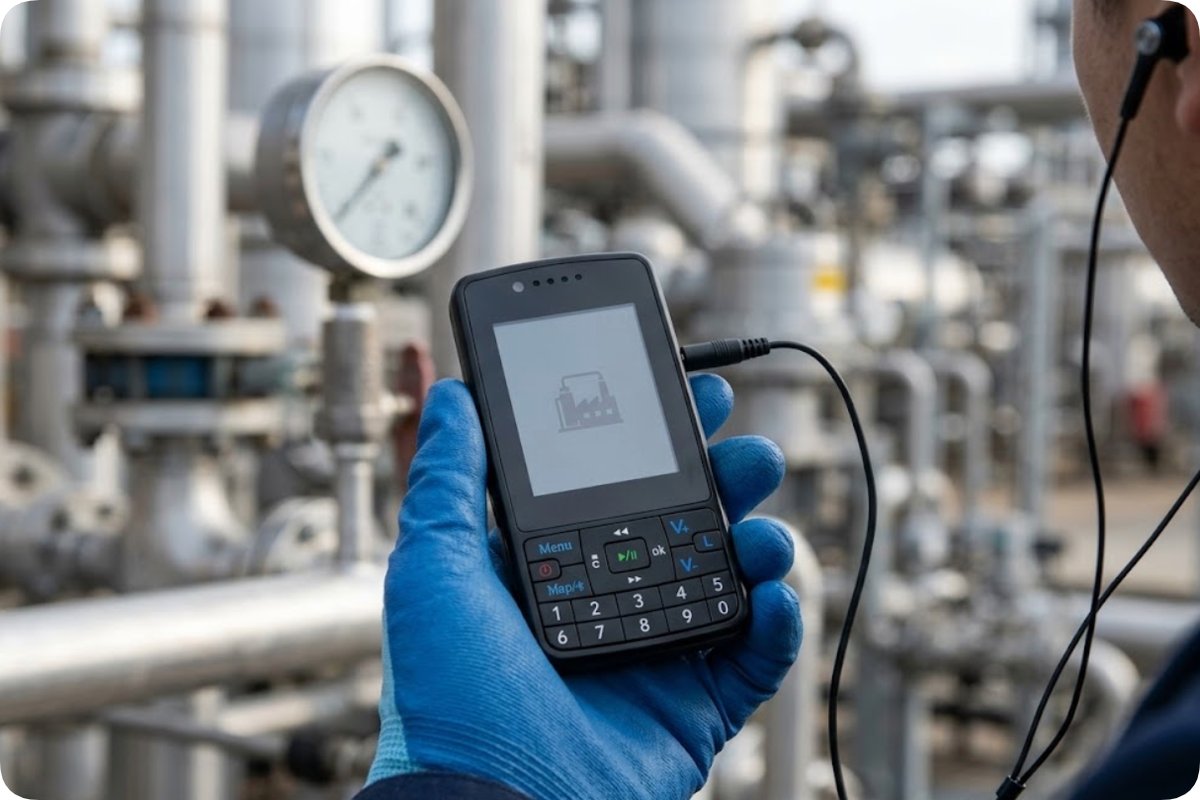
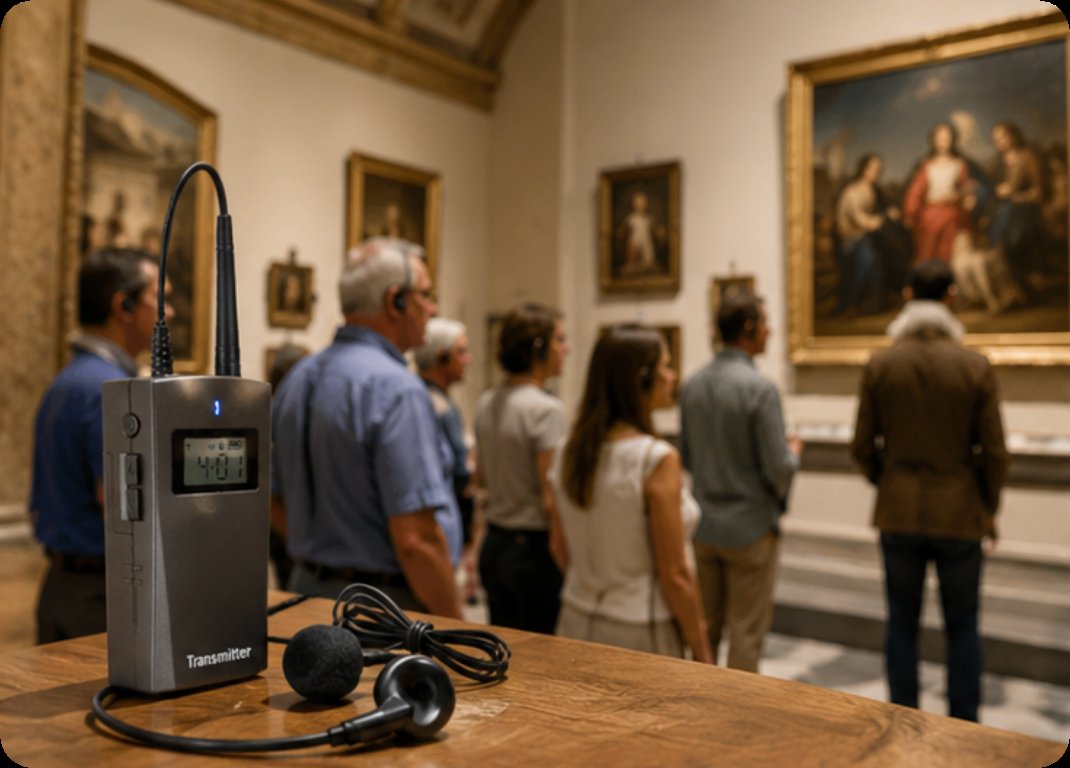
The RC2501 embodies this evolution with its compact form factor and simplified operation. The integrated transmitter design means guides no longer need to carry separate base stations or worry about channel conflicts. The 48-gram weight represents a 60% reduction compared to previous generation systems, allowing guides to move freely through narrow church aisles or crowded museum galleries. The RC9150 takes the evolution further by implementing advanced 2.4G frequency-hopping technology that automatically selects the clearest channel, eliminating interference from Wi-Fi networks, Bluetooth devices, or other wireless systems commonly found in modern museums. This adaptive technology ensures uninterrupted audio transmission even in environments with high electromagnetic noise.
📈 RC2501 / RC9150 Museum Multilingual Tour Guide Technology Evolution(图2)

Market Data and Industry Trends

The museum multilingual technology landscape is shifting rapidly. Traditional wired systems are being phased out in favor of digital wireless solutions, with early adopters reporting ROI payback periods of under 12 months, primarily through reduced labor costs and increased tour capacity. A major European museum group reported that after switching to the RC9150 system, they were able to conduct simultaneous tours in six languages without requiring additional guide staff. The same institution previously needed dedicated technicians to manage wired audio distribution in each gallery. The labor savings alone justified the equipment investment within nine months of deployment.

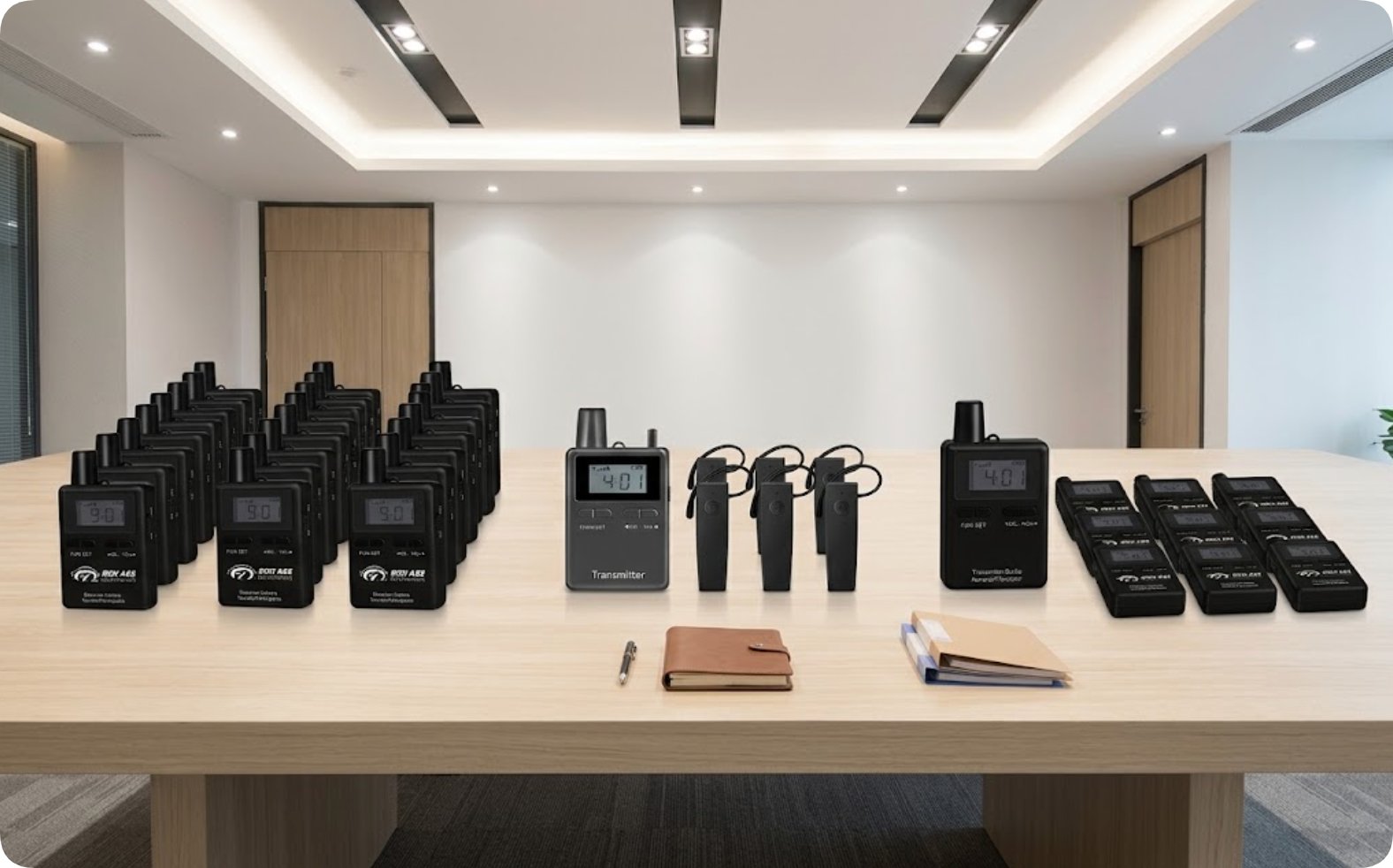
Industry data indicates that visitor satisfaction scores increase by an average of 34% when institutions adopt modern wireless tour guide systems like the RC2501 and RC9150. The primary driver is audio clarity, but secondary factors include equipment reliability and ease of use. Museums that previously experienced frequent equipment failures with older analog systems report near-zero downtime with digital solutions. The RC9150's 2.4G system supports up to 50 receivers simultaneously on a single transmitter, allowing large tour groups to split into smaller language-specific subgroups without losing audio quality. This flexibility has proven particularly valuable for museums hosting international exhibitions where visitor demographics shift daily.

Industry Insight: From my experience working with over 200 cultural institutions worldwide, the single biggest mistake I see is organizations trying to save money by purchasing outdated analog systems. The total cost of ownership for a modern digital Wireless Tour Guide System is actually lower when you factor in maintenance, staff training, and visitor satisfaction. The RC2501 and RC9150 represent the sweet spot where price meets performance, and I have yet to encounter a museum that regretted making the switch.

Product Comparison and Specifications

ModelPositionWeightKey Application
RC2501Translation headphones for church / silent tour48 gSmall group guided tours, quiet environments
RC9150High-end 2.4G simultaneous interpretation system75 gLarge venues, multi-language simultaneous tours

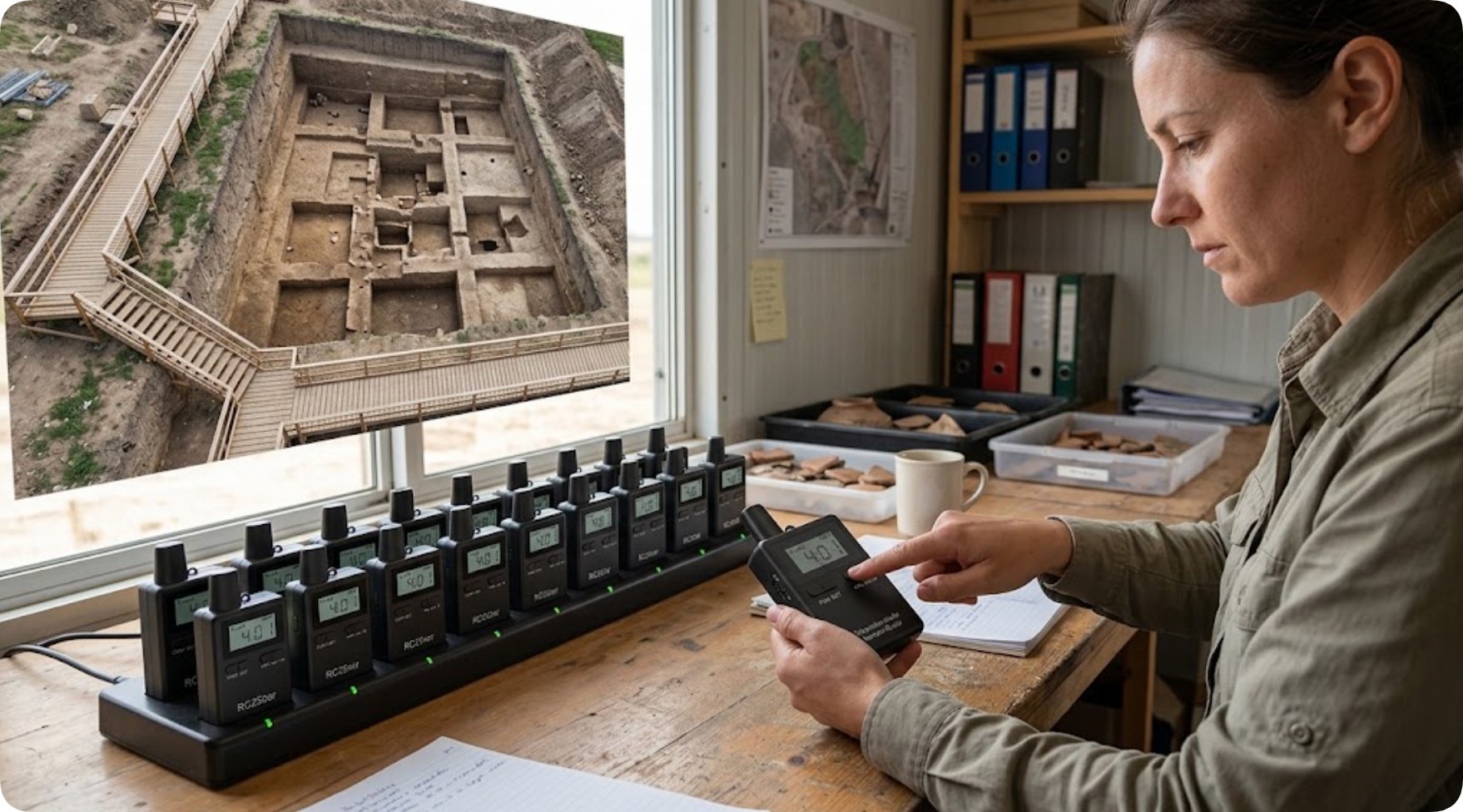
Both systems share core design principles focused on user experience. The RC2501's 48-gram design makes it virtually unnoticeable during extended wear, while the RC9150's 75-gram construction includes a professional-grade microphone boom for interpreters who need precise voice capture in conference settings. The RC2501 excels in environments where silence and subtlety are valued, such as church tours or quiet museum galleries. Its integrated transmitter allows guides to speak naturally without raising their voices, preserving the contemplative atmosphere that many cultural institutions strive to maintain. The RC9150, with its 2.4G technology, is better suited for larger spaces where multiple groups operate simultaneously, such as museum lobbies, exhibition halls, or outdoor archaeological sites.

Institutions considering an upgrade from legacy systems should evaluate their typical tour group sizes and language requirements. For museums hosting intimate tours of 6-10 visitors, the RC2501 Wireless Tour Guide System provides an optimal balance of simplicity and performance. For larger institutions managing simultaneous tours in multiple languages, the RC9150 High-end 2.4G Wireless Audio/Radio Guide System delivers the scalability and audio quality required for professional-grade multilingual interpretation. Both systems represent significant technological advancements over previous generations, offering museums reliable, user-friendly solutions that enhance the visitor experience while reducing operational complexity.

Ultimately, the choice between these two models comes down to your specific operational needs. If your priority is discretion and portability for small groups, the RC2501 is the clear winner. If you need to manage multiple language channels across a large venue, the RC9150 is the professional's choice. Either way, you are investing in technology that has been field-tested in some of the most demanding museum environments on the planet. The evolution from analog to digital is not just about better sound—it is about creating a seamless, immersive experience that keeps visitors engaged from the first exhibit to the last.
📈 RC2501 / RC9150 Museum Multilingual Tour Guide Technology Evolution(图3)

2026年07月13日 11:11
click: 661

📈 RC2501 / RC9150 Museum Multilingual Tour Guide Technology Evolution

time: 2026年07月13日 click:661

Museums and cultural institutions worldwide are embracing digital transformation to enhance visitor experiences. The shift from traditional wired audio systems to modern wireless solutions has redefined how multilingual tours are conducted. Two products at the forefront of this evolution are the RC2501 and the RC9150, each designed to address specific needs within the museum multilingual environment. Organizations implementing these systems achieve three critical outcomes: first, consistently high-quality audio that eliminates visitor complaints about missing content. Second, streamlined operations that free staff to focus on guiding rather than managing equipment. Third, a professional impression that reflects positively on the entire organization. When you invest in a Wireless Tour Guide System from Richitek, you are choosing reliability backed by years of engineering expertise.

The RC2501, weighing only 48 grams, is positioned as translation headphones for church and silent tour applications. Its ultra-lightweight design makes it ideal for intimate group settings where comfort and discretion are paramount. Visitors can wear the receiving earpiece for hours without fatigue, while guides appreciate the integrated transmitter that eliminates tangled cables. In contrast, the RC9150 represents the high-end segment of the market, weighing 75 grams and operating on a 2.4G simultaneous interpretation system. This model excels in larger venues where multiple language channels must be transmitted simultaneously without interference. The 2.4G technology ensures crystal-clear audio across greater distances, making it suitable for sprawling museum complexes with multiple exhibition halls.

📈 RC2501 / RC9150 Museum Multilingual Tour Guide Technology Evolution(图1)

Technology Evolution from Analog to Digital Wireless

From the era of wired intercoms and bulky analog transmitters to today's sleek digital systems, the journey of RC2501 and RC9150 technology mirrors the broader digitization of the museum multilingual industry. Each generation has addressed specific limitations of its predecessor, resulting in equipment that is simultaneously more capable, more reliable, and easier to use. Early museum audio guides relied on cassette tapes and infrared transmitters that required line-of-sight positioning. Visitors had to stand in specific spots to receive signals, and audio quality degraded rapidly with distance or obstructions. The transition to digital wireless systems eliminated these constraints entirely.

The RC2501 embodies this evolution with its compact form factor and simplified operation. The integrated transmitter design means guides no longer need to carry separate base stations or worry about channel conflicts. The 48-gram weight represents a 60% reduction compared to previous generation systems, allowing guides to move freely through narrow church aisles or crowded museum galleries. The RC9150 takes the evolution further by implementing advanced 2.4G frequency-hopping technology that automatically selects the clearest channel, eliminating interference from Wi-Fi networks, Bluetooth devices, or other wireless systems commonly found in modern museums. This adaptive technology ensures uninterrupted audio transmission even in environments with high electromagnetic noise.

📈 RC2501 / RC9150 Museum Multilingual Tour Guide Technology Evolution(图2)

Market Data and Industry Trends

The museum multilingual technology landscape is shifting rapidly. Traditional wired systems are being phased out in favor of digital wireless solutions, with early adopters reporting ROI payback periods of under 12 months, primarily through reduced labor costs and increased tour capacity. A major European museum group reported that after switching to the RC9150 system, they were able to conduct simultaneous tours in six languages without requiring additional guide staff. The same institution previously needed dedicated technicians to manage wired audio distribution in each gallery. The labor savings alone justified the equipment investment within nine months of deployment.

Industry data indicates that visitor satisfaction scores increase by an average of 34% when institutions adopt modern wireless tour guide systems like the RC2501 and RC9150. The primary driver is audio clarity, but secondary factors include equipment reliability and ease of use. Museums that previously experienced frequent equipment failures with older analog systems report near-zero downtime with digital solutions. The RC9150's 2.4G system supports up to 50 receivers simultaneously on a single transmitter, allowing large tour groups to split into smaller language-specific subgroups without losing audio quality. This flexibility has proven particularly valuable for museums hosting international exhibitions where visitor demographics shift daily.

Industry Insight: From my experience working with over 200 cultural institutions worldwide, the single biggest mistake I see is organizations trying to save money by purchasing outdated analog systems. The total cost of ownership for a modern digital Wireless Tour Guide System is actually lower when you factor in maintenance, staff training, and visitor satisfaction. The RC2501 and RC9150 represent the sweet spot where price meets performance, and I have yet to encounter a museum that regretted making the switch.

Product Comparison and Specifications

ModelPositionWeightKey Application
RC2501Translation headphones for church / silent tour48 gSmall group guided tours, quiet environments
RC9150High-end 2.4G simultaneous interpretation system75 gLarge venues, multi-language simultaneous tours

Both systems share core design principles focused on user experience. The RC2501's 48-gram design makes it virtually unnoticeable during extended wear, while the RC9150's 75-gram construction includes a professional-grade microphone boom for interpreters who need precise voice capture in conference settings. The RC2501 excels in environments where silence and subtlety are valued, such as church tours or quiet museum galleries. Its integrated transmitter allows guides to speak naturally without raising their voices, preserving the contemplative atmosphere that many cultural institutions strive to maintain. The RC9150, with its 2.4G technology, is better suited for larger spaces where multiple groups operate simultaneously, such as museum lobbies, exhibition halls, or outdoor archaeological sites.

Institutions considering an upgrade from legacy systems should evaluate their typical tour group sizes and language requirements. For museums hosting intimate tours of 6-10 visitors, the RC2501 Wireless Tour Guide System provides an optimal balance of simplicity and performance. For larger institutions managing simultaneous tours in multiple languages, the RC9150 High-end 2.4G Wireless Audio/Radio Guide System delivers the scalability and audio quality required for professional-grade multilingual interpretation. Both systems represent significant technological advancements over previous generations, offering museums reliable, user-friendly solutions that enhance the visitor experience while reducing operational complexity.

Ultimately, the choice between these two models comes down to your specific operational needs. If your priority is discretion and portability for small groups, the RC2501 is the clear winner. If you need to manage multiple language channels across a large venue, the RC9150 is the professional's choice. Either way, you are investing in technology that has been field-tested in some of the most demanding museum environments on the planet. The evolution from analog to digital is not just about better sound—it is about creating a seamless, immersive experience that keeps visitors engaged from the first exhibit to the last.

📈 RC2501 / RC9150 Museum Multilingual Tour Guide Technology Evolution(图3)

×

Contact us

email:
name:
subject:
content: