
.webp)
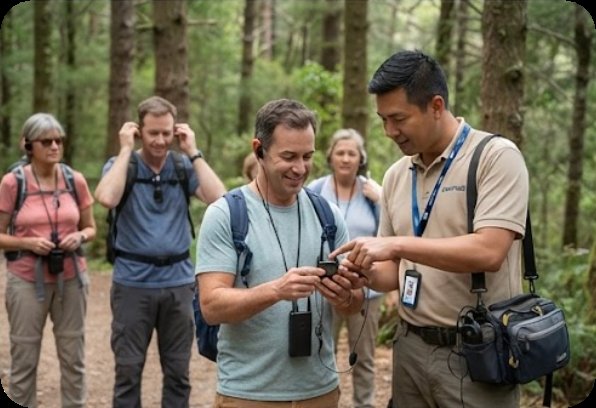
Outdoor hiking trails present a unique set of challenges for guided tours that are rarely encountered in indoor museum or factory settings. The natural environment introduces variables such as wind noise, distance between group members, uneven terrain that forces separation, and the need for hands-free operation. Traditional voice projection or basic megaphone systems fail to deliver consistent audio quality when the guide is leading a group up a narrow path or across a windy ridge. The core problem is maintaining clear, uninterrupted communication between the guide and every participant, regardless of their position in the group or the ambient noise of nature.
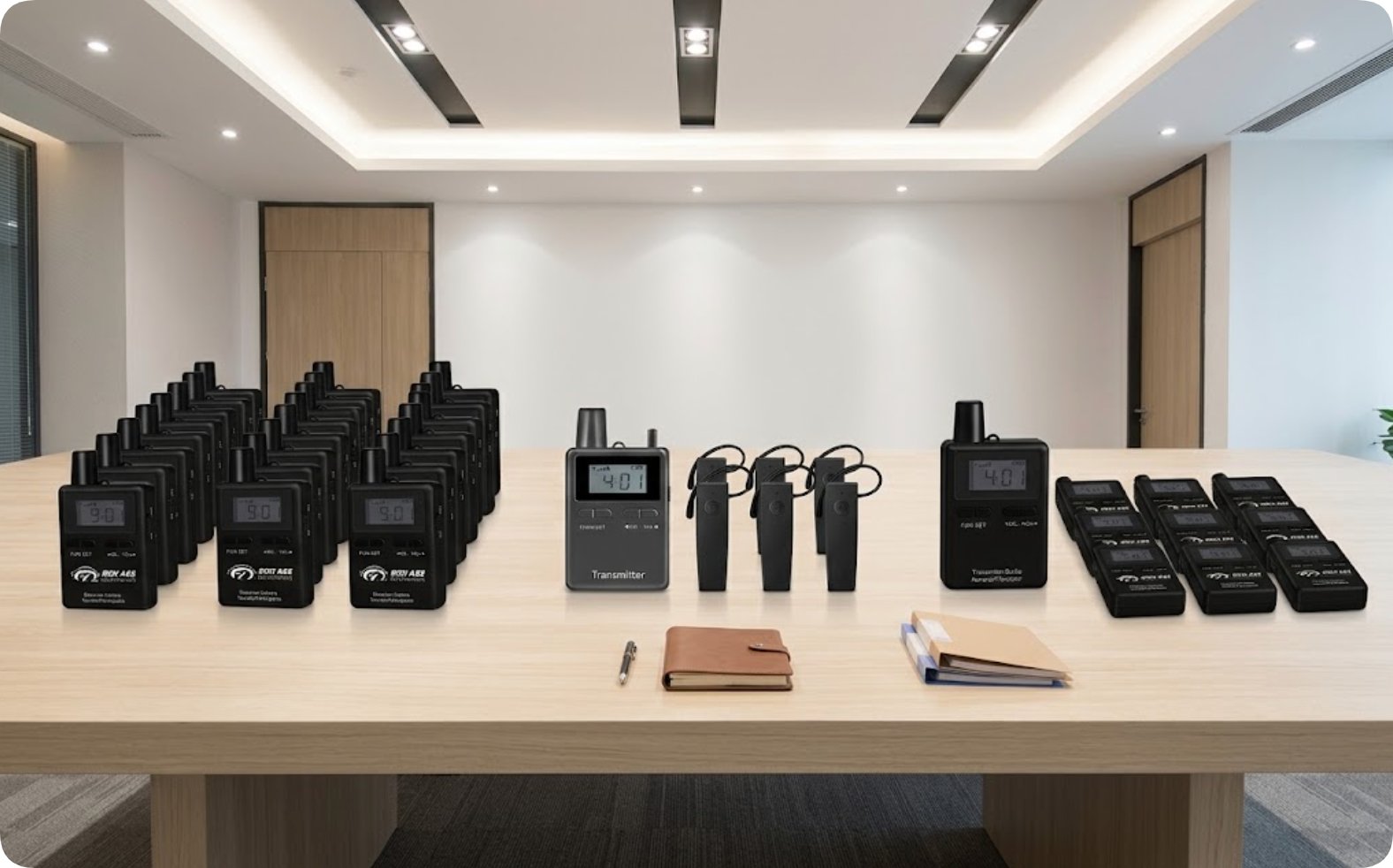
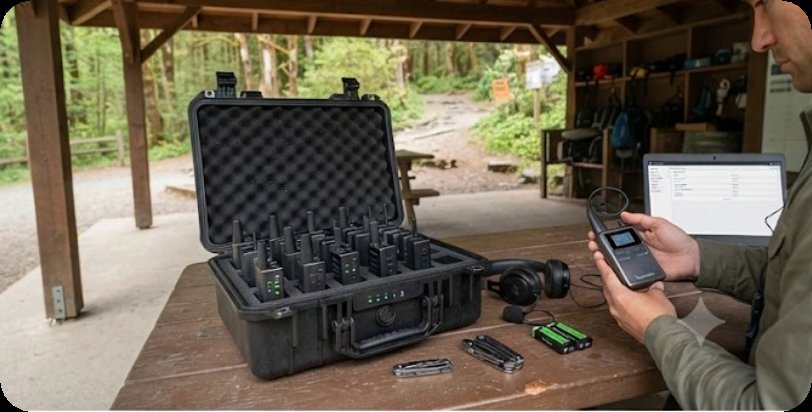
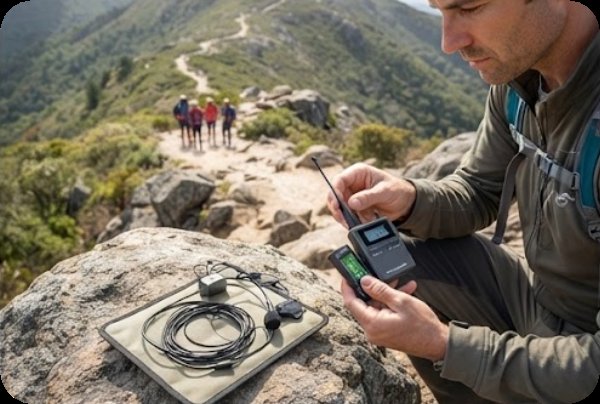
This is precisely the scenario where the RC2468 ultra-light transmitter and the RC085 digital receiver provide a robust solution. The RC2468, weighing only 38 grams, clips directly to the guide’s collar or backpack strap, allowing for completely hands-free operation. It uses a stable 2.4G frequency that penetrates foliage and maintains a strong signal even when hikers are spread out along the trail. The RC085 receiver, with its clear LCD display, allows each hiker to see their channel and battery status, reducing confusion and ensuring they are always tuned in. Together, these devices solve the fundamental problem of group communication in outdoor environments, turning a chaotic shout-fest into a calm, informative hike. For any organization managing outdoor tours, investing in a reliable Wireless Tour Guide System is the first step toward delivering a premium guest experience.
Deep Dive into the Technical Solution
The most persistent problems on a hiking trail are signal interference and battery anxiety. Dense tree cover, undulating terrain, and the movement of the group can cause dropouts in lesser systems. The RC2468 addresses this with its 2.4G digital transmission technology, which offers a stronger, more adaptive signal than older analog systems. It automatically hops frequencies to avoid interference, ensuring that the guide’s commentary about a specific rock formation or distant peak reaches every hiker without static or lag. The RC085 receiver complements this with a battery life designed to last through a full-day hike, eliminating the need for mid-tour charging.
Another critical problem is user error and device management. When a hiking guide is responsible for navigating terrain and delivering content, they cannot afford to fiddle with complex equipment. The RC2468 is designed for one-button operation: turn it on, and it automatically pairs with the RC085 receivers. The guide can focus on the trail and the story, not the technology. For the hikers, the RC085’s LCD display solves the common problem of “am I on the right channel?” by showing the channel number and signal strength clearly. This reduces the time spent troubleshooting at the start of the tour and eliminates the frustration of a hiker missing key information because their receiver was on the wrong frequency.
Solution Benefits and Key Outcomes
The key benefits of deploying the RC2468 and RC085 on a hiking trail extend far beyond simply improving audio clarity. Organizations that have adopted this system consistently report a significant improvement in visitor satisfaction scores. Hikers feel more connected to the experience, hearing every detail of the guide’s narrative even when they are at the back of the group or pausing to take a photo. Furthermore, reducing the guide’s vocal strain allows them to lead multiple tours per day without fatigue, improving staff well-being and operational efficiency.
From a management perspective, the system delivers a lower total cost of ownership compared to older, bulkier systems. The robust build of both the RC2468 and RC085 minimizes breakage from drops or weather exposure, and the intuitive design drastically reduces the amount of staff overtime previously spent on equipment troubleshooting. The flexibility to scale operations is another major outcome. If a popular trail attracts a larger group, the guide simply distributes more RC085 receivers. If multiple groups are on the same trail, they can operate on different channels without cross-interference. This scalability transforms how outdoor venues manage their tour logistics, allowing them to handle peak demand with confidence.
Step-by-Step Implementation Guide
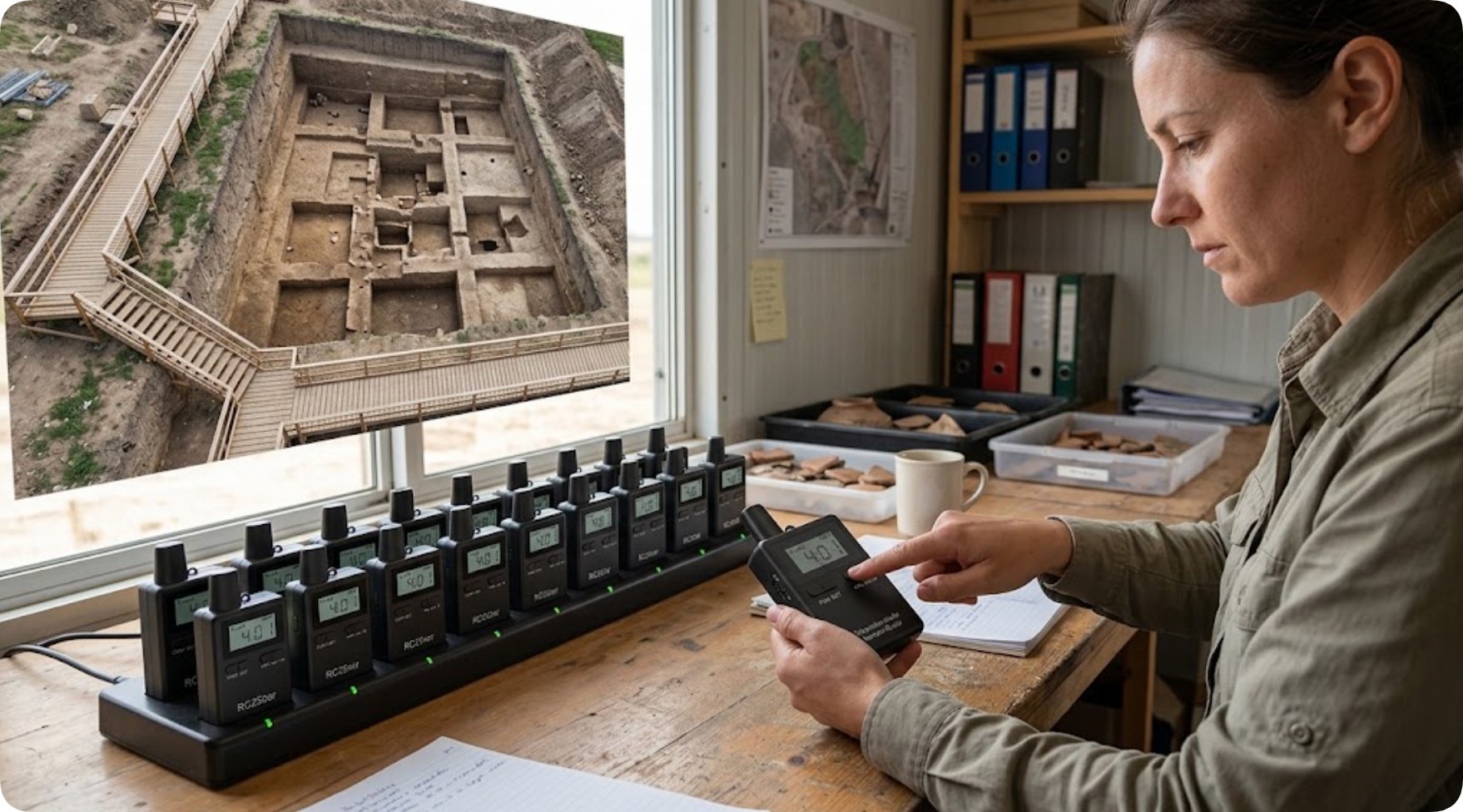
Implementing the RC2468 and RC085 for a hiking trail is a straightforward process designed to get your team on the trail quickly. On day one, unpack all units and place them on charge. The RC2468 transmitter and all RC085 receivers should be fully charged overnight. Configure the main transmitter to your desired channel. On day two, conduct a site survey by walking the trail with the system active. Test the signal strength at various points—especially in valleys or near dense tree cover—and adjust the transmitter placement on the guide’s person if needed to ensure optimal coverage.
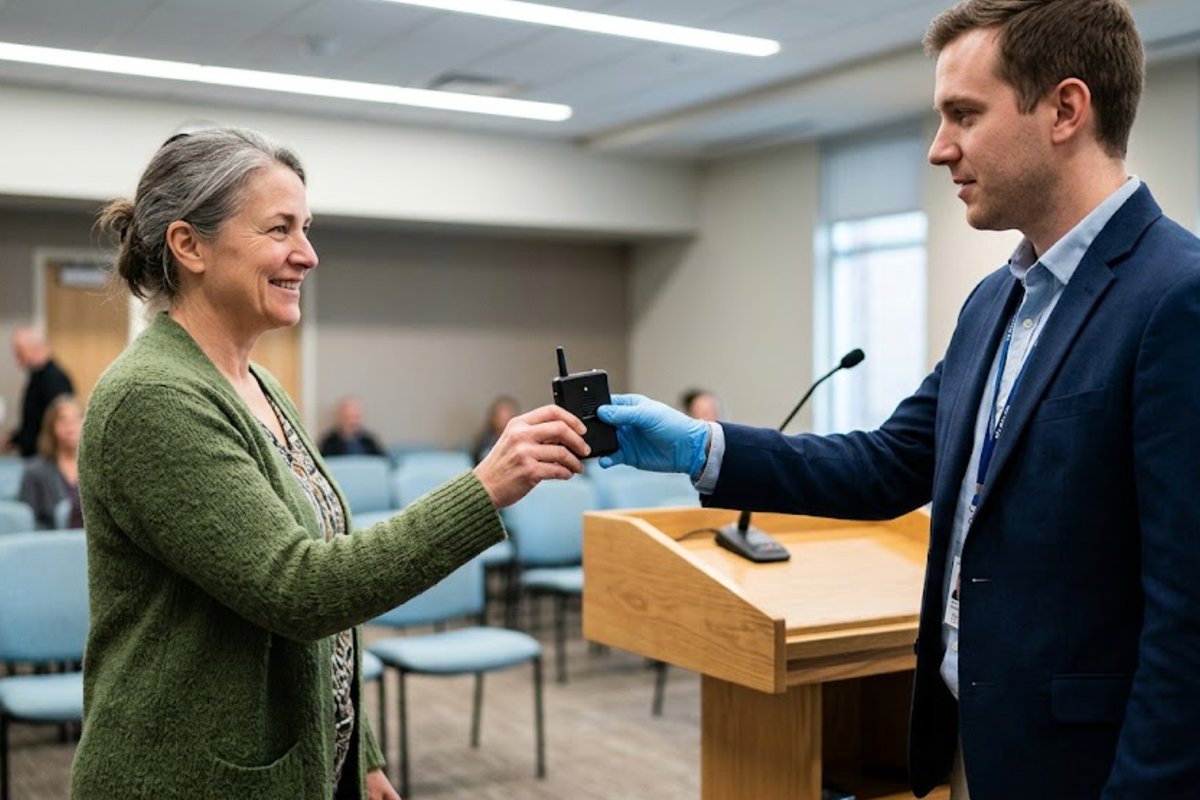
On day three, conduct a training session for your guiding staff. Focus on the simple operation: turning on the transmitter, distributing receivers to guests, and demonstrating how guests can adjust their own volume. Run a test tour with staff acting as hikers to identify any weak spots in the signal or user interface confusion. During the first week of live operation, collect feedback from both guides and hikers. Ask specific questions about audio clarity, comfort of wearing the receiver, and ease of use. By the end of the first month, review the performance metrics—such as battery life under real conditions and any reported issues—and optimize your settings. You may find that adjusting the transmitter’s position or changing the channel selection improves performance for your specific trail environment.
Frequently Asked Questions
Common questions about deploying the RC2468 and RC085 in a hiking trail environment include practical operational concerns. Do we need technical staff to operate the system? No. The system is designed for intuitive, one-button operation. Any guide can manage the transmitter, and any hiker can use the receiver without prior training. Can multiple groups tour simultaneously on the same trail? Yes. The 2.4G technology supports multiple channels, allowing several groups to operate in close proximity without audio interference. This is a critical feature for popular trails with overlapping tour schedules.
What happens if a device runs out of battery mid-tour? The RC2468 and RC085 are designed with generous battery life that typically lasts an entire hiking day. However, for extended tours, the quick-swap battery design allows guides to carry a spare receiver or transmitter. Simply swap the unit and continue the tour without interruption. Another frequent question is about durability in rain or dust. While not fully submersible, the units are built to withstand light rain and trail dust, making them reliable for the vast majority of hiking conditions. The clear LCD display on the RC085 remains readable even in bright sunlight, solving a common visibility problem found with other devices.
Product Specifications Comparison
| Model | Position | Weight | URL |
|---|---|---|---|
| RC2468 | Ultra-light 2.4G outdoor hiking & factory tour | 38 g | RC2468 Product Page |
| RC085 | Digital tour guide with clear LCD display | 62 g | RC085 Product Page |