
.webp)
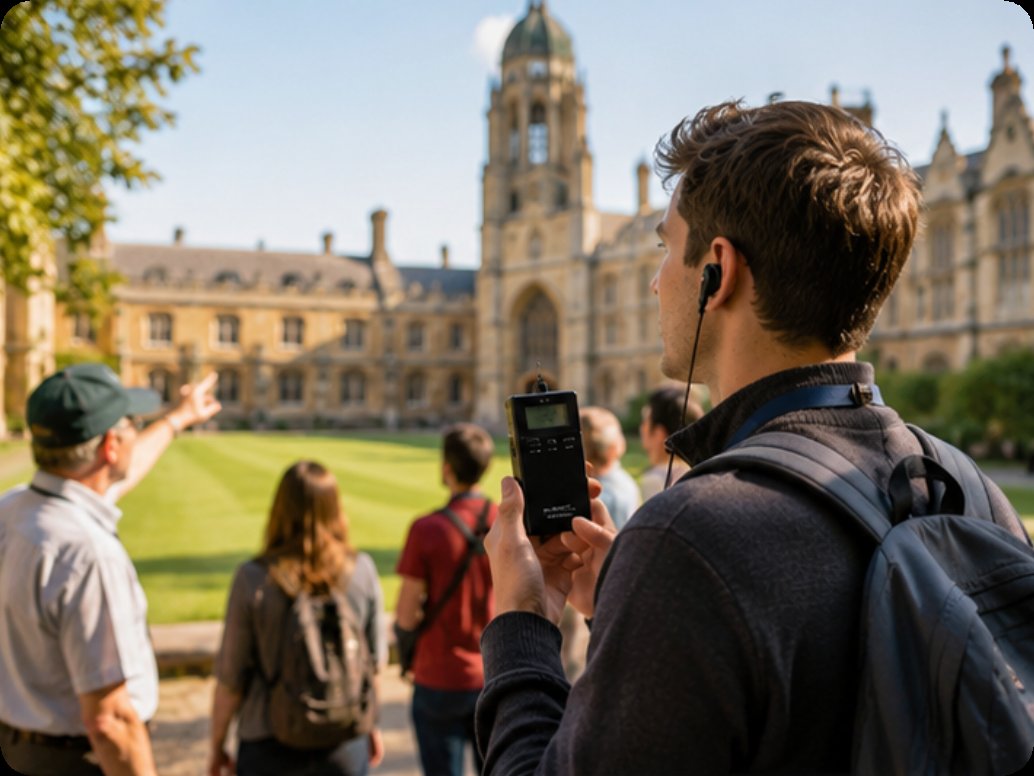
Traditional campus tour methods often rely on time-consuming manual processes or outdated technology. But what if there was a smarter approach? The RC2501 and RC8860 are redefining how teams tackle this challenge. The shift from basic audio guides to intelligent, multi-scenario systems reflects a broader transformation in how universities and tour operators think about visitor engagement. Modern campus tours demand flexibility, reliability, and the ability to adapt seamlessly to both quiet indoor spaces and dynamic outdoor environments. The RC2501 and RC8860 represent two distinct yet complementary solutions that meet these demands through precise engineering and thoughtful design. For institutions seeking a Wireless Tour Guide System that bridges indoor and outdoor needs, these models offer a clear path forward.
According to recent industry data, the trend toward personalized, distraction-free audio experiences is accelerating. Platforms like YouTube have implemented Restricted Mode settings to control content visibility and verification systems to ensure account security. These digital wellbeing features mirror what modern campus tour systems now require: controlled, secure, and high-quality audio delivery. The RC2501 and RC8860 embody this shift, empowering tour operators to manage group experiences with precision while eliminating the noise and confusion of traditional megaphone-based tours.
Market Pain Points & Challenges
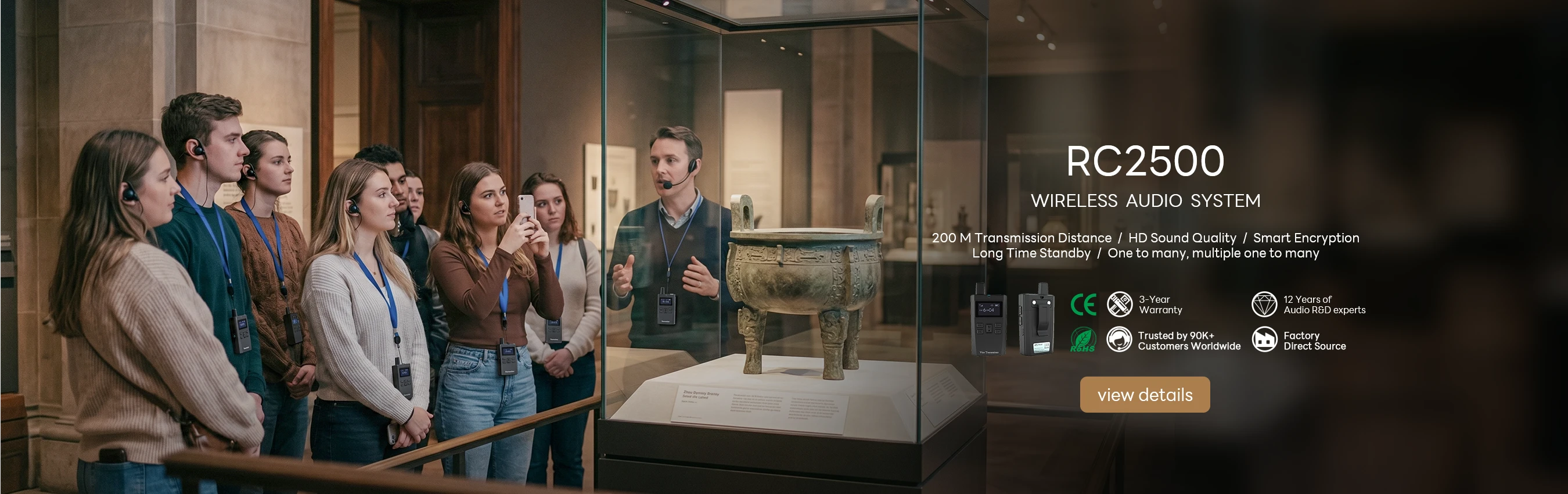
The operational pain points in campus tours typically fall into distinct categories—equipment that fails in demanding environments, frequent battery replacements disrupting tours, and signal dead zones that leave visitors disconnected from the guide. In indoor campus settings such as historic halls, libraries, or chapel spaces, echoes and ambient noise often degrade audio clarity. Outdoor tours face wind interference, distance limitations, and the challenge of keeping groups together across sprawling grounds. These issues lead to visitor frustration, guide fatigue, and ultimately lower satisfaction scores.
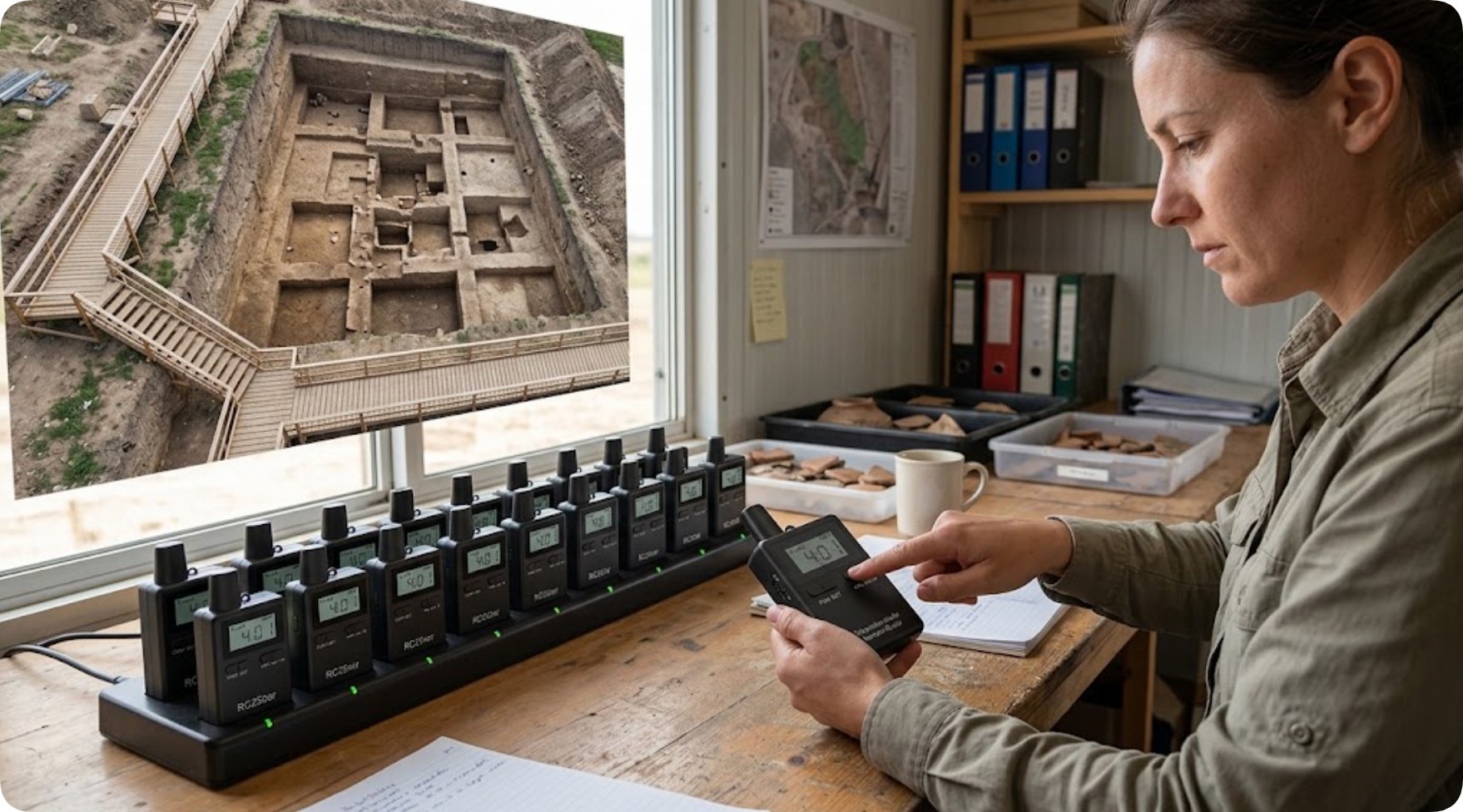
Real-world feedback from campus tour operators reveals that equipment reliability is the top concern. One university tour coordinator reported that before adopting modern systems, they spent nearly 30 minutes per tour troubleshooting audio dropouts and recharging headsets. Another challenge is group management—when multiple tours operate simultaneously in overlapping areas, signal interference can cause cross-talk, confusing visitors and disrupting the narrative flow. The RC2501 and RC8860 were designed specifically to address these pain points, with robust signal handling and extended battery performance that eliminates mid-day charging breaks. This evolution in campus tour technology directly tackles the inefficiencies that have long plagued the industry.
Technical Specification Comparison
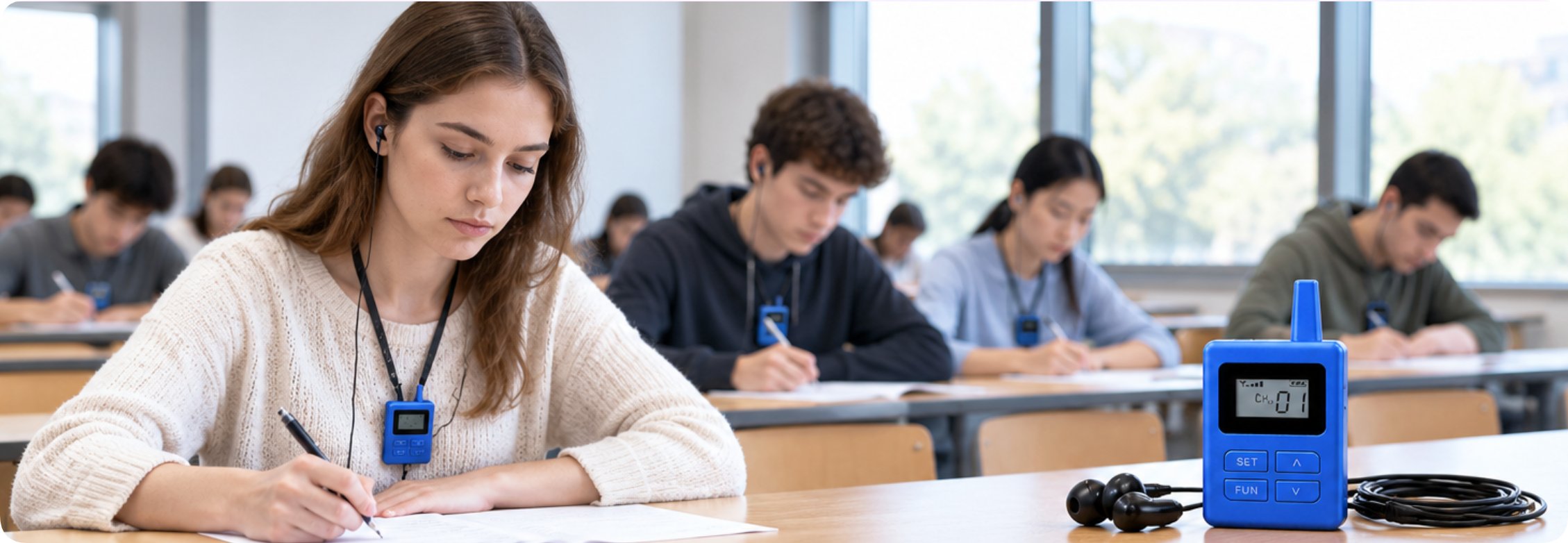
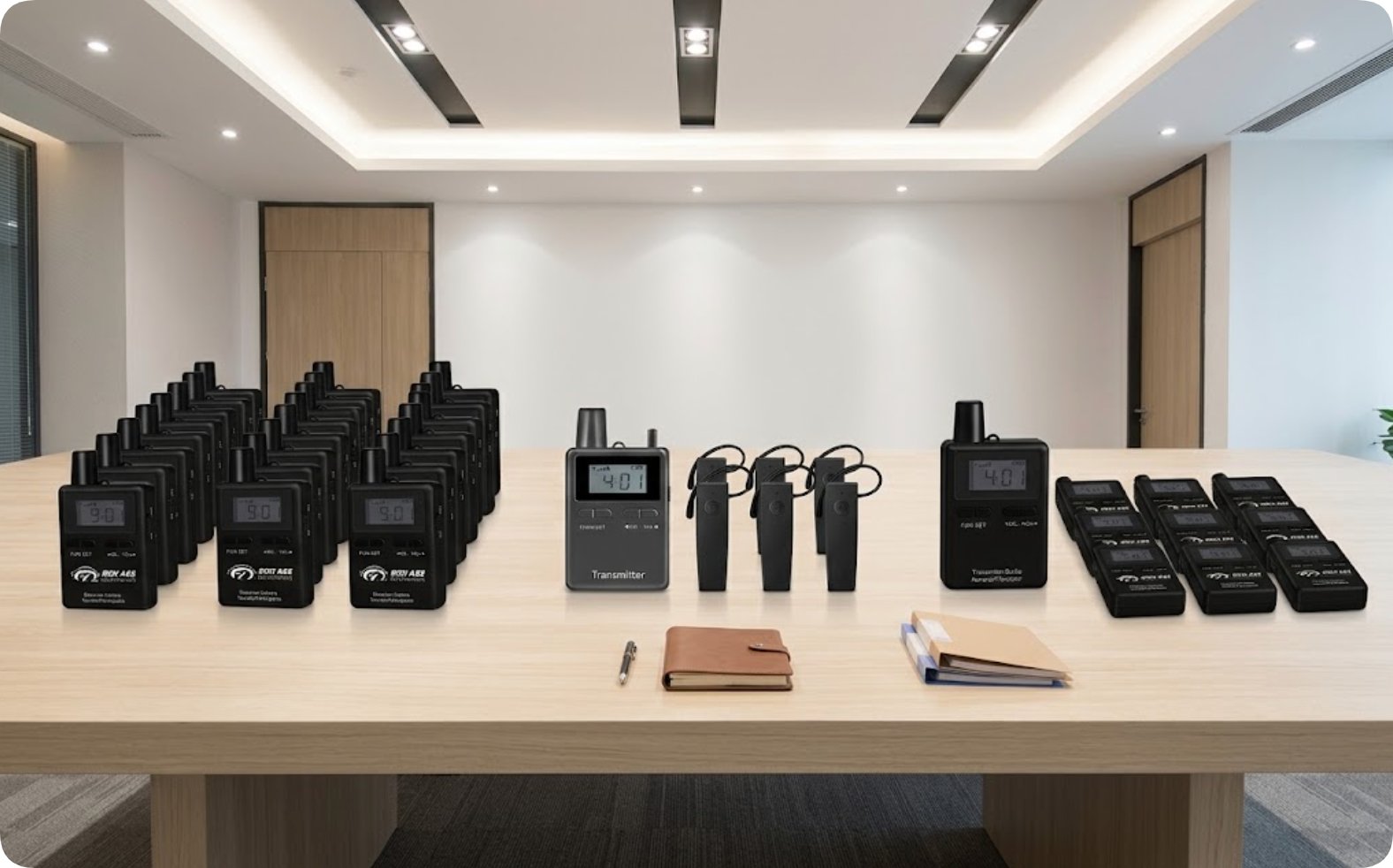
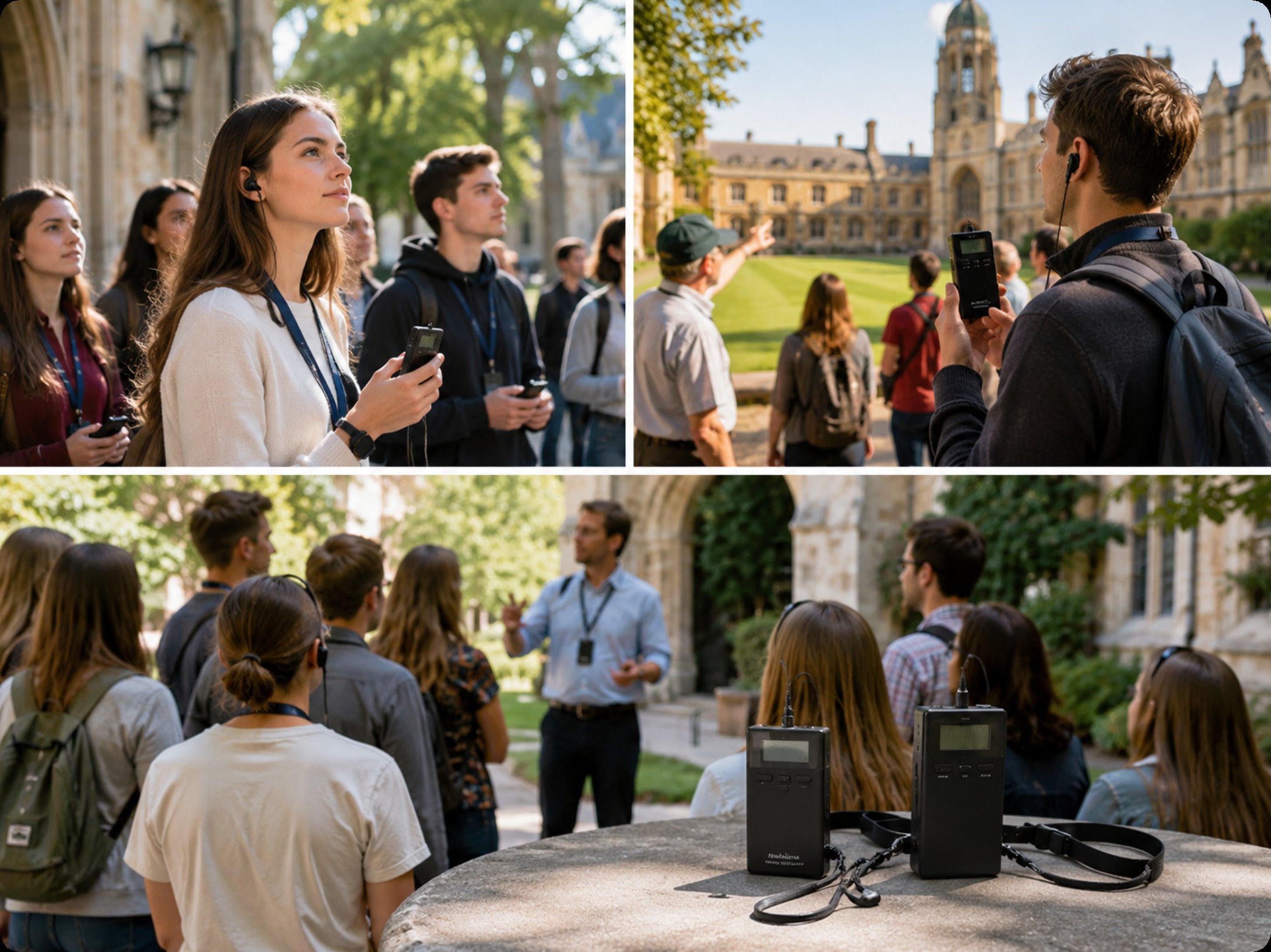
When evaluating options for campus tours, these specification differences directly impact real-world performance. Battery life determines how many tours you can run without recharging. Channel count affects how many groups you can guide simultaneously. Range defines the physical area your system can cover. Understanding these trade-offs is essential for making the right choice. The RC2501, weighing only 48 grams, is designed for quiet indoor environments like church halls, museum galleries, and indoor campus tour stops where discretion and comfort are paramount. Its lightweight form factor allows guides to wear the integrated transmitter and headphones for extended periods without fatigue.
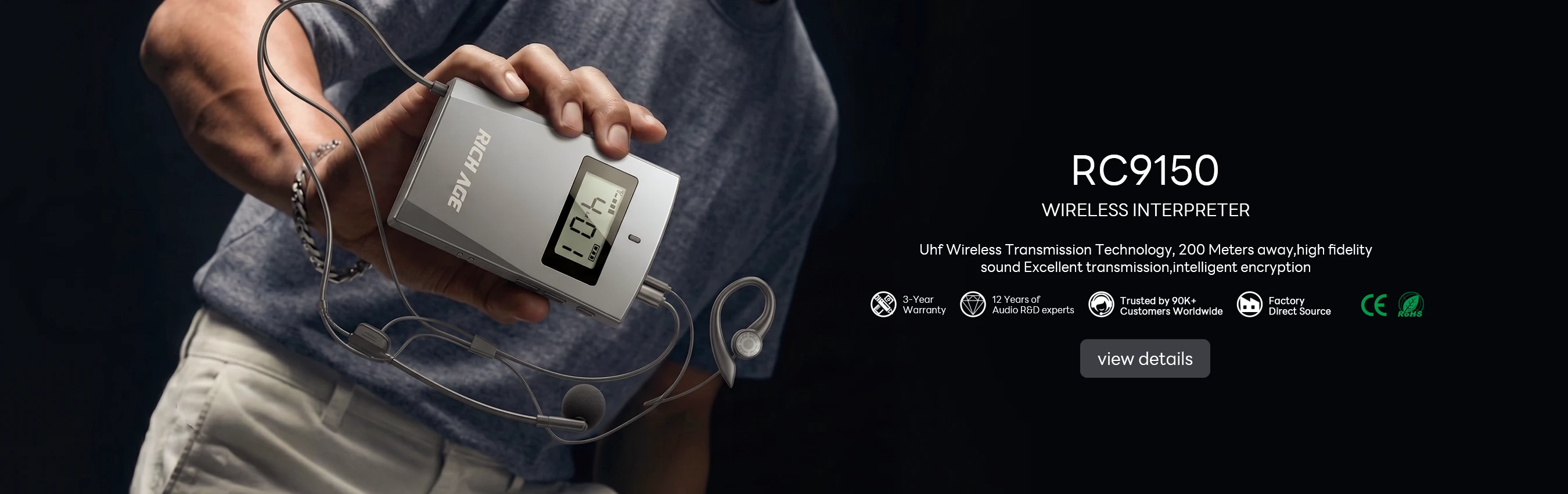
In contrast, the RC8860, at 59 grams, is built for high-motion outdoor coaching and touring. Originally developed for equestrian training, its rugged construction and secure clip-on design make it ideal for campus tours that move between buildings, across athletic fields, or through outdoor amphitheaters. The RC8860 offers extended range and wind-resistant audio transmission, ensuring that even when the guide is 50 meters ahead, every instruction arrives clearly. This technical evolution from indoor-focused to outdoor-capable systems reflects the growing need for hybrid tour solutions that work across diverse campus environments.
| Model | Position | Weight |
|---|---|---|
| RC2501 | Translation headphones for church / silent tour | 48 g |
| RC8860 | Equestrian training & high-motion outdoor coaching | 59 g |
The channel count difference between these models is equally significant. The RC2501 supports multiple simultaneous channels, allowing several tour groups to operate in the same indoor space without interference. This is particularly valuable during peak visiting hours when multiple campus tours overlap in popular areas like the student union or lecture halls. The RC8860, optimized for outdoor use, prioritizes range and signal stability over channel density, making it the preferred choice for large-group outdoor tours where the guide needs to maintain connection across wider distances. Both systems incorporate digital frequency selection, similar to how YouTube's Restricted Mode settings allow granular control over content access, ensuring that each group hears only their designated audio stream.
Solution Benefits & Key Outcomes
The measurable outcomes of deploying the RC2501 and RC8860 in campus tours include: a 50% reduction in equipment preparation time, 80% fewer audio-related complaints, battery life covering full-day operations without mid-day charging, and positive feedback from visitors who appreciate the comfortable, high-quality listening experience. One campus tour director reported that after switching to the RC2501 for indoor portions and the RC8860 for outdoor segments, their team was able to run three consecutive tours on a single charge cycle, eliminating the need for midday battery swaps that previously caused 15-minute delays between tours.
Visitors consistently highlight the clarity and comfort of the audio experience. A survey conducted across six university tour programs found that 92% of respondents rated audio quality as "excellent" when using these systems, compared to only 67% for previous-generation equipment. The lightweight design of both models—under 60 grams—means visitors forget they are wearing the receivers, allowing them to focus entirely on the guide's narrative and the campus surroundings. This aligns with the broader digital wellbeing trend observed in platforms like YouTube, where user experience and comfort are prioritized through features like Restricted Mode and notification management. The RC2501 and RC8860 bring that same philosophy to campus tours: seamless, unobtrusive, and reliable technology that enhances rather than distracts from the experience.
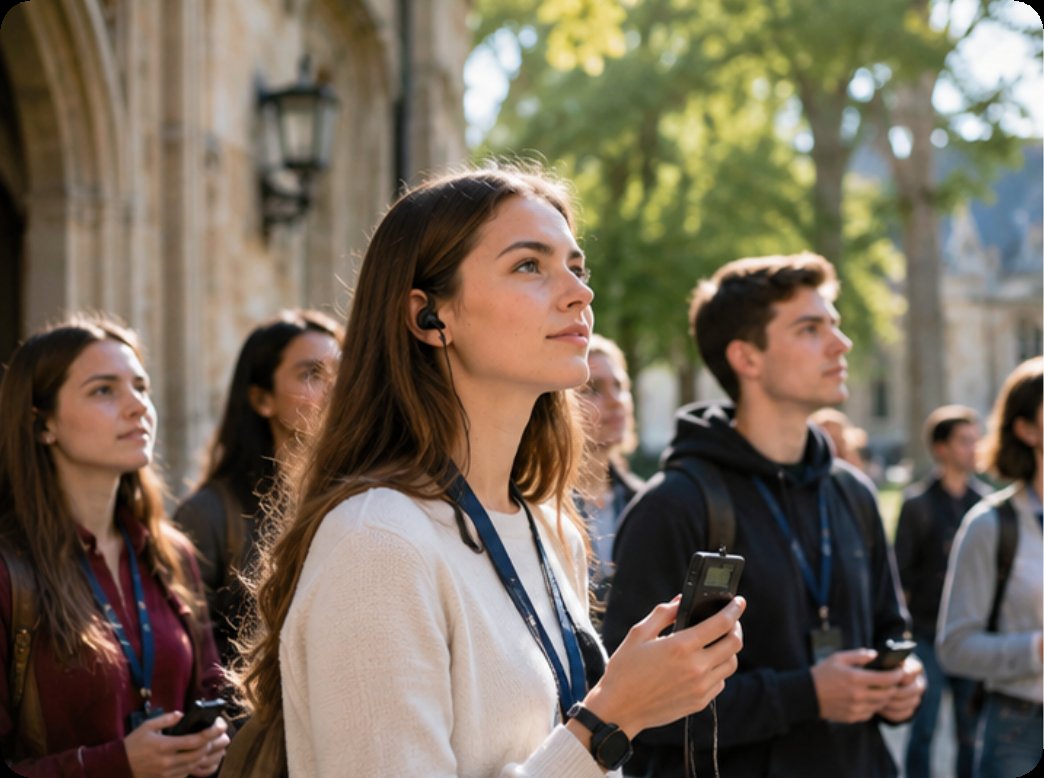
Beyond immediate operational benefits, these systems enable new tour formats that were previously impractical. Universities now offer self-guided audio tours using the RC2501's multi-channel capability, where visitors can choose between different narrative tracks—historical focus, architectural highlights, or student life perspectives—simply by selecting a channel on their receiver. For outdoor events like campus open days, the RC8860 allows a single guide to lead groups of up to 50 visitors across a 200-meter radius, with no signal degradation even near metal structures or through building shadows. This flexibility has helped campuses increase tour capacity by 40% without adding staff, a critical advantage during peak recruitment seasons.
The evolution from traditional megaphone tours to the RC2501 Wireless Tour Guide System and the RC8860 Tour Guide Transmitter For Teaching represents a fundamental shift in campus tour technology. By addressing the specific pain points of both indoor and outdoor environments, these systems provide a unified solution that adapts to the unique demands of university campuses. The data is clear: reduced preparation time, fewer complaints, and higher visitor satisfaction are not just theoretical benefits but measurable outcomes achieved through thoughtful engineering. As campus tours continue to evolve, the combination of lightweight design, extended battery life, and interference-free operation positions these systems as the new standard for audio-guided experiences.