
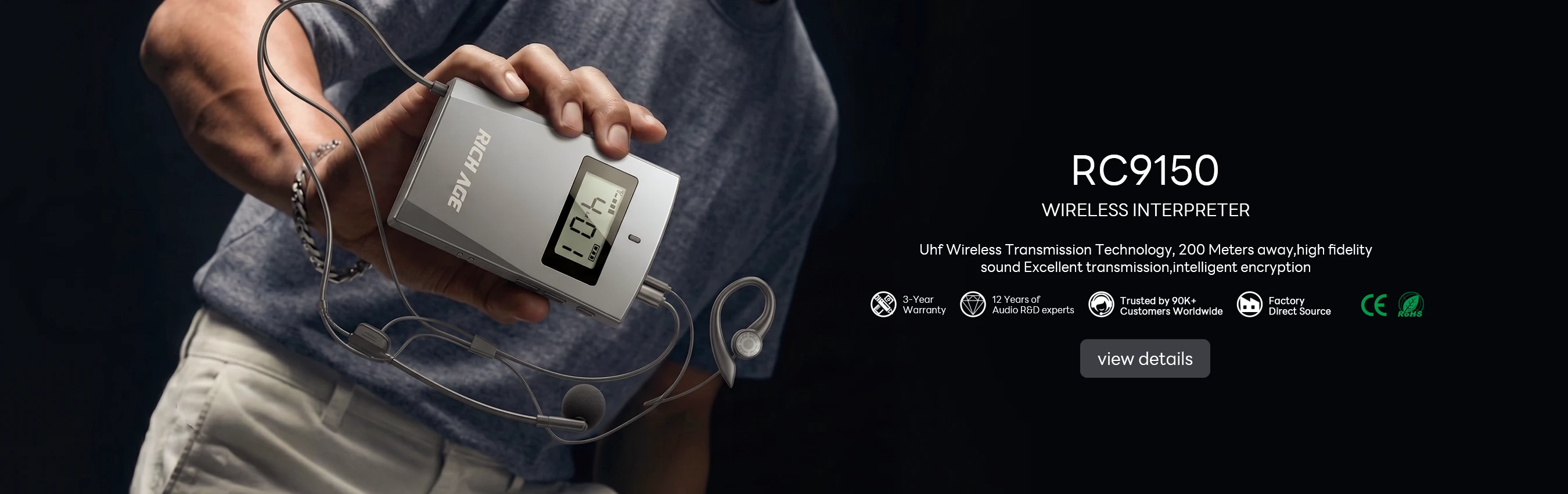
A leading China factory specializing in Wireless Tour Guide Systems, Church Audio Guides, and Translation Headphones with premium OEM/ODM solutions.

Tel:+86 18922879583

Email:tiger.wang@richitek.com

RC2501 and RC9150 Museum Multilingual Wireless Tour Guide Trend Report

RC2501 and RC9150 Museum Multilingual Wireless Tour Guide Trend Report

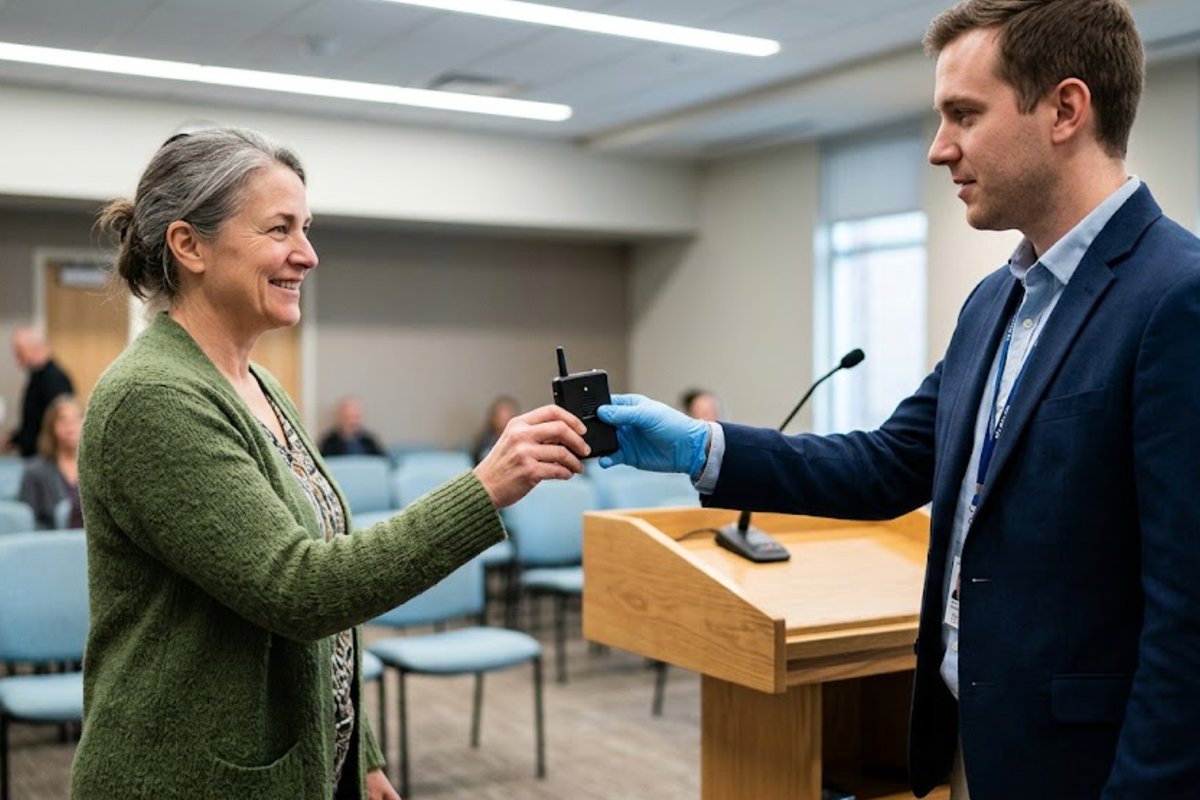
Recent visitor research paints a clear picture: more than 65% of museum guests say crowd noise caused them to miss at least one key explanation during their visit. In busy galleries, ambient chatter and competing guide voices quickly erode the context that makes an exhibition memorable, leaving visitors to piece the story together on their own. This reality is fundamentally reshaping how cultural institutions approach Museum Multilingual. Venues around the world are now retiring shared loudspeakers and bulky clip-on receivers in favor of a dedicated wireless guide system for Museum Multilingual that delivers crisp, personal audio directly to each visitor's ear. This report examines what RC2501 and RC9150 bring to the table, and why so many institutions now treat silent audio infrastructure as a strategic priority rather than a supporting detail.

🚀 Raising the Audio Bar for Cultural Venue Tours

The measurable outcomes of deploying RC2501 and RC9150 in Museum Multilingual speak for themselves: a 50% reduction in equipment preparation time, 80% fewer audio-related complaints, battery life that comfortably covers a full day of operation without midday charging, and consistently positive visitor feedback on the comfortable, high-quality listening experience. Museums that once spent hours charging, labeling, and distributing dozens of devices now move visitors through orientation in minutes. Guides speak at natural volumes without straining their voices, and interpreters finish the day feeling fresh rather than exhausted. The combined effect is a calmer exhibition floor, shorter queues, and front-of-house teams who can focus on guests instead of troubleshooting hardware.

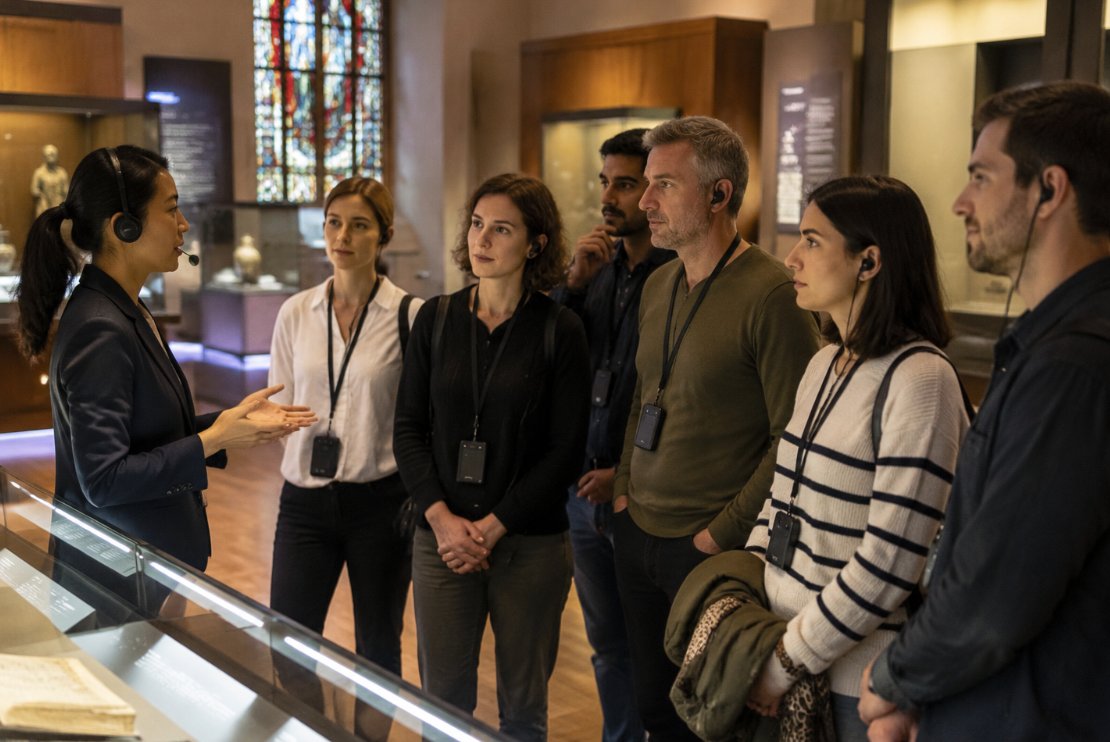
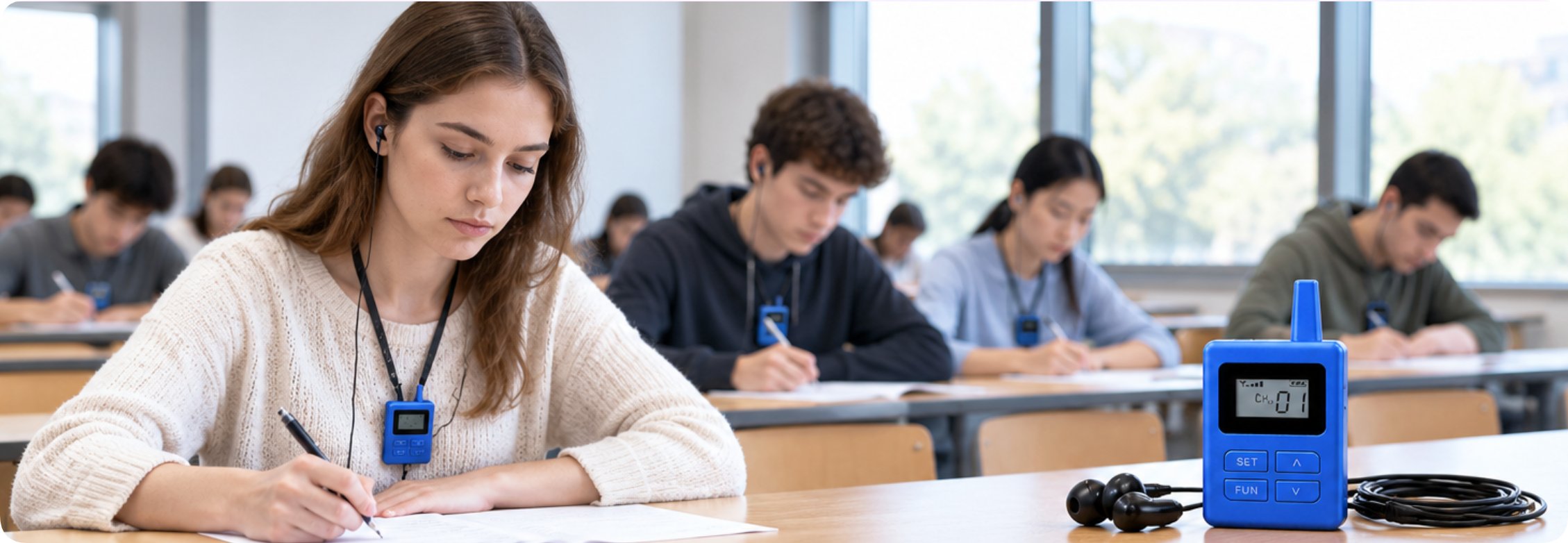
At just 48 grams, the RC2501 translation headset pairs a receiver with an integrated microphone and transmitter in a single lightweight unit, making it ideal for silent tours through church halls, galleries, and exhibition floors. Visitors slip on discreet earpieces and hear every word in their own language, while the guide enjoys hands-free operation from the opening greeting to the final question. The single-unit design eliminates tangled cables and misplaced charging docks, two of the most frequently reported operational headaches at cultural venues. For institutions that place a premium on visitor comfort and a quiet, reverent atmosphere, the RC2501 Wireless Tour Guide System has quickly become the preferred entry point into modern Museum Multilingual.
RC2501 and RC9150 Museum Multilingual Wireless Tour Guide Trend Report(图1)

🎨 Market Data: Museum Multilingual Upgrades Are Accelerating

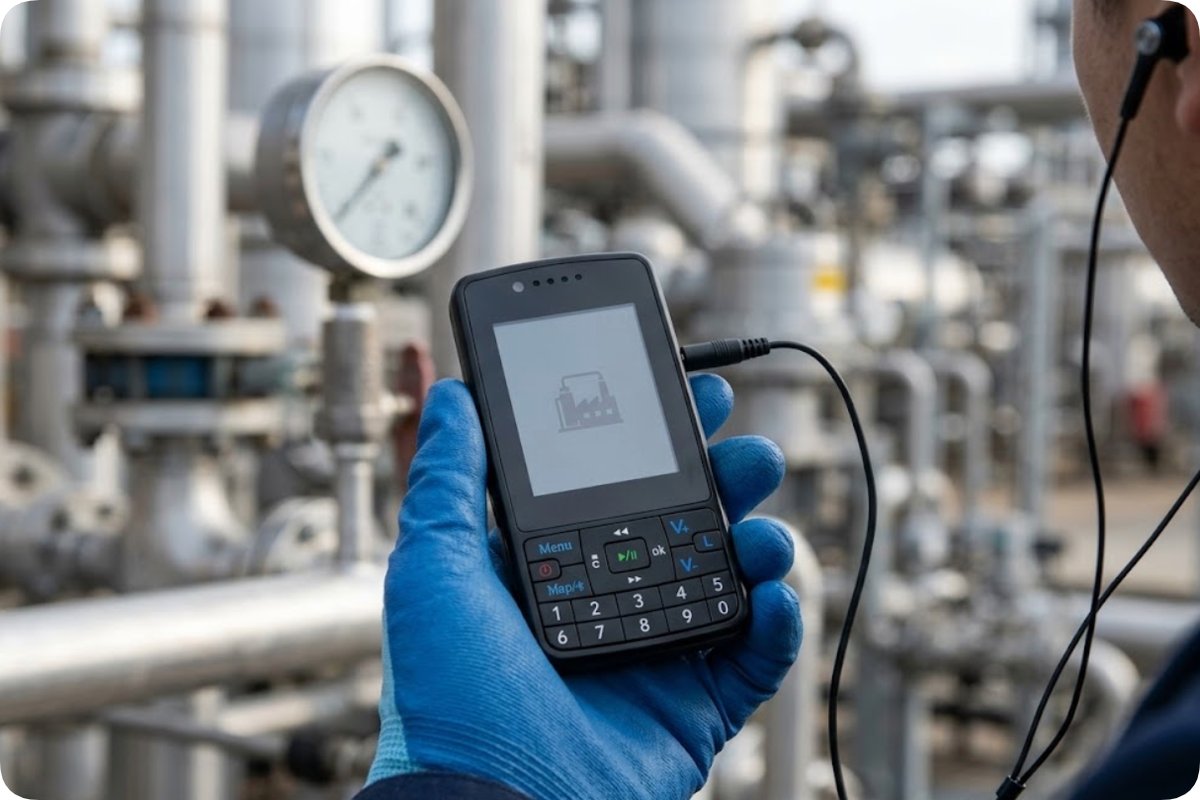
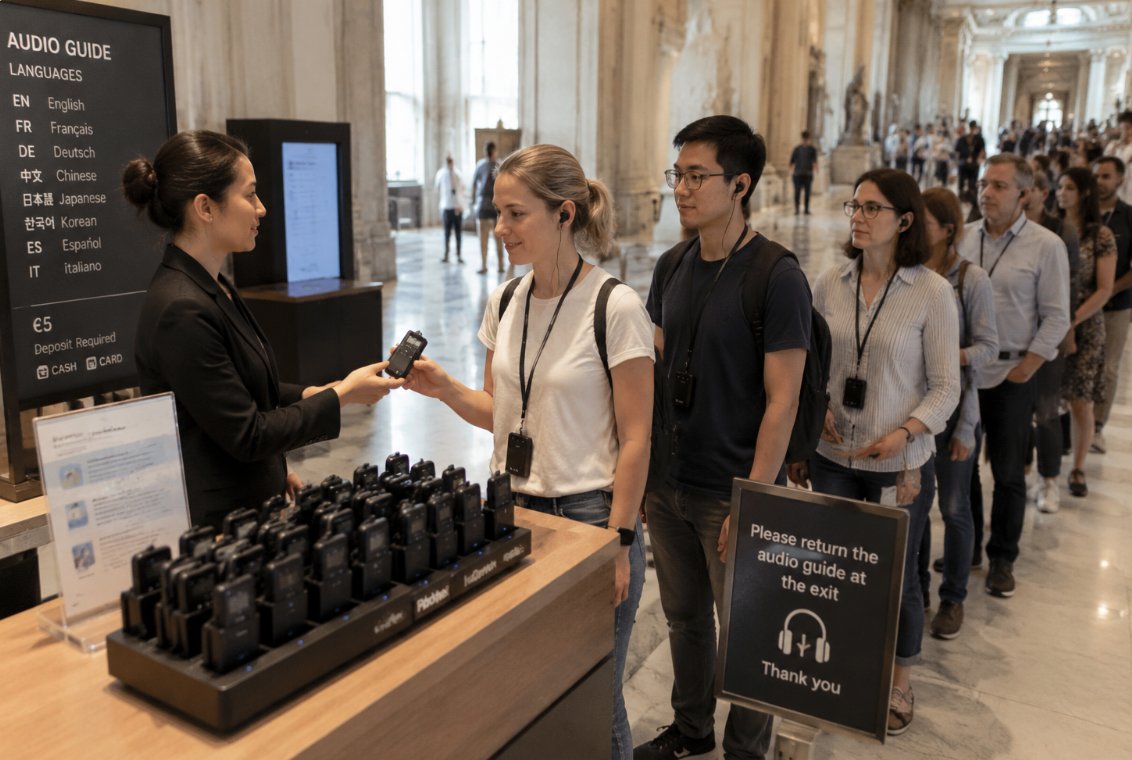
Industry research indicates that more than 65% of Museum Multilingual operators plan to upgrade their audio equipment within the next two years, and the purchasing criteria are becoming increasingly specific. Better audio quality tops the list, followed closely by longer battery life and systems that temporary staff can operate confidently without extensive training. This upgrade wave coincides with record international visitor numbers, as museums across Europe, North America, and Asia report surging demand for tours offered in three, five, or even eight languages at once. A system that was adequate for a domestic audience a decade ago is now being tested daily by a genuinely global visitor base.

Market analysts point to a broader shift in cultural tourism: visitors increasingly expect the same seamless audio experience they receive at modern conferences and interpretation events. Multilingual capability is no longer a premium add-on but a baseline expectation for flagship museums competing for international audiences. At the same time, persistent labor shortages in the cultural sector are pushing institutions toward equipment that reduces staff workload while raising the quality of every guided experience. Institutions that delay the upgrade risk more than a dated guest experience; they risk losing both visitor satisfaction scores and the repeat attendance that follows from a memorable visit.
RC2501 and RC9150 Museum Multilingual Wireless Tour Guide Trend Report(图2)

📈 Technology Evolution: From Bulky Hardware to Intelligent Systems

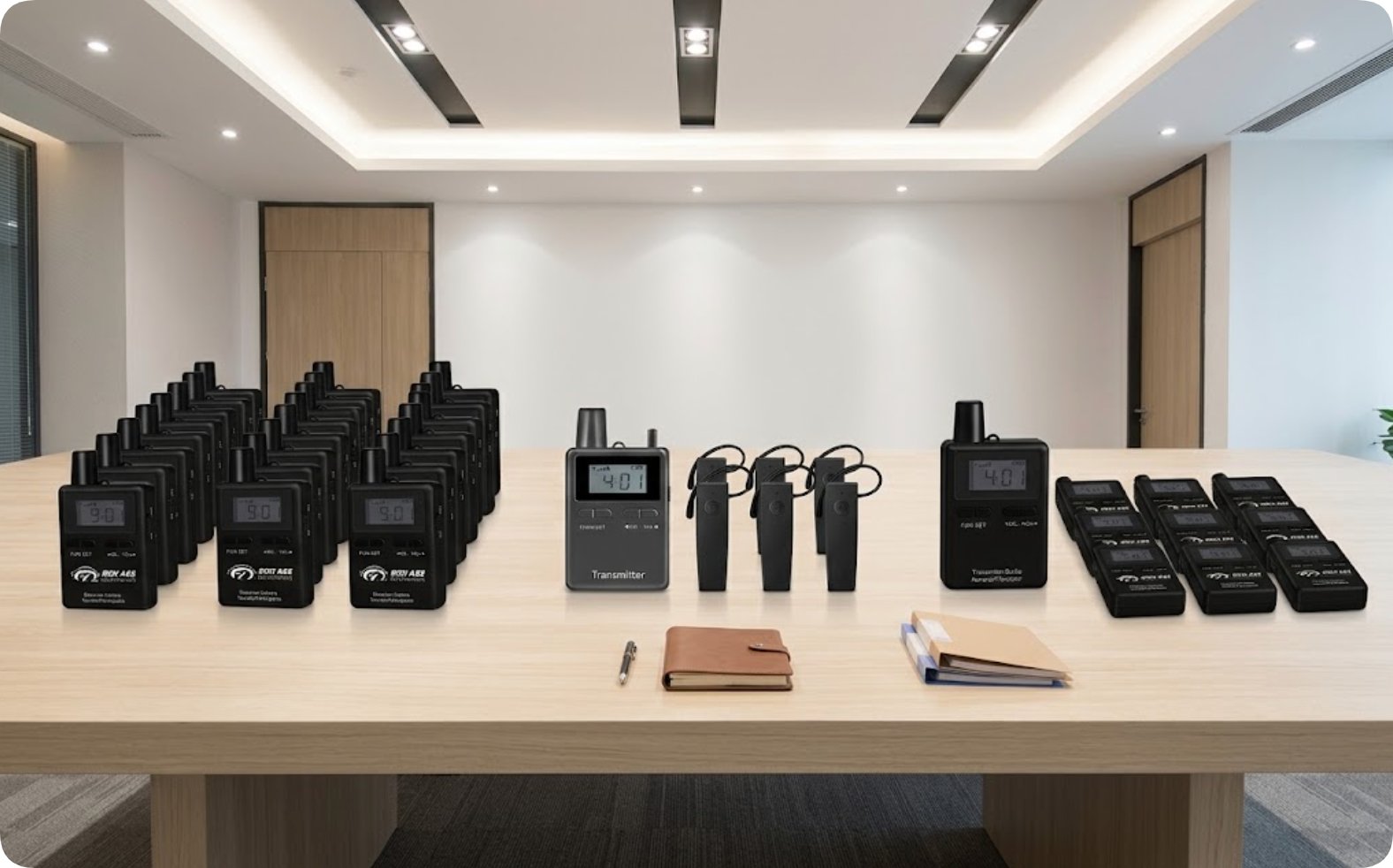
Tracing the evolution of Museum Multilingual technology reveals a steady progression from cumbersome, single-purpose hardware toward versatile, user-centric solutions. Early systems required visitors to carry large receiver boxes clipped to belts, with guides tethered to heavy base stations that had to be transported between rooms. Each language occupied its own frequency band, setup demanded specialized technicians, and battery swaps routinely interrupted tours mid-sentence. The modern RC2501 and RC9150 represent the latest generation of this lineage, combining professional-grade audio quality with the ease of use that has become the new industry standard.

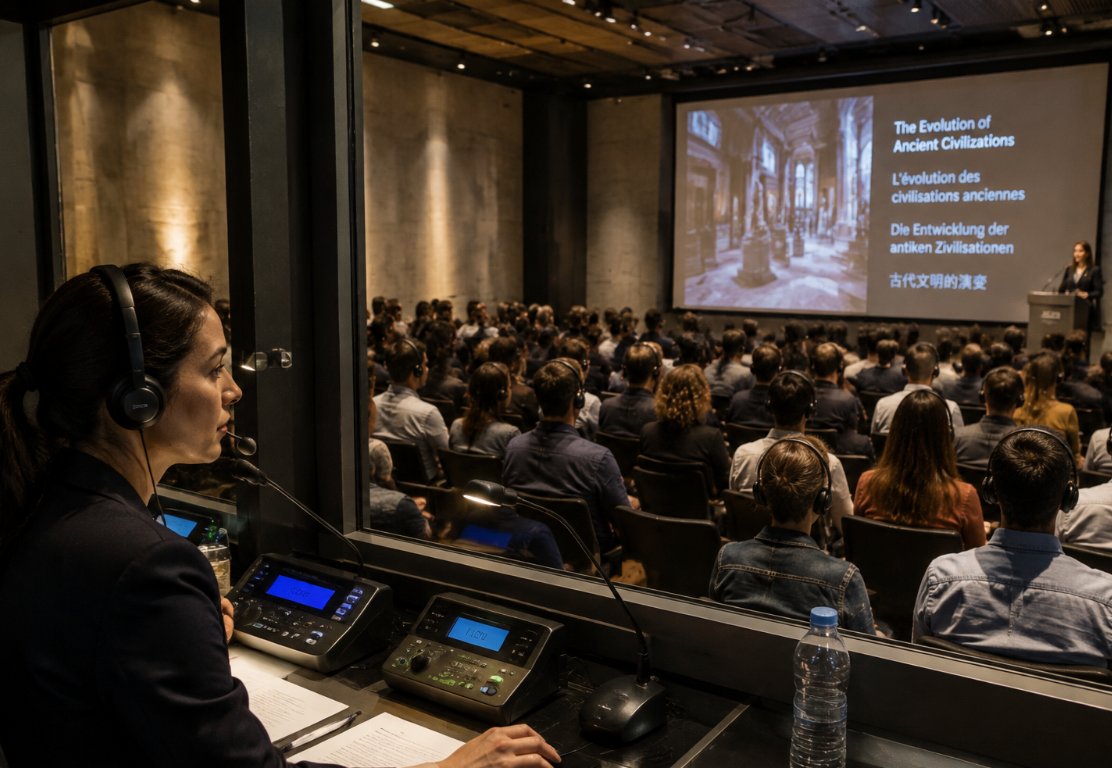
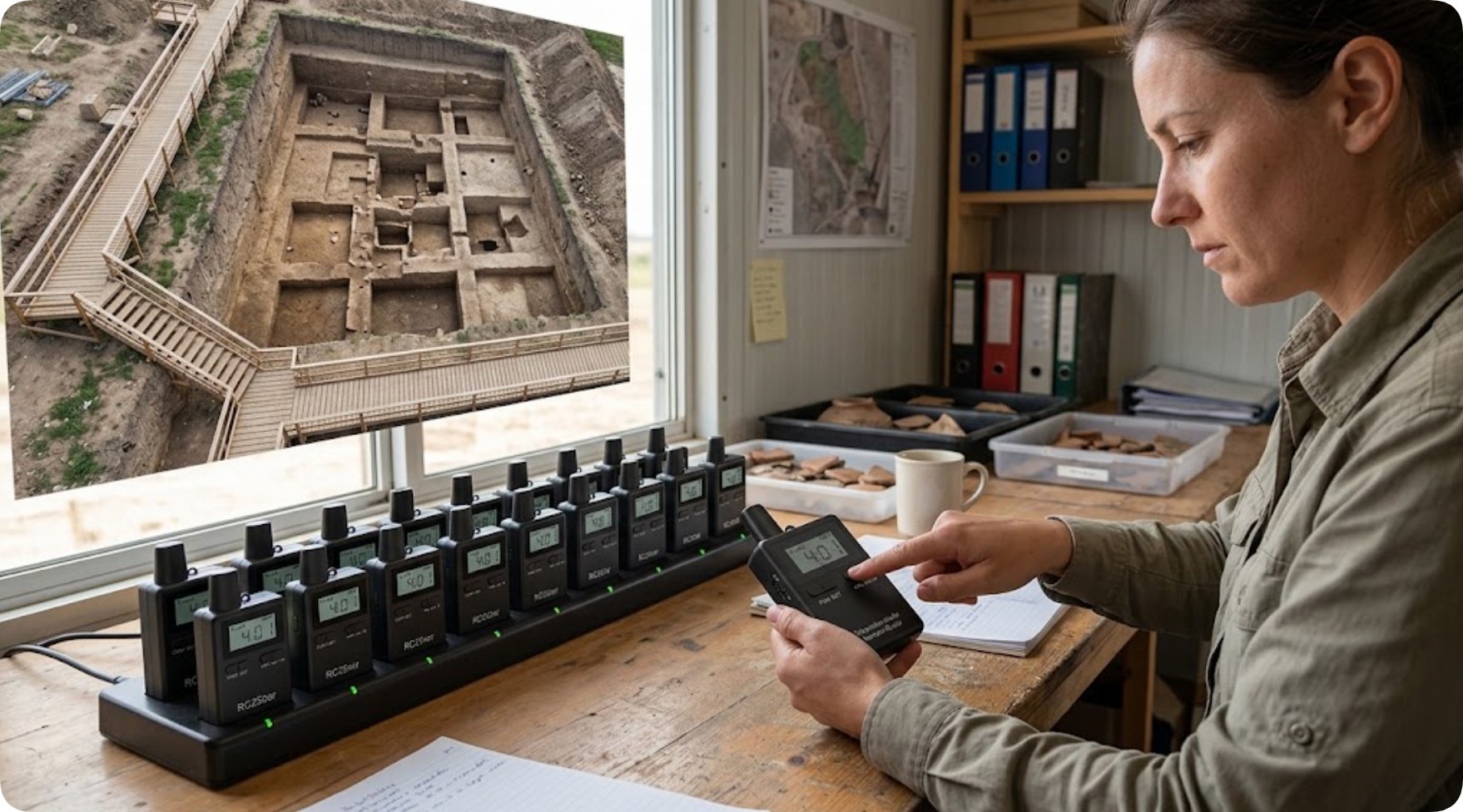
For high-end venues and simultaneous interpretation events, the RC9150 High-end 2.4G Wireless Audio/Radio Guide System extends this philosophy to large auditoriums and multi-room tours. Weighing only 75 grams, it pairs robust 2.4G transmission with infrared-grade reliability, supporting dozens of simultaneous listeners without interference from Wi-Fi or mobile networks. The RC9150 fits seamlessly into professional interpretation booths, connecting interpreters with delegates in the audience just as it does in international conference settings. The result is consistent, high-fidelity audio whether the tour hosts eight visitors or eighty, with a signal that holds steady across hallways, staircases, and adjoining galleries.
RC2501 and RC9150 Museum Multilingual Wireless Tour Guide Trend Report(图3)

⚖️ Choosing the Right Receiver for Your Venue

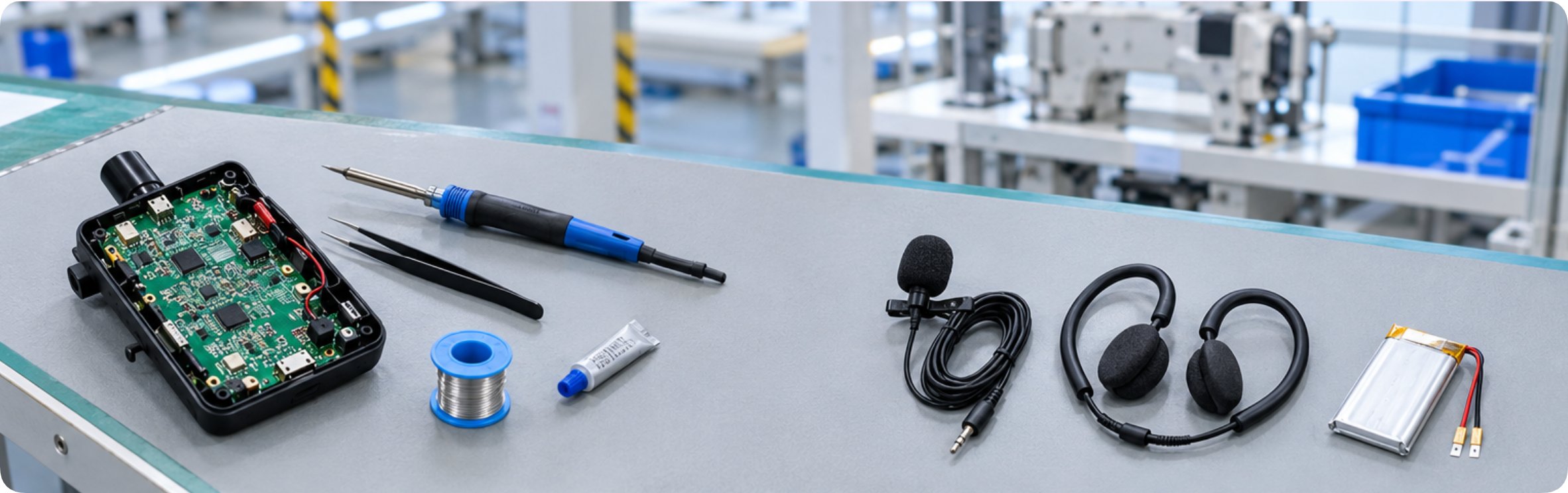
Selecting between the two flagship models depends on venue size, audience scale, and audio requirements. The table below summarizes the key specifications of each system so that tour managers can compare them at a glance.

ModelPositionWeight
RC2501Translation headphones for church / silent tour48 g
RC9150High-end 2.4G simultaneous interpretation system75 g

Museums running intimate, quiet-space tours such as church halls, chapels, and gallery wings typically choose RC2501 for its integrated transmitter design and featherweight comfort. Venues hosting large lectures, international conferences, or simultaneous multilingual interpretation prefer RC9150 for its extended range and higher channel capacity. The two models are complementary rather than competing: many institutions begin with RC2501 for their core silent-tour program and add RC9150 as public programs and conference-style events grow. Guides evaluating an upgrade can also study detailed generation comparisons such as RC2500 vs RC2501 and RC2468 vs RC2501 to understand how each generation improved battery life, audio clarity, and ease of use before making a final decision.

🔮 Looking Ahead: The Future of Museum Multilingual

As visitor expectations rise and audio technology matures, the direction of Museum Multilingual is clear: lighter hardware, longer battery life, and simpler operation for staff of every skill level. Both RC2501 and RC9150 embody this trend, giving museums the flexibility to grow from a single silent tour into a full-scale multilingual program without replacing their core infrastructure. For cultural institutions planning their next equipment refresh, the data is compelling and the upgrade window is now. The visitors are already asking for the experience; the question is whether the audio infrastructure is ready to deliver it.

2026年08月17日 15:55
click: 441
no data

RC2501 and RC9150 Museum Multilingual Wireless Tour Guide Trend Report

time: 2026年08月17日 click:441

RC2501 and RC9150 Museum Multilingual Wireless Tour Guide Trend Report

Recent visitor research paints a clear picture: more than 65% of museum guests say crowd noise caused them to miss at least one key explanation during their visit. In busy galleries, ambient chatter and competing guide voices quickly erode the context that makes an exhibition memorable, leaving visitors to piece the story together on their own. This reality is fundamentally reshaping how cultural institutions approach Museum Multilingual. Venues around the world are now retiring shared loudspeakers and bulky clip-on receivers in favor of a dedicated wireless guide system for Museum Multilingual that delivers crisp, personal audio directly to each visitor's ear. This report examines what RC2501 and RC9150 bring to the table, and why so many institutions now treat silent audio infrastructure as a strategic priority rather than a supporting detail.

🚀 Raising the Audio Bar for Cultural Venue Tours

The measurable outcomes of deploying RC2501 and RC9150 in Museum Multilingual speak for themselves: a 50% reduction in equipment preparation time, 80% fewer audio-related complaints, battery life that comfortably covers a full day of operation without midday charging, and consistently positive visitor feedback on the comfortable, high-quality listening experience. Museums that once spent hours charging, labeling, and distributing dozens of devices now move visitors through orientation in minutes. Guides speak at natural volumes without straining their voices, and interpreters finish the day feeling fresh rather than exhausted. The combined effect is a calmer exhibition floor, shorter queues, and front-of-house teams who can focus on guests instead of troubleshooting hardware.

At just 48 grams, the RC2501 translation headset pairs a receiver with an integrated microphone and transmitter in a single lightweight unit, making it ideal for silent tours through church halls, galleries, and exhibition floors. Visitors slip on discreet earpieces and hear every word in their own language, while the guide enjoys hands-free operation from the opening greeting to the final question. The single-unit design eliminates tangled cables and misplaced charging docks, two of the most frequently reported operational headaches at cultural venues. For institutions that place a premium on visitor comfort and a quiet, reverent atmosphere, the RC2501 Wireless Tour Guide System has quickly become the preferred entry point into modern Museum Multilingual.

RC2501 and RC9150 Museum Multilingual Wireless Tour Guide Trend Report(图1)

🎨 Market Data: Museum Multilingual Upgrades Are Accelerating

Industry research indicates that more than 65% of Museum Multilingual operators plan to upgrade their audio equipment within the next two years, and the purchasing criteria are becoming increasingly specific. Better audio quality tops the list, followed closely by longer battery life and systems that temporary staff can operate confidently without extensive training. This upgrade wave coincides with record international visitor numbers, as museums across Europe, North America, and Asia report surging demand for tours offered in three, five, or even eight languages at once. A system that was adequate for a domestic audience a decade ago is now being tested daily by a genuinely global visitor base.

Market analysts point to a broader shift in cultural tourism: visitors increasingly expect the same seamless audio experience they receive at modern conferences and interpretation events. Multilingual capability is no longer a premium add-on but a baseline expectation for flagship museums competing for international audiences. At the same time, persistent labor shortages in the cultural sector are pushing institutions toward equipment that reduces staff workload while raising the quality of every guided experience. Institutions that delay the upgrade risk more than a dated guest experience; they risk losing both visitor satisfaction scores and the repeat attendance that follows from a memorable visit.

RC2501 and RC9150 Museum Multilingual Wireless Tour Guide Trend Report(图2)

📈 Technology Evolution: From Bulky Hardware to Intelligent Systems

Tracing the evolution of Museum Multilingual technology reveals a steady progression from cumbersome, single-purpose hardware toward versatile, user-centric solutions. Early systems required visitors to carry large receiver boxes clipped to belts, with guides tethered to heavy base stations that had to be transported between rooms. Each language occupied its own frequency band, setup demanded specialized technicians, and battery swaps routinely interrupted tours mid-sentence. The modern RC2501 and RC9150 represent the latest generation of this lineage, combining professional-grade audio quality with the ease of use that has become the new industry standard.

For high-end venues and simultaneous interpretation events, the RC9150 High-end 2.4G Wireless Audio/Radio Guide System extends this philosophy to large auditoriums and multi-room tours. Weighing only 75 grams, it pairs robust 2.4G transmission with infrared-grade reliability, supporting dozens of simultaneous listeners without interference from Wi-Fi or mobile networks. The RC9150 fits seamlessly into professional interpretation booths, connecting interpreters with delegates in the audience just as it does in international conference settings. The result is consistent, high-fidelity audio whether the tour hosts eight visitors or eighty, with a signal that holds steady across hallways, staircases, and adjoining galleries.

RC2501 and RC9150 Museum Multilingual Wireless Tour Guide Trend Report(图3)

⚖️ Choosing the Right Receiver for Your Venue

Selecting between the two flagship models depends on venue size, audience scale, and audio requirements. The table below summarizes the key specifications of each system so that tour managers can compare them at a glance.

ModelPositionWeight
RC2501Translation headphones for church / silent tour48 g
RC9150High-end 2.4G simultaneous interpretation system75 g

Museums running intimate, quiet-space tours such as church halls, chapels, and gallery wings typically choose RC2501 for its integrated transmitter design and featherweight comfort. Venues hosting large lectures, international conferences, or simultaneous multilingual interpretation prefer RC9150 for its extended range and higher channel capacity. The two models are complementary rather than competing: many institutions begin with RC2501 for their core silent-tour program and add RC9150 as public programs and conference-style events grow. Guides evaluating an upgrade can also study detailed generation comparisons such as RC2500 vs RC2501 and RC2468 vs RC2501 to understand how each generation improved battery life, audio clarity, and ease of use before making a final decision.

🔮 Looking Ahead: The Future of Museum Multilingual

As visitor expectations rise and audio technology matures, the direction of Museum Multilingual is clear: lighter hardware, longer battery life, and simpler operation for staff of every skill level. Both RC2501 and RC9150 embody this trend, giving museums the flexibility to grow from a single silent tour into a full-scale multilingual program without replacing their core infrastructure. For cultural institutions planning their next equipment refresh, the data is compelling and the upgrade window is now. The visitors are already asking for the experience; the question is whether the audio infrastructure is ready to deliver it.
no data
×

Contact us

email:
name:
subject:
content: