A leading China factory specializing in Wireless Tour Guide Systems, Church Audio Guides, and Translation Headphones with premium OEM/ODM solutions.

Tel:+86 18922879583

Email:tiger.wang@richitek.com

How RC2468 Evolves Food Factory Tour Audio

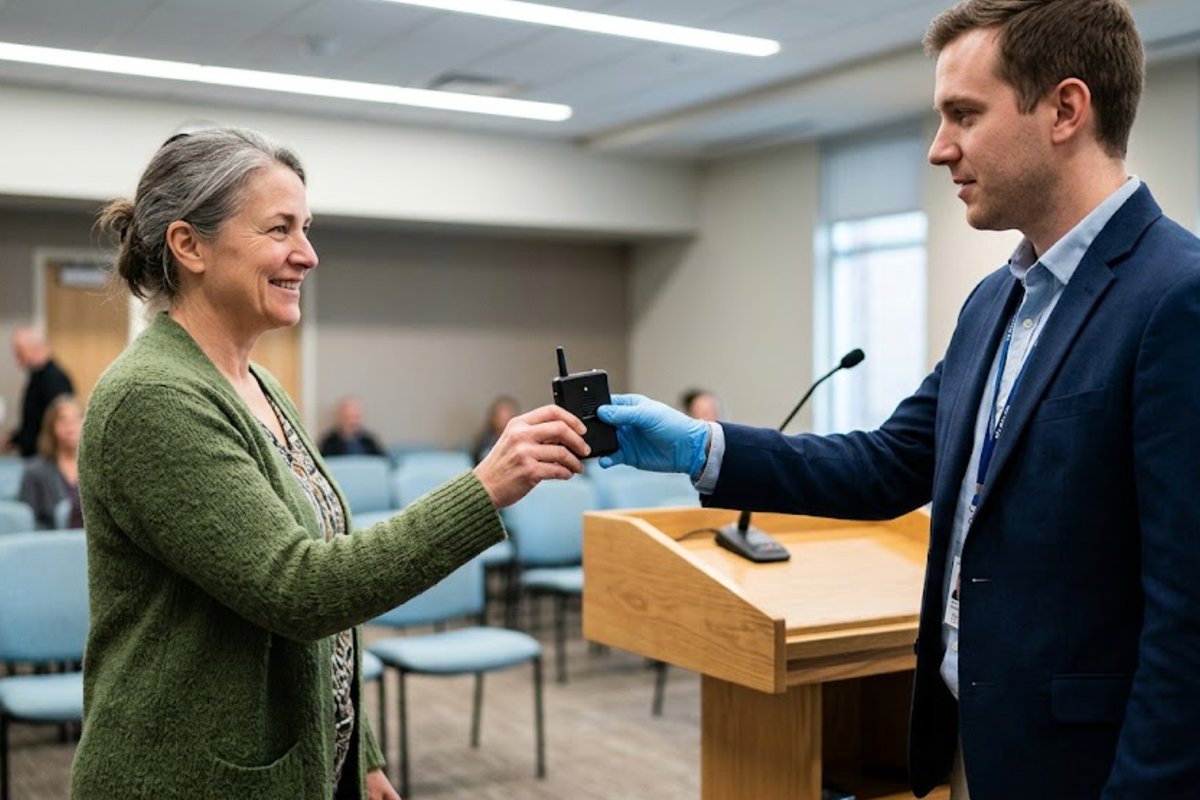
Recent industry surveys point to a quiet but decisive shift in the food sector: open production lines have become a signal of quality for consumers, and the guided tour is often the moment where trust is either built or lost. Yet most plants still rely on audio habits designed decades ago. As food producers across categories open their doors to visitors, tour audio is moving from a courtesy feature to a core part of the visitor experience. The question is no longer whether to modernize, but which technical route fits the way each plant actually runs its tours.

For decades, a guided visit to a food production line leaned on three tools: a raised voice, a raised hand, and a circle of visitors pressing in close enough to hear. That approach worked while tours were occasional, small, and unhurried. It collapses the moment packaging equipment starts clattering and a group stands a few meters from a running line. As clean-visit culture spreads and more plants open their doors to consumers, regulators, and business partners, dependable tour audio has shifted from a nice-to-have to a defining part of how professional a tour feels. Visitors who can hear every word walk away with a stronger impression of the brand; visitors who cannot remember little beyond the noise.

The shift is backed by measurable trends. Industry surveys on factory transparency show that a majority of consumers treat visible production lines as evidence of quality, and many say a guided tour meaningfully influences how much they trust a brand. Yet the acoustic reality of a food hall often sits somewhere between a busy restaurant and a construction site, which is why the underlying audio technology decides whether a tour feels professional or chaotic. For organizations modernizing their approach, choosing the right wireless guide system for Food Factory Tour is the difference between narrating over noise and speaking directly into a calm, personal channel.

📡 The RC2468 Generation: 2.4G Digital Wireless Comes to the Factory Floor

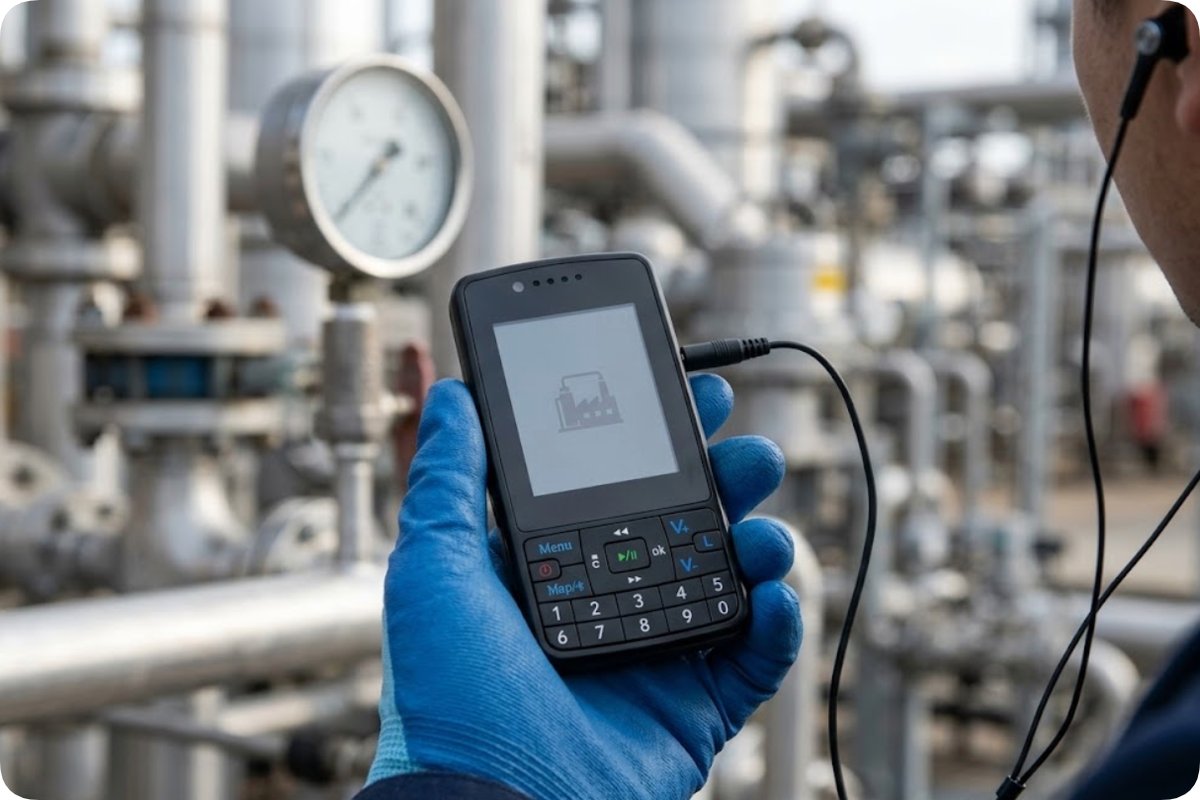
The technical evolution of tour guidance equipment follows three clear generations. First-generation wired loops required permanent installation along the route and constant re-cabling whenever a line was rearranged. Second-generation analog FM radios improved mobility but suffered from crosstalk, frequency crowding, and signal dropouts near steel racks and conveyor motors. The current generation is built on 2.4G digital wireless, which hops across channels automatically, rejects interference, and keeps a stable link alive even inside a live production hall. This is the generation that finally matches the acoustics of a working factory floor.

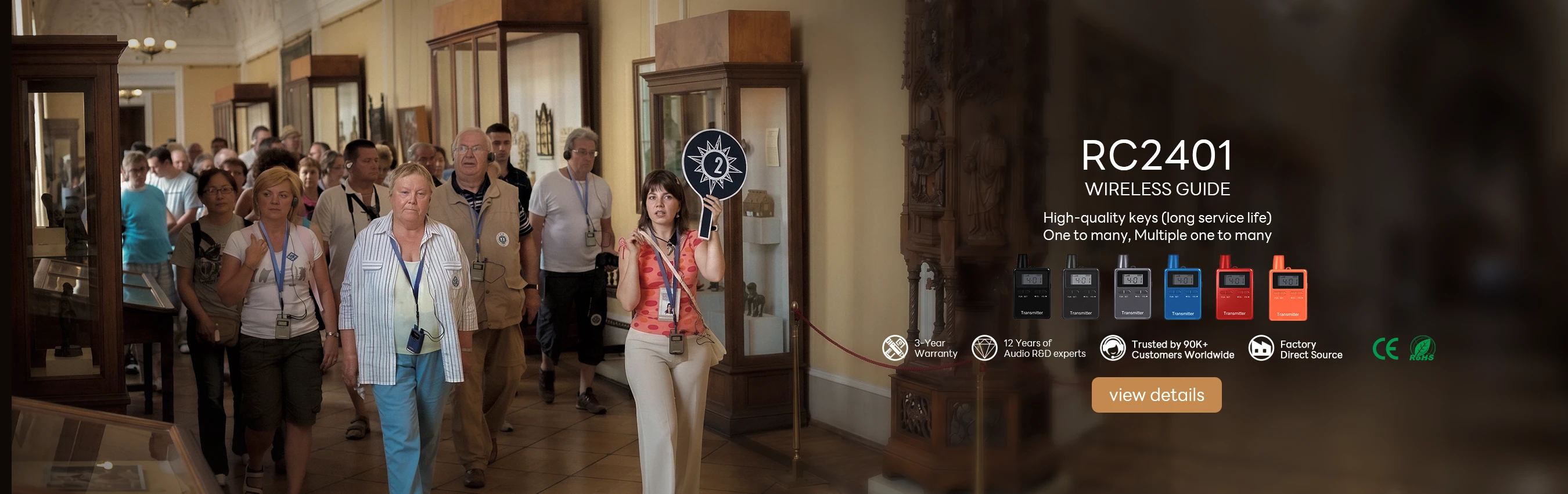
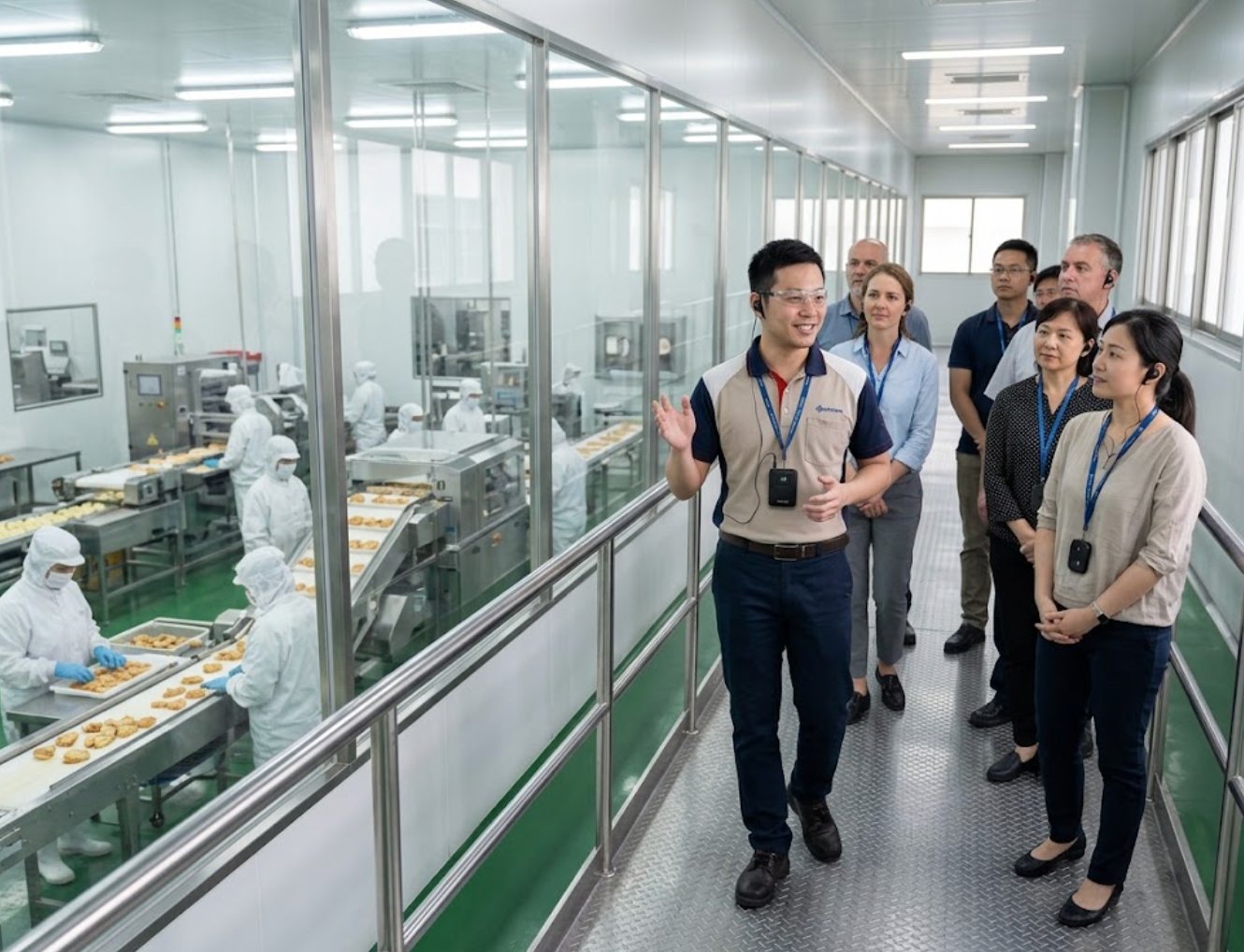
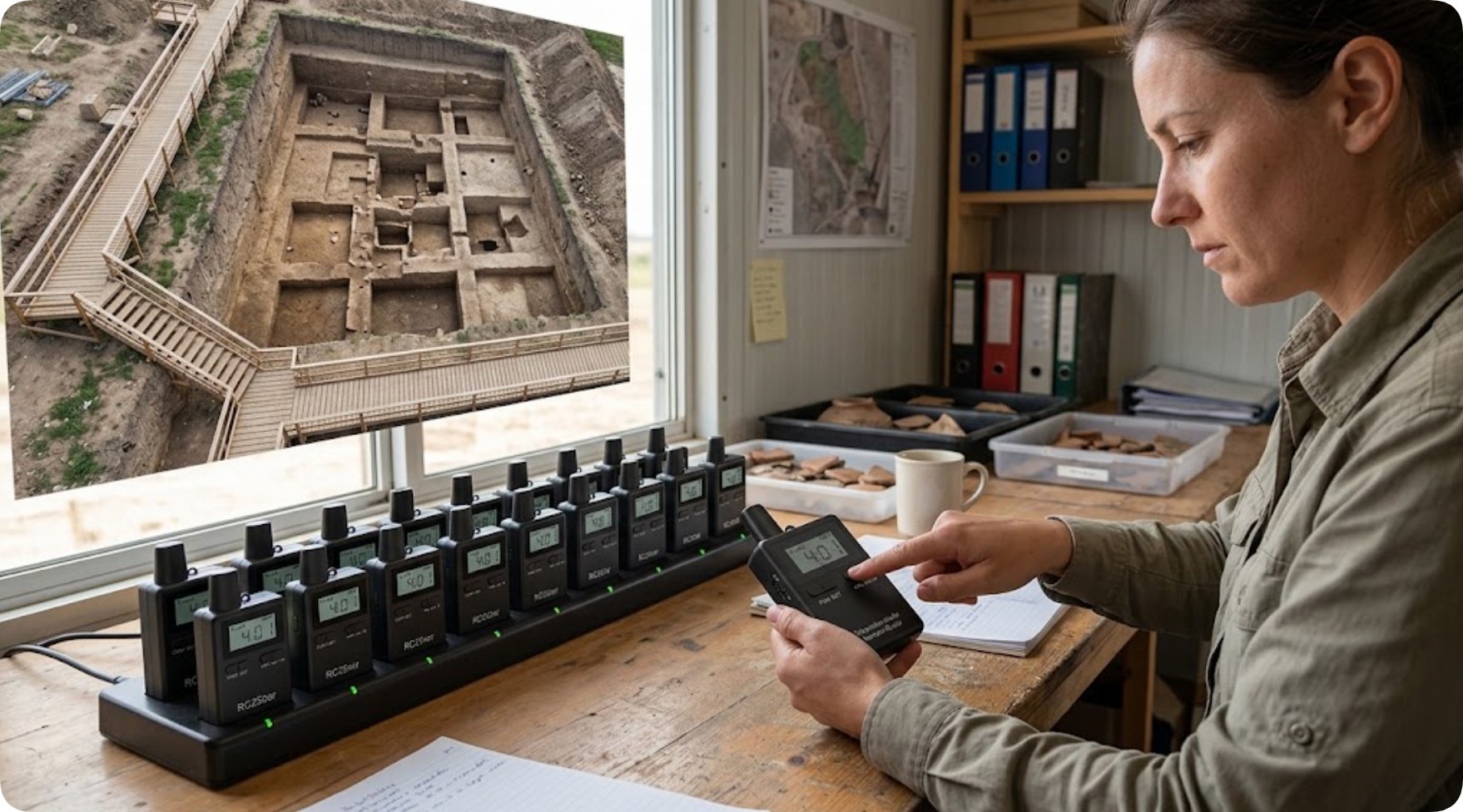
Factory tour managers evaluating a modern upgrade usually start with the radio layer, because it decides how far the system can be pushed across a long route. The RC2468 Ultra-Light 2.4G Wireless Tour Guide System is built for exactly this environment. At just 38 grams, the transmitter clips onto a collar or the pocket of a hygienic coverall without tugging at protective clothing, while the compact receiver leaves both hands free for door handles, sampling cups, and safety barriers. Auto channel hopping means a guide can walk a two-hour route through grinding, baking, and packing zones without re-syncing the group or losing a single visitor's audio feed. Guides stay natural, visitors stay comfortable, and the tour keeps moving at the pace of production.
How RC2468 Evolves Food Factory Tour Audio(图1)

RC2501 for Quiet, Low-Interference Explanation

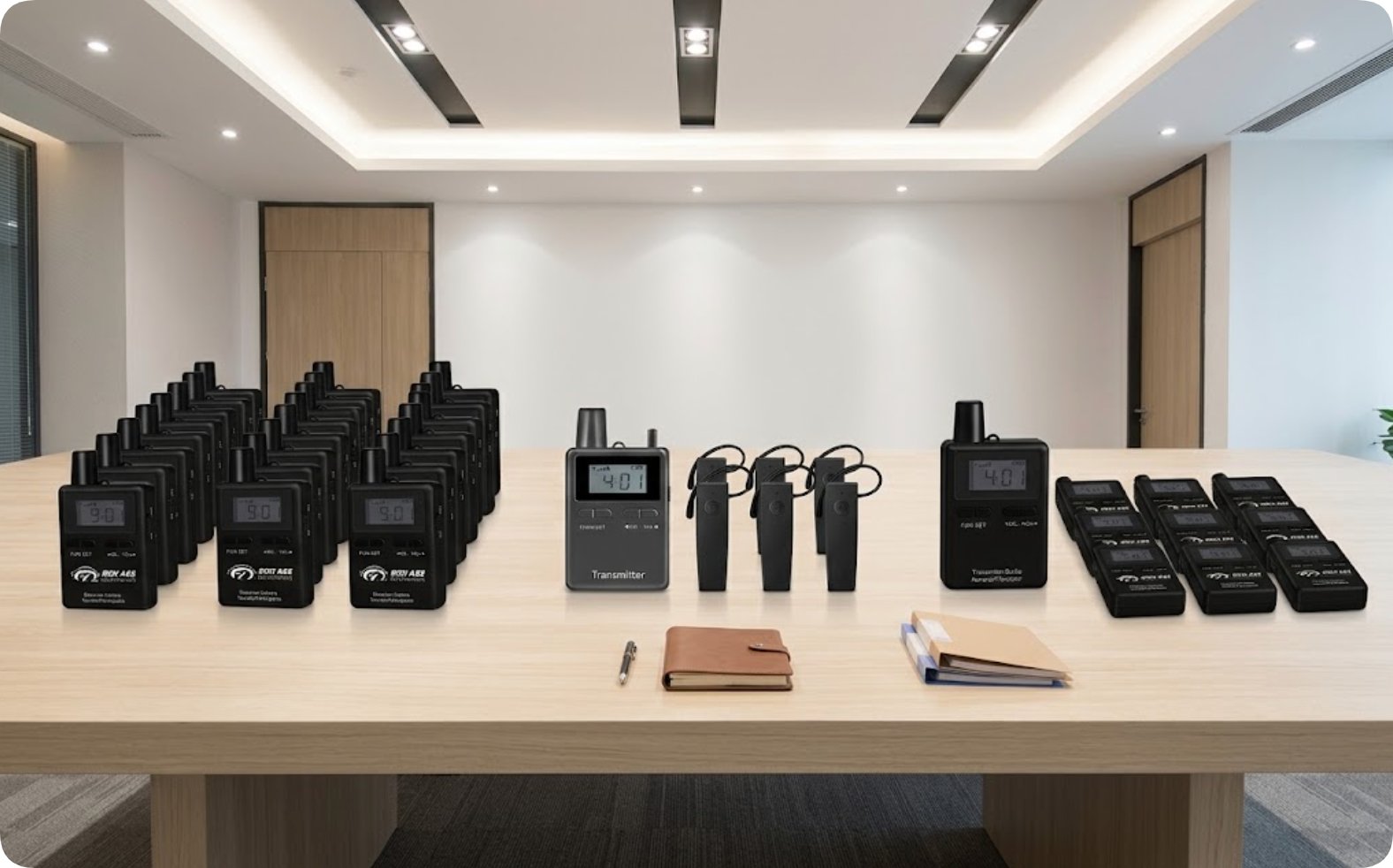
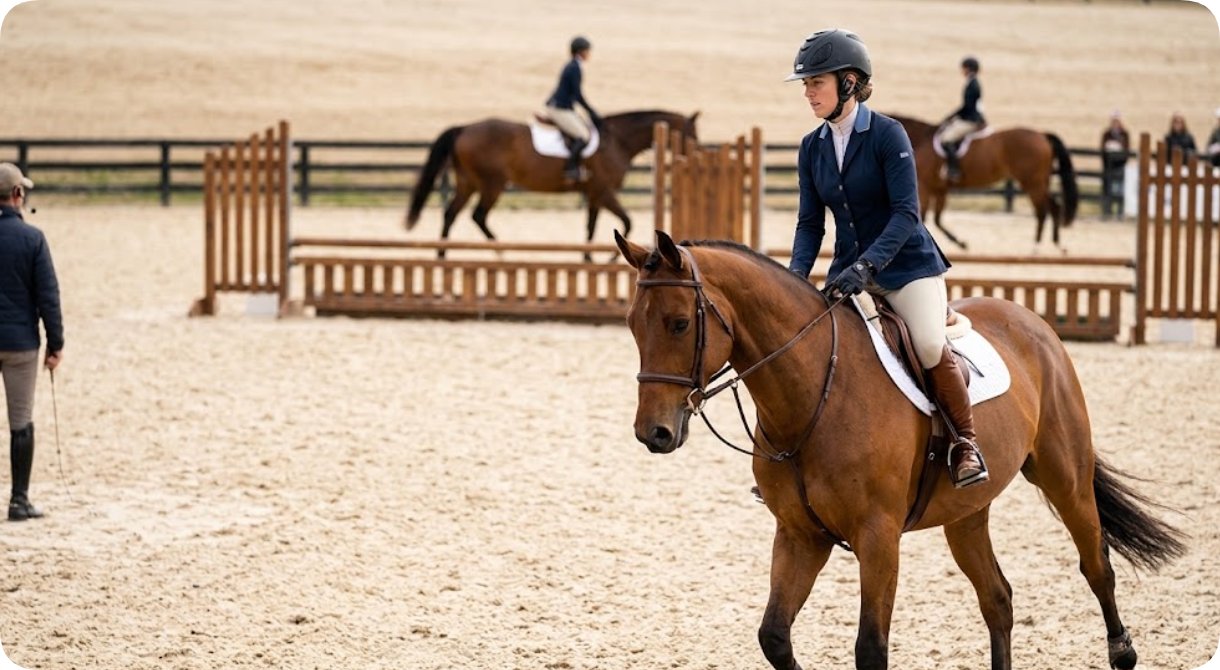
Not every factory tour shares the same audio profile. Some visits are showpiece events where guests stand behind glass and simply watch. Others are technical walkthroughs, where a quality manager explains a filling line while machines run at full volume. For these quiet, low-interference scenarios, the RC2501 Wireless Tour Guide System follows a different technical route: an integrated transmitter-receiver headset tuned for silent guiding, with the guide's voice carried directly to discreet visitor receivers. At 48 grams, it sits lightly on the head so the guide can speak at a normal volume, point at equipment, and still be heard clearly above ambient machine hum. The design removes the physical distance between speaker and listener, so explanations stay crisp even above ambient machine hum.

This design attacks the pain points that plague legacy systems: unreliable audio quality, limited range, and high maintenance costs. Operators that deploy RC2501 report roughly 50 percent less equipment preparation time before each tour and around 80 percent fewer audio-related complaints from visitors. Because the guide wears the transmitter, there is no belt pack to configure, no microphone boom to reposition, and no channel assignment to memorize, a meaningful simplification for teams that rotate guides across shifts.

How RC2468 Evolves Food Factory Tour Audio(图2)

⚖️ RC2501 vs RC2468: Two Technical Routes for the Same Factory Floor

Choosing between the two models comes down to the dominant tour style rather than overall quality. No single device can be both a featherweight radio for a two-hour walk and a silent headset for a glass-enclosed viewing room, so Richitek designed two routes that cover the full spectrum of factory tour acoustics. The table below compares both at a glance, so tour managers can match the device to the conditions of their facility before committing to a rollout.

ModelPositionWeightTechnical Route
RC2501Translation headphones for church / silent tour48 gIntegrated transmitter-receiver headset for quiet, low-interference explanation
RC2468Ultra-light 2.4G outdoor hiking & factory tour38 g2.4G digital wireless with automatic channel hopping for long routes and noisy halls

The specs also reflect the generational gap inside the product line. The RC2500 vs RC2501 comparison shows how the newer headset removed the separate transmitter step for silent-tour use, while the RC2468 vs RC2501 comparison lays out how the two routes differ in weight, battery strategy, and intended walking conditions. Rather than one device trying to serve every scenario, the pair covers the two ends of the factory tour spectrum: quiet rooms and open floors. A plant that runs both tour styles can even operate the two systems in parallel, giving tour managers flexibility without added complexity.

Generational Shift, Measured Outcomes

The trend away from wired and analog systems is accelerating. Traditional wired setups are being phased out in favor of digital wireless solutions, and early adopters in the food sector report ROI payback periods of under 12 months, driven primarily by reduced labor costs and increased tour capacity. A guide who no longer stops the line to repeat sentences can move a group through the route in less time, which in turn lets plants run more tours per week without adding staff. The math is simple: audio that works quietly in the background pays for itself faster than most other visitor-experience upgrades.

Measured results across deployed factory tours are consistent. Battery life now covers full-day operations without mid-day charging. Visitors consistently leave positive feedback, appreciating a comfortable, high-quality listening experience instead of a shout-and-strain session, and plant managers report that tour feedback scores climb within the first weeks of deployment. Whether a plant runs a showpiece glass-walk or a technical floor tour, the technical route is clear: move to 2.4G digital wireless, match the device to the tour style, and let the audio system carry the story.
2026年08月21日 09:38
click: 423

How RC2468 Evolves Food Factory Tour Audio

time: 2026年08月21日 click:423

Recent industry surveys point to a quiet but decisive shift in the food sector: open production lines have become a signal of quality for consumers, and the guided tour is often the moment where trust is either built or lost. Yet most plants still rely on audio habits designed decades ago. As food producers across categories open their doors to visitors, tour audio is moving from a courtesy feature to a core part of the visitor experience. The question is no longer whether to modernize, but which technical route fits the way each plant actually runs its tours.

For decades, a guided visit to a food production line leaned on three tools: a raised voice, a raised hand, and a circle of visitors pressing in close enough to hear. That approach worked while tours were occasional, small, and unhurried. It collapses the moment packaging equipment starts clattering and a group stands a few meters from a running line. As clean-visit culture spreads and more plants open their doors to consumers, regulators, and business partners, dependable tour audio has shifted from a nice-to-have to a defining part of how professional a tour feels. Visitors who can hear every word walk away with a stronger impression of the brand; visitors who cannot remember little beyond the noise.

The shift is backed by measurable trends. Industry surveys on factory transparency show that a majority of consumers treat visible production lines as evidence of quality, and many say a guided tour meaningfully influences how much they trust a brand. Yet the acoustic reality of a food hall often sits somewhere between a busy restaurant and a construction site, which is why the underlying audio technology decides whether a tour feels professional or chaotic. For organizations modernizing their approach, choosing the right wireless guide system for Food Factory Tour is the difference between narrating over noise and speaking directly into a calm, personal channel.

📡 The RC2468 Generation: 2.4G Digital Wireless Comes to the Factory Floor

The technical evolution of tour guidance equipment follows three clear generations. First-generation wired loops required permanent installation along the route and constant re-cabling whenever a line was rearranged. Second-generation analog FM radios improved mobility but suffered from crosstalk, frequency crowding, and signal dropouts near steel racks and conveyor motors. The current generation is built on 2.4G digital wireless, which hops across channels automatically, rejects interference, and keeps a stable link alive even inside a live production hall. This is the generation that finally matches the acoustics of a working factory floor.

Factory tour managers evaluating a modern upgrade usually start with the radio layer, because it decides how far the system can be pushed across a long route. The RC2468 Ultra-Light 2.4G Wireless Tour Guide System is built for exactly this environment. At just 38 grams, the transmitter clips onto a collar or the pocket of a hygienic coverall without tugging at protective clothing, while the compact receiver leaves both hands free for door handles, sampling cups, and safety barriers. Auto channel hopping means a guide can walk a two-hour route through grinding, baking, and packing zones without re-syncing the group or losing a single visitor's audio feed. Guides stay natural, visitors stay comfortable, and the tour keeps moving at the pace of production.

How RC2468 Evolves Food Factory Tour Audio(图1)

RC2501 for Quiet, Low-Interference Explanation

Not every factory tour shares the same audio profile. Some visits are showpiece events where guests stand behind glass and simply watch. Others are technical walkthroughs, where a quality manager explains a filling line while machines run at full volume. For these quiet, low-interference scenarios, the RC2501 Wireless Tour Guide System follows a different technical route: an integrated transmitter-receiver headset tuned for silent guiding, with the guide's voice carried directly to discreet visitor receivers. At 48 grams, it sits lightly on the head so the guide can speak at a normal volume, point at equipment, and still be heard clearly above ambient machine hum. The design removes the physical distance between speaker and listener, so explanations stay crisp even above ambient machine hum.

This design attacks the pain points that plague legacy systems: unreliable audio quality, limited range, and high maintenance costs. Operators that deploy RC2501 report roughly 50 percent less equipment preparation time before each tour and around 80 percent fewer audio-related complaints from visitors. Because the guide wears the transmitter, there is no belt pack to configure, no microphone boom to reposition, and no channel assignment to memorize, a meaningful simplification for teams that rotate guides across shifts.

How RC2468 Evolves Food Factory Tour Audio(图2)

⚖️ RC2501 vs RC2468: Two Technical Routes for the Same Factory Floor

Choosing between the two models comes down to the dominant tour style rather than overall quality. No single device can be both a featherweight radio for a two-hour walk and a silent headset for a glass-enclosed viewing room, so Richitek designed two routes that cover the full spectrum of factory tour acoustics. The table below compares both at a glance, so tour managers can match the device to the conditions of their facility before committing to a rollout.

ModelPositionWeightTechnical Route
RC2501Translation headphones for church / silent tour48 gIntegrated transmitter-receiver headset for quiet, low-interference explanation
RC2468Ultra-light 2.4G outdoor hiking & factory tour38 g2.4G digital wireless with automatic channel hopping for long routes and noisy halls

The specs also reflect the generational gap inside the product line. The RC2500 vs RC2501 comparison shows how the newer headset removed the separate transmitter step for silent-tour use, while the RC2468 vs RC2501 comparison lays out how the two routes differ in weight, battery strategy, and intended walking conditions. Rather than one device trying to serve every scenario, the pair covers the two ends of the factory tour spectrum: quiet rooms and open floors. A plant that runs both tour styles can even operate the two systems in parallel, giving tour managers flexibility without added complexity.

Generational Shift, Measured Outcomes

The trend away from wired and analog systems is accelerating. Traditional wired setups are being phased out in favor of digital wireless solutions, and early adopters in the food sector report ROI payback periods of under 12 months, driven primarily by reduced labor costs and increased tour capacity. A guide who no longer stops the line to repeat sentences can move a group through the route in less time, which in turn lets plants run more tours per week without adding staff. The math is simple: audio that works quietly in the background pays for itself faster than most other visitor-experience upgrades.

Measured results across deployed factory tours are consistent. Battery life now covers full-day operations without mid-day charging. Visitors consistently leave positive feedback, appreciating a comfortable, high-quality listening experience instead of a shout-and-strain session, and plant managers report that tour feedback scores climb within the first weeks of deployment. Whether a plant runs a showpiece glass-walk or a technical floor tour, the technical route is clear: move to 2.4G digital wireless, match the device to the tour style, and let the audio system carry the story.
×

Contact us

email:
name:
subject:
content: