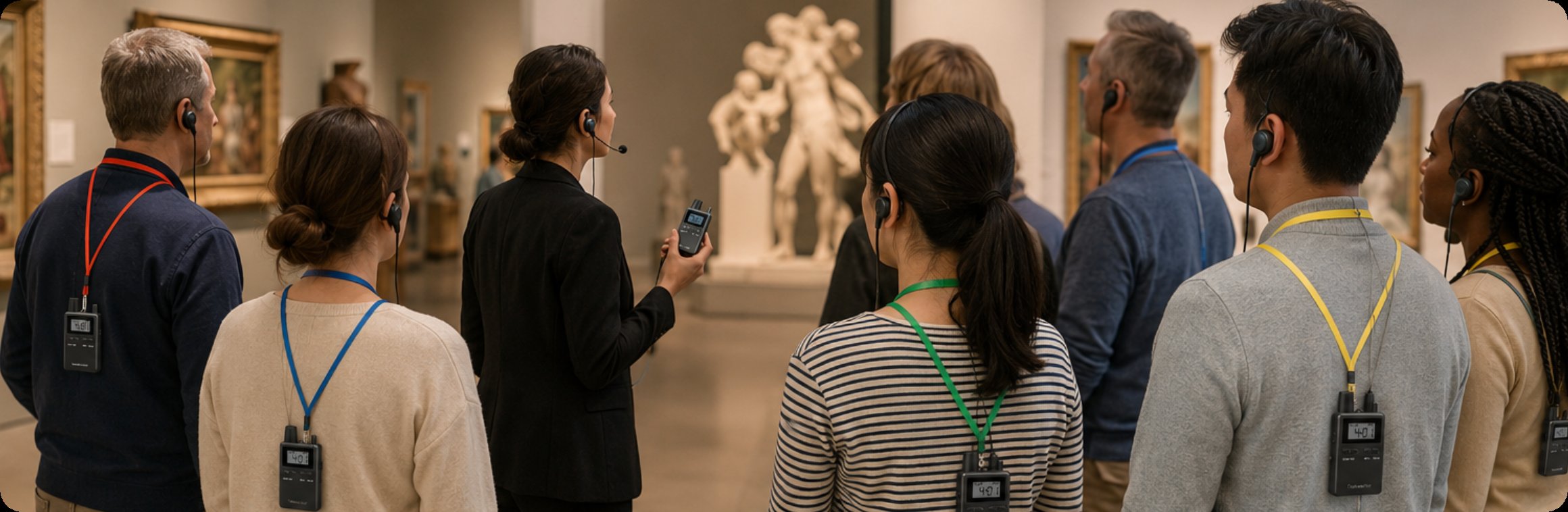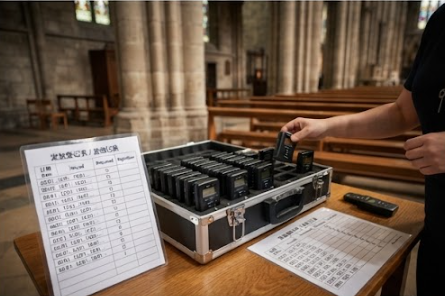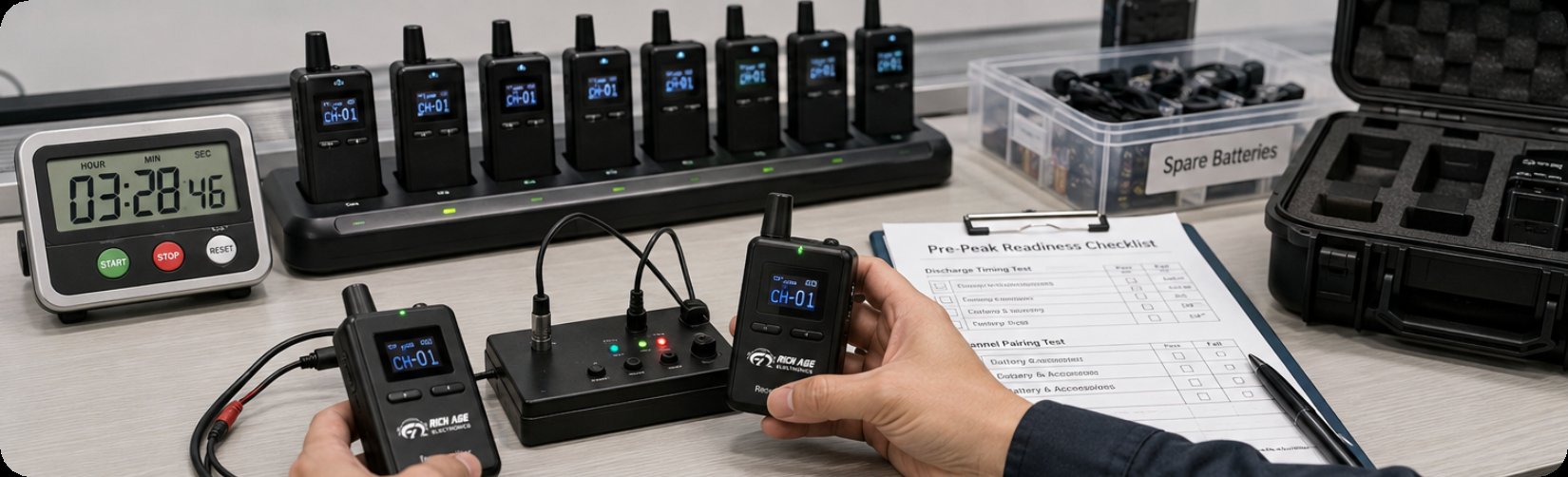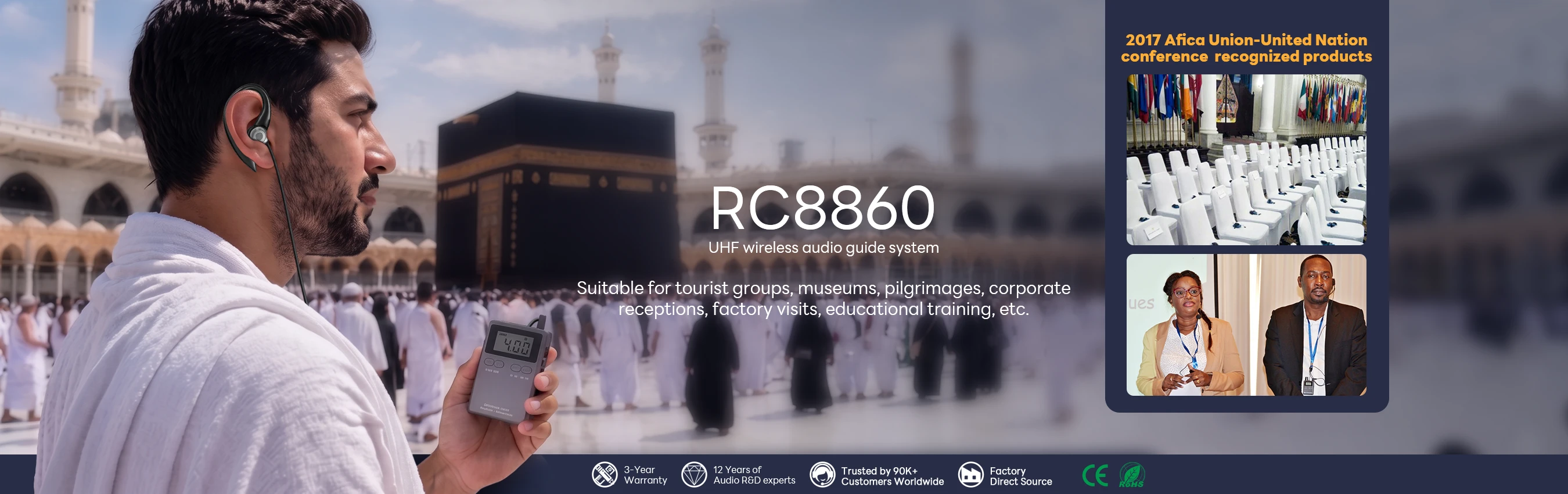
A leading China factory specializing in Wireless Tour Guide Systems, Church Audio Guides, and Translation Headphones with premium OEM/ODM solutions.

Tel:+86 18922879583

Email:tiger.wang@richitek.com

RC8860 and RC2468: An Outdoor Sightseeing Tour Case Study

RC8860 and RC2468: An Outdoor Sightseeing Tour Case Study

When a coastal city-tour operator expanded from a single van into a daily fleet of guided walks, they retired their rented handheld amplifiers and replaced them with a purpose-built wireless tour guide system. The first season ran along the harbour-front, the old town and a hilltop viewpoint, with groups of up to thirty visitors each day. Three products handled the entire rotation, and the photographs below come straight from the operator's first week of service.
RC8860 and RC2468: An Outdoor Sightseeing Tour Case Study(图1)

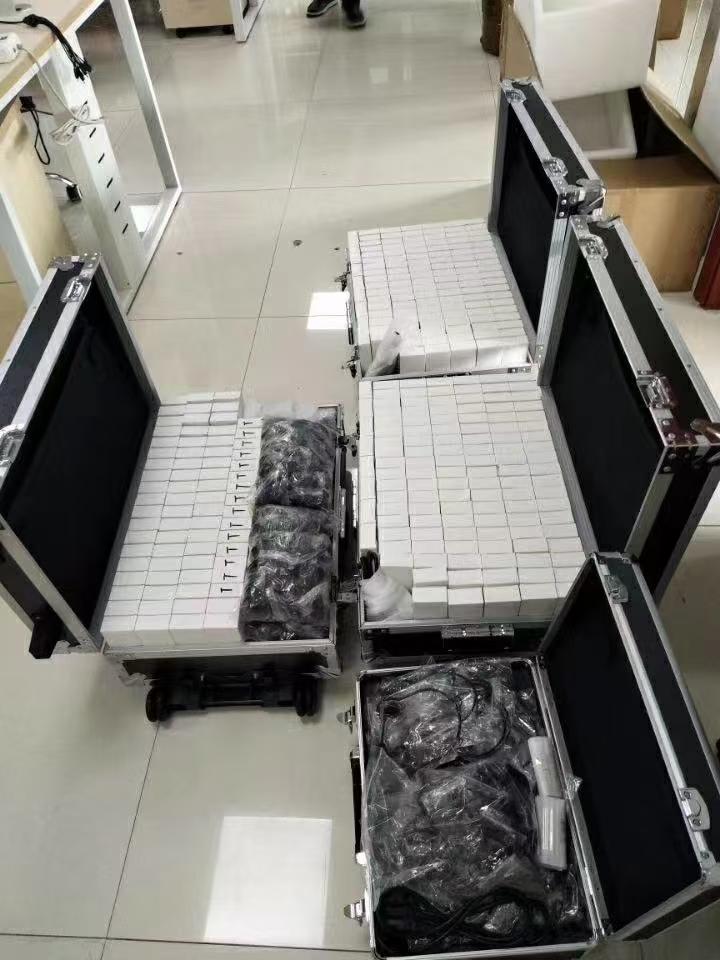
The equipment arrived in four road-ready flight cases. Two held the visitor receivers pre-charged and lanyard-attached; one held the guide transmitter and its boom-mic headset; the last held spare earpieces, charging leads and a spare battery pack. Staging the kit this way let the morning and afternoon crews swap shifts in a single ten-minute turnaround, which became one of the operator's strongest talking points when pitching to neighbouring fleets.

The Operator's Starting Brief

The brief was unusually specific. Visitors had to hear the guide clearly across an open promenade where wind, traffic and street musicians compete with the spoken commentary. Walking pace was slow but the routes were long, often two hours without a seated break. Visitors were international, with mixed-language groups running back to back. The brief ruled out any setup that required visitors to hold a handset, share equipment between consecutive groups, or recharge mid-route.

📡 How the 2.4G Frequency Survived the Coastline

Coastal routes are hostile to wireless audio. Salt air, sun glare, ferry radar and the dense concrete of the harbour-front all conspire against radio links. The 2.4G digital frequency used across the outdoor city tour system setup held up because the receiver modules lock onto the strongest clean channel automatically. On the hilltop segment, where the guide walked thirty metres ahead of the slowest visitor, the audio stayed continuous; the operator later confirmed there were no dropouts across the full first month.

📡 RC8860 as the Guide's Day-Long Transmitter

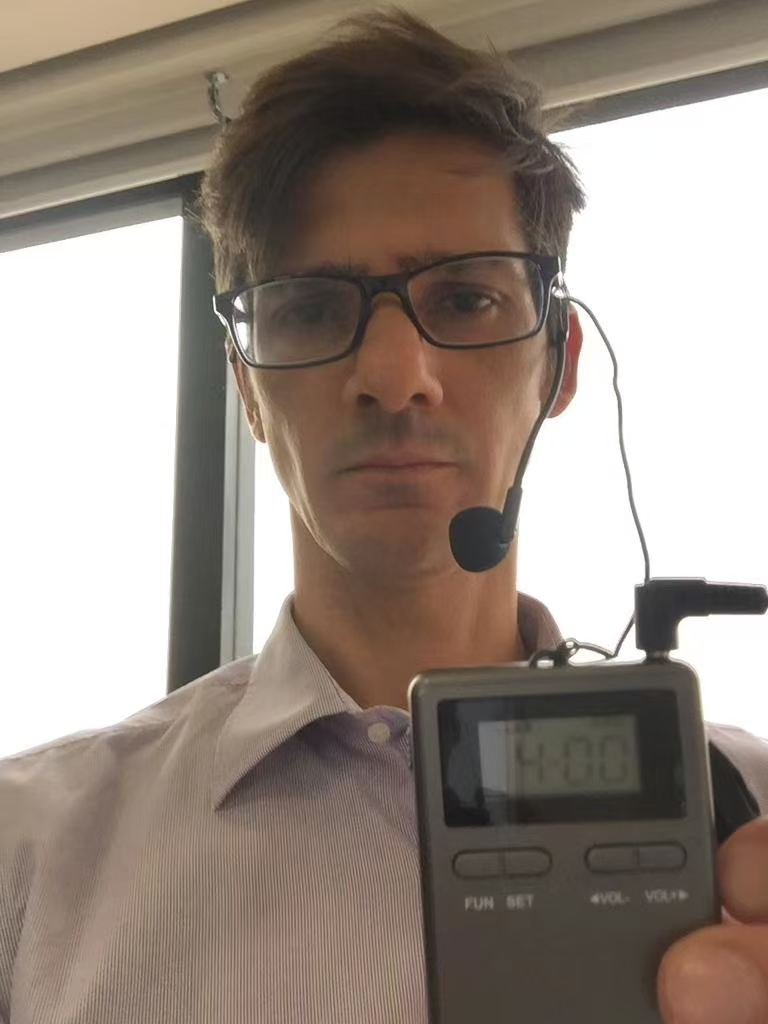
The lead guide carried the RC8860 transmitter clipped to a belt pouch, with the boom-mic headset running up to the cheek. The on-unit LCD timer was set before each departure so the guide always knew how long the group had been moving, which helped pace the long coastal segment against the ferry schedule.
RC8860 and RC2468: An Outdoor Sightseeing Tour Case Study(图2)

The on-unit controls (FUN and SET together with the volume rocker) let the guide mute the group instantly during street crossings and ramp the volume back up for the viewpoint stops, without taking the unit out of the belt clip. Across the season the same RC8860 unit ran every single departure.

RC2468 Receivers for All-Day Coastal Wear

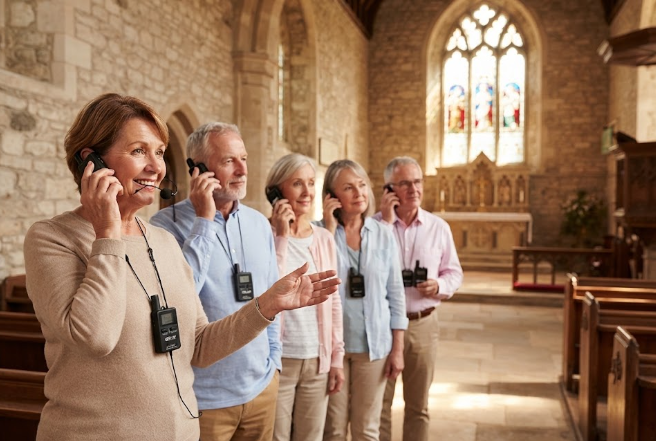
Visitors wore the RC2468 ultra-light receiver on a lanyard, the single-ear earpiece tucked behind the ear. The weight was low enough that visitors forgot they were wearing it, which mattered on a two-hour walk where heavier ear-sets cause fatigue and get removed halfway through.

RC8860 and RC2468: An Outdoor Sightseeing Tour Case Study(图3)

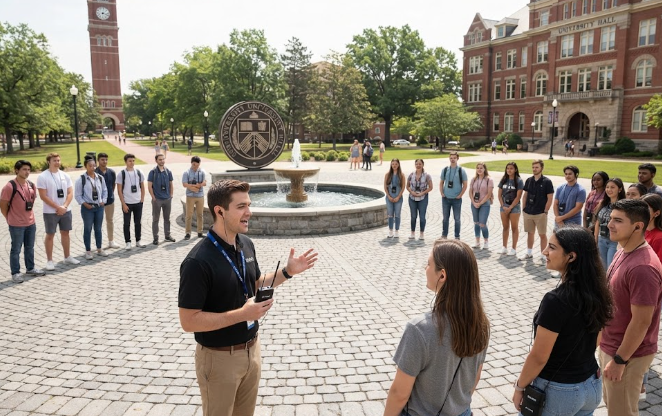
Group photos from the first week show visitors mid-stride with the earpieces still in place, even at the hilltop where wind usually pulls loose-fit earbuds out. The operator stocked one RC2468 per visitor and rotated the pool between the morning and afternoon departures.

RC2401 as the Backup Receiver Pool

The RC2401 receivers sat in the flight case as the live-spare pool. Whenever a visitor forgot to return a lanyard at the end of a departure, or an earpiece cable failed mid-route, the guide swapped the affected unit for an RC2401 in under a minute. This kept the group moving and avoided the visible scramble that previously happened when a single shared handset went missing.

Channel Pairing and Group Management on Site

The RC8860 transmitter pairs with up to eighty receivers on a single clean channel, which let the operator run two overlapping groups on adjacent channels without cross-talk. At the viewpoint, the morning group stood on the upper terrace while the afternoon group assembled below; both guides could speak at the same time and visitors only heard their own assigned guide.

What the Operator Reported After the First Season

After thirty operating days, the operator reported zero lost visitor complaints about audio clarity, zero missed ferry connections due to in-route equipment failures, and an average handle-time at the visitor centre of under three minutes per group for equipment handover. The flight-case staging meant the morning and afternoon crews could swap shifts in a single ten-minute turnaround, a benefit the operator now lists first when quoting neighbouring fleets.

ProductRole in this coastal deploymentKey spec the operator relied on
RC8860Lead guide transmitterBelt-clip body, boom-mic input, eighty-channel pairing, on-unit session timer
RC2468Primary visitor receiverUltra-light lanyard body, single-ear earpiece, all-day comfort on long walks
RC2401Backup receiver poolDrop-in spare, instant swap, no re-pairing required between groups

⚙️ Why This Setup Fits Other Coastal Routes

The combination of an RC8860 guide transmitter with RC2468 ultra-light receivers and an RC2401 spare pool is a strong fit for any operator running repeated departures along the same outdoor route. The same product family has been documented in our related customer deployment notes, where a different route used the same spare-pool pattern to recover from mid-route earpiece failures without breaking the group flow.

2026年09月04日 17:32
click: 0
no data

RC8860 and RC2468: An Outdoor Sightseeing Tour Case Study

time: 2026年09月04日 click:0

RC8860 and RC2468: An Outdoor Sightseeing Tour Case Study

When a coastal city-tour operator expanded from a single van into a daily fleet of guided walks, they retired their rented handheld amplifiers and replaced them with a purpose-built wireless tour guide system. The first season ran along the harbour-front, the old town and a hilltop viewpoint, with groups of up to thirty visitors each day. Three products handled the entire rotation, and the photographs below come straight from the operator's first week of service.

RC8860 and RC2468: An Outdoor Sightseeing Tour Case Study(图1)

The equipment arrived in four road-ready flight cases. Two held the visitor receivers pre-charged and lanyard-attached; one held the guide transmitter and its boom-mic headset; the last held spare earpieces, charging leads and a spare battery pack. Staging the kit this way let the morning and afternoon crews swap shifts in a single ten-minute turnaround, which became one of the operator's strongest talking points when pitching to neighbouring fleets.

The Operator's Starting Brief

The brief was unusually specific. Visitors had to hear the guide clearly across an open promenade where wind, traffic and street musicians compete with the spoken commentary. Walking pace was slow but the routes were long, often two hours without a seated break. Visitors were international, with mixed-language groups running back to back. The brief ruled out any setup that required visitors to hold a handset, share equipment between consecutive groups, or recharge mid-route.

📡 How the 2.4G Frequency Survived the Coastline

Coastal routes are hostile to wireless audio. Salt air, sun glare, ferry radar and the dense concrete of the harbour-front all conspire against radio links. The 2.4G digital frequency used across the outdoor city tour system setup held up because the receiver modules lock onto the strongest clean channel automatically. On the hilltop segment, where the guide walked thirty metres ahead of the slowest visitor, the audio stayed continuous; the operator later confirmed there were no dropouts across the full first month.

📡 RC8860 as the Guide's Day-Long Transmitter

The lead guide carried the RC8860 transmitter clipped to a belt pouch, with the boom-mic headset running up to the cheek. The on-unit LCD timer was set before each departure so the guide always knew how long the group had been moving, which helped pace the long coastal segment against the ferry schedule.

RC8860 and RC2468: An Outdoor Sightseeing Tour Case Study(图2)

The on-unit controls (FUN and SET together with the volume rocker) let the guide mute the group instantly during street crossings and ramp the volume back up for the viewpoint stops, without taking the unit out of the belt clip. Across the season the same RC8860 unit ran every single departure.

RC2468 Receivers for All-Day Coastal Wear

Visitors wore the RC2468 ultra-light receiver on a lanyard, the single-ear earpiece tucked behind the ear. The weight was low enough that visitors forgot they were wearing it, which mattered on a two-hour walk where heavier ear-sets cause fatigue and get removed halfway through.

RC8860 and RC2468: An Outdoor Sightseeing Tour Case Study(图3)

Group photos from the first week show visitors mid-stride with the earpieces still in place, even at the hilltop where wind usually pulls loose-fit earbuds out. The operator stocked one RC2468 per visitor and rotated the pool between the morning and afternoon departures.

RC2401 as the Backup Receiver Pool

The RC2401 receivers sat in the flight case as the live-spare pool. Whenever a visitor forgot to return a lanyard at the end of a departure, or an earpiece cable failed mid-route, the guide swapped the affected unit for an RC2401 in under a minute. This kept the group moving and avoided the visible scramble that previously happened when a single shared handset went missing.

Channel Pairing and Group Management on Site

The RC8860 transmitter pairs with up to eighty receivers on a single clean channel, which let the operator run two overlapping groups on adjacent channels without cross-talk. At the viewpoint, the morning group stood on the upper terrace while the afternoon group assembled below; both guides could speak at the same time and visitors only heard their own assigned guide.

What the Operator Reported After the First Season

After thirty operating days, the operator reported zero lost visitor complaints about audio clarity, zero missed ferry connections due to in-route equipment failures, and an average handle-time at the visitor centre of under three minutes per group for equipment handover. The flight-case staging meant the morning and afternoon crews could swap shifts in a single ten-minute turnaround, a benefit the operator now lists first when quoting neighbouring fleets.

ProductRole in this coastal deploymentKey spec the operator relied on
RC8860Lead guide transmitterBelt-clip body, boom-mic input, eighty-channel pairing, on-unit session timer
RC2468Primary visitor receiverUltra-light lanyard body, single-ear earpiece, all-day comfort on long walks
RC2401Backup receiver poolDrop-in spare, instant swap, no re-pairing required between groups

⚙️ Why This Setup Fits Other Coastal Routes

The combination of an RC8860 guide transmitter with RC2468 ultra-light receivers and an RC2401 spare pool is a strong fit for any operator running repeated departures along the same outdoor route. The same product family has been documented in our related customer deployment notes, where a different route used the same spare-pool pattern to recover from mid-route earpiece failures without breaking the group flow.
no data
×

Contact us

email:
name:
subject:
content: