
.webp)
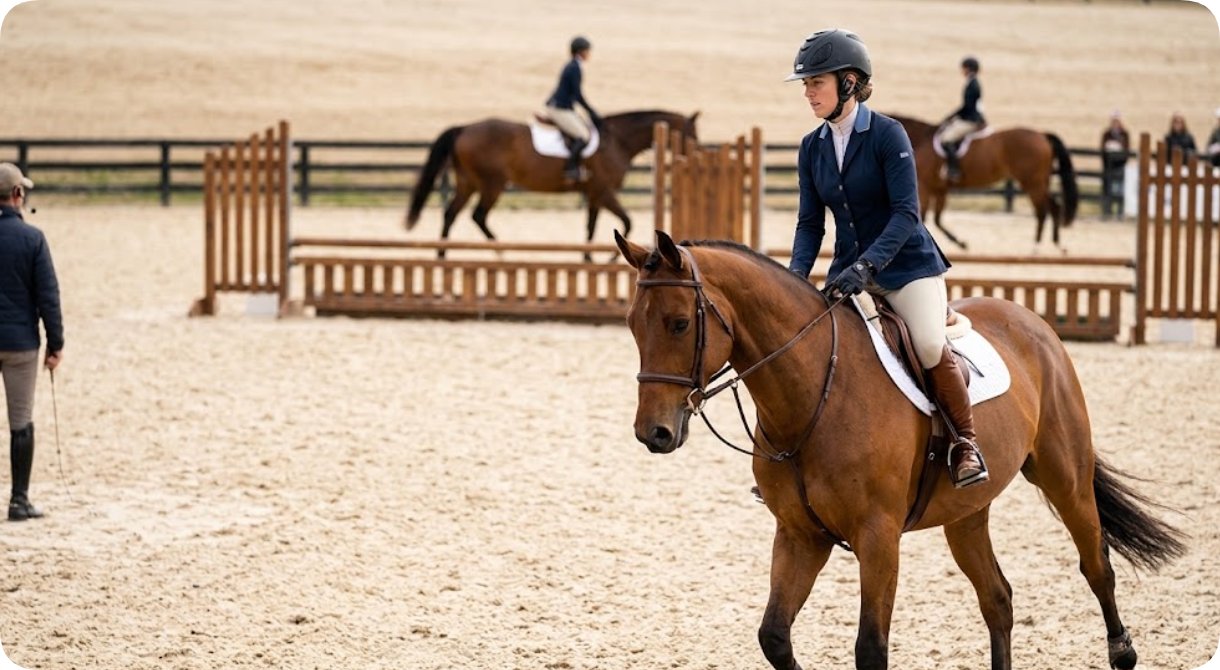
Coaching riders is a loud business. A trainer stands in the middle of an arena, a student circles at a trot thirty meters away, and every correction has to travel across dust, wind, and the rhythmic sound of hooves. For years the only tool was volume, and volume fails the moment a horse spooks or a second pair of ears joins the lesson. We have spent the last decade putting clear speech into small radio units, and the shift from shouted commands to a quiet earpiece changed what a riding lesson can actually accomplish.
If you run a stable, a riding school, or a competitive training program, a dedicated equestrian training audio system is no longer a luxury. It is the difference between a student who heard the cue and one who guessed. Below is how three generations of our hardware moved this category forward, and how to pick the right unit for the lesson in front of you.
💡 Why Loud Voices Never Worked in an Arena
An open arena is acoustically hostile. Sound spreads, reflects off fencing, and gets swallowed by a moving animal that weighs half a ton. Raising your voice does not scale: the rider closest to you hears fine, the one at the far corner hears nothing, and the horse reacts to your tone rather than your words. Instructors adapted by repeating everything, riding alongside students, or shortening lessons. None of those fixed the core problem, which was simply that speech could not reach the rider at the right moment.
🔍 First Real Fix: A Pocket Transmitter With a Screen
The first unit that felt like a real solution was a pocket transmitter with a small LCD. The coach clips it on, speaks into a lapel mic, and every receiver in range plays the voice cleanly through an earpiece. The screen matters more than it sounds: it shows channel, battery, and mute state at a glance, so a trainer is never guessing whether the link is live.
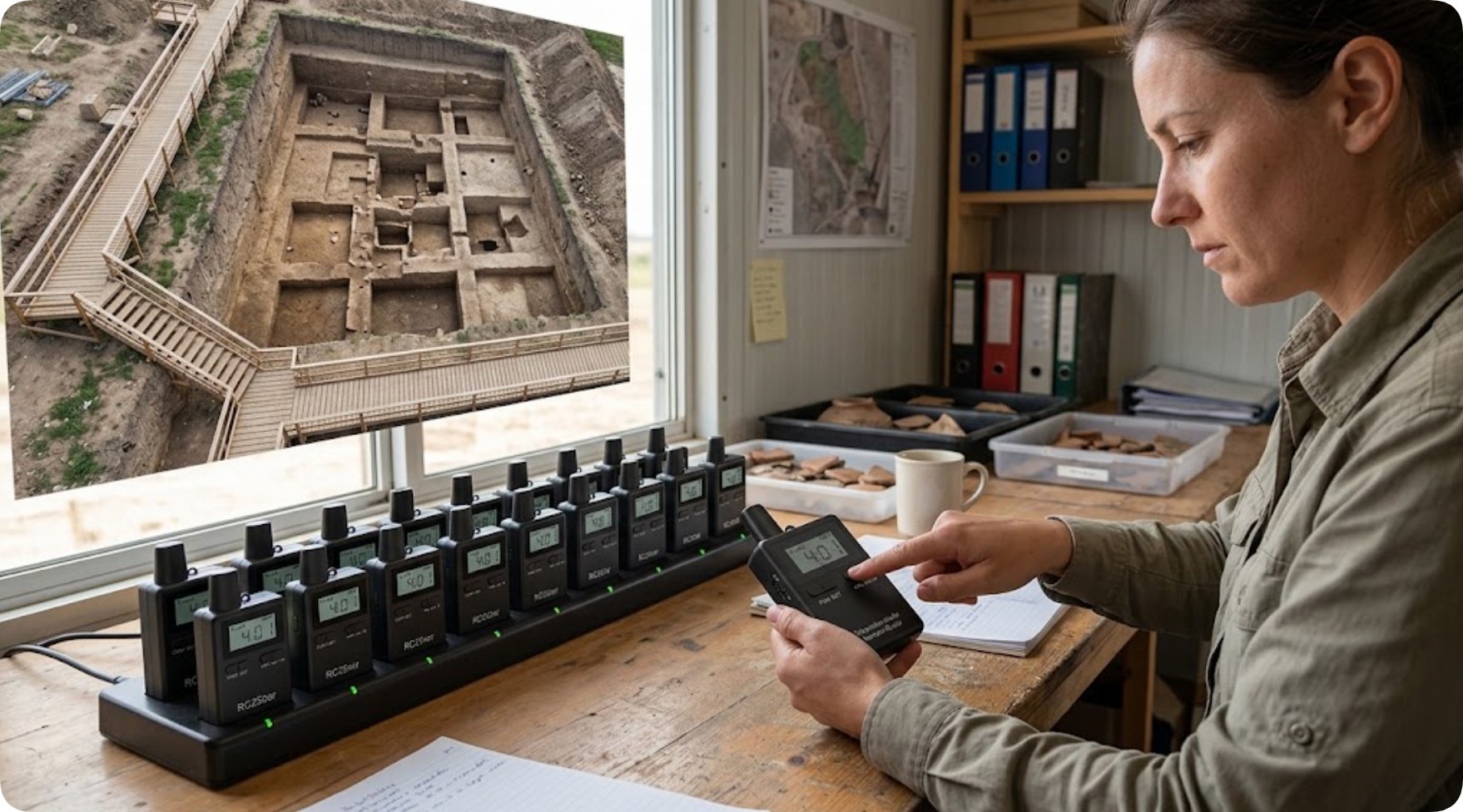
Our RC085 digital transmitter is the model that proved this format in riding schools. At 62 grams it disappears into a pocket, the channel stays locked during a session, and the audio is clear enough that a quiet "half halt, now" carries across the full diagonal. For group lessons where one voice has to reach six riders at once, a screen-guided transmitter removes the single biggest source of confusion.
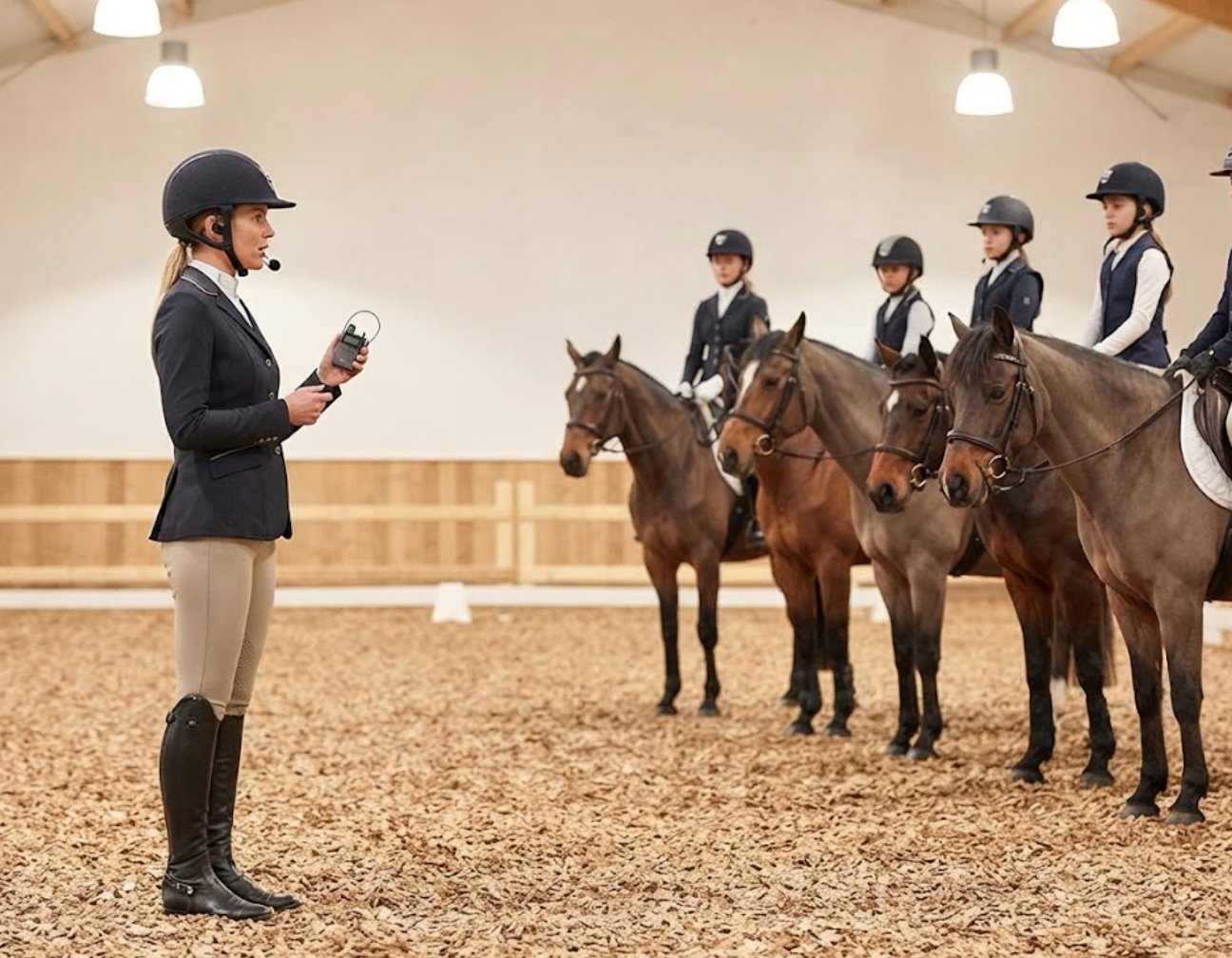
RC085 digital transmitter with its LCD, used by an instructor during a group riding lesson.
Lighter Builds Changed Everything for Moving Groups
Once speech was solved, the next limit was weight. A trainer who walks the rail all day, or a guide who leads a mounted trail group across a property, feels every gram after the third hour. The breakthrough was moving the radio onto 2.4G and stripping the body down to almost nothing.
The RC2468 ultra-light 2.4G unit weighs just 38 grams and clips to a collar or a belt without pulling the fabric. It is the unit we hand to outdoor trainers and trail guides because it simply is not there after five minutes. The trade is range, which settles around 120 meters, but for a moving column of riders that is more than enough. Lighter hardware is why wireless coaching expanded from the arena into the field.
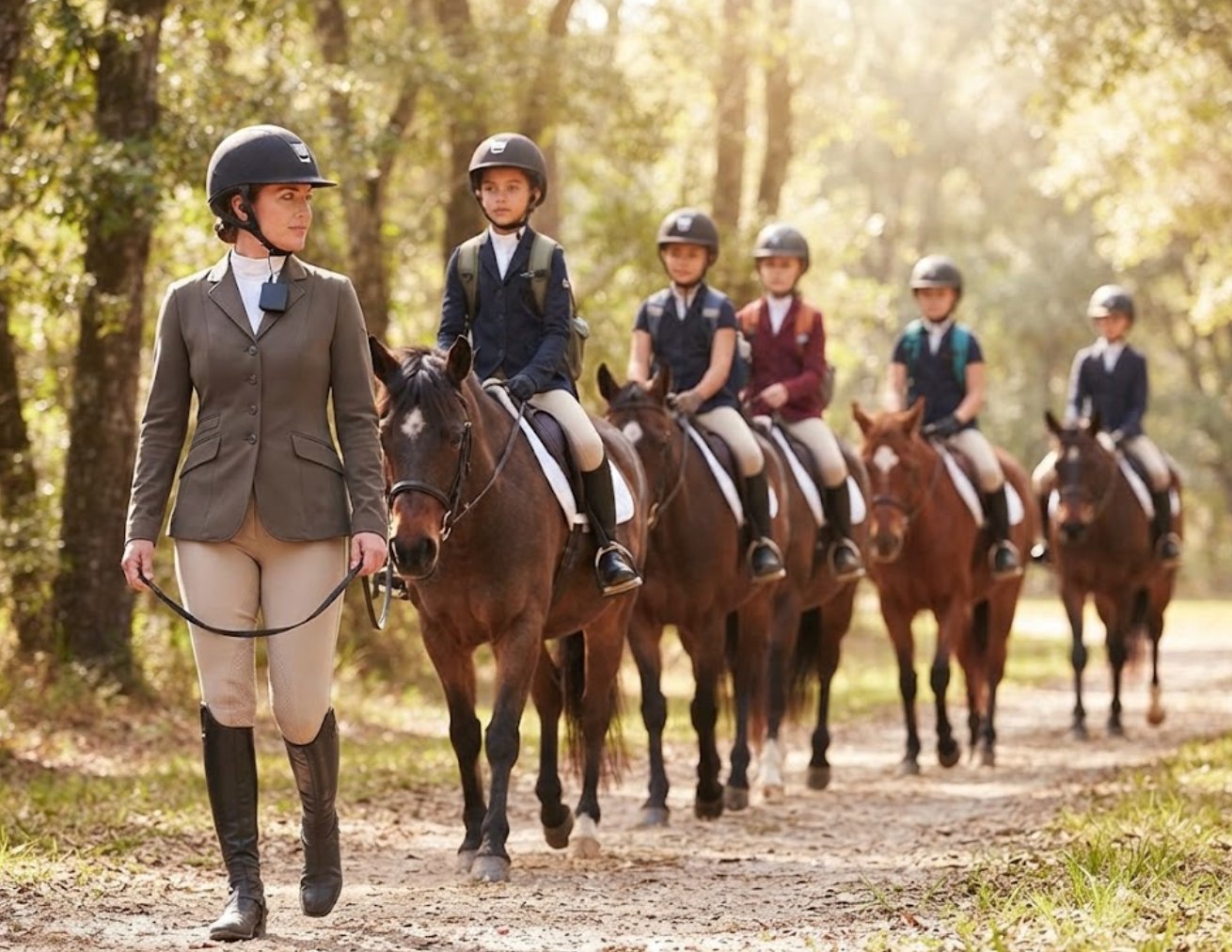
RC2468 ultra-light transmitter clipped to a trainer, leading a mounted group along an outdoor trail.
Hardware Built for Riders in Motion
A stationary classroom and a horseback lesson ask for different things. On a moving rider, a unit has to survive bounce, sweat, and the occasional tug from tack. It also has to let a coach demonstrate a position while still broadcasting. That is the gap the dedicated teaching transmitter was built to close.
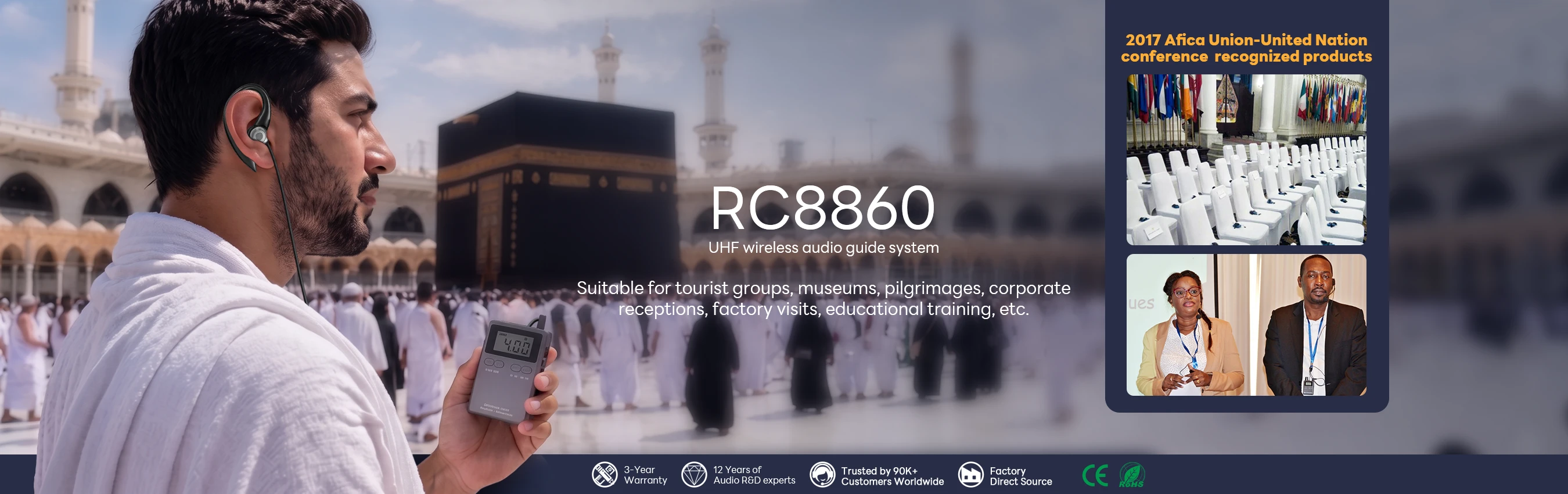
The RC8860 takes the screen-guided format and reshapes it for high-motion coaching: 59 grams, waistband clip, and a housing rated for the kind of dust and light rain a working arena produces. Where the RC085 is the all-round screen unit and the RC2468 is the featherweight, the RC8860 is the one you reach for when the lesson happens on horseback and the rider is the one wearing the mic. For a direct look at how the two screen units compare, the RC085 vs RC8860 comparison breaks down the trade-offs.
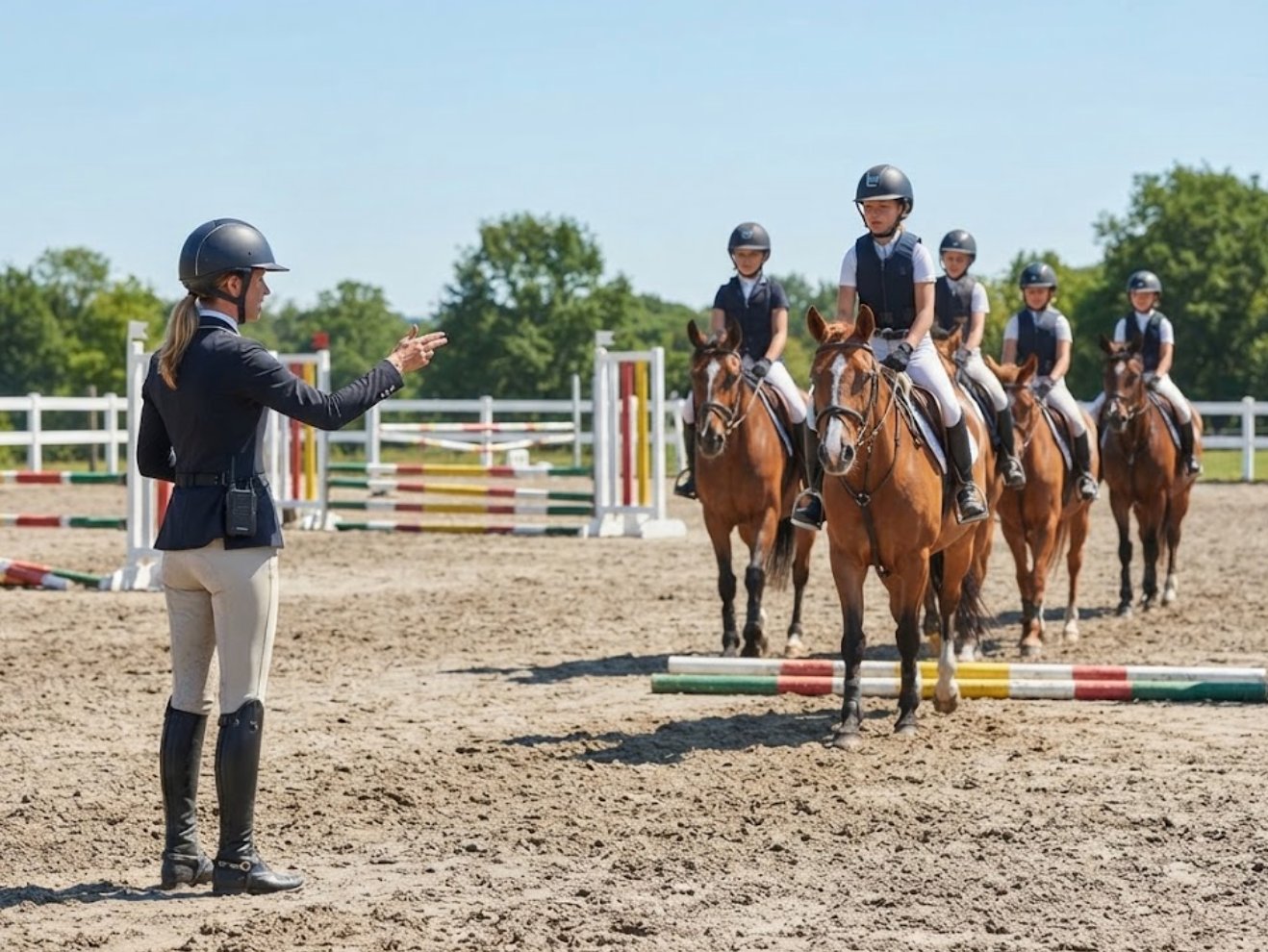
RC8860 transmitter worn at the waist by a coach demonstrating jumping technique to mounted riders.
What These Three Units Share Under the Hood
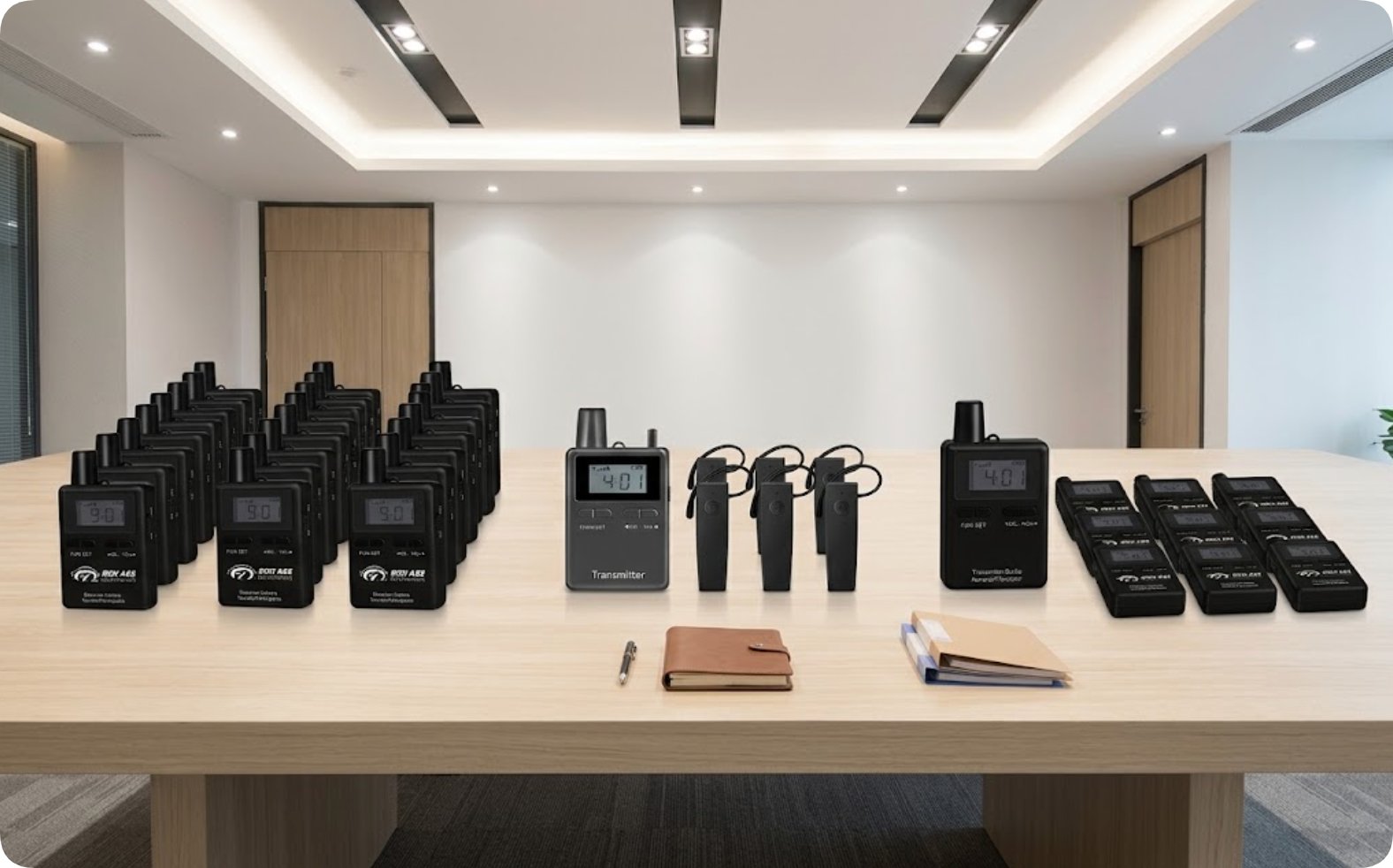
Different bodies, same backbone. All three use a locked digital channel so a lesson is never interrupted by a stray signal, all run on rechargeable cells that outlast a full training day, and all pair with the same receiver earpieces our riders already own. That commonality is deliberate: a stable with a mix of RC085, RC2468, and RC8860 units can run one charging shelf and one spare-parts bin. The evolution here was never about replacing the old with the new. It was about giving a trainer the right shape of radio for the job.
Picking by Lesson Type, Not by Spec Sheet
The honest way to choose is to start from the lesson, not the brochure. A quiet indoor school with one coach and several stationary riders is a perfect fit for the screen-guided RC085. A program that spends its time walking lines of riders across fields wants the RC2468 on every collar. A discipline built around mounted demonstrations, where the instructor rides and teaches at once, is where the RC8860 earns its place. Most serious stables end up with a blend, because no single form factor covers a week of mixed teaching.
Side-by-Side Look at Key Numbers
| Model | Weight | Protection | Range | Battery | Best For |
|---|---|---|---|---|---|
| RC085 | 62 g | IP54 | ~150 m | 12 h | Screen-guided group lessons |
| RC2468 | 38 g | IP54 | ~120 m | 14 h | Light outdoor moving groups |
| RC8860 | 59 g | IP55 | ~100 m | 15 h | Riders in motion, mounted coaching |
🔮 Where This Category Goes Next
The arc from shouted cues to pocket screens to featherweight radios was about reach and comfort. The next step is intelligence: units that show a rider their own heart rate next to the coach's voice, or that auto-mute when a horse is in full gait. None of that matters if the audio is not already clean, which is why the fundamentals shipped first. If you are building or upgrading a program, start from our wireless tour guide system range and match the body to the lesson. For a field example of the format in action, this horse riding training case study walks through a stable that moved its whole school onto radio coaching in a single season.
Clear instruction is the cheapest performance upgrade a rider can get. The hardware to deliver it has quietly become small, light, and good enough that the only real question left is which unit belongs in which lesson.