
A leading China factory specializing in Wireless Tour Guide Systems, Church Audio Guides, and Translation Headphones with premium OEM/ODM solutions.

Tel:+86 18922879583

Email:tiger.wang@richitek.com

RC2408, RC085 and RC2500: A Senior Group's Day Out, and the Phone Call That Followed

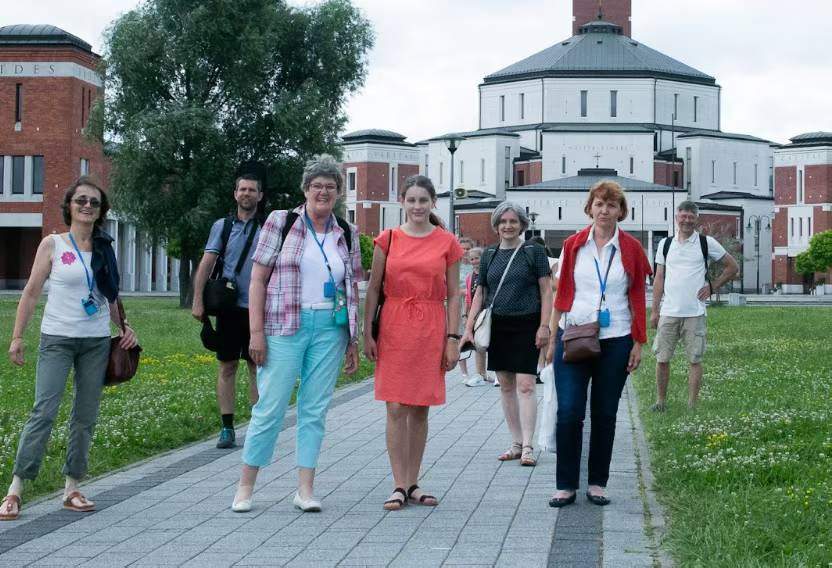
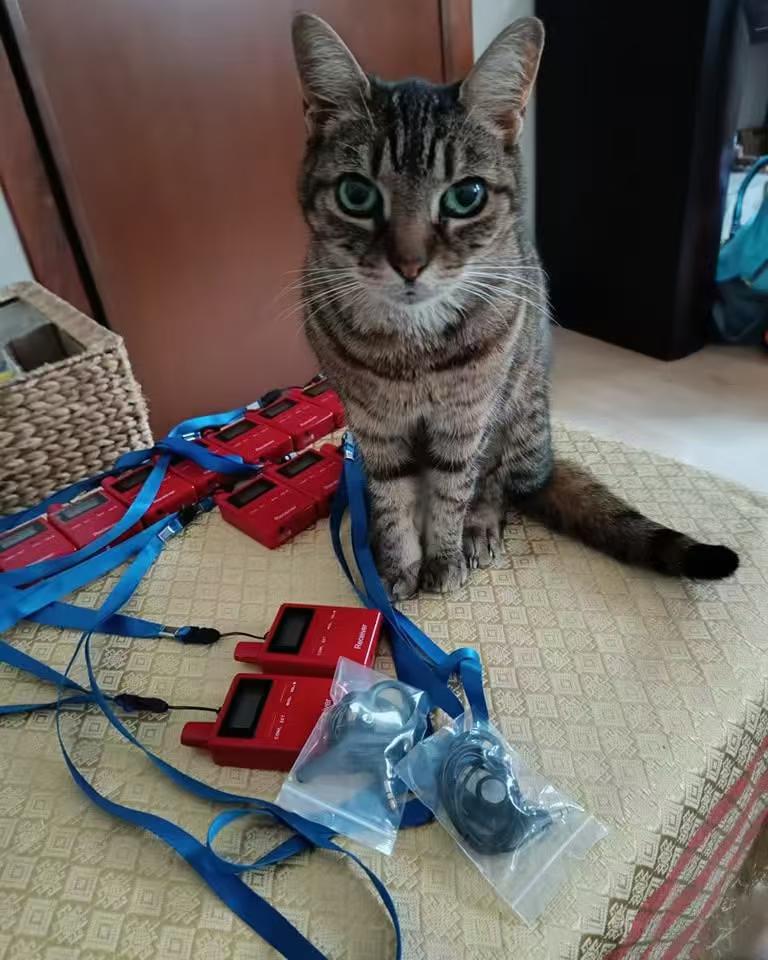
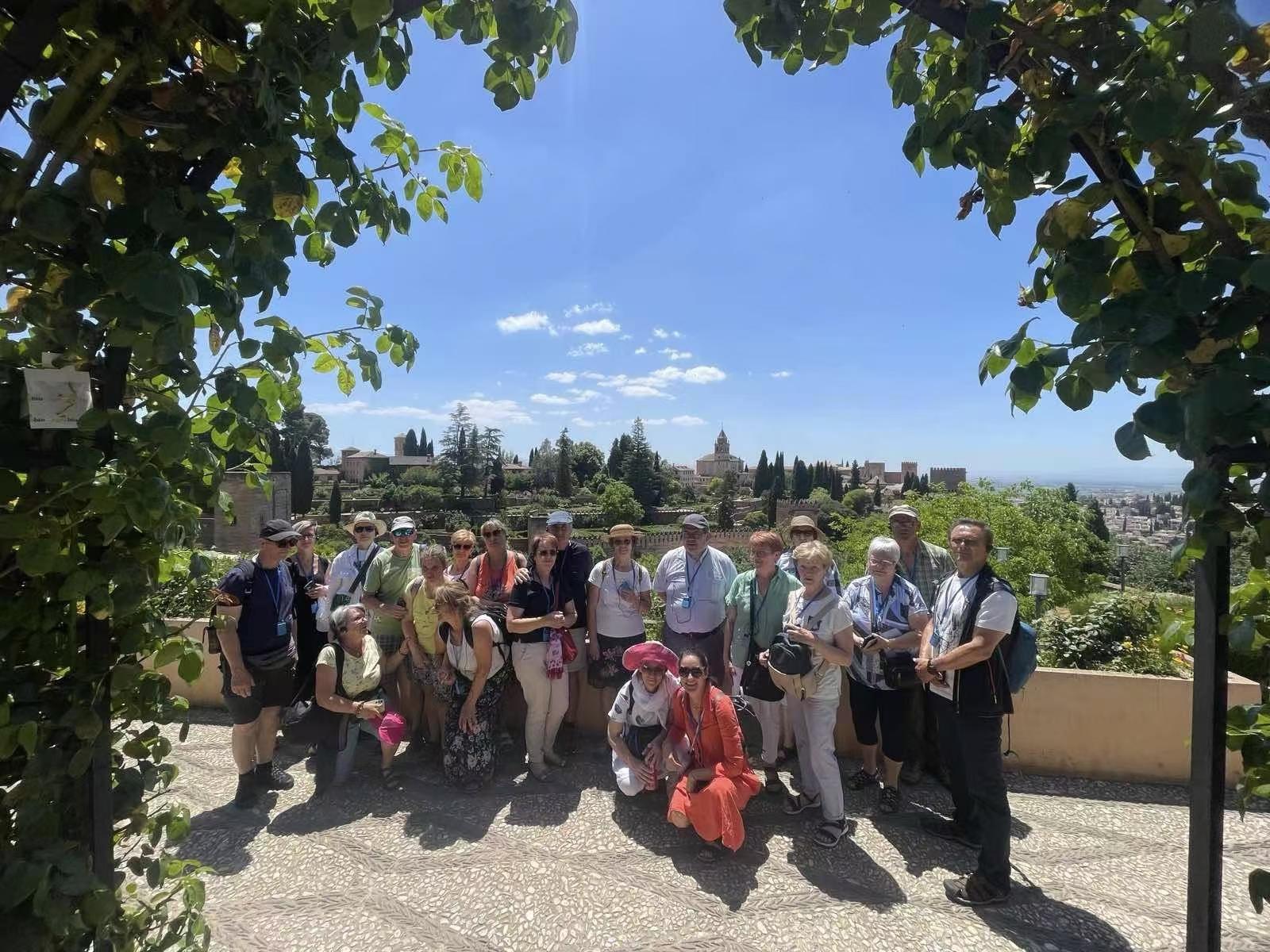
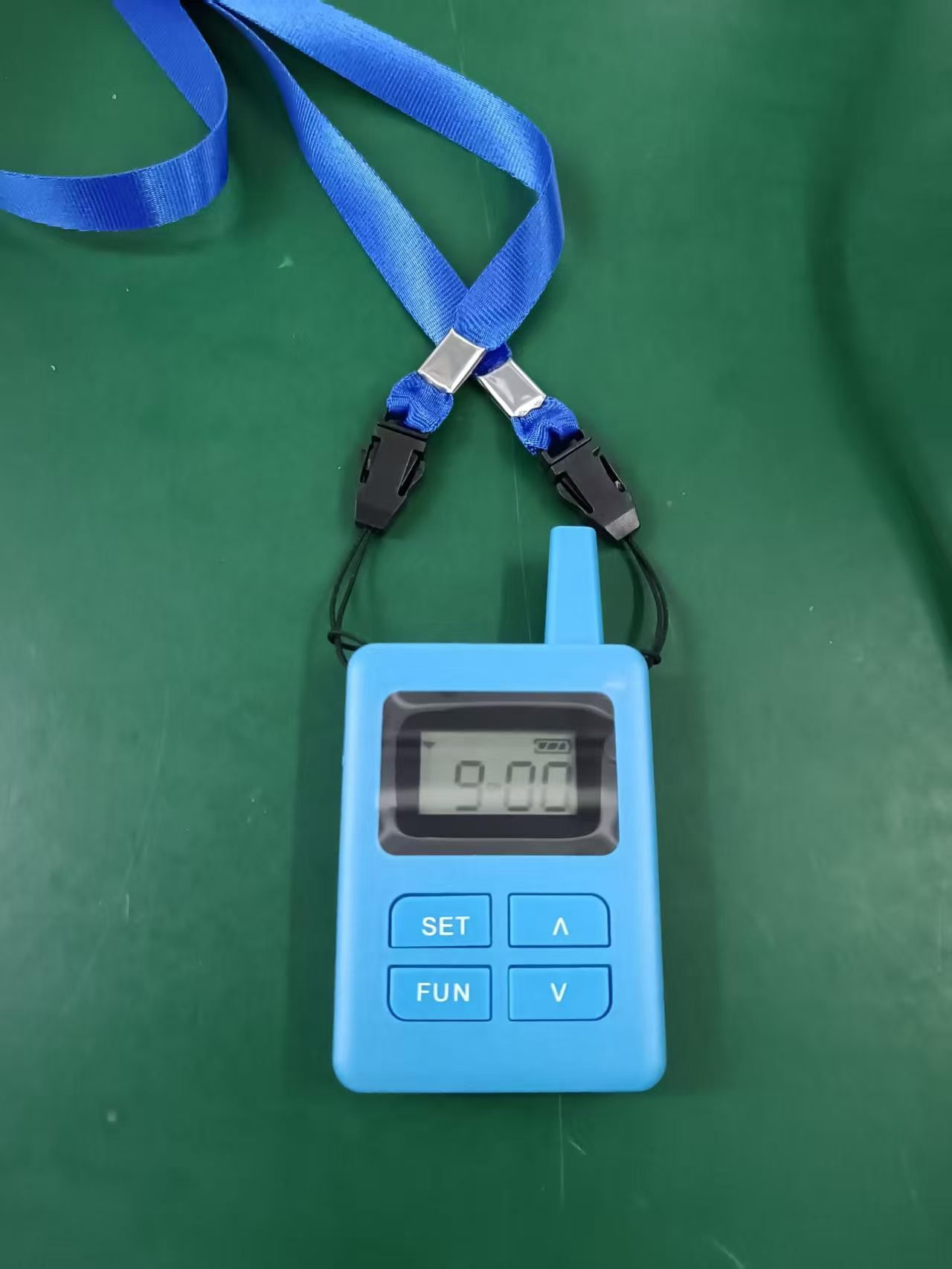
The photographs arrived two days after the walk, in one unedited batch. A hillside path above the old town with twenty-odd walkers strung along it in no particular order. A food hall at midday where two visitors are laughing over plates with their receivers still hanging from their necks. And a close-up of the transmitter lying on a table, lanyard coiled beside it, screen still lit from the morning's channel. Nobody in any frame is posing, which is precisely what makes the set worth reading.

The operator who sent them runs city walks designed around older visitors, the kind of itinerary where the pace is set by the slowest comfortable step and the route is measured in rests rather than miles. The covering note asked a single question: which of the three kits on the day actually earned its place. For anyone assembling accessible wireless commentary for museum and city routes, the honest answer is that each of the three did a different job, and the frames show exactly which job fell to which unit.

What the Frames Settle Before Anyone Speaks

Three questions get answered by photographs alone, before a single comment arrives. The first is endurance: receivers clipped on at half past nine are still on necks in the food hall at one, and the frames give the whole span without a gap. The second is distance: how far the person speaking may wander from the last pair of listeners before the path bends, which no corridor test ever reproduces honestly. The third is rest behaviour, and it is the one planners routinely guess wrong. Whether visitors take the packs off at a stop turns out to depend less on weight than on what it takes to put one back on with arthritic fingers. A lanyard wins that comparison before a single decibel is measured.
richitek-customer-hillside_group

The Pack the Guide Wore From Gates Open to Lunch

The transmitter in the close-up is the one the guide carried all morning, and its job was the least glamorous of the three. The eighty-channel guide pack runs on the 2403-2483 MHz band, holds eighty channels, and carries a ten-hour transmitter battery against twenty on the receiver, with the transmitter at fifty-nine grams and the receiver at fifty. Eighty channels matter on a Saturday in an old town, where three other parties, a service and a school visit can crowd the air without anyone planning it. Ten hours matters because the guide started at nine and was still speaking at four, and the pack was never swapped once. It is not the lightest unit in the set nor the longest-legged, and on this route it did not need to be either.
richitek-customer-transmitter_closeup

🔊 A Hundred Channels Against a Crowded Riverside

The second kit earned its place at the single most crowded point of the route. The hundred-channel UHF system works the 470-510 MHz band rather than 2.4 GHz, which on a narrow riverside quay full of other visitors meant the group kept a clear lane of its own when the shorter-band kits around it were hunting. It holds a hundred channels, runs twelve hours on the transmitter and twenty on the receiver, at sixty-five and sixty grams, and it charges over plain USB, which mattered more than the operator expected: the office charging drawer already had the cables, so the night-before routine needed no new hardware. For a mixed fleet this is the unit that tolerates a crowded spectrum and an untidy cable cupboard at the same time.

One Press and the Whole Set Moves

The third kit was chosen for the moment the operator dreaded rather than the moment she planned. Halfway through the route a second language had to join the walk, and the receivers had to move to match. The one-key synchronise set made that a minute of work instead of a briefing: one press moves the transmitter and every receiver together, no unit-by-unit re-pairing done by hand while forty visitors wait on a corner. It carries fifty channels on the same 2403-2483 MHz band, fifteen hours on the transmitter and thirty-five or more on the receiver, both packs at 1800mAh charged over Type-C, at a hundred and four grams each end. The weight is the price of the endurance, and on a route with two long sits built in, the operator judged it a fair one.

Where the Three Kits Split

Set side by side, the units share less than the range page suggests. The band is not common, the channel counts are not close, and the charging ports do not even agree with each other.

What differsRC2408RC085RC2500
Channel count80 channels100 channels50 channels
Core band2403-2483 MHz470-510 MHz2403-2483 MHz
Battery life (tx / rx)10h / 20h12h / 20h15h / 35+h
Battery cell (tx / rx)1500mAh / 1000mAh1200mAh / 1000mAh1800mAh / 1800mAh
Weight (tx / rx)59g / 50g65g / 60g104g / 104g
Charging portDC portUSBType-C

Read down the band row and the port row together and the operator's reasoning becomes plain. This was not a case of three units doing one job adequately. It was three units each owning one failure mode the day was guaranteed to contain: a crowded spectrum, an unplanned language, and a charging drawer full of the wrong cables. Comparing them against the full wireless tour guide system range only sharpens the point, because the differences that decided the day are operational ones that never appear as headline figures.

The Food-Hall Minute That Settled the Argument

The frame the operator kept coming back to on the phone was not the hillside or the quay. It was the food hall at midday, where the schedule allowed forty minutes and nobody moved. The receivers stayed on. Not all of them, and not deliberately, but two visitors in the frame are still wearing theirs over lunch because taking a lanyard off with a coat on and a tray in hand is a harder operation than leaving it alone. She had planned the rest stops around equipment: packs off, into the case, handed back after. The photographs told her the visitors had voted for a different plan, and the light sixty-gram receiver was the reason the vote even mattered. A heavier unit would have come off at the first stop and stayed off.

richitek-customer-market_rest

🏆 What the Operator Asked for Next

The call afterwards produced a short list, and none of it was about sound quality. A spare receiver pool sized to the longest monthly outing rather than the average one. A printed channel card for the guide, so the second language of next month does not depend on whoever remembers the number. A second synchronise-capable kit so a bilingual afternoon never again runs on one unit's goodwill. And a request that the write-up follow the same honest shape as an earlier one she had read, the city operator's delivery-day log, because a venue deciding for older visitors wants to see the rests and the food hall, not a specification sheet photographed in a studio.

Nothing in the frames or the call argues for one unit over the other two. It argues for knowing which failure mode a route contains, and handing the kit that owns it. A day built for older visitors has three of those built in: crowded air, an unplanned language, and hands that prefer a lanyard to a clip. Match the equipment to those, and the equipment stops being the thing anybody remembers about the day.

2026年10月08日 16:57
ꄘ click: 32

RC2408, RC085 and RC2500: A Senior Group's Day Out, and the Phone Call That Followed

time: 2026年10月08日 click:32

The photographs arrived two days after the walk, in one unedited batch. A hillside path above the old town with twenty-odd walkers strung along it in no particular order. A food hall at midday where two visitors are laughing over plates with their receivers still hanging from their necks. And a close-up of the transmitter lying on a table, lanyard coiled beside it, screen still lit from the morning's channel. Nobody in any frame is posing, which is precisely what makes the set worth reading.

The operator who sent them runs city walks designed around older visitors, the kind of itinerary where the pace is set by the slowest comfortable step and the route is measured in rests rather than miles. The covering note asked a single question: which of the three kits on the day actually earned its place. For anyone assembling accessible wireless commentary for museum and city routes, the honest answer is that each of the three did a different job, and the frames show exactly which job fell to which unit.

What the Frames Settle Before Anyone Speaks

Three questions get answered by photographs alone, before a single comment arrives. The first is endurance: receivers clipped on at half past nine are still on necks in the food hall at one, and the frames give the whole span without a gap. The second is distance: how far the person speaking may wander from the last pair of listeners before the path bends, which no corridor test ever reproduces honestly. The third is rest behaviour, and it is the one planners routinely guess wrong. Whether visitors take the packs off at a stop turns out to depend less on weight than on what it takes to put one back on with arthritic fingers. A lanyard wins that comparison before a single decibel is measured.

richitek-customer-hillside_group

The Pack the Guide Wore From Gates Open to Lunch

The transmitter in the close-up is the one the guide carried all morning, and its job was the least glamorous of the three. The eighty-channel guide pack runs on the 2403-2483 MHz band, holds eighty channels, and carries a ten-hour transmitter battery against twenty on the receiver, with the transmitter at fifty-nine grams and the receiver at fifty. Eighty channels matter on a Saturday in an old town, where three other parties, a service and a school visit can crowd the air without anyone planning it. Ten hours matters because the guide started at nine and was still speaking at four, and the pack was never swapped once. It is not the lightest unit in the set nor the longest-legged, and on this route it did not need to be either.

richitek-customer-transmitter_closeup

🔊 A Hundred Channels Against a Crowded Riverside

The second kit earned its place at the single most crowded point of the route. The hundred-channel UHF system works the 470-510 MHz band rather than 2.4 GHz, which on a narrow riverside quay full of other visitors meant the group kept a clear lane of its own when the shorter-band kits around it were hunting. It holds a hundred channels, runs twelve hours on the transmitter and twenty on the receiver, at sixty-five and sixty grams, and it charges over plain USB, which mattered more than the operator expected: the office charging drawer already had the cables, so the night-before routine needed no new hardware. For a mixed fleet this is the unit that tolerates a crowded spectrum and an untidy cable cupboard at the same time.

One Press and the Whole Set Moves

The third kit was chosen for the moment the operator dreaded rather than the moment she planned. Halfway through the route a second language had to join the walk, and the receivers had to move to match. The one-key synchronise set made that a minute of work instead of a briefing: one press moves the transmitter and every receiver together, no unit-by-unit re-pairing done by hand while forty visitors wait on a corner. It carries fifty channels on the same 2403-2483 MHz band, fifteen hours on the transmitter and thirty-five or more on the receiver, both packs at 1800mAh charged over Type-C, at a hundred and four grams each end. The weight is the price of the endurance, and on a route with two long sits built in, the operator judged it a fair one.

Where the Three Kits Split

Set side by side, the units share less than the range page suggests. The band is not common, the channel counts are not close, and the charging ports do not even agree with each other.

What differsRC2408RC085RC2500
Channel count80 channels100 channels50 channels
Core band2403-2483 MHz470-510 MHz2403-2483 MHz
Battery life (tx / rx)10h / 20h12h / 20h15h / 35+h
Battery cell (tx / rx)1500mAh / 1000mAh1200mAh / 1000mAh1800mAh / 1800mAh
Weight (tx / rx)59g / 50g65g / 60g104g / 104g
Charging portDC portUSBType-C

Read down the band row and the port row together and the operator's reasoning becomes plain. This was not a case of three units doing one job adequately. It was three units each owning one failure mode the day was guaranteed to contain: a crowded spectrum, an unplanned language, and a charging drawer full of the wrong cables. Comparing them against the full wireless tour guide system range only sharpens the point, because the differences that decided the day are operational ones that never appear as headline figures.

The Food-Hall Minute That Settled the Argument

The frame the operator kept coming back to on the phone was not the hillside or the quay. It was the food hall at midday, where the schedule allowed forty minutes and nobody moved. The receivers stayed on. Not all of them, and not deliberately, but two visitors in the frame are still wearing theirs over lunch because taking a lanyard off with a coat on and a tray in hand is a harder operation than leaving it alone. She had planned the rest stops around equipment: packs off, into the case, handed back after. The photographs told her the visitors had voted for a different plan, and the light sixty-gram receiver was the reason the vote even mattered. A heavier unit would have come off at the first stop and stayed off.

richitek-customer-market_rest

🏆 What the Operator Asked for Next

The call afterwards produced a short list, and none of it was about sound quality. A spare receiver pool sized to the longest monthly outing rather than the average one. A printed channel card for the guide, so the second language of next month does not depend on whoever remembers the number. A second synchronise-capable kit so a bilingual afternoon never again runs on one unit's goodwill. And a request that the write-up follow the same honest shape as an earlier one she had read, the city operator's delivery-day log, because a venue deciding for older visitors wants to see the rests and the food hall, not a specification sheet photographed in a studio.

Nothing in the frames or the call argues for one unit over the other two. It argues for knowing which failure mode a route contains, and handing the kit that owns it. A day built for older visitors has three of those built in: crowded air, an unplanned language, and hands that prefer a lanyard to a clip. Match the equipment to those, and the equipment stops being the thing anybody remembers about the day.
×

Contact us

email:
name:
subject:
content: