.webp)
I have spent over a decade in the audio-guide industry, and if there is one thing I have learned from facility managers and tour operators, it is this: the most expensive equipment failure is the one that happens right before a high-stakes multilingual event. When you are running simultaneous interpretation for a delegation of international visitors, there is no time to troubleshoot a crackling receiver or a transmitter with a dying battery. The Wireless Tour Guide System is not just a convenience; it is the invisible thread that holds the entire multilingual experience together. In my experience, the difference between a flawless conference tour and a chaotic one is rarely the technology itself—it is how well that technology has been maintained. That is why I want to focus on two workhorses from the Richitek lineup—the RC2406 and the RC2402—and share practical maintenance insights that will keep your equipment delivering crystal-clear audio for years.
The RC2406: Built for High-Density Multilingual Events
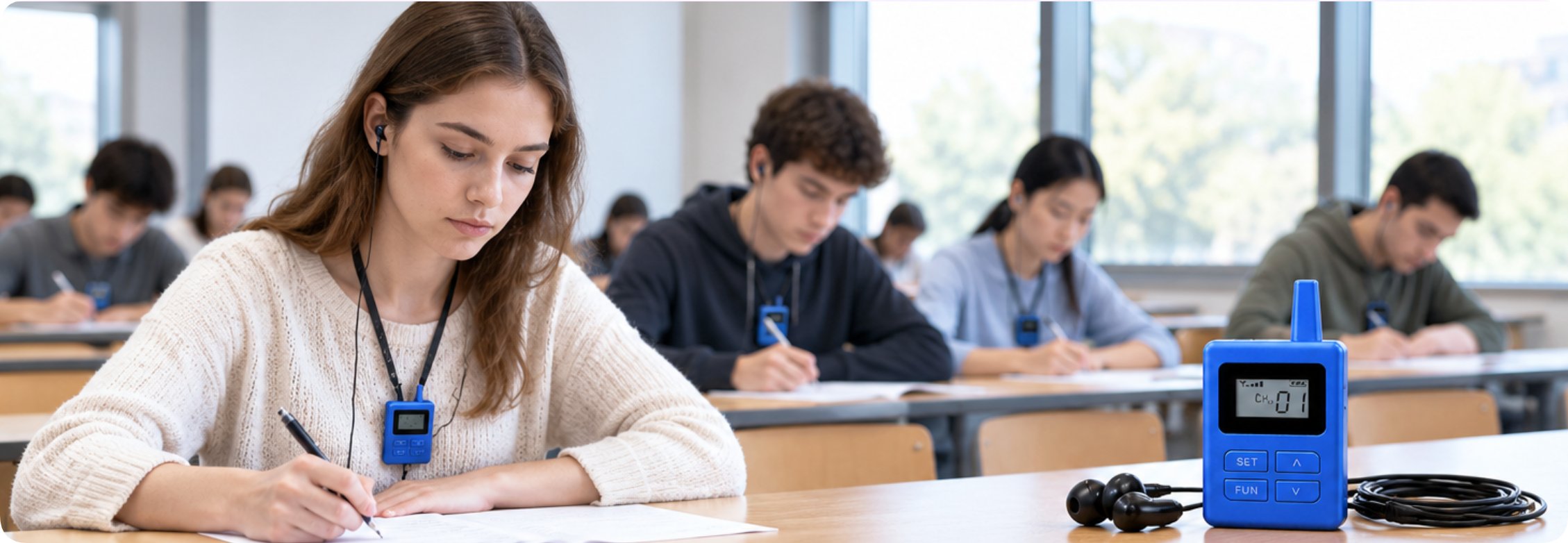
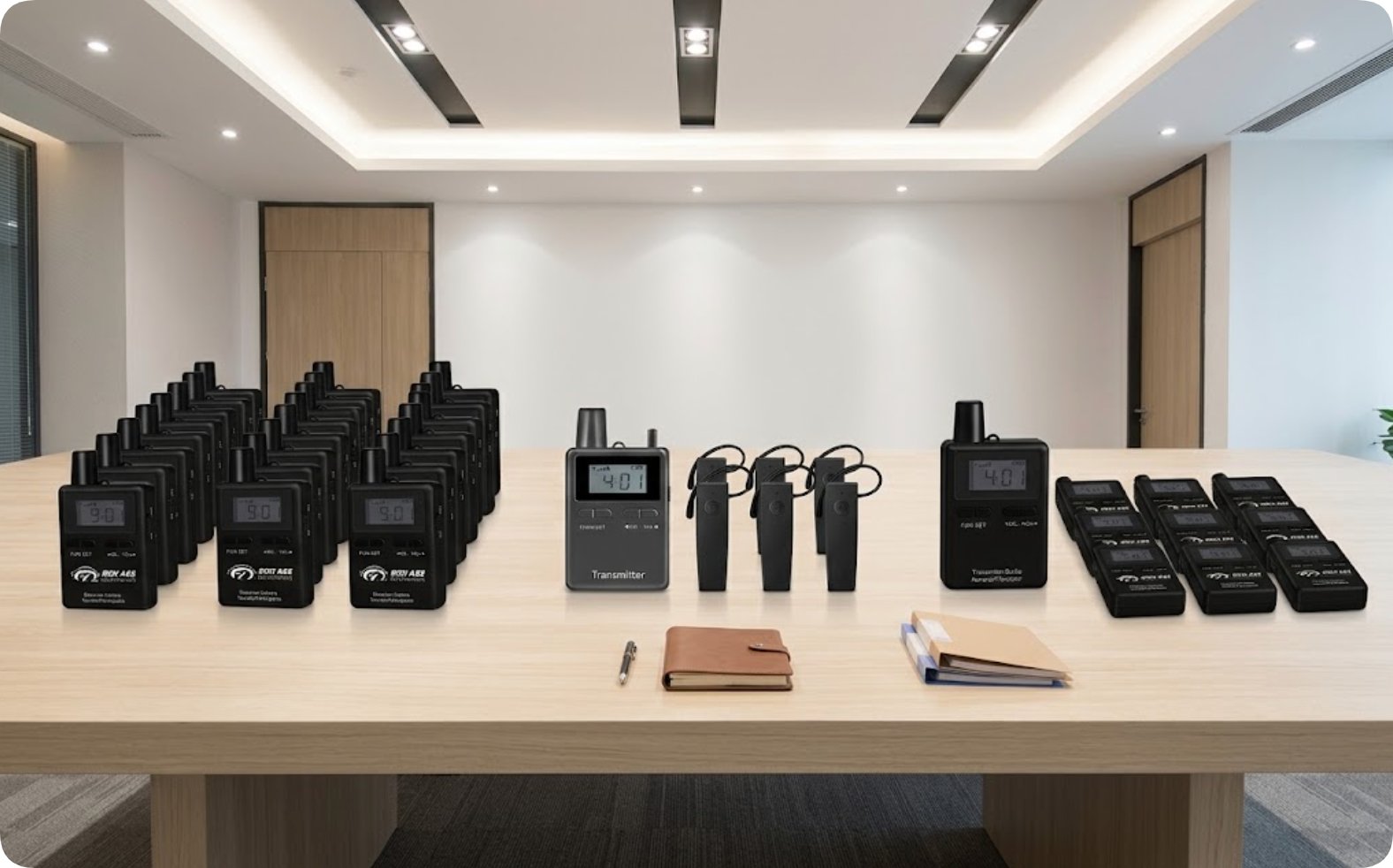
When I walk into a large museum gallery or a sprawling factory floor where multiple tour groups operate simultaneously, the RC2406 is the unit I trust. This device is positioned as an 80-channel 2.4G system, which means it is specifically engineered for multi-group simultaneous tours where you might have German speakers on channel 12, Japanese speakers on channel 34, and French speakers on channel 67 all moving through the same space. The 80-channel capacity is not a marketing gimmick; it is a practical necessity for venues that cannot afford cross-talk between groups. Weighing just 65 grams, the transmitter is light enough to clip onto a lanyard without causing fatigue during a two-hour guided tour.
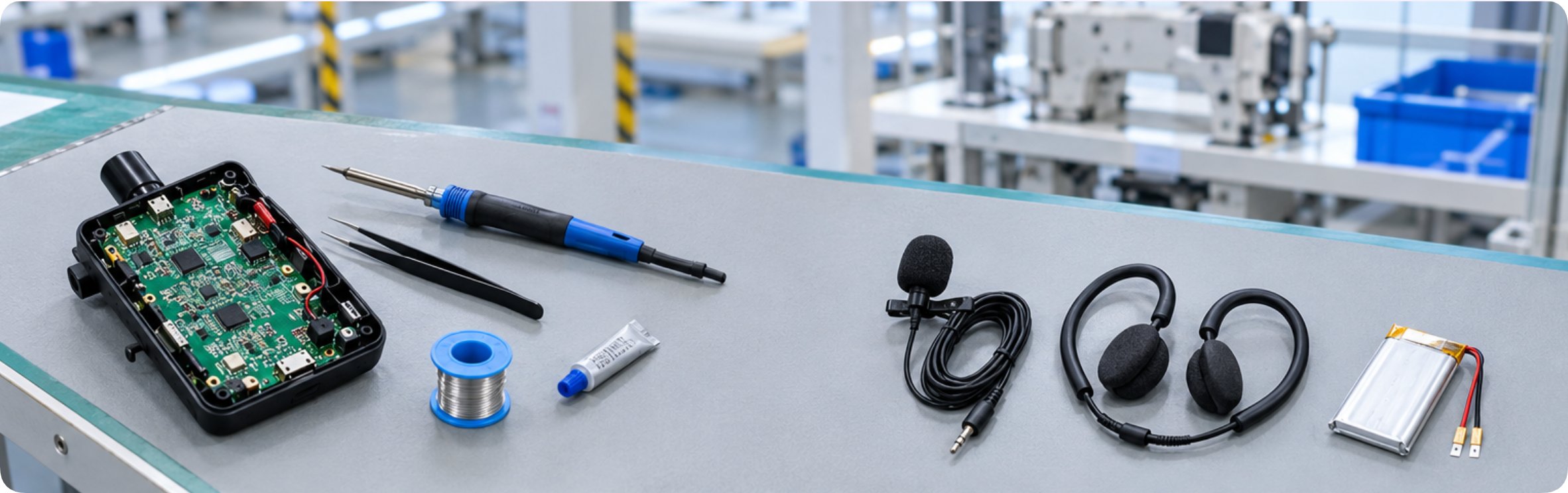
From a maintenance perspective, the RC2406 requires attention to its channel selector dial. Because this dial is used frequently in fast-paced environments, I recommend a monthly check to ensure the detents are still crisp and that no dust has accumulated in the rotary mechanism. A soft, dry brush works wonders here. The unit's robust housing handles the occasional bump against marble columns, but the real maintenance focus should be on the battery contacts. Over time, vibration can loosen the contacts, leading to intermittent power loss. A quick visual inspection before each major event—and a gentle tightening if needed—will prevent most mid-tour failures. For venues that run dedicated multilingual conference solutions, this unit is the backbone that keeps every language group perfectly isolated.

The RC2402: The Reliable Standard for Medium Group Tours
For the majority of standard tours—think historic courtyards, city walking tours, or medium-sized factory visits with 15 to 20 participants—the RC2402 is my go-to recommendation. It is the "no-surprises" member of the family. At just 60 grams, it is even lighter than the RC2406, which makes it exceptionally comfortable for guides who wear the transmitter for six hours a day. The RC2402 does not offer 80 channels; it is designed for simpler, single-group operations where you need straightforward, reliable communication without the complexity of managing multiple frequencies. This simplicity is actually a maintenance advantage. With fewer adjustable components, there is less that can go wrong.
That said, the RC2402 still demands a disciplined cleaning routine. Because it is often used outdoors, it is exposed to dust, humidity, and the occasional splash from a water bottle. The protective grille over the microphone element is a common failure point if not cleaned regularly. I advise using a slightly damp, lint-free cloth to wipe down the body after every outdoor tour, paying special attention to the seams where moisture can seep in. The battery compartment deserves special care; check the O-ring seal if present and replace it if it shows any signs of cracking. In my experience, a well-maintained RC2402 will outlast the tour company that buys it. For those who want to see how it stacks up against its sibling, this RC2406 vs RC2408 comparison offers useful technical context, though the RC2402 remains the simpler choice for standard operations.
Side-by-Side Specification Comparison
To help you decide which unit fits your maintenance schedule and operational needs, here is a direct comparison of the two models. The differences are subtle in weight but significant in channel capacity and intended use case.
| Feature | RC2406 | RC2402 |
|---|---|---|
| Weight | 65 g | 60 g |
| Battery Life (Typical) | Up to 20 hours continuous use | Up to 18 hours continuous use |
| Protection Rating | IP45 (dust-resistant, water spray safe) | IP42 (dust-resistant, light moisture safe) |
| Channel Capacity | 80 channels (multi-group simultaneous) | Standard single-group operation |
| Best Use Scenario | Large museums, conferences, multi-language factory tours | Outdoor city tours, medium group visits, historical sites |
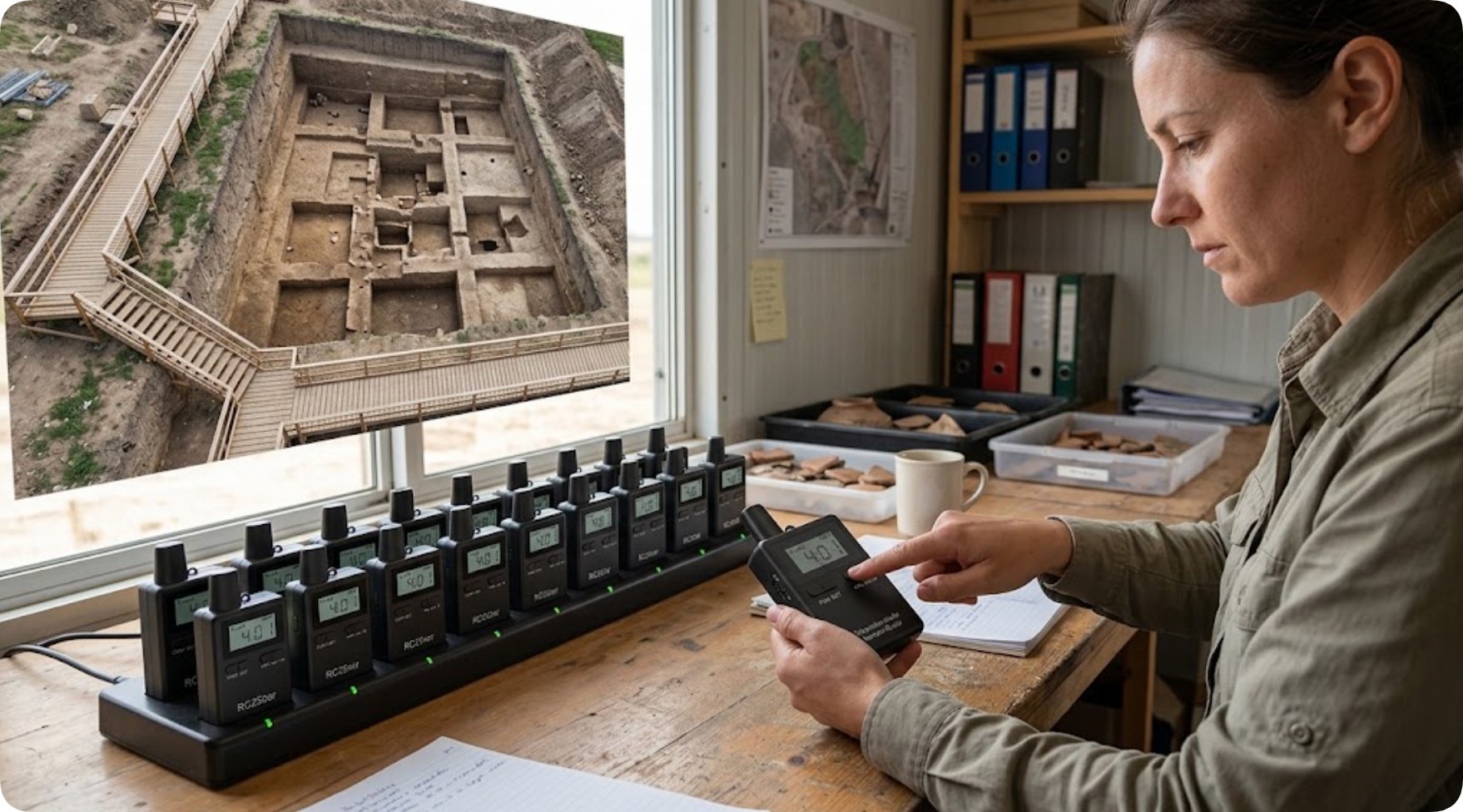
When you look at this table, the maintenance implications become clear. The RC2406, with its higher protection rating, is better suited for indoor environments where dust from HVAC systems and crowded galleries is the primary threat. The RC2402, while slightly less protected, is still perfectly adequate for outdoor use as long as you are diligent about wiping it down after exposure to moisture. Both units benefit from the same core maintenance principles: keep the contacts clean, store them with batteries removed if not used for more than a week, and always carry a spare transmitter in your kit.
Matching Maintenance Routines to Equipment Conditions
Choosing between these two units is not about which is "better"—it is about which aligns with your operational reality. Here are the key questions I ask every client before recommending a purchase. First, how many tour groups do you typically run at the same time in the same physical space? If the answer is more than four, the RC2406's 80-channel capacity is non-negotiable. You simply cannot risk two groups bleeding into each other's audio. Second, what is your team's appetite for maintenance? If you have a dedicated AV technician who can perform monthly checks on channel selectors and battery contacts, the RC2406 is a powerful tool. If your guides are volunteers or part-time staff who just want to clip on a unit and go, the RC2402's simpler design reduces the chance of user error.
Third, consider your environment. For indoor venues with controlled climate and regular cleaning schedules, the RC2406 is ideal. For outdoor attractions where rain is always a possibility, the RC2402's lighter weight and simpler sealing make it easier to dry off and store. I also recommend that organizations running RC2406 units invest in a second set of rechargeable batteries so that one set is always charging while the other is in use. This simple rotation strategy eliminates the most common cause of mid-tour failures: dead batteries. Finally, think about your future. If you are currently running single-group tours but anticipate expanding to multilingual simultaneous interpretation within the next year, the RC2406 is the safer investment because it grows with you.
My Final Maintenance Checklist and Closing Thoughts
Regardless of which unit you choose, I want to leave you with a short maintenance checklist that I have refined over years of working with tour operators. After every event, wipe down the transmitter and receivers with a dry microfiber cloth. Once a week, inspect the battery contacts for any signs of corrosion or discoloration, and clean them with a pencil eraser if needed. Once a month, test every unit in your fleet by pairing them and doing a full audio pass to catch any intermittent issues before they become failures. Store all units in a cool, dry place with the batteries removed if you will not use them for more than ten days. This routine takes less than thirty minutes a week and will extend the life of your equipment by years.
I have seen too many otherwise excellent tours ruined by preventable equipment failures. The good news is that both the RC2406 and RC2402 are built to be resilient, but they are not indestructible. They need a human who cares about them. If you take the time to understand the specific maintenance needs of each unit, you will be rewarded with flawless audio performance event after event. For those interested in the broader ecosystem, I encourage you to browse the full RC2406 series to see how these units fit into a complete tour management system. And if you are still weighing your options, feel free to explore our solutions for deeper insights into deployment strategies.
In the end, the best wireless tour guide system is the one you maintain. Whether you choose the multi-channel power of the RC2406 or the straightforward reliability of the RC2402, your commitment to regular care will make the difference between a good tour and an unforgettable one. I have personally seen a well-maintained RC2402 guide a group of twenty visitors through a rain-soaked historic site without a single audio dropout, and I have seen an RC2406 handle eight simultaneous language groups in a packed convention center with flawless clarity. Both units are capable of excellence—they just need you to give them the attention they deserve.