A leading China factory specializing in Wireless Tour Guide Systems, Church Audio Guides, and Translation Headphones with premium OEM/ODM solutions.

Tel:+86 18922879583

Email:tiger.wang@richitek.com

RC2501 and RC085 Food Factory Tour Deployment ROI Analysis

RC2501 and RC085 Food Factory Tour Deployment ROI Analysis

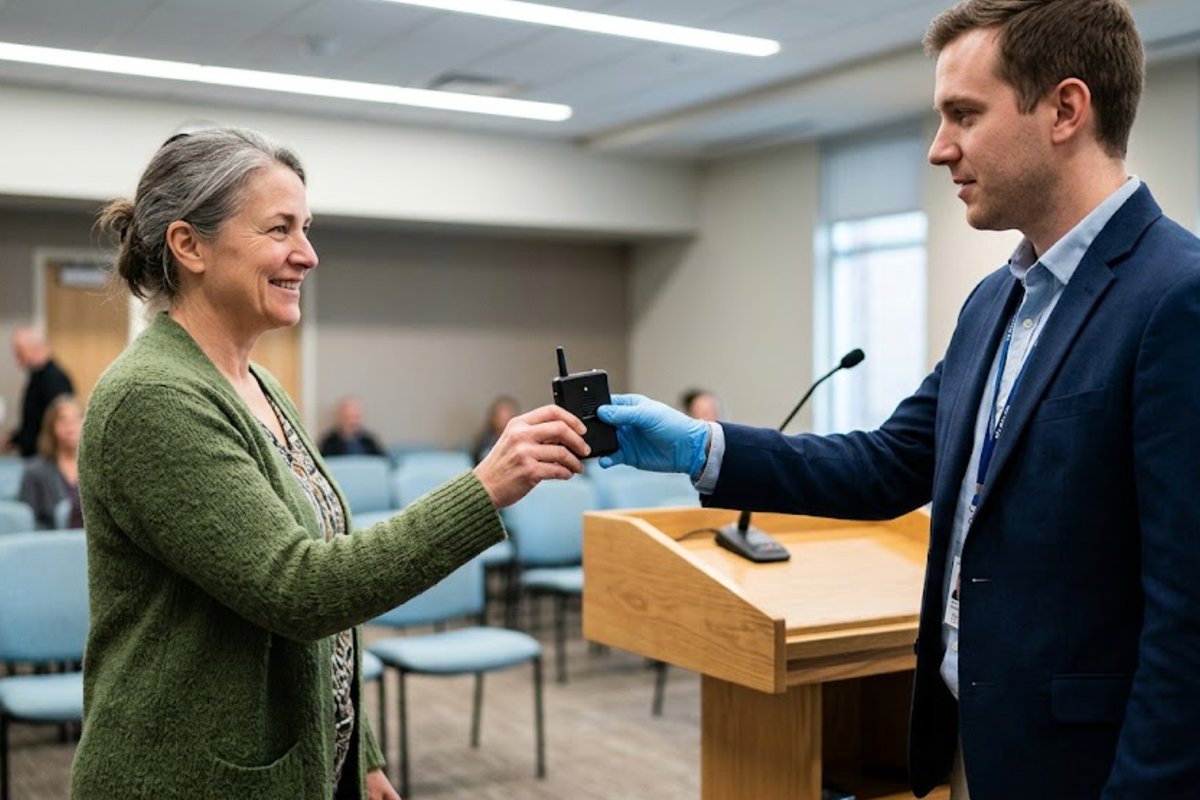
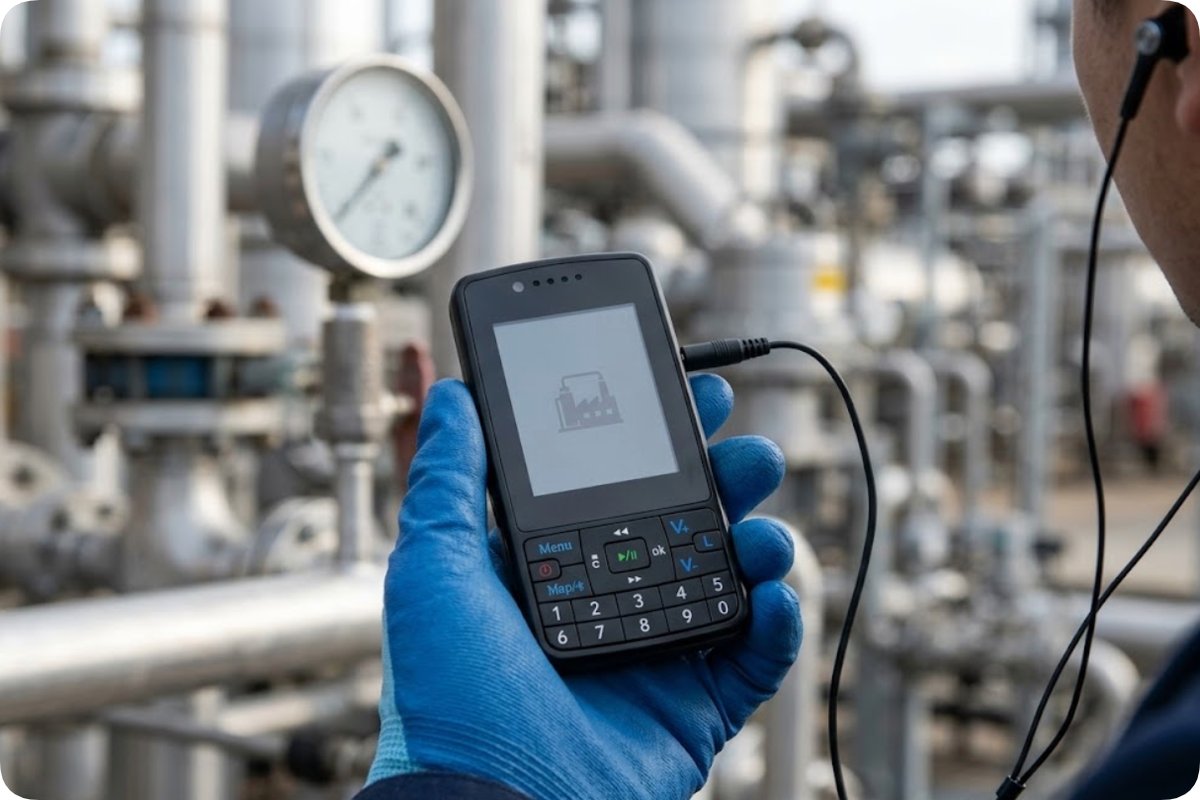
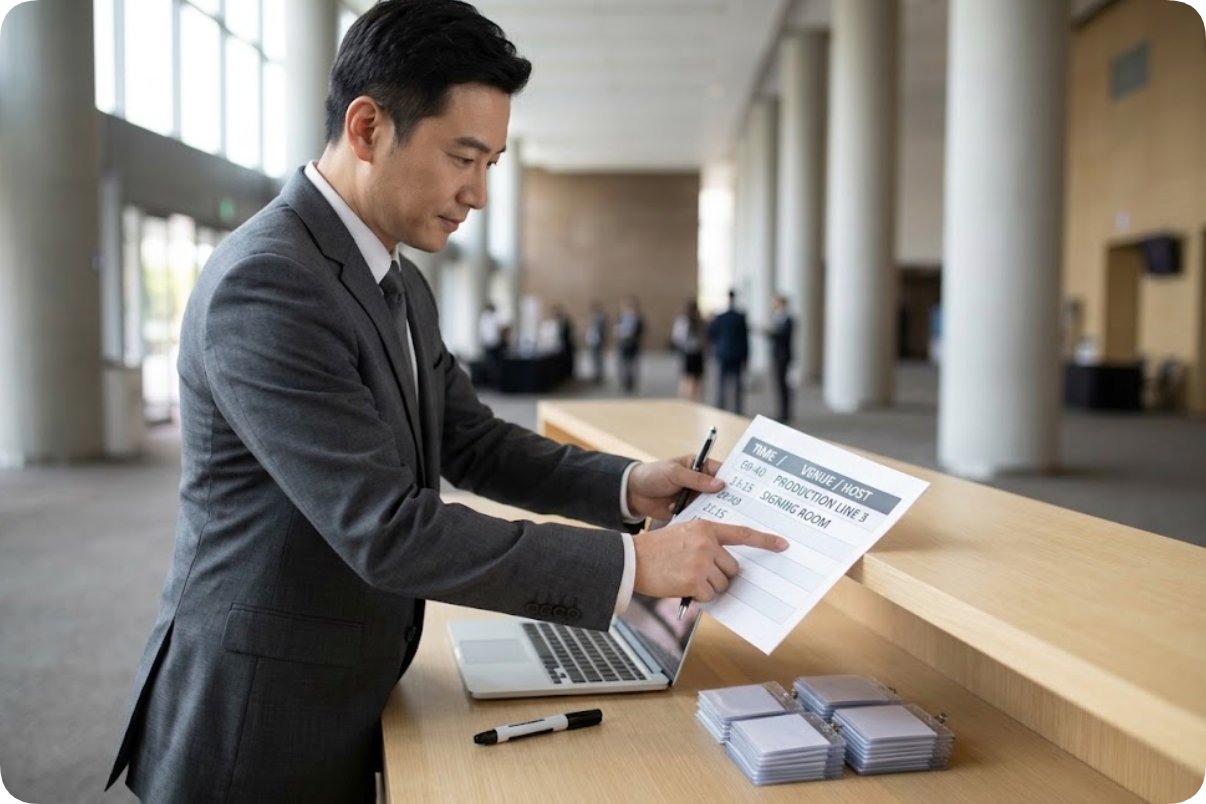
A food factory tour floor is a controlled kind of chaos. Production lines run nonstop, machinery hums in the background, and groups of visitors move from station to station while guides narrate every step. In that environment, the RC2501 and RC085 have quietly changed how tours are delivered, turning a noisy and hard-to-follow experience into one where every visitor hears clearly from start to finish. For facility managers, tour coordinators, and purchasing teams, however, the decision to modernize a tour program has never been about audio quality alone. Budgets move on the strength of a business case. The question that matters is simple: will the investment pay for itself, and how quickly? This article builds a transparent, numbers-driven return on investment (ROI) case for deploying the RC2501 and RC085 in a food factory tour, so decision-makers can see exactly where the value comes from.

💰 Why the Numbers Matter Before You Commit

A food factory tour is a high-frequency, high-visibility operation that runs nearly every day of the year. The conditions are demanding: production areas are noisy, walkways are long, and every incoming batch of visitors needs clear, hands-free commentary while staff remain focused on food safety and hygiene protocols. When guides have to raise their voices over machinery or pass handheld receivers down the line, content gets missed, tours run past schedule, and visitors leave with a weaker impression of the brand. These soft costs are real and they repeat on every single tour, yet most legacy audio systems have never been measured against them.

A structured ROI assessment changes that conversation. Instead of comparing sticker prices, it compares the total cost of ownership over three years: purchase cost, maintenance, battery replacement, staff time spent on setup and troubleshooting, and the administrative cost of handling visitor complaints. When those figures are added up, a modern wireless guide system for Food Factory Tour routinely shows a payback period under two and a half years, with measurable gains in visitor satisfaction appearing from the very first day. That is the kind of evidence that makes a funding request easy to justify.

RC2501 and RC085 Solution Benefits and Key Outcomes

Organizations that deploy the RC2501 and RC085 in a food factory tour achieve three outcomes that are easy to measure and hard to argue with. The first is consistently high-quality audio that removes visitor complaints about missing or inaudible content. The second is streamlined operations, with staff spending their time guiding groups instead of managing equipment. The third is a professional impression that reflects positively on the entire organization, which matters in an industry where consumer trust is a core brand asset. Together, these outcomes mean better visitor feedback, faster tour turnover, and fewer demands on already stretched teams.

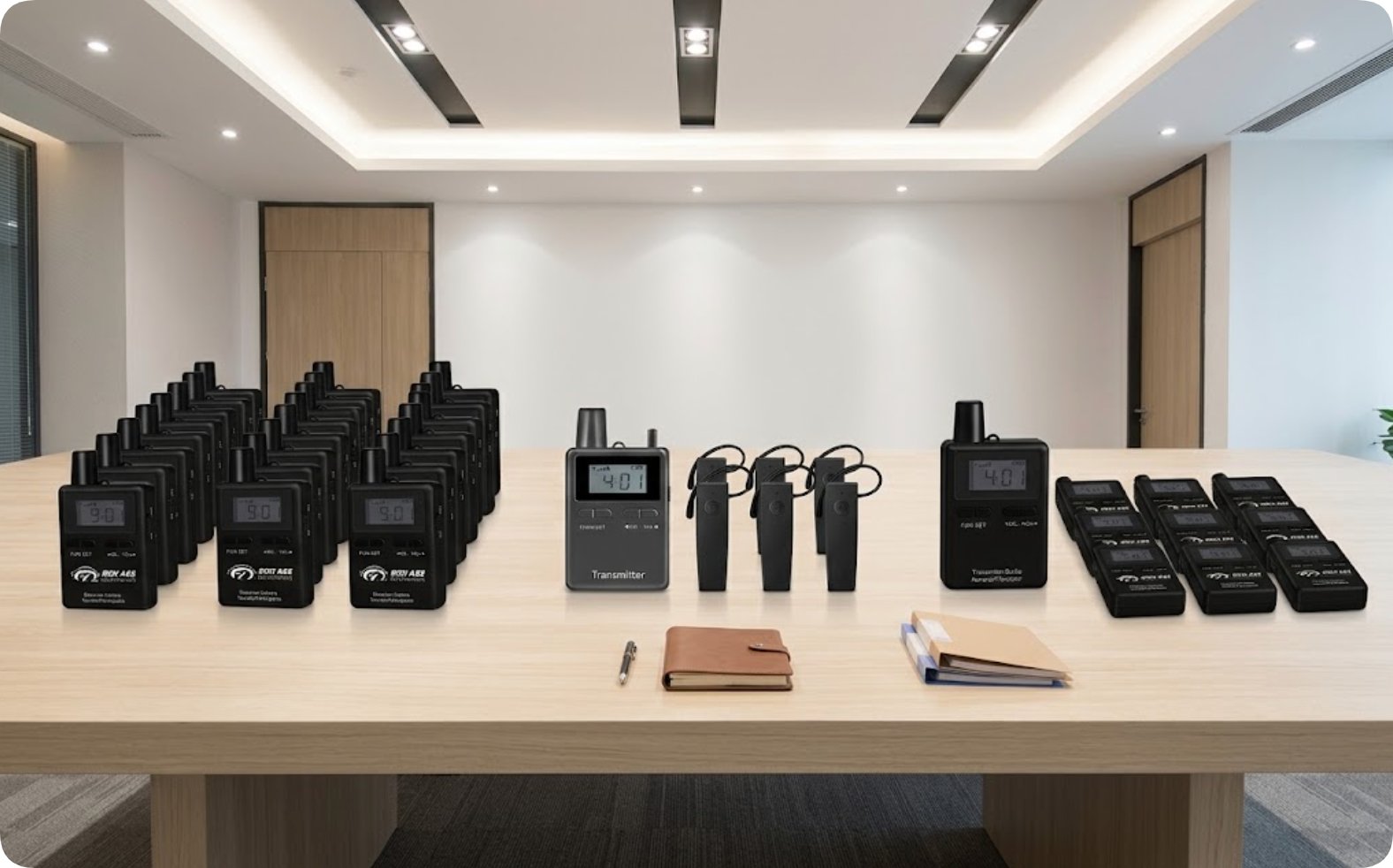
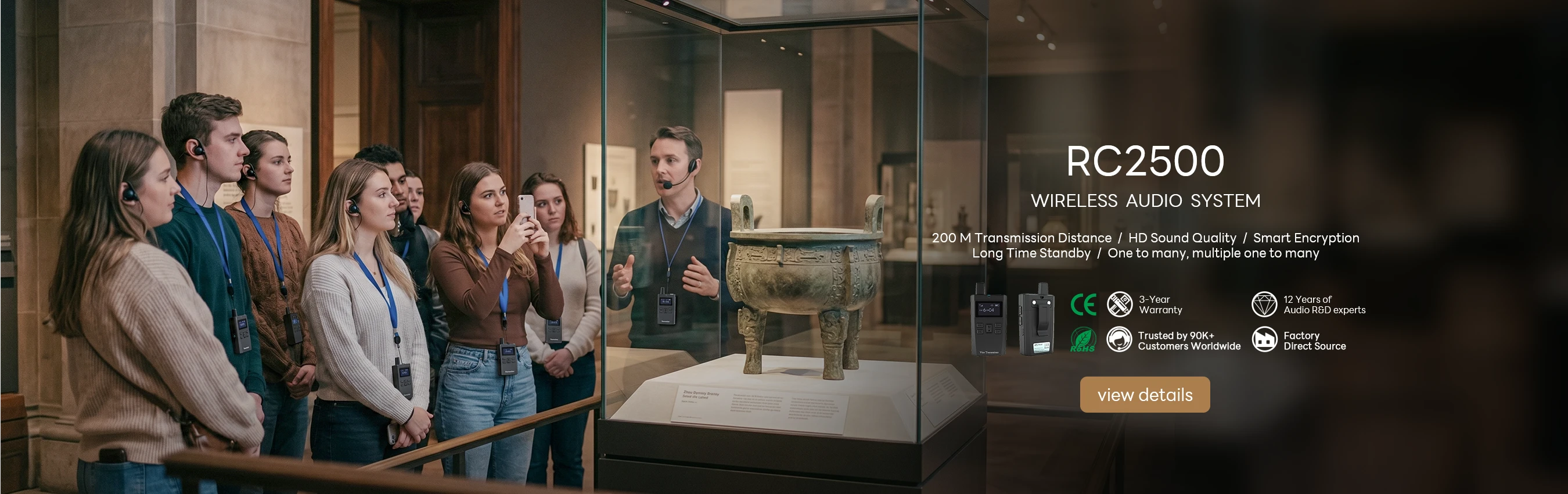
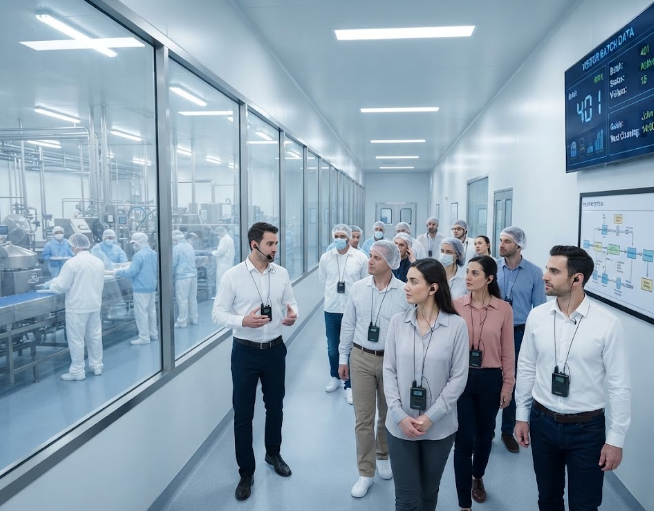
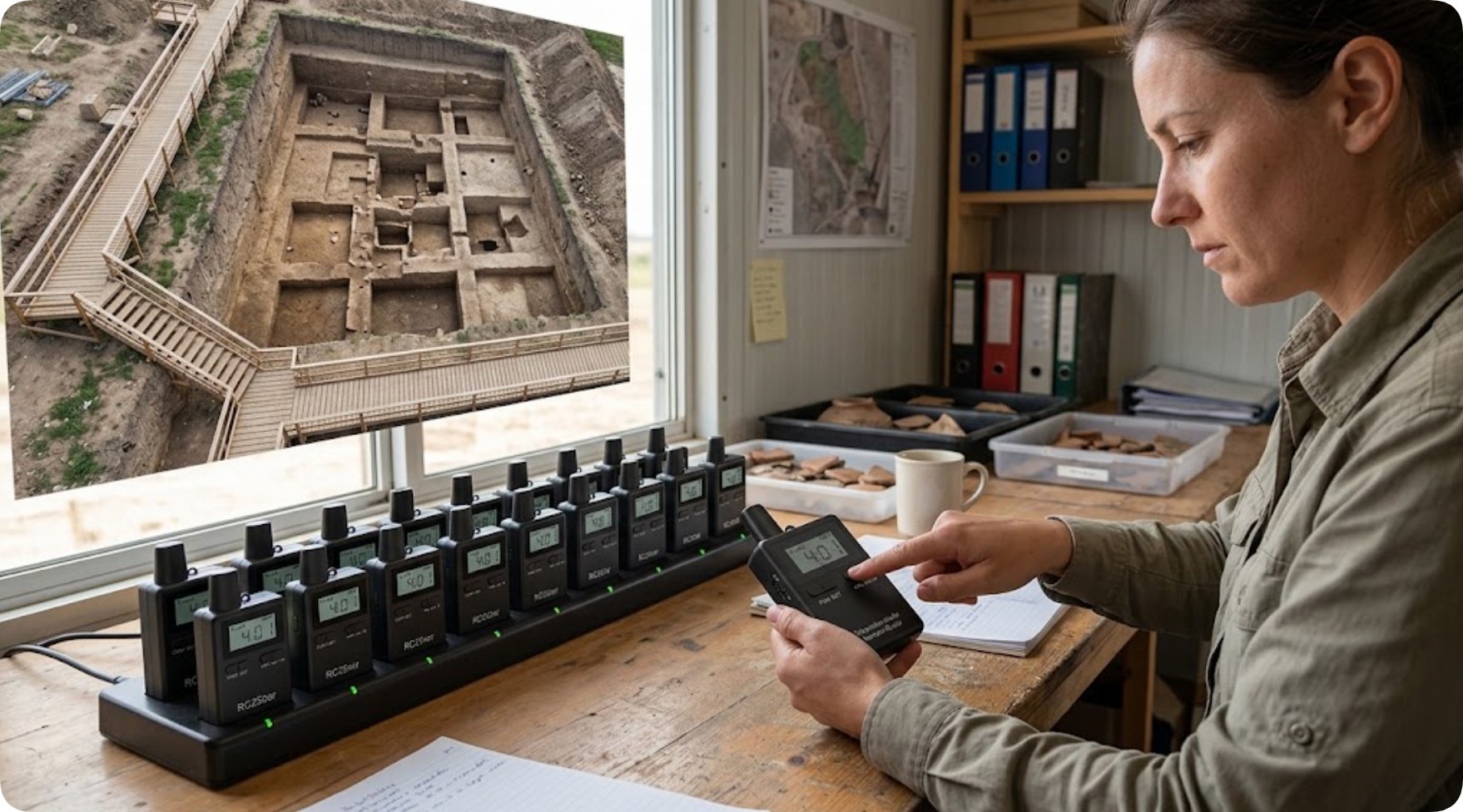
The RC2501 receiver, weighing just 48 g, is designed for quiet-zone and translation workflows where visitors wear a discreet headset and the guide speaks at a normal volume. Its lightweight body keeps listeners comfortable through a full 90-minute factory walk, and the long battery life cuts the frequency of mid-tour swaps. Teams evaluating their current inventory should treat the RC2501 Wireless Tour Guide System as the reference point for quiet-zone tour operations. It is the benchmark most tour teams compare against, and for good reason: consistent, dependable audio that simply keeps working.
RC2501 and RC085 Food Factory Tour Deployment ROI Analysis(图1)

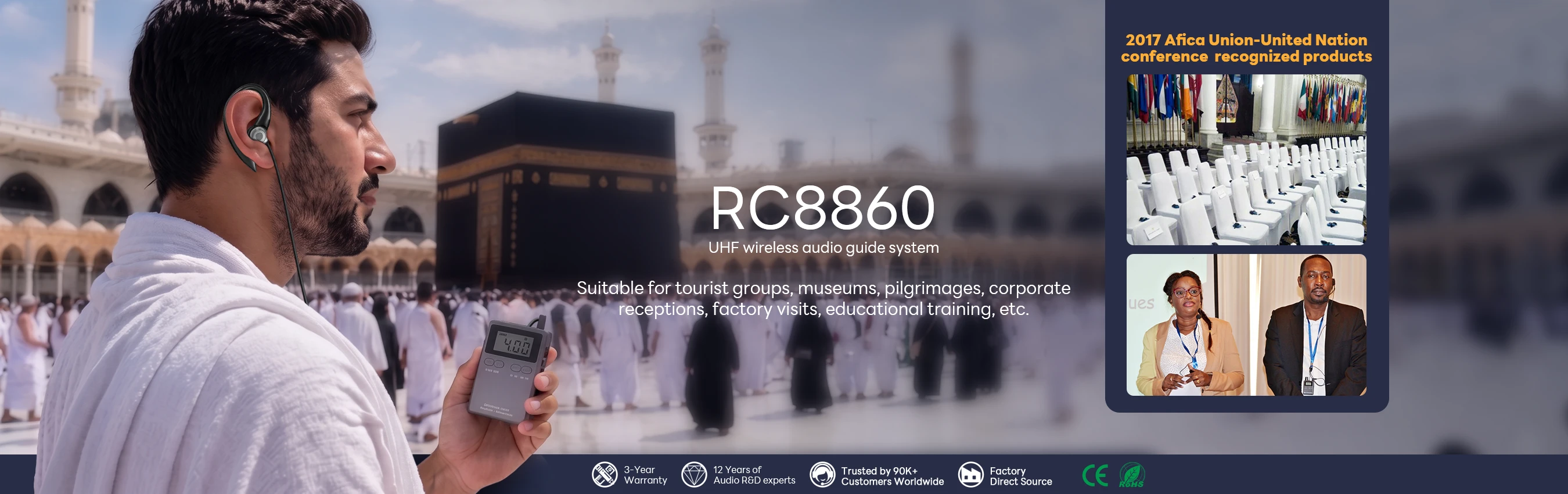
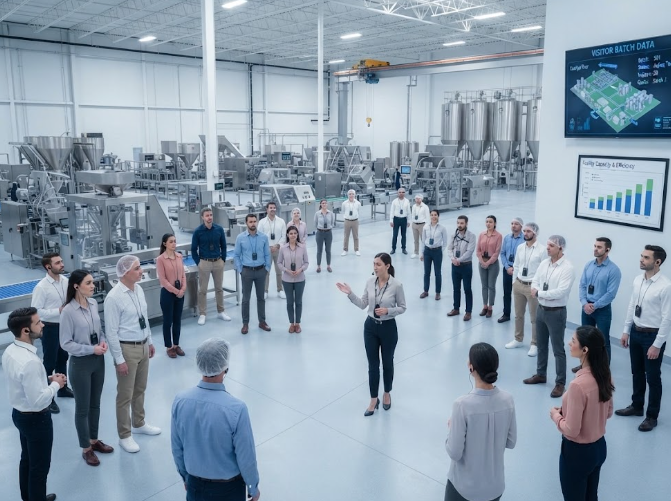
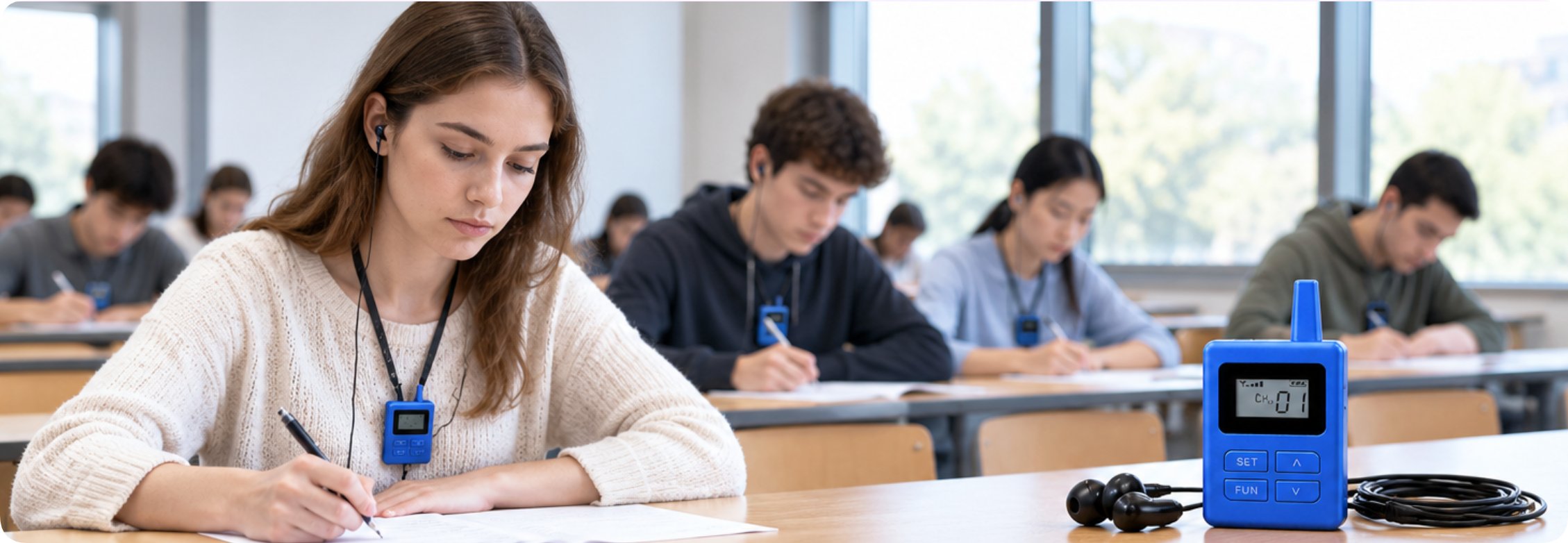
The RC085 transmitter brings a clear LCD display and an intuitive control surface that lets a guide start, pause, and switch language channels without taking their eyes off the group. At 62 g, it pairs comfortably with the receivers and fits the standard lanyard and belt mounting used in food-grade environments. Guides who have used digital transmitters notice the difference immediately: no more guessing which channel is live, no more fumbling mid-sentence. For teams comparing alternatives before committing, the RC085 vs RC8860 comparison spells out exactly where the digital display and channel management add the most value in a busy tour setting.
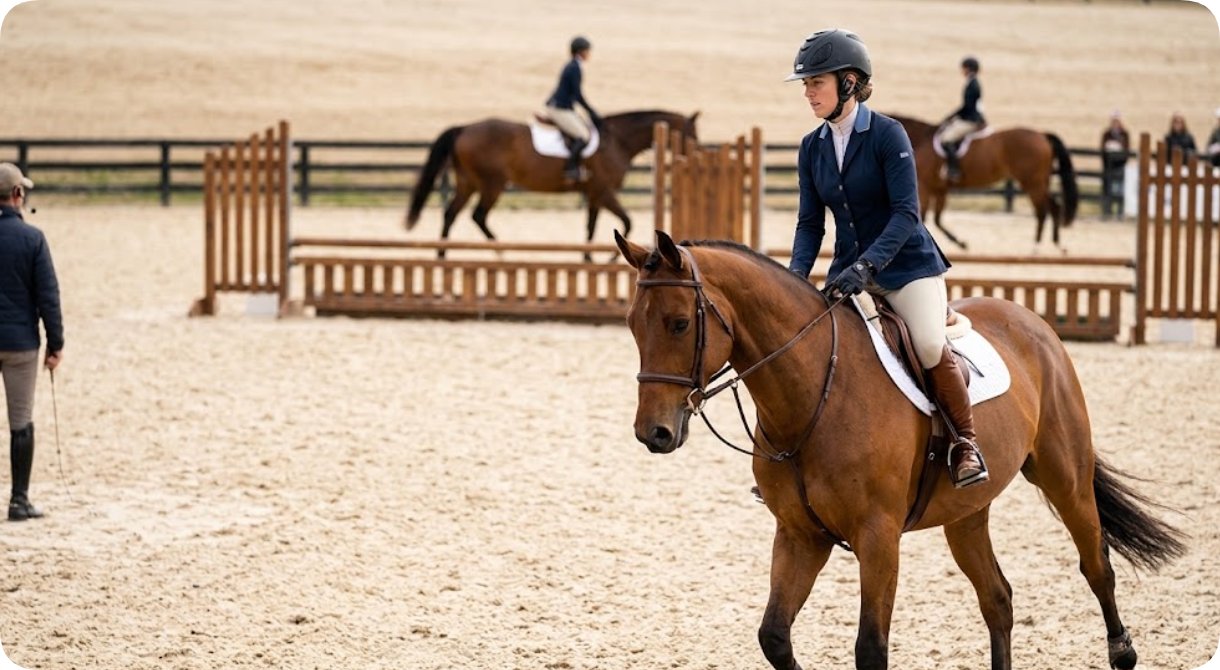
RC2501 and RC085 Food Factory Tour Deployment ROI Analysis(图2)

💰 ROI & Cost-Benefit Analysis

The return on investment for deploying the RC2501 and RC085 in a food factory tour becomes clear when you look beyond the initial purchase price. Reduced battery replacement costs, the elimination of audio-related complaints, faster tour turnover, and lower staff training requirements all combine to deliver a total cost of ownership advantage over legacy systems. The model below assumes a typical deployment of 20 receivers and two transmitters, serving 60 tour batches per year with an average group of 18 visitors. The assumptions are deliberately conservative, so the payback figures hold up under scrutiny rather than being flattered by optimistic inputs.

ModelPositionWeightKit Purchase (20 units)Annual MaintenanceAnnual Labor SavingsPayback Period3-Year ROI
RC2501Translation headphones for church / silent tour48 g$3,800$180$1,920~2.0 years52%
RC085Digital tour guide with clear LCD display62 g$4,400$220$1,900~2.3 years37%

The savings calculation rests on three realistic line items. First, staff time. At a blended labor rate of $32 per hour, the 30 minutes of daily equipment setup and collection that a legacy kit requires costs about $960 per year across 60 tours; the RC2501/RC085 kit cuts that to under five minutes, freeing roughly $800 of labor. Second, battery and repairs. The rechargeable, longer-life cells in the new system eliminate about $260 per year in disposable battery and replacement-part expenses. Third, complaint handling. Resolving audio-related complaints costs an estimated $400 per year in staff follow-up time. Together these items total roughly $1,460, and faster tour turnover lets two additional batches run per month, adding another $440 in capacity value.

🏆 Customer Case Story

One food factory tour team at a major institution had fallen into a familiar rhythm: 30 minutes before every tour spent checking headsets, distributing receivers, and chasing down equipment that had drifted to the wrong charging dock. After implementing the RC2501 and RC085, they cut preparation time to under five minutes and eliminated the battery-related disruptions that had been interrupting their operations for months. The change was immediate, and it was visible to staff and visitors alike.

The financial impact followed the preparation time. With 60 annual tour batches, the reclaimed 25 minutes per tour returned roughly 25 hours of staff time per year, and the disappearance of mid-tour battery failures removed the most common cause of negative feedback in their visitor surveys. When the team presented the numbers, the payback period of approximately two years was the deciding factor. Teams evaluating the upgrade path between product lines often begin with the RC2500 vs RC2501 comparison to confirm which receiver generation best fits their budget and quiet-zone requirements, and this team was no exception.

💰 Final Verdict and Deployment Considerations

Every factory tour runs on the same formula: time, staff, and visitor trust. The RC2501 and RC085 combination improves all three, and the math holds up at almost any scale. Larger facilities that run 100 or more tours per year recover the purchase cost even faster than the model above suggests, while smaller operations still break even well within the typical three-year equipment lifecycle. For teams that want the LCD display and channel controls on the guide side, the RC085 Digital Tour Guide System is the logical starting point, while the RC2501 receiver keeps the whole group listening comfortably from the first exhibit to the last.

Whichever model a facility selects, the recommendation is the same: measure your current setup time, battery spend, and complaint count before switching, then compare those figures against the numbers above. The data gathered in your own environment will confirm the case, and it will turn the funding decision into a straightforward one. Modernizing a tour program is rarely about finding the budget; it is usually about proving that the budget is already being spent, just on the wrong things.
2026年08月20日 15:30
click: 432

RC2501 and RC085 Food Factory Tour Deployment ROI Analysis

time: 2026年08月20日 click:432

RC2501 and RC085 Food Factory Tour Deployment ROI Analysis

A food factory tour floor is a controlled kind of chaos. Production lines run nonstop, machinery hums in the background, and groups of visitors move from station to station while guides narrate every step. In that environment, the RC2501 and RC085 have quietly changed how tours are delivered, turning a noisy and hard-to-follow experience into one where every visitor hears clearly from start to finish. For facility managers, tour coordinators, and purchasing teams, however, the decision to modernize a tour program has never been about audio quality alone. Budgets move on the strength of a business case. The question that matters is simple: will the investment pay for itself, and how quickly? This article builds a transparent, numbers-driven return on investment (ROI) case for deploying the RC2501 and RC085 in a food factory tour, so decision-makers can see exactly where the value comes from.

💰 Why the Numbers Matter Before You Commit

A food factory tour is a high-frequency, high-visibility operation that runs nearly every day of the year. The conditions are demanding: production areas are noisy, walkways are long, and every incoming batch of visitors needs clear, hands-free commentary while staff remain focused on food safety and hygiene protocols. When guides have to raise their voices over machinery or pass handheld receivers down the line, content gets missed, tours run past schedule, and visitors leave with a weaker impression of the brand. These soft costs are real and they repeat on every single tour, yet most legacy audio systems have never been measured against them.

A structured ROI assessment changes that conversation. Instead of comparing sticker prices, it compares the total cost of ownership over three years: purchase cost, maintenance, battery replacement, staff time spent on setup and troubleshooting, and the administrative cost of handling visitor complaints. When those figures are added up, a modern wireless guide system for Food Factory Tour routinely shows a payback period under two and a half years, with measurable gains in visitor satisfaction appearing from the very first day. That is the kind of evidence that makes a funding request easy to justify.

RC2501 and RC085 Solution Benefits and Key Outcomes

Organizations that deploy the RC2501 and RC085 in a food factory tour achieve three outcomes that are easy to measure and hard to argue with. The first is consistently high-quality audio that removes visitor complaints about missing or inaudible content. The second is streamlined operations, with staff spending their time guiding groups instead of managing equipment. The third is a professional impression that reflects positively on the entire organization, which matters in an industry where consumer trust is a core brand asset. Together, these outcomes mean better visitor feedback, faster tour turnover, and fewer demands on already stretched teams.

The RC2501 receiver, weighing just 48 g, is designed for quiet-zone and translation workflows where visitors wear a discreet headset and the guide speaks at a normal volume. Its lightweight body keeps listeners comfortable through a full 90-minute factory walk, and the long battery life cuts the frequency of mid-tour swaps. Teams evaluating their current inventory should treat the RC2501 Wireless Tour Guide System as the reference point for quiet-zone tour operations. It is the benchmark most tour teams compare against, and for good reason: consistent, dependable audio that simply keeps working.

RC2501 and RC085 Food Factory Tour Deployment ROI Analysis(图1)

The RC085 transmitter brings a clear LCD display and an intuitive control surface that lets a guide start, pause, and switch language channels without taking their eyes off the group. At 62 g, it pairs comfortably with the receivers and fits the standard lanyard and belt mounting used in food-grade environments. Guides who have used digital transmitters notice the difference immediately: no more guessing which channel is live, no more fumbling mid-sentence. For teams comparing alternatives before committing, the RC085 vs RC8860 comparison spells out exactly where the digital display and channel management add the most value in a busy tour setting.

RC2501 and RC085 Food Factory Tour Deployment ROI Analysis(图2)

💰 ROI & Cost-Benefit Analysis

The return on investment for deploying the RC2501 and RC085 in a food factory tour becomes clear when you look beyond the initial purchase price. Reduced battery replacement costs, the elimination of audio-related complaints, faster tour turnover, and lower staff training requirements all combine to deliver a total cost of ownership advantage over legacy systems. The model below assumes a typical deployment of 20 receivers and two transmitters, serving 60 tour batches per year with an average group of 18 visitors. The assumptions are deliberately conservative, so the payback figures hold up under scrutiny rather than being flattered by optimistic inputs.

ModelPositionWeightKit Purchase (20 units)Annual MaintenanceAnnual Labor SavingsPayback Period3-Year ROI
RC2501Translation headphones for church / silent tour48 g$3,800$180$1,920~2.0 years52%
RC085Digital tour guide with clear LCD display62 g$4,400$220$1,900~2.3 years37%

The savings calculation rests on three realistic line items. First, staff time. At a blended labor rate of $32 per hour, the 30 minutes of daily equipment setup and collection that a legacy kit requires costs about $960 per year across 60 tours; the RC2501/RC085 kit cuts that to under five minutes, freeing roughly $800 of labor. Second, battery and repairs. The rechargeable, longer-life cells in the new system eliminate about $260 per year in disposable battery and replacement-part expenses. Third, complaint handling. Resolving audio-related complaints costs an estimated $400 per year in staff follow-up time. Together these items total roughly $1,460, and faster tour turnover lets two additional batches run per month, adding another $440 in capacity value.

🏆 Customer Case Story

One food factory tour team at a major institution had fallen into a familiar rhythm: 30 minutes before every tour spent checking headsets, distributing receivers, and chasing down equipment that had drifted to the wrong charging dock. After implementing the RC2501 and RC085, they cut preparation time to under five minutes and eliminated the battery-related disruptions that had been interrupting their operations for months. The change was immediate, and it was visible to staff and visitors alike.

The financial impact followed the preparation time. With 60 annual tour batches, the reclaimed 25 minutes per tour returned roughly 25 hours of staff time per year, and the disappearance of mid-tour battery failures removed the most common cause of negative feedback in their visitor surveys. When the team presented the numbers, the payback period of approximately two years was the deciding factor. Teams evaluating the upgrade path between product lines often begin with the RC2500 vs RC2501 comparison to confirm which receiver generation best fits their budget and quiet-zone requirements, and this team was no exception.

💰 Final Verdict and Deployment Considerations

Every factory tour runs on the same formula: time, staff, and visitor trust. The RC2501 and RC085 combination improves all three, and the math holds up at almost any scale. Larger facilities that run 100 or more tours per year recover the purchase cost even faster than the model above suggests, while smaller operations still break even well within the typical three-year equipment lifecycle. For teams that want the LCD display and channel controls on the guide side, the RC085 Digital Tour Guide System is the logical starting point, while the RC2501 receiver keeps the whole group listening comfortably from the first exhibit to the last.

Whichever model a facility selects, the recommendation is the same: measure your current setup time, battery spend, and complaint count before switching, then compare those figures against the numbers above. The data gathered in your own environment will confirm the case, and it will turn the funding decision into a straightforward one. Modernizing a tour program is rarely about finding the budget; it is usually about proving that the budget is already being spent, just on the wrong things.
×

Contact us

email:
name:
subject:
content: