
A leading China factory specializing in Wireless Tour Guide Systems, Church Audio Guides, and Translation Headphones with premium OEM/ODM solutions.

Tel:+86 18922879583

Email:tiger.wang@richitek.com

Measured Outdoors: RC085, RC2500 and RC2408 Across an Open Venue

Outdoor venues are the most forgiving environment for wireless audio and the least forgiving for planning. There are no walls to bounce off, which sounds like good news until you discover that the thing limiting your range is no longer the building - it is the crowd, the trees, and the fact that the route is three times longer than anyone measured.

We took three transmitters to an open-air site and ran the same route with each. The city tour solutions team runs this kind of test regularly, and the results are consistent enough to be worth sharing: the ranking between units changes depending on what you put between the guide and the group.

🏟️ What We Set Out to Test

Three questions, in the order they matter on site:

How far does each unit actually reach with a clear line between the guide and the last delegate?

What happens when something gets in the way - a stand of trees, a temporary structure, or five hundred people?

How many groups can run at once before channels start interfering?

The third question is the one that decides the purchase, and it is the one most often skipped. Range is easy to quote and easy to test; channel planning is neither.

🗺️ 📏 Line of Sight, Three Ways

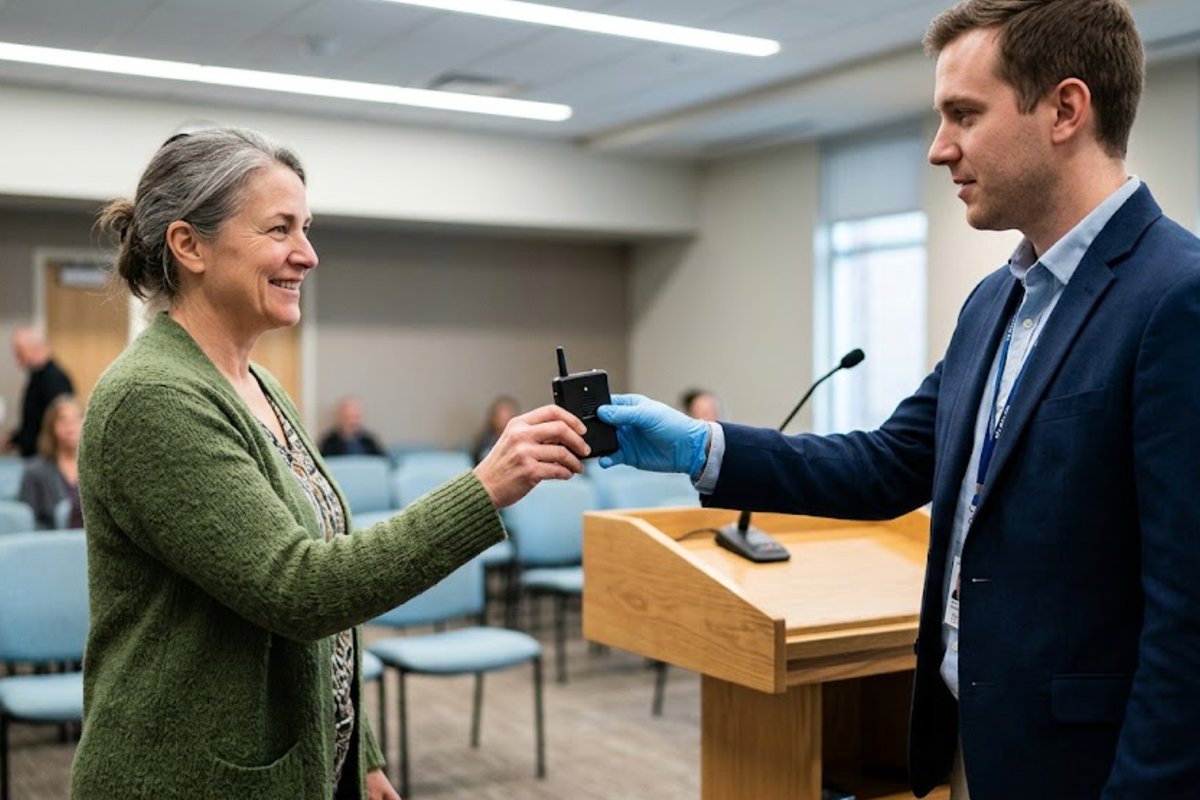
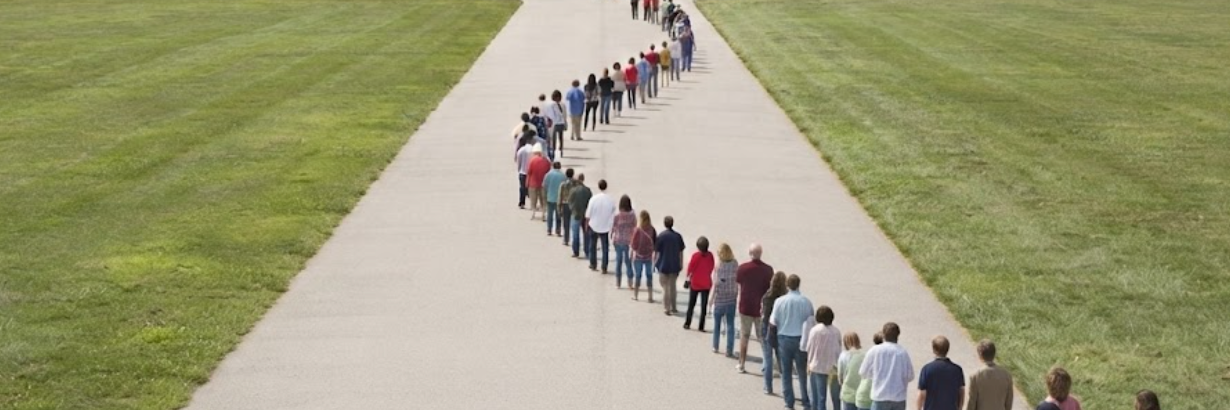
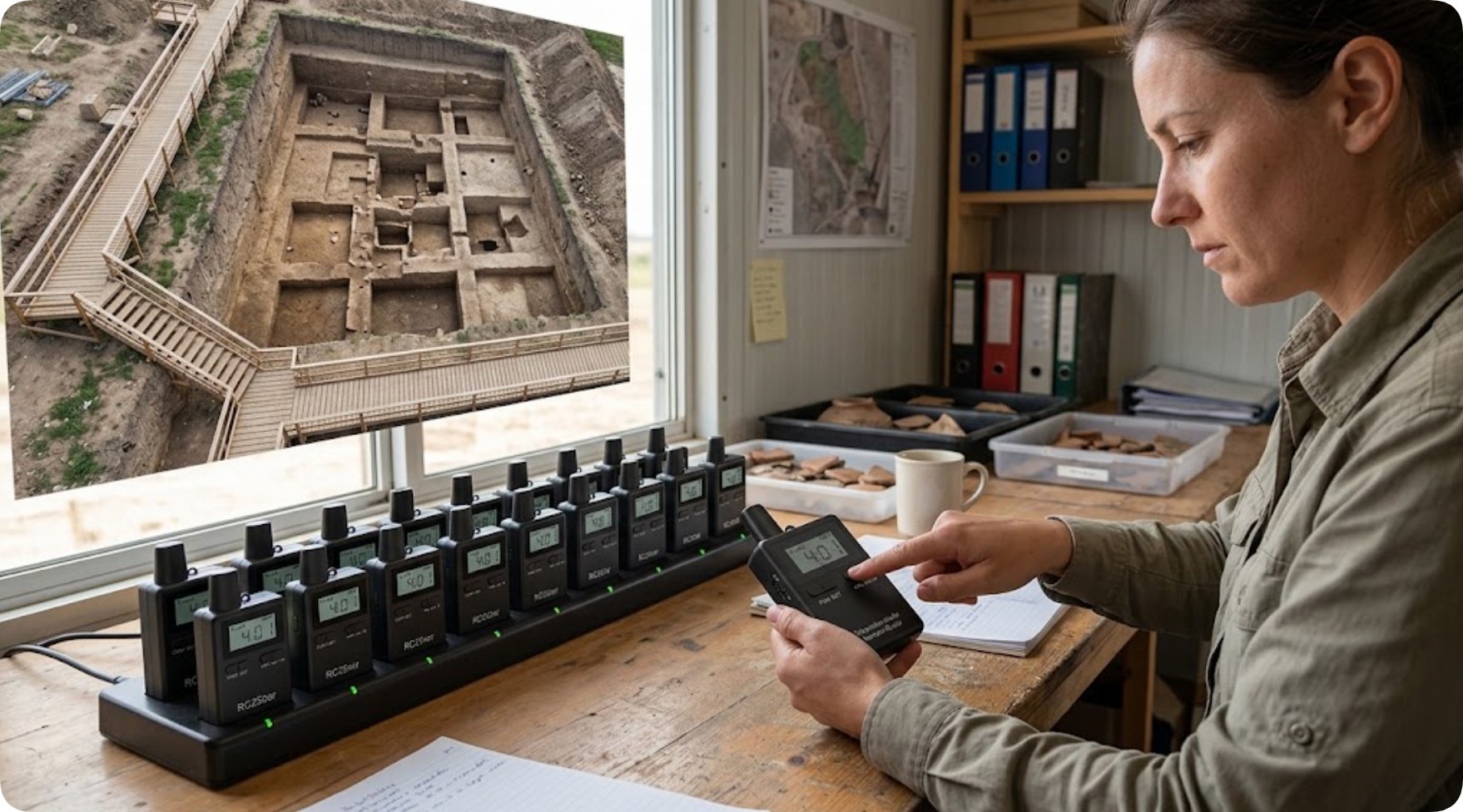
On flat open ground with nothing between the transmitter and the receiver, the ordering was stable across repeated runs. The RC085 held a usable signal furthest, which is what a UHF/VHF unit is designed to do - lower frequencies carry further in free space and lose less energy to absorption.

The RC2500 came next, with enough reach for most single-group routes. The RC2408 covered the least distance, which is not a defect - it is the trade for channel capacity, as the later sections show.

The practical note from this test: the quoted range on a specification sheet assumes an empty field. A venue is never an empty field, so treat line-of-sight figures as an upper bound rather than a plan.
Measured Outdoors: RC085, RC2500 and RC2408 Across an Open Venue(图1)

🌳 Where Obstacles Change the Answer

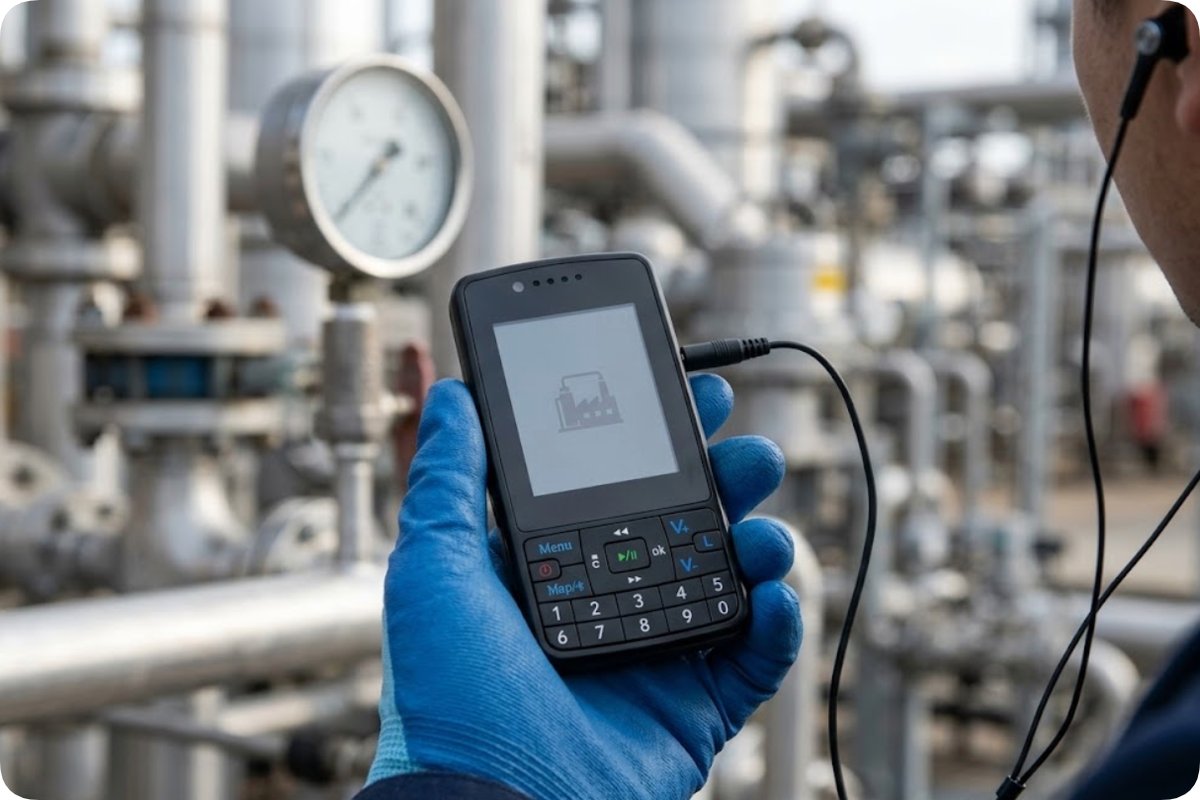
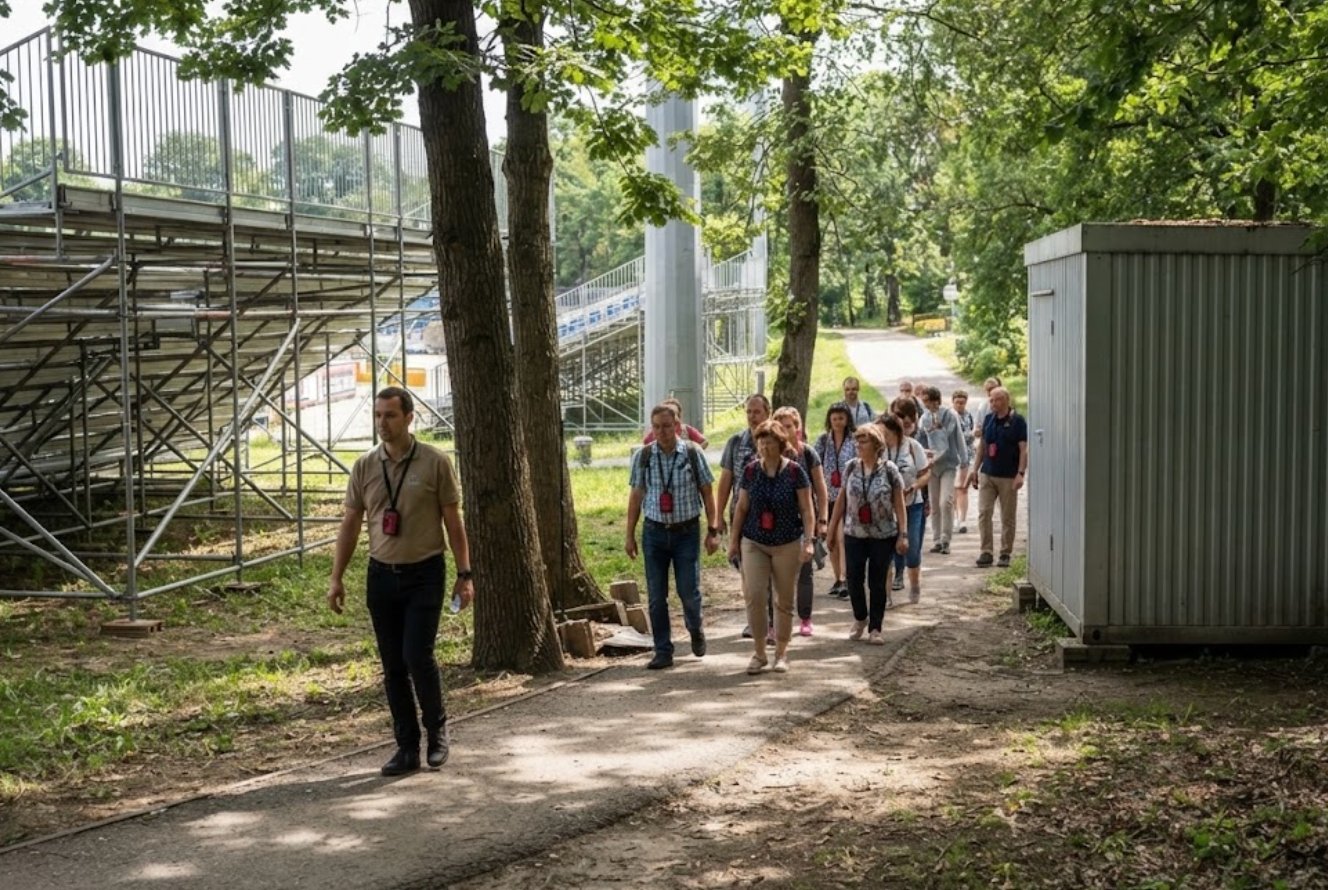
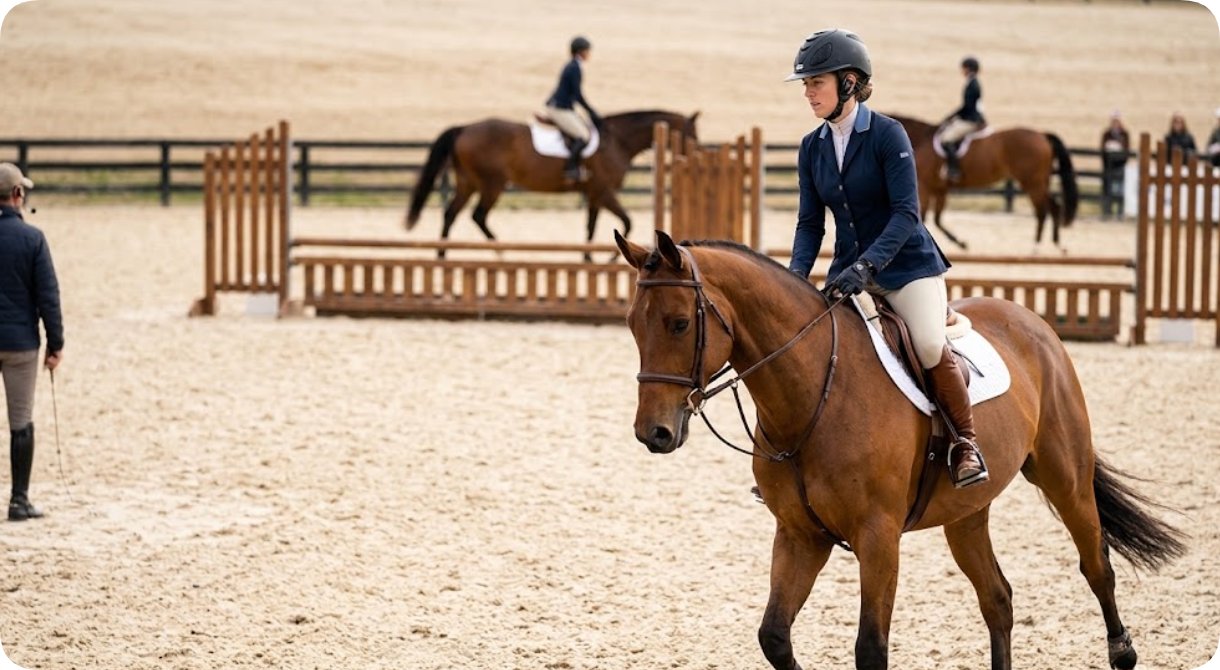
This is where the ranking got interesting. We routed the same walk through a tree line and past a temporary grandstand.

Two effects showed up: absorption - foliage and wet timber take energy out of the signal - and diffraction, where a signal bends around an obstacle rather than through it. Lower frequencies diffract better, which is why the RC085 lost proportionally less range behind the grandstand than the 2.4 GHz units did.

The 2.4 GHz units lost more but recovered faster on the far side. In practice this means a 2.4 GHz group walking behind a structure experiences a brief dropout rather than a sustained degradation, while the UHF unit degrades more smoothly across the whole obstruction.
Measured Outdoors: RC085, RC2500 and RC2408 Across an Open Venue(图2)

👥 Crowd Density and Body Blocking

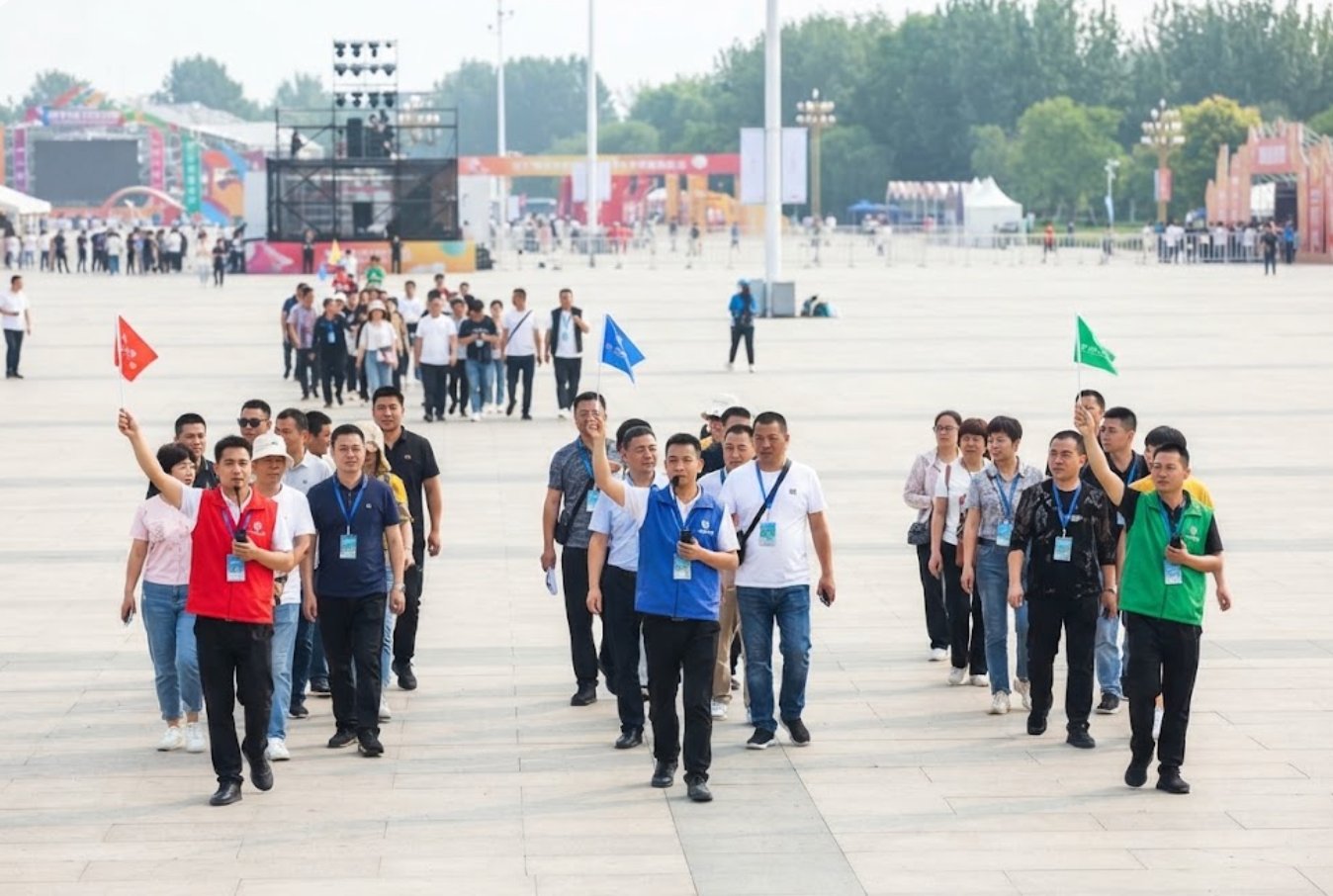
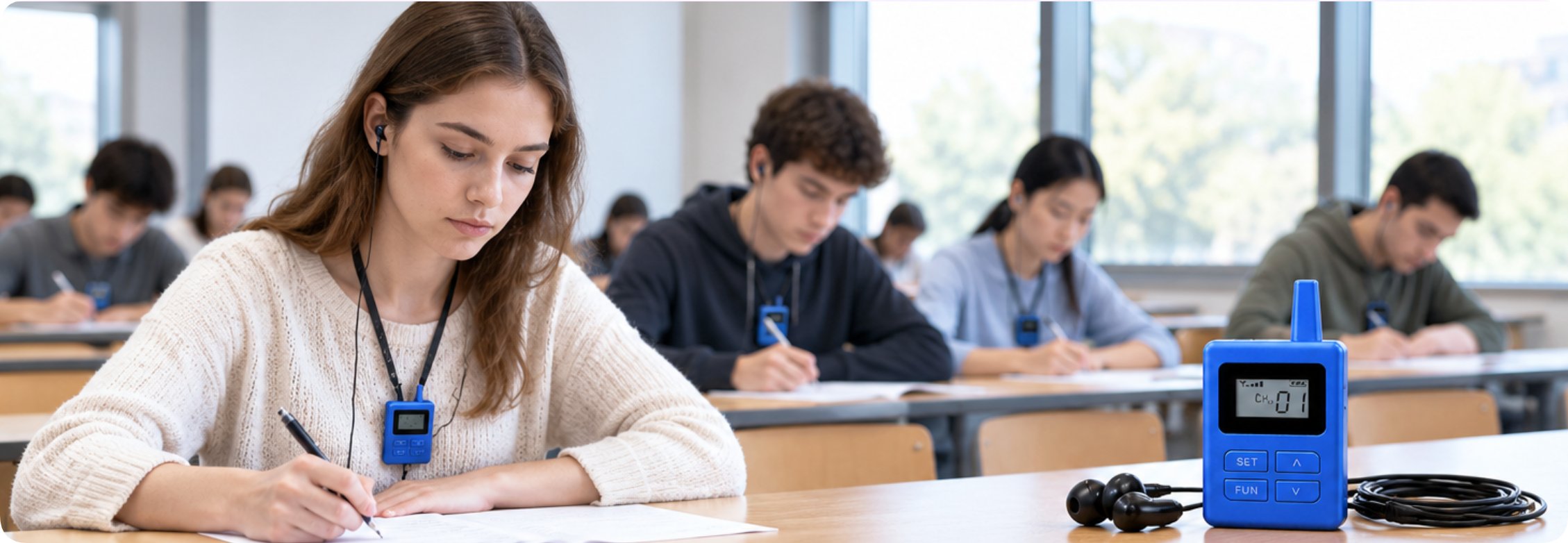
Of everything we measured, crowd density produced the largest gap between the units, and it is the variable most likely to be overlooked during planning.

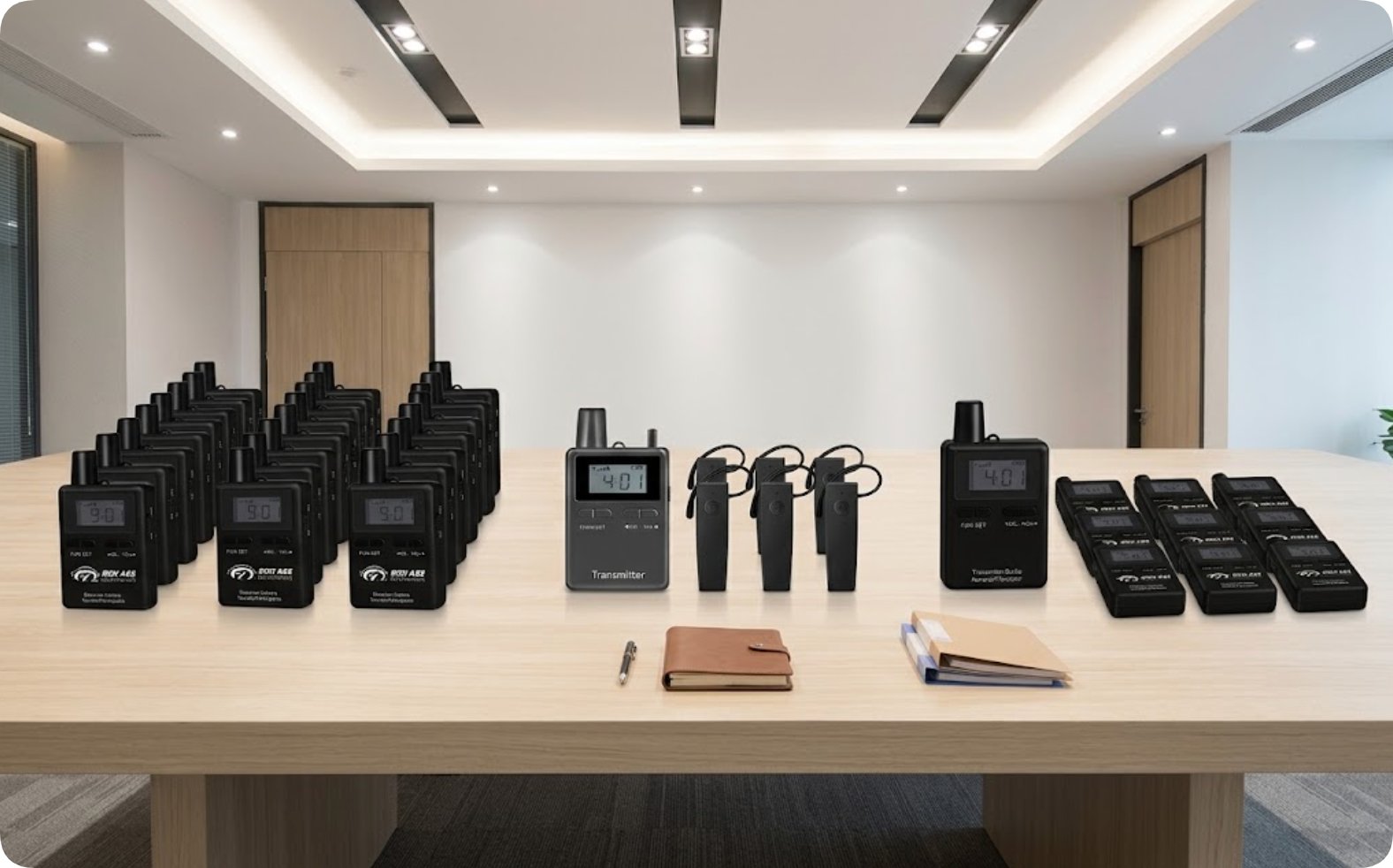
The human body is mostly water, and water absorbs 2.4 GHz energy efficiently. A guide whose transmitter sits at the back of a belt, or who is surrounded by a tight group, is effectively standing inside an absorber. We saw the 2.4 GHz range drop by roughly a third in a dense crowd. The UHF unit dropped by noticeably less.

Two conclusions follow, and both cost nothing:

Carry the transmitter where it can see the group. A lanyard or a front-of-body position recovered a substantial part of the lost range in our runs - more than any equipment change would have.

Plan for the crowded case, not the empty one. If the route passes through a bottleneck - a gate, a bridge, a narrow path between exhibits - measure that section specifically, because it sets the effective range for the whole tour.
Measured Outdoors: RC085, RC2500 and RC2408 Across an Open Venue(图3)

🔋 🔋 Running a Full Day on One Charge

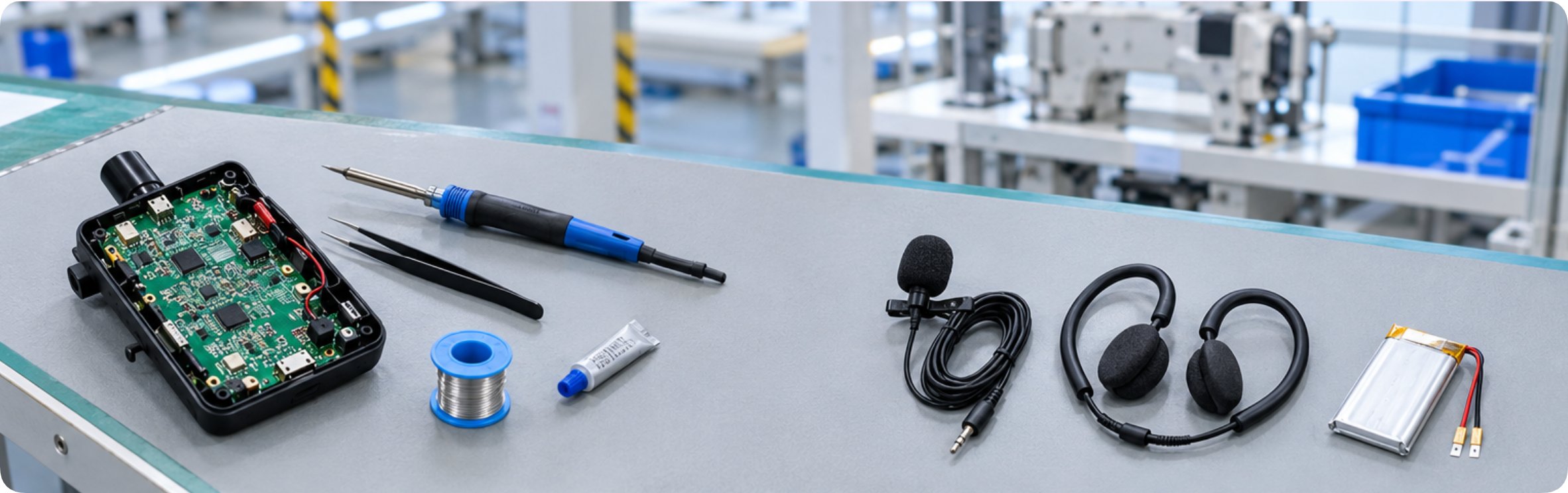
Outdoor programmes run long, and a unit that dies at hour six is a unit that was never really in the plan. We ran each transmitter continuously from a full charge:

The RC2408, with the lowest transmit demands of the three, ran longest.

The RC2500 covered a full day with margin.

The RC085, driven hardest by the range tests, still finished a working day but with less spare.

For multi-day festivals or sites without reliable mains access, the discipline is the same as for any fleet: charge on a schedule rather than on demand, and keep a known-good spare rather than trusting the indicator on the unit.

📊 Results Side by Side

Test conditionRC085 (UHF/VHF)RC2500 (2.4 GHz long range)RC2408 (2.4 GHz multi-channel)
Clear line of sight~260 m~180 m~120 m
Behind trees / grandstand~150 m~90 m~60 m
Dense crowd (≈500 people)~185 m~115 m~75 m
Simultaneous groups supportedLimited channel countModerateHighest
Behaviour behind obstaclesSmooth degradationBrief dropout, fast recoveryBrief dropout, fast recovery
Best fitLong routes, heavy obstructionSingle long route, open groundMany parallel groups

Read the first three rows as relative rather than absolute - every site differs, and the point is the ordering, not the metre count.

🔮 Choosing by Site Layout

The decision is not "which unit is best". It is "what does this site put in the way":

Long route, trees or structures, one group: the RC085 earns its place on reach and on how gracefully it degrades behind obstacles.

Open ground, one long route: the RC2500 covers it with margin and keeps channel options open.

Many groups in the same area: the RC2408 is the right answer even where its raw range looks modest, because channel capacity is the binding constraint, not distance.

Two habits make any of these work. Walk the route with a receiver before the first group arrives and note where the signal thins. And carry the transmitter where it can see the delegates rather than where it is comfortable - in our runs that single change recovered more range than switching units.

If you are planning an outdoor programme, our solution library carries further deployment notes from outdoor and city tour environments. Send us the route length, the expected group count, and a note on what sits between the guide and the group - with those three, the right transmitter is usually obvious.
2026年08月31日 17:06
click: 213
no data

Measured Outdoors: RC085, RC2500 and RC2408 Across an Open Venue

time: 2026年08月31日 click:213

Outdoor venues are the most forgiving environment for wireless audio and the least forgiving for planning. There are no walls to bounce off, which sounds like good news until you discover that the thing limiting your range is no longer the building - it is the crowd, the trees, and the fact that the route is three times longer than anyone measured.

We took three transmitters to an open-air site and ran the same route with each. The city tour solutions team runs this kind of test regularly, and the results are consistent enough to be worth sharing: the ranking between units changes depending on what you put between the guide and the group.

🏟️ What We Set Out to Test

Three questions, in the order they matter on site:

How far does each unit actually reach with a clear line between the guide and the last delegate?

What happens when something gets in the way - a stand of trees, a temporary structure, or five hundred people?

How many groups can run at once before channels start interfering?

The third question is the one that decides the purchase, and it is the one most often skipped. Range is easy to quote and easy to test; channel planning is neither.

🗺️ 📏 Line of Sight, Three Ways

On flat open ground with nothing between the transmitter and the receiver, the ordering was stable across repeated runs. The RC085 held a usable signal furthest, which is what a UHF/VHF unit is designed to do - lower frequencies carry further in free space and lose less energy to absorption.

The RC2500 came next, with enough reach for most single-group routes. The RC2408 covered the least distance, which is not a defect - it is the trade for channel capacity, as the later sections show.

The practical note from this test: the quoted range on a specification sheet assumes an empty field. A venue is never an empty field, so treat line-of-sight figures as an upper bound rather than a plan.

Measured Outdoors: RC085, RC2500 and RC2408 Across an Open Venue(图1)

🌳 Where Obstacles Change the Answer

This is where the ranking got interesting. We routed the same walk through a tree line and past a temporary grandstand.

Two effects showed up: absorption - foliage and wet timber take energy out of the signal - and diffraction, where a signal bends around an obstacle rather than through it. Lower frequencies diffract better, which is why the RC085 lost proportionally less range behind the grandstand than the 2.4 GHz units did.

The 2.4 GHz units lost more but recovered faster on the far side. In practice this means a 2.4 GHz group walking behind a structure experiences a brief dropout rather than a sustained degradation, while the UHF unit degrades more smoothly across the whole obstruction.

Measured Outdoors: RC085, RC2500 and RC2408 Across an Open Venue(图2)

👥 Crowd Density and Body Blocking

Of everything we measured, crowd density produced the largest gap between the units, and it is the variable most likely to be overlooked during planning.

The human body is mostly water, and water absorbs 2.4 GHz energy efficiently. A guide whose transmitter sits at the back of a belt, or who is surrounded by a tight group, is effectively standing inside an absorber. We saw the 2.4 GHz range drop by roughly a third in a dense crowd. The UHF unit dropped by noticeably less.

Two conclusions follow, and both cost nothing:

Carry the transmitter where it can see the group. A lanyard or a front-of-body position recovered a substantial part of the lost range in our runs - more than any equipment change would have.

Plan for the crowded case, not the empty one. If the route passes through a bottleneck - a gate, a bridge, a narrow path between exhibits - measure that section specifically, because it sets the effective range for the whole tour.

Measured Outdoors: RC085, RC2500 and RC2408 Across an Open Venue(图3)

🔋 🔋 Running a Full Day on One Charge

Outdoor programmes run long, and a unit that dies at hour six is a unit that was never really in the plan. We ran each transmitter continuously from a full charge:

The RC2408, with the lowest transmit demands of the three, ran longest.

The RC2500 covered a full day with margin.

The RC085, driven hardest by the range tests, still finished a working day but with less spare.

For multi-day festivals or sites without reliable mains access, the discipline is the same as for any fleet: charge on a schedule rather than on demand, and keep a known-good spare rather than trusting the indicator on the unit.

📊 Results Side by Side

Test conditionRC085 (UHF/VHF)RC2500 (2.4 GHz long range)RC2408 (2.4 GHz multi-channel)
Clear line of sight~260 m~180 m~120 m
Behind trees / grandstand~150 m~90 m~60 m
Dense crowd (≈500 people)~185 m~115 m~75 m
Simultaneous groups supportedLimited channel countModerateHighest
Behaviour behind obstaclesSmooth degradationBrief dropout, fast recoveryBrief dropout, fast recovery
Best fitLong routes, heavy obstructionSingle long route, open groundMany parallel groups

Read the first three rows as relative rather than absolute - every site differs, and the point is the ordering, not the metre count.

🔮 Choosing by Site Layout

The decision is not "which unit is best". It is "what does this site put in the way":

Long route, trees or structures, one group: the RC085 earns its place on reach and on how gracefully it degrades behind obstacles.

Open ground, one long route: the RC2500 covers it with margin and keeps channel options open.

Many groups in the same area: the RC2408 is the right answer even where its raw range looks modest, because channel capacity is the binding constraint, not distance.

Two habits make any of these work. Walk the route with a receiver before the first group arrives and note where the signal thins. And carry the transmitter where it can see the delegates rather than where it is comfortable - in our runs that single change recovered more range than switching units.

If you are planning an outdoor programme, our solution library carries further deployment notes from outdoor and city tour environments. Send us the route length, the expected group count, and a note on what sits between the guide and the group - with those three, the right transmitter is usually obvious.
no data
×

Contact us

email:
name:
subject:
content: