
A leading China factory specializing in Wireless Tour Guide Systems, Church Audio Guides, and Translation Headphones with premium OEM/ODM solutions.

Tel:+86 18922879583

Email:tiger.wang@richitek.com

RC9150 and RC2406: What Accessibility Law Actually Requires of a Silent Gallery Tour

A gallery that chases silence is doing something right for most of the room and something quietly wrong for the rest of it. For a visitor with normal hearing, a silent audio tour removes the babble and lets the work speak. For a visitor with hearing loss, the same silence can mean exclusion, because the commentary never reaches them in a form their hearing aid can use. Most accessibility regimes treat assistive listening as a legal duty for public cultural venues rather than a nice-to-have, and the duty does not disappear just because the room is quiet. This article sets out what that baseline actually demands and where the audio hardware sits inside it. If you are drawing up the specification, start from dedicated gallery quiet solutions and then read the accessibility clause before you read the acoustics report.

Quiet for Some, Inaccessible for Others

Roughly one adult in five lives with some degree of hearing loss, and the share rises steeply with age, which is exactly the demographic that visits galleries most. A silent tour built around low-level speech or a speaker that only reaches the front row does nothing for that visitor, and the quieter the room gets, the easier it is for staff to assume everyone is being served. The distinction matters: silence is a courtesy to other visitors, while accessibility is an obligation to the person who cannot hear. Conflating the two is how a venue ends up with beautiful acoustics and a discrimination complaint on the same afternoon.

The Legal Baseline Nobody Puts on the Floor Plan

Public cultural venues in most jurisdictions carry a duty to provide assistive listening, and the wording is rarely ambiguous. Accessibility legislation in the United States, the Equality Act in the United Kingdom, and the EN 60118-4 standard for induction loops across Europe all converge on the same expectation: if you deliver spoken content to a group, you must deliver it in a form a person with a hearing aid can actually use. The sanction is not abstract. Complaints escalate to lost public funding and, in the worst cases, to litigation that costs more than the entire audio budget. What makes this avoidable is that the duty is knowable in advance, and it belongs on the floor plan long before the opening night.

💡 Hearing Loops, T-Coils, and Why the Receiver Matters

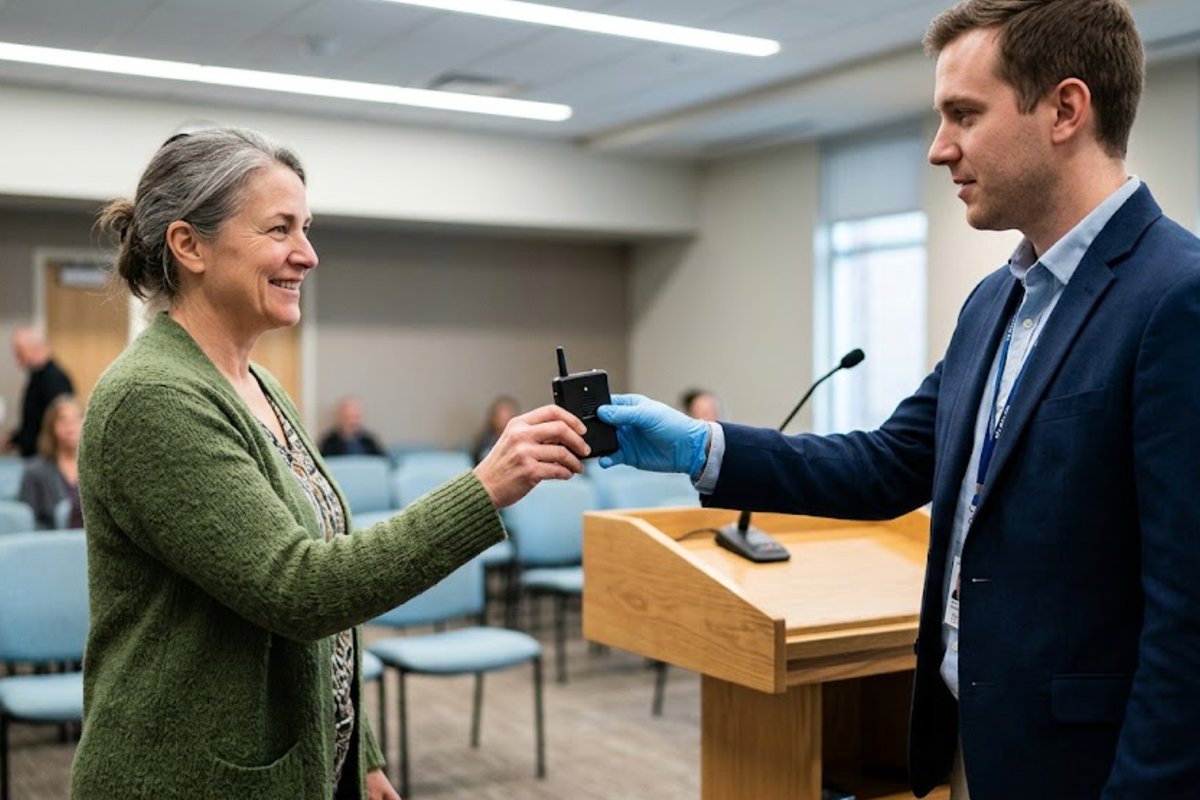
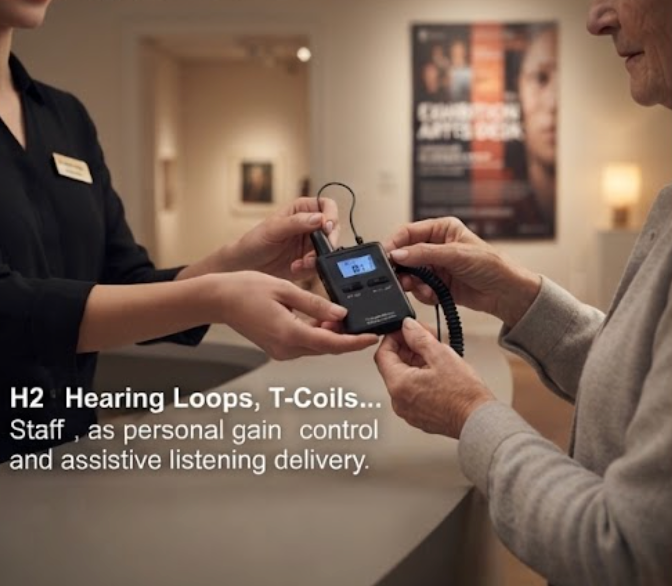
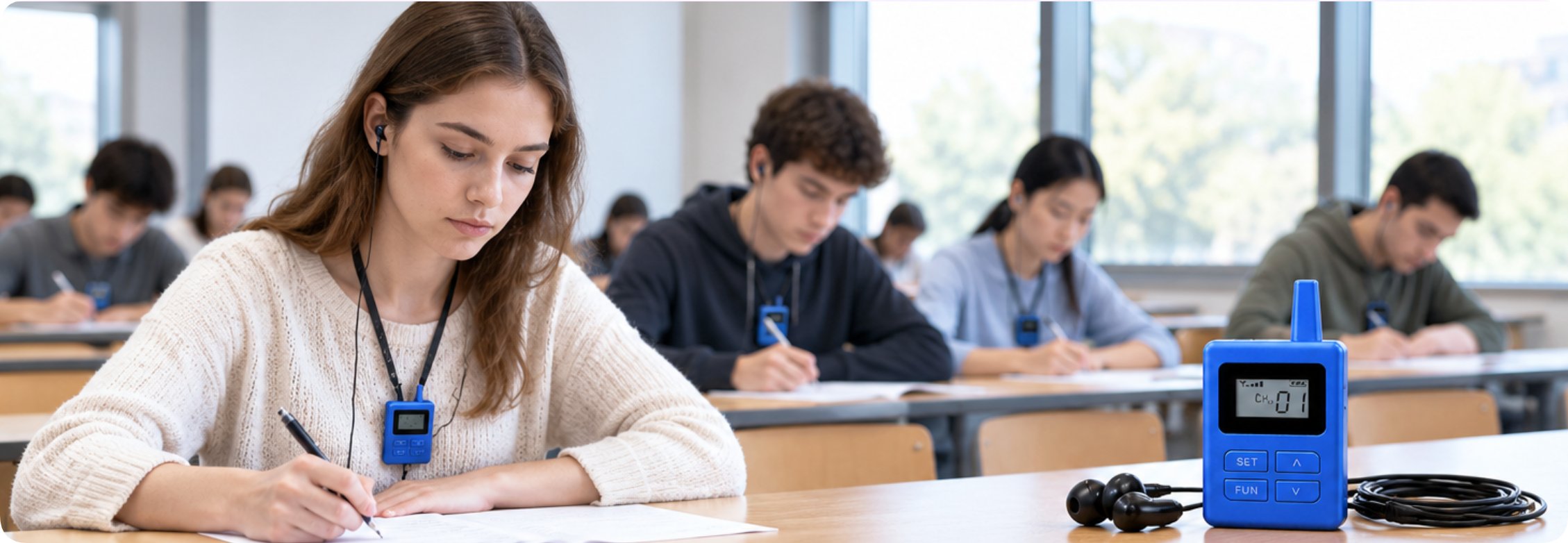
Two delivery methods cover nearly every case. An induction loop turns audio into a magnetic field that a hearing aid picks up directly when switched to its telecoil setting, which means the visitor hears the commentary processed through their own device rather than through a stranger's earpiece. A personal receiver does the same job with a headset or a neck loop for visitors who do not wear an aid. The RC9150 High-end 2.4G Wireless Audio/Radio Guide System is the unit most galleries specify for the receiver route, because the gain control is fine enough for someone to dial in their own comfort level and the OLED screen confirms the channel without a staff member having to explain it twice.
RC9150 and RC2406: What Accessibility Law Actually Requires of a Silent Gallery Tour(图1)

A visitor collects an RC9150 receiver with a neck loop at the gallery desk, where gain can be set individually before the tour begins.

📡 Signal-to-Noise Is the Number That Decides It

Specifications love to quote frequency response and hate to quote signal-to-noise ratio, but the ratio is the number that determines whether a hearing aid user hears words or mush. Reverberant halls, hard floors, and the murmur of a crowd all raise the noise floor, and an analogue link degrades badly once it does. Digital transmission holds a clean signal well past the point where the room gets difficult, which is why the 2.4 GHz digital systems now specified for gallery work outperform the UHF rental kits many venues still have in a cupboard. If a supplier will not state the ratio in writing, assume it has not been measured.

When Eighty Channels Stop Being a Luxury

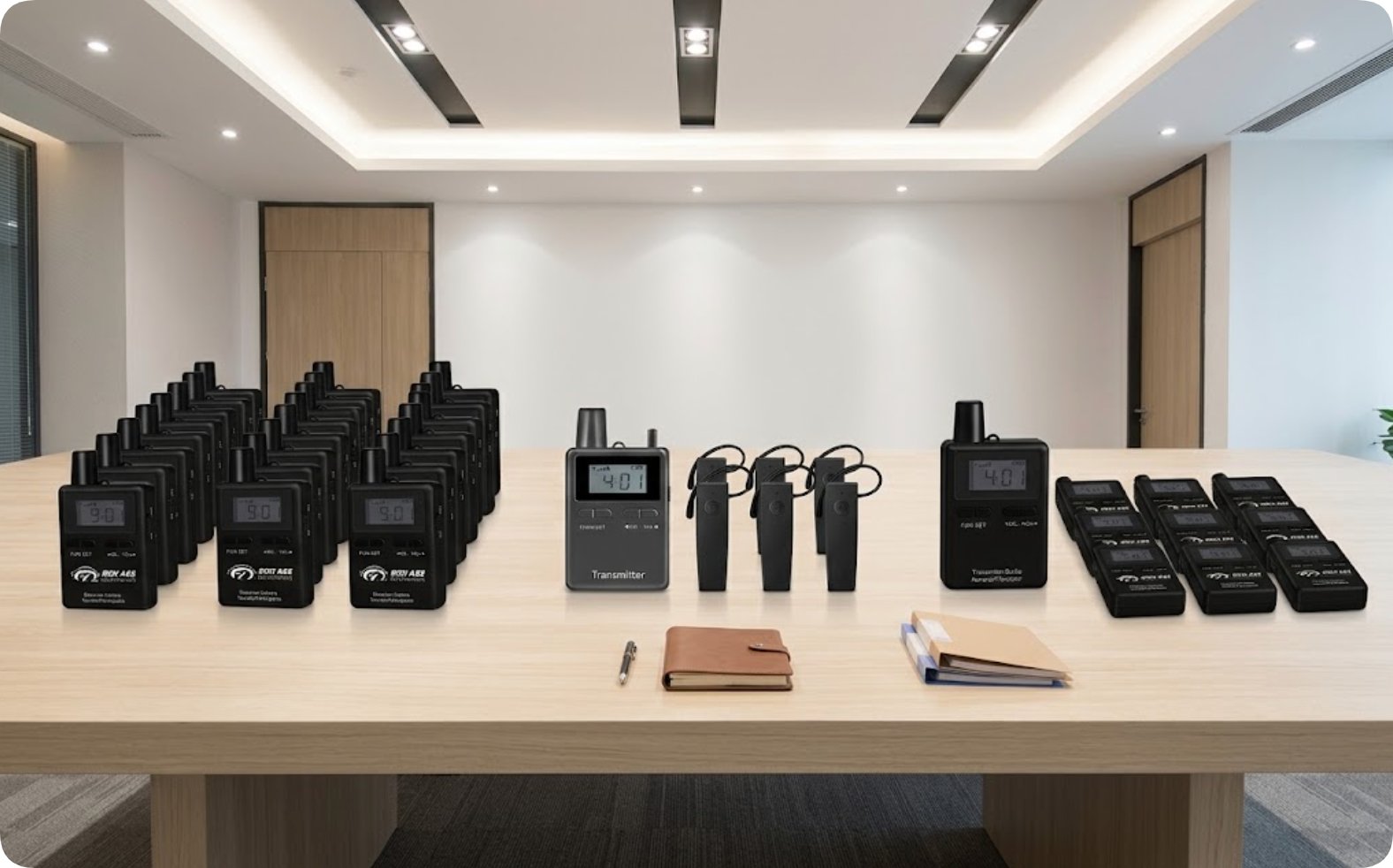
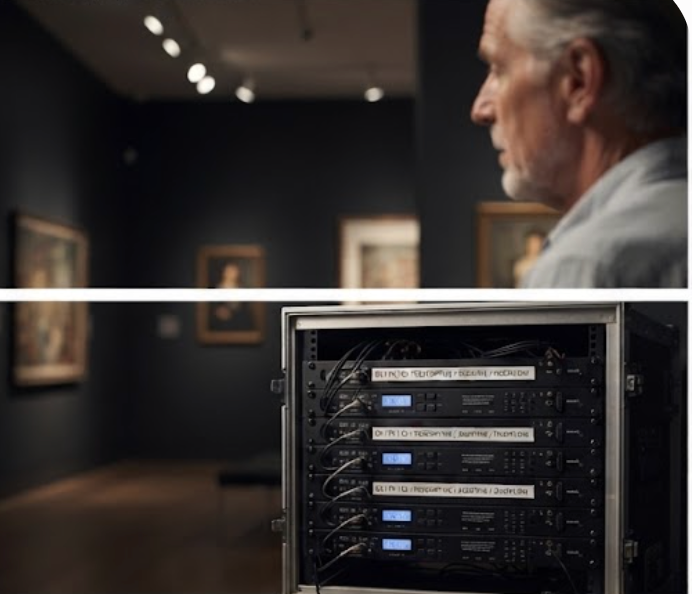
Channel count reads like a premium feature until the programme has to run several things at once. A single international exhibition may need a curator track in two languages, a live interpreter feed, a descriptive track for visitors with low vision, and a dedicated assistive channel with its own gain profile, all operating in the same room without cross-talk. The RC2406 80-Channel 2.4G Wireless Tour Guide System covers that load comfortably, and the point is not the number of channels but the ability to give accessibility its own channel rather than squeezing it onto the main feed where it competes with everything else.
RC9150 and RC2406: What Accessibility Law Actually Requires of a Silent Gallery Tour(图2)

An RC2406 multi-channel rack running separate language, descriptive, and assistive tracks from one gallery desk.

Handing a Unit to Someone Who Has Never Used One

The compliance failure most often happens at the handover, not in the specification. A visitor who has never held a receiver needs thirty seconds of explanation, and a volunteer who has never been trained will skip it. The table below maps each accessibility touchpoint to what must happen and to the gap that usually appears.

TouchpointWhat must happenWhat the equipment providesUsual gap
BookingAccessibility needs can be declaredBooking notes flow to the deskDeclared need never reaches staff
CollectionUnit issued with gain set and method confirmedIndividual gain control, loop or headset optionUnit handed over still sealed in the box
In the roomAssistive channel stays separate and cleanDedicated channel with its own gain profileAccessibility squeezed onto the main feed
ReturnUnits cleaned and logged for the next groupSerial log tied to issue and returnNo record of what was issued to whom
ComplaintA named person owns the responseDocumented procedure with a timescaleComplaint handled ad hoc, never recorded

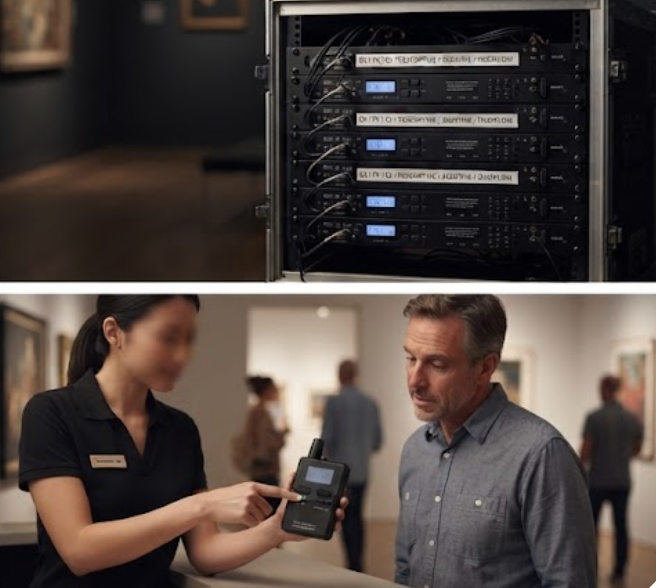
The RC2402 Wireless Tour Guide System pairs with the units above for venues that want a lighter receiver for short tours, and the same handover procedure applies regardless of which model is on the desk.
RC9150 and RC2406: What Accessibility Law Actually Requires of a Silent Gallery Tour(图3)

A staff member walks a first-time visitor through the RC2402 controls at the desk before the group moves into the gallery.

Written Transcripts and the Paper Trail Behind the Audio

Audio is only half the accessibility obligation. Visitors who are deaf or hard of hearing often prefer a written transcript, and visitors with low vision need the visual content described rather than assuming the audio explains it. Producing both is an editorial task, but the audio system's contribution is practical: a clean, consistent recording that a transcriber can work from without fighting room noise, and a channel plan that leaves room for a described track. Keeping those transcripts and description scripts on file also gives the venue the evidence trail it needs if a complaint ever arrives.

🗺️ Specifying for the Whole Room, Not the Average Visitor

The habit that causes most of these failures is specifying for a notional average visitor who hears well, walks easily, and has used a receiver before. Specifying for the whole room means assuming the opposite: that some of the room cannot hear, some cannot see, some have never held the device, and some will need help from a volunteer who was trained once. Design for that group and the average visitor is served automatically. The wider wireless tour guide system range covers the receiver, multi-channel, and lightweight models discussed above, and a gallery case study built on the RC9150 and RC2402 shows the same thinking applied in a working venue. Send us your room dimensions, your programme languages, and your accessibility obligations and we will specify for the whole room.

2026年09月02日 10:18
click: 411

RC9150 and RC2406: What Accessibility Law Actually Requires of a Silent Gallery Tour

time: 2026年09月02日 click:411

A gallery that chases silence is doing something right for most of the room and something quietly wrong for the rest of it. For a visitor with normal hearing, a silent audio tour removes the babble and lets the work speak. For a visitor with hearing loss, the same silence can mean exclusion, because the commentary never reaches them in a form their hearing aid can use. Most accessibility regimes treat assistive listening as a legal duty for public cultural venues rather than a nice-to-have, and the duty does not disappear just because the room is quiet. This article sets out what that baseline actually demands and where the audio hardware sits inside it. If you are drawing up the specification, start from dedicated gallery quiet solutions and then read the accessibility clause before you read the acoustics report.

Quiet for Some, Inaccessible for Others

Roughly one adult in five lives with some degree of hearing loss, and the share rises steeply with age, which is exactly the demographic that visits galleries most. A silent tour built around low-level speech or a speaker that only reaches the front row does nothing for that visitor, and the quieter the room gets, the easier it is for staff to assume everyone is being served. The distinction matters: silence is a courtesy to other visitors, while accessibility is an obligation to the person who cannot hear. Conflating the two is how a venue ends up with beautiful acoustics and a discrimination complaint on the same afternoon.

The Legal Baseline Nobody Puts on the Floor Plan

Public cultural venues in most jurisdictions carry a duty to provide assistive listening, and the wording is rarely ambiguous. Accessibility legislation in the United States, the Equality Act in the United Kingdom, and the EN 60118-4 standard for induction loops across Europe all converge on the same expectation: if you deliver spoken content to a group, you must deliver it in a form a person with a hearing aid can actually use. The sanction is not abstract. Complaints escalate to lost public funding and, in the worst cases, to litigation that costs more than the entire audio budget. What makes this avoidable is that the duty is knowable in advance, and it belongs on the floor plan long before the opening night.

💡 Hearing Loops, T-Coils, and Why the Receiver Matters

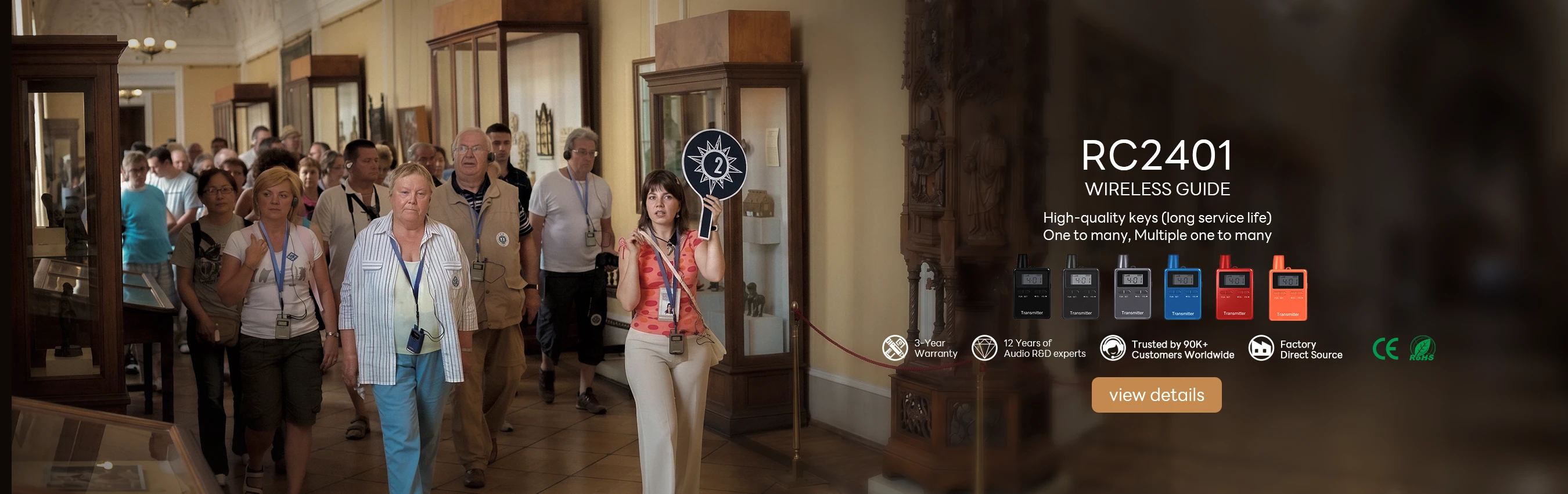
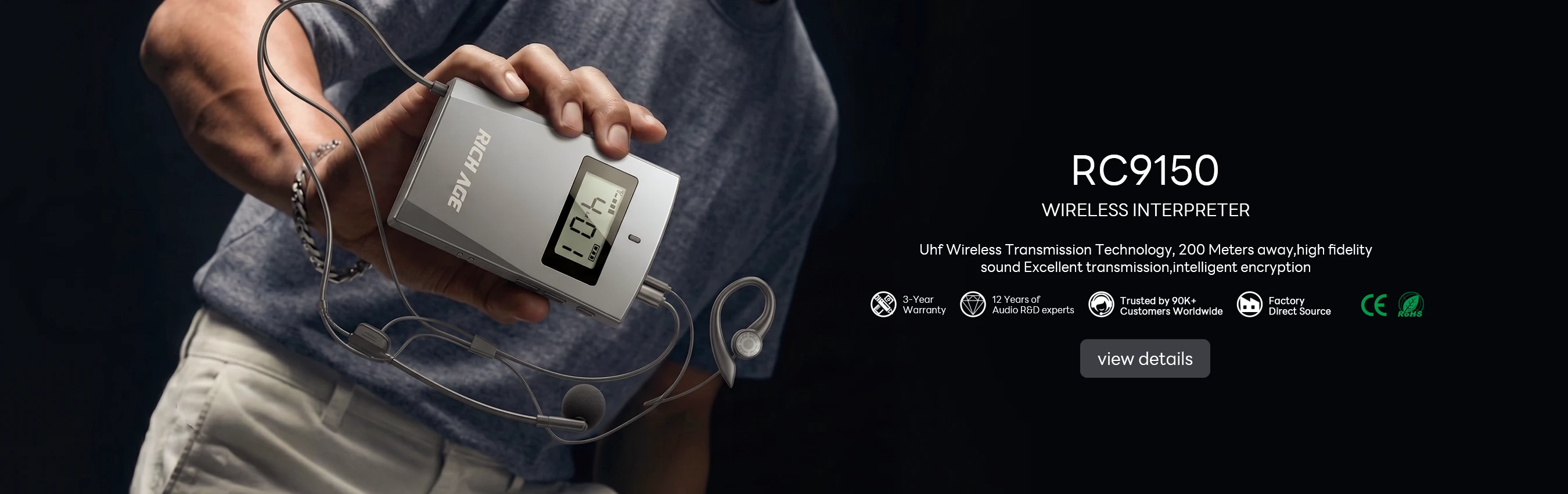
Two delivery methods cover nearly every case. An induction loop turns audio into a magnetic field that a hearing aid picks up directly when switched to its telecoil setting, which means the visitor hears the commentary processed through their own device rather than through a stranger's earpiece. A personal receiver does the same job with a headset or a neck loop for visitors who do not wear an aid. The RC9150 High-end 2.4G Wireless Audio/Radio Guide System is the unit most galleries specify for the receiver route, because the gain control is fine enough for someone to dial in their own comfort level and the OLED screen confirms the channel without a staff member having to explain it twice.

RC9150 and RC2406: What Accessibility Law Actually Requires of a Silent Gallery Tour(图1)

A visitor collects an RC9150 receiver with a neck loop at the gallery desk, where gain can be set individually before the tour begins.

📡 Signal-to-Noise Is the Number That Decides It

Specifications love to quote frequency response and hate to quote signal-to-noise ratio, but the ratio is the number that determines whether a hearing aid user hears words or mush. Reverberant halls, hard floors, and the murmur of a crowd all raise the noise floor, and an analogue link degrades badly once it does. Digital transmission holds a clean signal well past the point where the room gets difficult, which is why the 2.4 GHz digital systems now specified for gallery work outperform the UHF rental kits many venues still have in a cupboard. If a supplier will not state the ratio in writing, assume it has not been measured.

When Eighty Channels Stop Being a Luxury

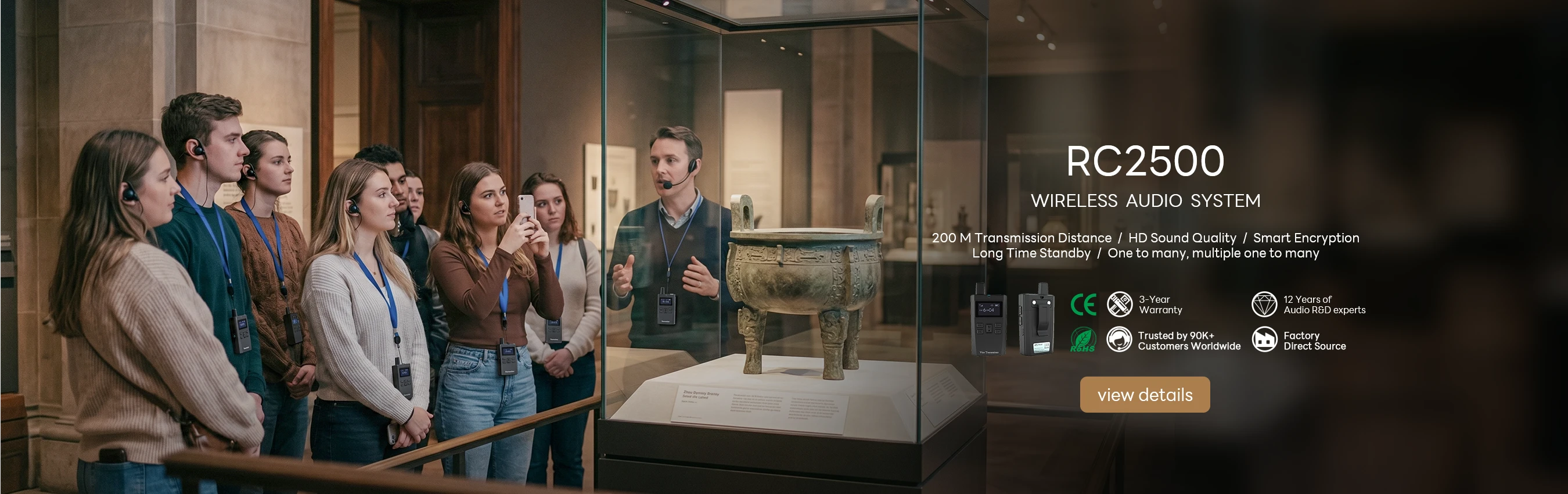
Channel count reads like a premium feature until the programme has to run several things at once. A single international exhibition may need a curator track in two languages, a live interpreter feed, a descriptive track for visitors with low vision, and a dedicated assistive channel with its own gain profile, all operating in the same room without cross-talk. The RC2406 80-Channel 2.4G Wireless Tour Guide System covers that load comfortably, and the point is not the number of channels but the ability to give accessibility its own channel rather than squeezing it onto the main feed where it competes with everything else.

RC9150 and RC2406: What Accessibility Law Actually Requires of a Silent Gallery Tour(图2)

An RC2406 multi-channel rack running separate language, descriptive, and assistive tracks from one gallery desk.

Handing a Unit to Someone Who Has Never Used One

The compliance failure most often happens at the handover, not in the specification. A visitor who has never held a receiver needs thirty seconds of explanation, and a volunteer who has never been trained will skip it. The table below maps each accessibility touchpoint to what must happen and to the gap that usually appears.

TouchpointWhat must happenWhat the equipment providesUsual gap
BookingAccessibility needs can be declaredBooking notes flow to the deskDeclared need never reaches staff
CollectionUnit issued with gain set and method confirmedIndividual gain control, loop or headset optionUnit handed over still sealed in the box
In the roomAssistive channel stays separate and cleanDedicated channel with its own gain profileAccessibility squeezed onto the main feed
ReturnUnits cleaned and logged for the next groupSerial log tied to issue and returnNo record of what was issued to whom
ComplaintA named person owns the responseDocumented procedure with a timescaleComplaint handled ad hoc, never recorded

The RC2402 Wireless Tour Guide System pairs with the units above for venues that want a lighter receiver for short tours, and the same handover procedure applies regardless of which model is on the desk.

RC9150 and RC2406: What Accessibility Law Actually Requires of a Silent Gallery Tour(图3)

A staff member walks a first-time visitor through the RC2402 controls at the desk before the group moves into the gallery.

Written Transcripts and the Paper Trail Behind the Audio

Audio is only half the accessibility obligation. Visitors who are deaf or hard of hearing often prefer a written transcript, and visitors with low vision need the visual content described rather than assuming the audio explains it. Producing both is an editorial task, but the audio system's contribution is practical: a clean, consistent recording that a transcriber can work from without fighting room noise, and a channel plan that leaves room for a described track. Keeping those transcripts and description scripts on file also gives the venue the evidence trail it needs if a complaint ever arrives.

🗺️ Specifying for the Whole Room, Not the Average Visitor

The habit that causes most of these failures is specifying for a notional average visitor who hears well, walks easily, and has used a receiver before. Specifying for the whole room means assuming the opposite: that some of the room cannot hear, some cannot see, some have never held the device, and some will need help from a volunteer who was trained once. Design for that group and the average visitor is served automatically. The wider wireless tour guide system range covers the receiver, multi-channel, and lightweight models discussed above, and a gallery case study built on the RC9150 and RC2402 shows the same thinking applied in a working venue. Send us your room dimensions, your programme languages, and your accessibility obligations and we will specify for the whole room.
×

Contact us

email:
name:
subject:
content: