
A leading China factory specializing in Wireless Tour Guide Systems, Church Audio Guides, and Translation Headphones with premium OEM/ODM solutions.

Tel:+86 18922879583

Email:tiger.wang@richitek.com

RC2501 and RC085: Installing Interpretation Gear Without Touching a Protected Wall

The first document to read before fitting interpretation equipment in a cathedral is not the technical specification; it is the heritage listing. Most of these buildings are centuries old, and the stonework, stained glass, and carved woodwork inside them are protected by law. A single drilled hole may need consent from a conservation officer, and in some jurisdictions the answer is simply no. That inverts the normal buying logic: the deciding question stops being which system performs best and becomes which one interferes least with the building. This article follows the order in which an approval actually happens: what conservation officers refuse, what a zero-intervention deployment looks like, how signal gets through six centuries of stone, why the service comes first, who owns the emergency announcement, and which paperwork has to outlive the people who installed it. If you are at the start of that process, begin with dedicated church translation solutions and then speak to the conservation officer before you speak to a supplier.

💡 Why the Building Outranks the Brief

A parish may want simultaneous interpretation in four languages for a pilgrimage season, and that is a reasonable brief. But if the building is listed, the brief is subordinate to the listing, and the listing is not concerned with audio quality at all. It is concerned with fabric, appearance, and reversibility. Teams that learn this early save months; teams that learn it late buy equipment first, submit a proposal second, and discover that the mounting method they specified is not permitted. The practical consequence is that a modest system which can be installed without touching the fabric will usually be approved faster than a superior system that requires brackets, conduit, or a permanent rack.

What Conservation Officers Actually Refuse

The refusal list is shorter and more consistent than applicants expect. Drilling into historic stone or timber is the near-universal no. Permanent fixings, surface-mounted conduit, and anything that alters the appearance of a sightline come next. Visible cabling runs along a wall or across a floor are routinely rejected, as is any rack or cabinet that occupies floor space in a chapel or blocks an aisle. What tends to be acceptable is the opposite of all that: equipment that is carried rather than fixed, stored on a trolley that leaves the space after the service, and transmits wirelessly so no new pathway has to be cut through old fabric. Asking for that list in writing before designing anything is the single most useful hour in the project.

Nothing Fixed, Nothing Drilled, Nothing Left Behind

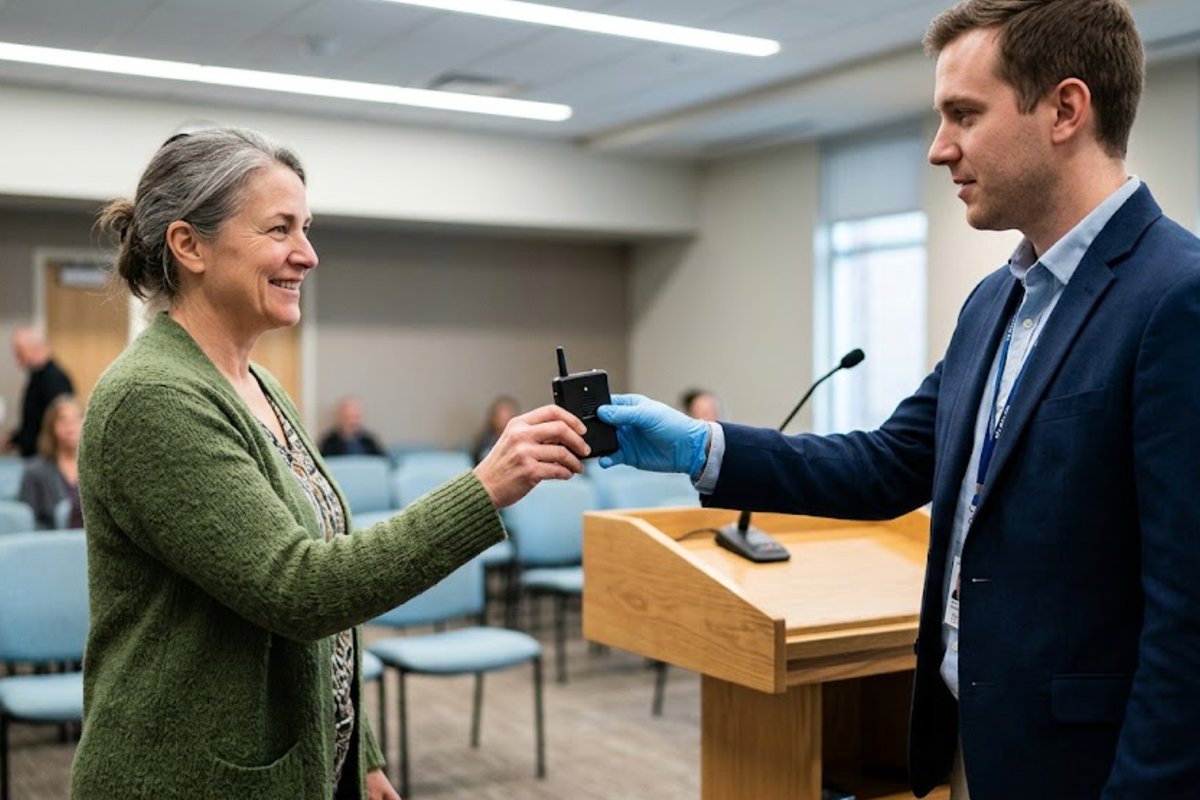
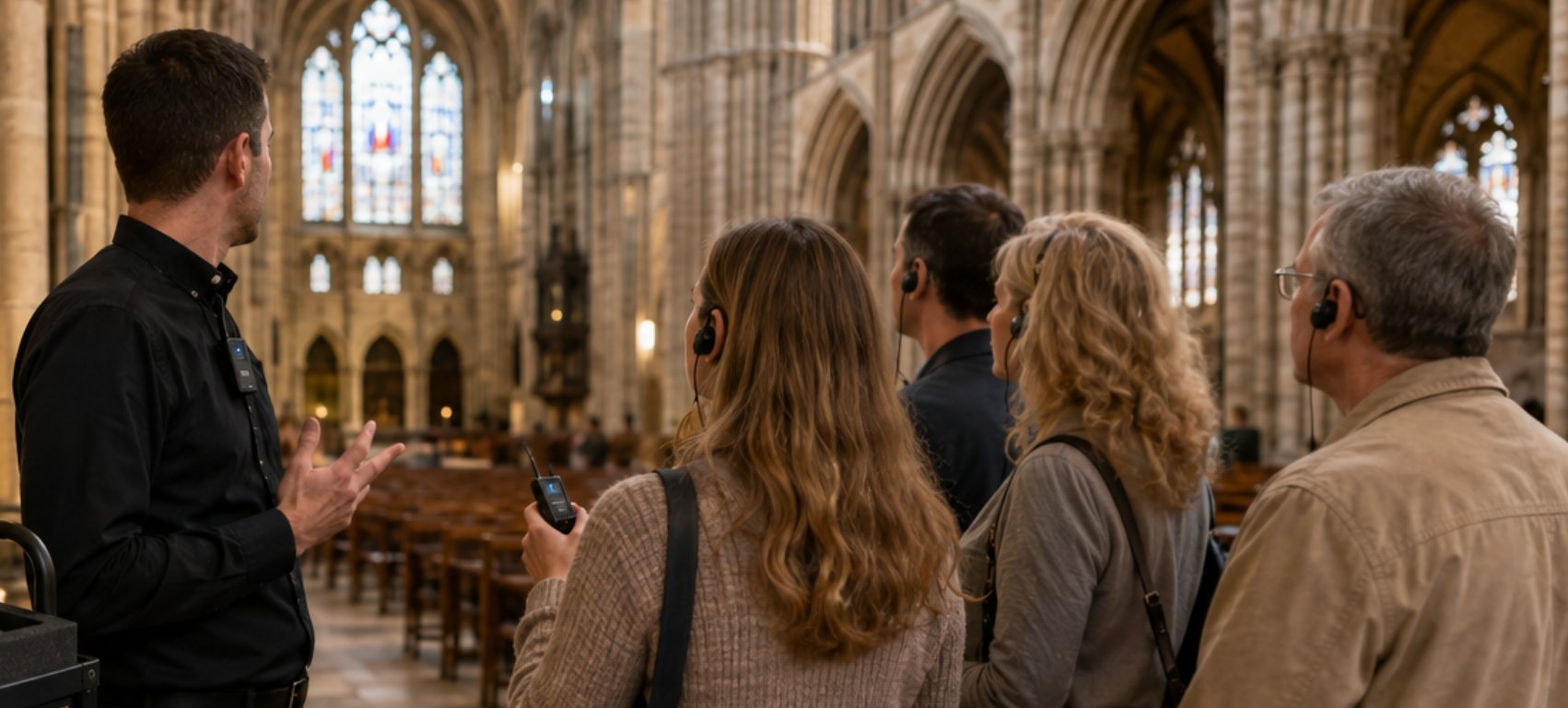
A zero-intervention deployment is less exotic than it sounds. The transmitter is worn rather than mounted, the receivers are handed out and collected, and the charging and storage happen on a trolley that is wheeled out of the nave when the building is in ordinary use. The RC2501 Wireless Tour Guide System suits this pattern because the transmitter clips to a stole or a lapel and the receivers need no dock inside the worship space at all. Nothing is fixed to the building, nothing is drilled, and at the end of the season the entire system can be removed without leaving a mark or a hole. That reversibility is often the argument that gets the proposal approved.
RC2501 and RC085: Installing Interpretation Gear Without Touching a Protected Wall(图1)

A reversible RC2501 deployment inside a cathedral, with the transmitter clipped rather than mounted and no fixings made to historic stonework.

📡 Getting Signal Through Six Centuries of Stone

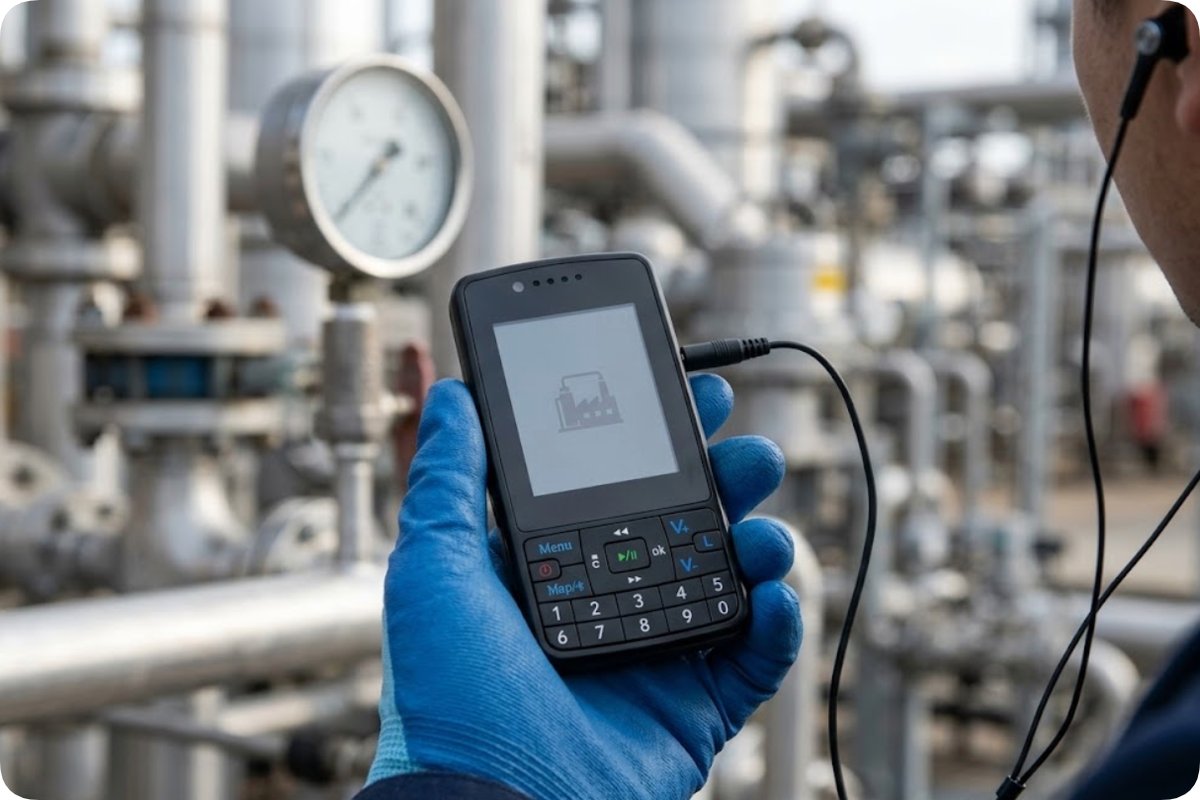
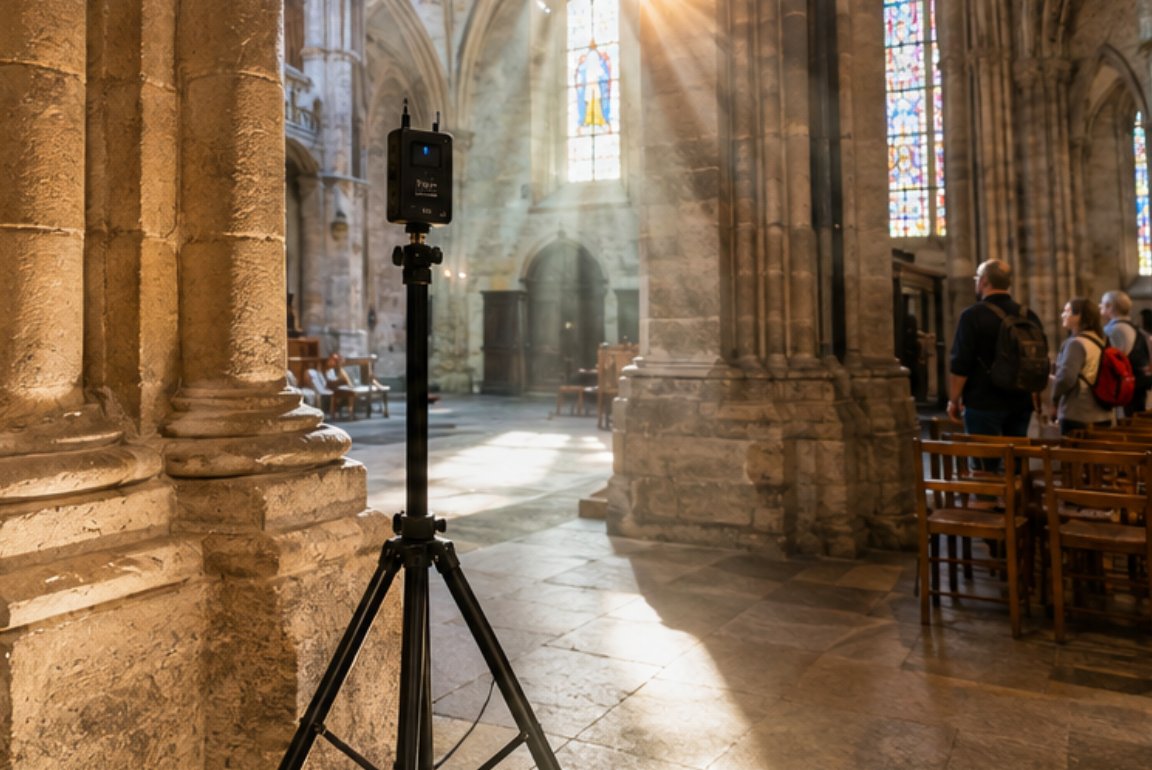
Old masonry is hostile to radio in ways modern buildings are not. Thick walls, dense stone, metal reinforcement hidden in later repairs, and the sheer geometry of a nave with side chapels all create shadow zones where a transmitter that works perfectly in a hotel ballroom simply drops out. The response is not more power but better placement and a cleaner digital link. The RC085 Digital Tour Guide System runs a digital link that holds intelligibility where an analogue signal degrades into hiss, which matters most in exactly the reverberant spaces where listeners are already straining. Where coverage still falls short, the fix is a second transmitter on a stand rather than a cable run, because a stand can be carried out again.
RC2501 and RC085: Installing Interpretation Gear Without Touching a Protected Wall(图2)

An RC085 transmitter placed on a movable stand to cover a shadow zone, chosen over a cabled antenna that would have required fixings.

The Service Cannot Stop for the Fitting

Churches run to a liturgical calendar, not a project plan, and that calendar is not negotiable. Installation windows are usually weekday mornings between services, with hard exclusions around Holy Week, Christmas, and any day when a funeral or a diocesan event takes the building. A realistic schedule therefore stretches over weeks rather than days, and the work has to be packed away at the end of every session so the space is exactly as it was found. The teams who manage this well treat the building as a live venue throughout: nothing is stored on site permanently, and every session ends with the space restored.

Fire Marshals and the Announcement Nobody Hears

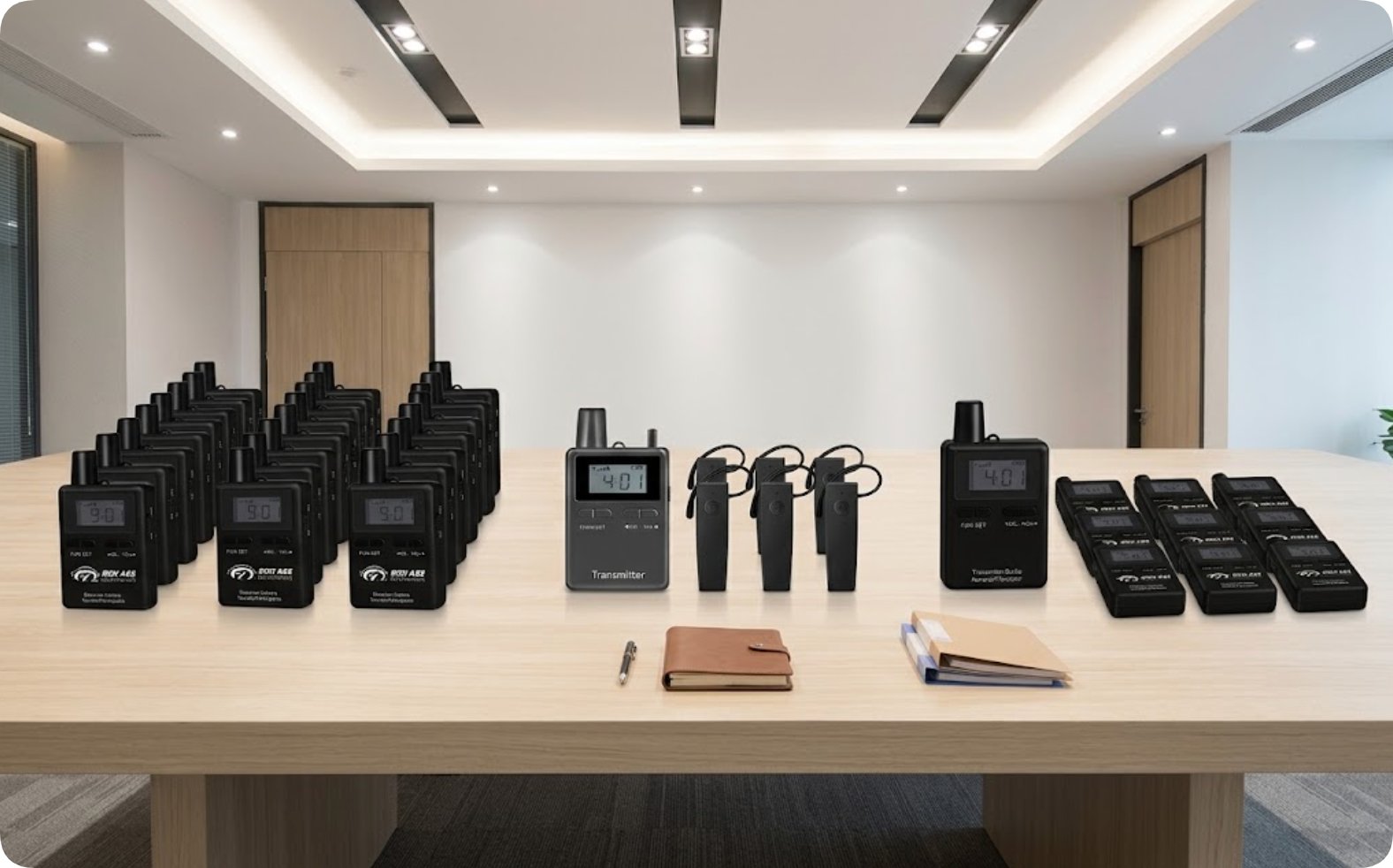
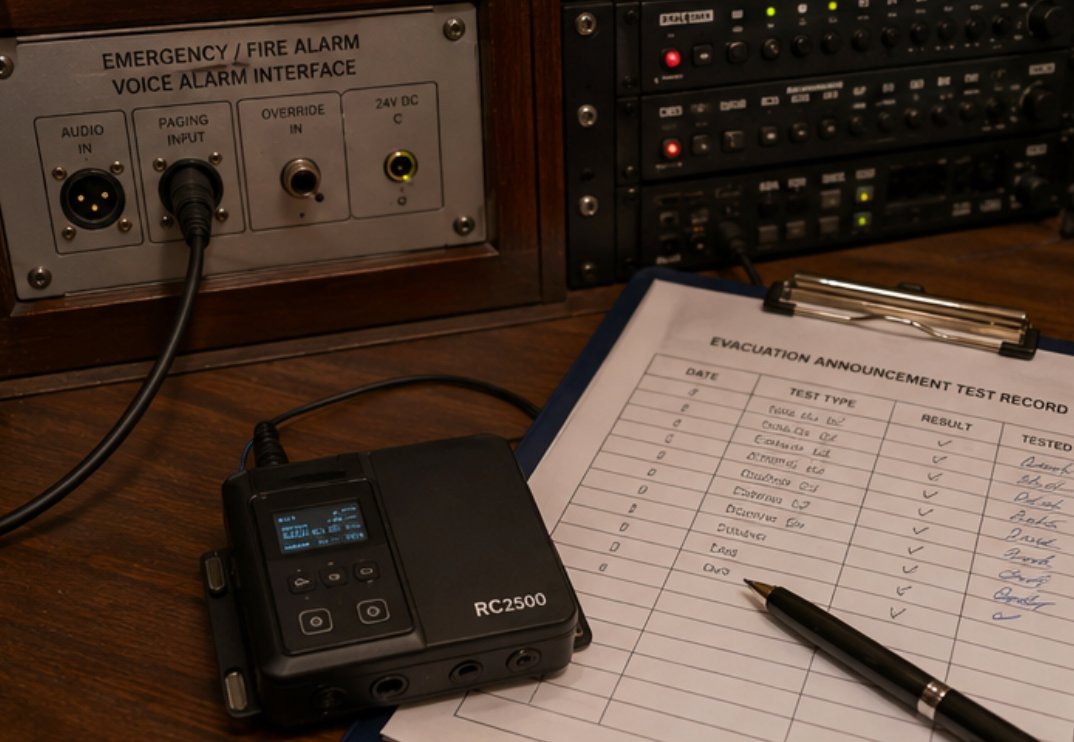
The one compliance area that is genuinely non-negotiable is the emergency announcement. If a listener is wearing a receiver during an evacuation, the fire announcement has to reach them, and in most jurisdictions an assisted listening or interpretation system must not prevent that. The usual requirement is that the emergency system takes priority and that the interpretation feed can be interrupted or overridden. The RC2500 Wireless Tour Guide System is the unit most often specified where a direct interface with the building's emergency audio is required, because that interface has to be documented and tested rather than assumed.
RC2501 and RC085: Installing Interpretation Gear Without Touching a Protected Wall(图3)

An RC2500 connected to the building emergency audio, with the override path documented and tested rather than assumed.

The table maps each compliance area to what must be shown.

Compliance areaWhat must be shownWhat the system providesUsual gap
Heritage consentNo fixings, reversible installWorn transmitter, trolley storageProposal submitted after purchase
CoverageIntelligible signal in all used areasDigital link, movable second transmitterOnly tested in the nave
Liturgical accessSpace restored after every sessionNo permanent storage in the buildingEquipment left in a side chapel
Emergency audioAnnouncement overrides interpretationPriority interface, tested and loggedInterface assumed, never tested
Handover recordsDocuments survive staff turnoverWritten consents, test results, layout notesKnowledge held by one volunteer

🏟️ Paperwork That Outlives the Team

Churches and cathedrals turn over staff and volunteers far more often than the buildings change, which makes documentation the weakest link in an otherwise compliant installation. The written consent, the coverage test results, the emergency interface test, and a simple note of where everything is stored need to live somewhere that survives the departure of the person who organised them. A single folder, physical or digital, with those four items in it will answer almost any question an inspector or a new administrator asks. Without it, the next team repeats the whole approval process from scratch, usually rediscovering the same constraints the hard way.

Choosing Hardware the Building Can Tolerate

The selection criterion that emerges from all of this is tolerance: what will the fabric accept. That pushes the decision toward worn transmitters, trolley-based charging, digital links that survive difficult acoustics, and documented emergency interfaces, and away from anything that needs a bracket, a conduit, or a permanent home. Assess the building first, get the refusal list in writing, and let that narrow the shortlist before performance comparisons enter the conversation. The wider wireless tour guide system range covers the worn, digital, and interface-capable models discussed here, and a deployment at Montserrat Monastery shows the same approach in a working heritage site. Send us your listing constraints and your liturgical calendar and we will propose a system that leaves the building exactly as it found it.

2026年09月02日 12:52
click: 141
no data

RC2501 and RC085: Installing Interpretation Gear Without Touching a Protected Wall

time: 2026年09月02日 click:141

The first document to read before fitting interpretation equipment in a cathedral is not the technical specification; it is the heritage listing. Most of these buildings are centuries old, and the stonework, stained glass, and carved woodwork inside them are protected by law. A single drilled hole may need consent from a conservation officer, and in some jurisdictions the answer is simply no. That inverts the normal buying logic: the deciding question stops being which system performs best and becomes which one interferes least with the building. This article follows the order in which an approval actually happens: what conservation officers refuse, what a zero-intervention deployment looks like, how signal gets through six centuries of stone, why the service comes first, who owns the emergency announcement, and which paperwork has to outlive the people who installed it. If you are at the start of that process, begin with dedicated church translation solutions and then speak to the conservation officer before you speak to a supplier.

💡 Why the Building Outranks the Brief

A parish may want simultaneous interpretation in four languages for a pilgrimage season, and that is a reasonable brief. But if the building is listed, the brief is subordinate to the listing, and the listing is not concerned with audio quality at all. It is concerned with fabric, appearance, and reversibility. Teams that learn this early save months; teams that learn it late buy equipment first, submit a proposal second, and discover that the mounting method they specified is not permitted. The practical consequence is that a modest system which can be installed without touching the fabric will usually be approved faster than a superior system that requires brackets, conduit, or a permanent rack.

What Conservation Officers Actually Refuse

The refusal list is shorter and more consistent than applicants expect. Drilling into historic stone or timber is the near-universal no. Permanent fixings, surface-mounted conduit, and anything that alters the appearance of a sightline come next. Visible cabling runs along a wall or across a floor are routinely rejected, as is any rack or cabinet that occupies floor space in a chapel or blocks an aisle. What tends to be acceptable is the opposite of all that: equipment that is carried rather than fixed, stored on a trolley that leaves the space after the service, and transmits wirelessly so no new pathway has to be cut through old fabric. Asking for that list in writing before designing anything is the single most useful hour in the project.

Nothing Fixed, Nothing Drilled, Nothing Left Behind

A zero-intervention deployment is less exotic than it sounds. The transmitter is worn rather than mounted, the receivers are handed out and collected, and the charging and storage happen on a trolley that is wheeled out of the nave when the building is in ordinary use. The RC2501 Wireless Tour Guide System suits this pattern because the transmitter clips to a stole or a lapel and the receivers need no dock inside the worship space at all. Nothing is fixed to the building, nothing is drilled, and at the end of the season the entire system can be removed without leaving a mark or a hole. That reversibility is often the argument that gets the proposal approved.

RC2501 and RC085: Installing Interpretation Gear Without Touching a Protected Wall(图1)

A reversible RC2501 deployment inside a cathedral, with the transmitter clipped rather than mounted and no fixings made to historic stonework.

📡 Getting Signal Through Six Centuries of Stone

Old masonry is hostile to radio in ways modern buildings are not. Thick walls, dense stone, metal reinforcement hidden in later repairs, and the sheer geometry of a nave with side chapels all create shadow zones where a transmitter that works perfectly in a hotel ballroom simply drops out. The response is not more power but better placement and a cleaner digital link. The RC085 Digital Tour Guide System runs a digital link that holds intelligibility where an analogue signal degrades into hiss, which matters most in exactly the reverberant spaces where listeners are already straining. Where coverage still falls short, the fix is a second transmitter on a stand rather than a cable run, because a stand can be carried out again.

RC2501 and RC085: Installing Interpretation Gear Without Touching a Protected Wall(图2)

An RC085 transmitter placed on a movable stand to cover a shadow zone, chosen over a cabled antenna that would have required fixings.

The Service Cannot Stop for the Fitting

Churches run to a liturgical calendar, not a project plan, and that calendar is not negotiable. Installation windows are usually weekday mornings between services, with hard exclusions around Holy Week, Christmas, and any day when a funeral or a diocesan event takes the building. A realistic schedule therefore stretches over weeks rather than days, and the work has to be packed away at the end of every session so the space is exactly as it was found. The teams who manage this well treat the building as a live venue throughout: nothing is stored on site permanently, and every session ends with the space restored.

Fire Marshals and the Announcement Nobody Hears

The one compliance area that is genuinely non-negotiable is the emergency announcement. If a listener is wearing a receiver during an evacuation, the fire announcement has to reach them, and in most jurisdictions an assisted listening or interpretation system must not prevent that. The usual requirement is that the emergency system takes priority and that the interpretation feed can be interrupted or overridden. The RC2500 Wireless Tour Guide System is the unit most often specified where a direct interface with the building's emergency audio is required, because that interface has to be documented and tested rather than assumed.

RC2501 and RC085: Installing Interpretation Gear Without Touching a Protected Wall(图3)

An RC2500 connected to the building emergency audio, with the override path documented and tested rather than assumed.

The table maps each compliance area to what must be shown.

Compliance areaWhat must be shownWhat the system providesUsual gap
Heritage consentNo fixings, reversible installWorn transmitter, trolley storageProposal submitted after purchase
CoverageIntelligible signal in all used areasDigital link, movable second transmitterOnly tested in the nave
Liturgical accessSpace restored after every sessionNo permanent storage in the buildingEquipment left in a side chapel
Emergency audioAnnouncement overrides interpretationPriority interface, tested and loggedInterface assumed, never tested
Handover recordsDocuments survive staff turnoverWritten consents, test results, layout notesKnowledge held by one volunteer

🏟️ Paperwork That Outlives the Team

Churches and cathedrals turn over staff and volunteers far more often than the buildings change, which makes documentation the weakest link in an otherwise compliant installation. The written consent, the coverage test results, the emergency interface test, and a simple note of where everything is stored need to live somewhere that survives the departure of the person who organised them. A single folder, physical or digital, with those four items in it will answer almost any question an inspector or a new administrator asks. Without it, the next team repeats the whole approval process from scratch, usually rediscovering the same constraints the hard way.

Choosing Hardware the Building Can Tolerate

The selection criterion that emerges from all of this is tolerance: what will the fabric accept. That pushes the decision toward worn transmitters, trolley-based charging, digital links that survive difficult acoustics, and documented emergency interfaces, and away from anything that needs a bracket, a conduit, or a permanent home. Assess the building first, get the refusal list in writing, and let that narrow the shortlist before performance comparisons enter the conversation. The wider wireless tour guide system range covers the worn, digital, and interface-capable models discussed here, and a deployment at Montserrat Monastery shows the same approach in a working heritage site. Send us your listing constraints and your liturgical calendar and we will propose a system that leaves the building exactly as it found it.

no data
×

Contact us

email:
name:
subject:
content: