
RC2406, RC8860 and RC2468: Where Gallery Audio Is Heading Next
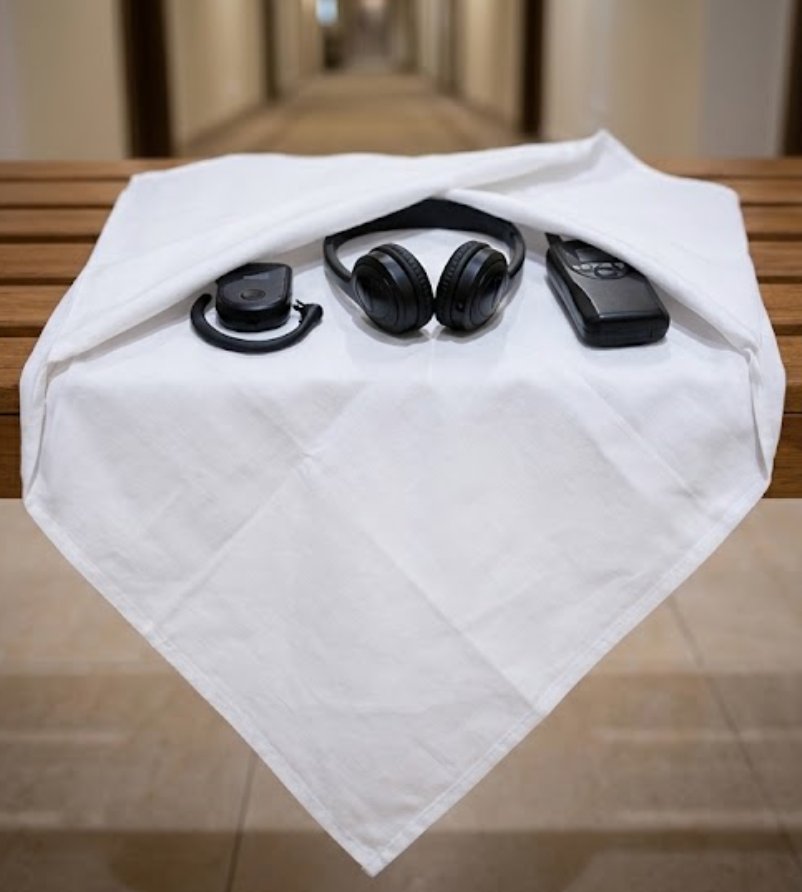
Quiet guiding has moved from a nice touch to a baseline service in the time it takes a museum to complete one refit cycle. Ten years ago a silent tour was something a curator arranged for a special exhibition and dismantled afterwards. Today the expectation is that a visitor can walk in, take a receiver and be guided without the building ever raising its voice, and that expectation is being written into access requirements rather than left to goodwill. I have watched this shift change what venues buy, and the changes are not the ones a specification sheet advertises. They are about how many rooms must run at once, how long a visitor will tolerate wearing something, and how far a signal has to travel through a building that was never designed for radio. The three units that map onto those pressures are the RC2406 for parallel galleries, the RC2468 where wearability decides everything, and the RC8860 for the long wings. This guide follows the trends through those three positions rather than through a feature list. Venues planning a refit usually start from the museum wireless audio solutions range, which is organised around the same split.
Silence Stopped Being Optional
The first trend is regulatory rather than technological, and it has done more to change purchasing than any product improvement of the last five years. Access requirements in several markets now treat an audio guide as a reasonable accommodation rather than an optional extra, which means a venue that cannot supply one is exposed in a way it was not before. The practical effect is that the audio system moved out of the exhibition budget and into the building budget, and that changes how it is specified. A system bought for one show is judged on that show. A system bought as building infrastructure is judged on whether it still works in the third year, through a rotation of exhibitions, with staff who did not choose it. That is a different requirement, and it favours hardware that is boring and reliable over hardware that is impressive on a launch day.
Rooms That Have to Run in Parallel
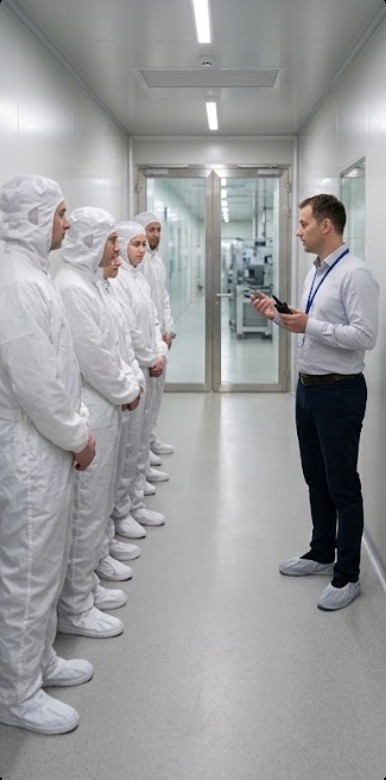
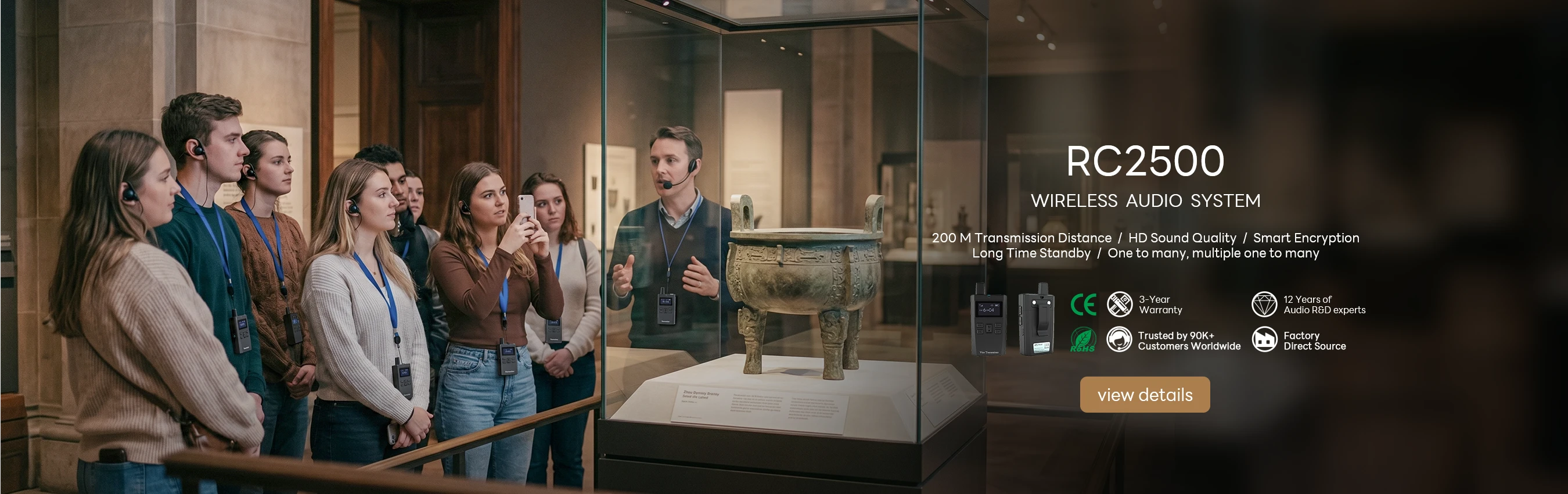
The second trend is a direct consequence of the first. Once a venue supplies guiding as a standing service, several galleries end up running simultaneously, and the constraint stops being coverage and becomes separation. Two groups in adjacent rooms will hear each other unless the system keeps them apart, and a staircase between floors makes that worse rather than better. This is where channel count starts to matter in a way that is invisible on a single-room demonstration. The RC2406 was built around a large channel count for exactly this pattern, and the trend across venues is toward specifying headroom rather than sizing the system to today's tour schedule. A venue that buys for three concurrent groups and discovers it needs five after a programme expansion is looking at a replacement rather than an upgrade, which is the most expensive way to be right about a specification.

The parallel rooms above are the normal case now rather than an exception. Separation between simultaneously running groups is the specification that a single-room demonstration will never reveal.
Weight Became the Usage Number
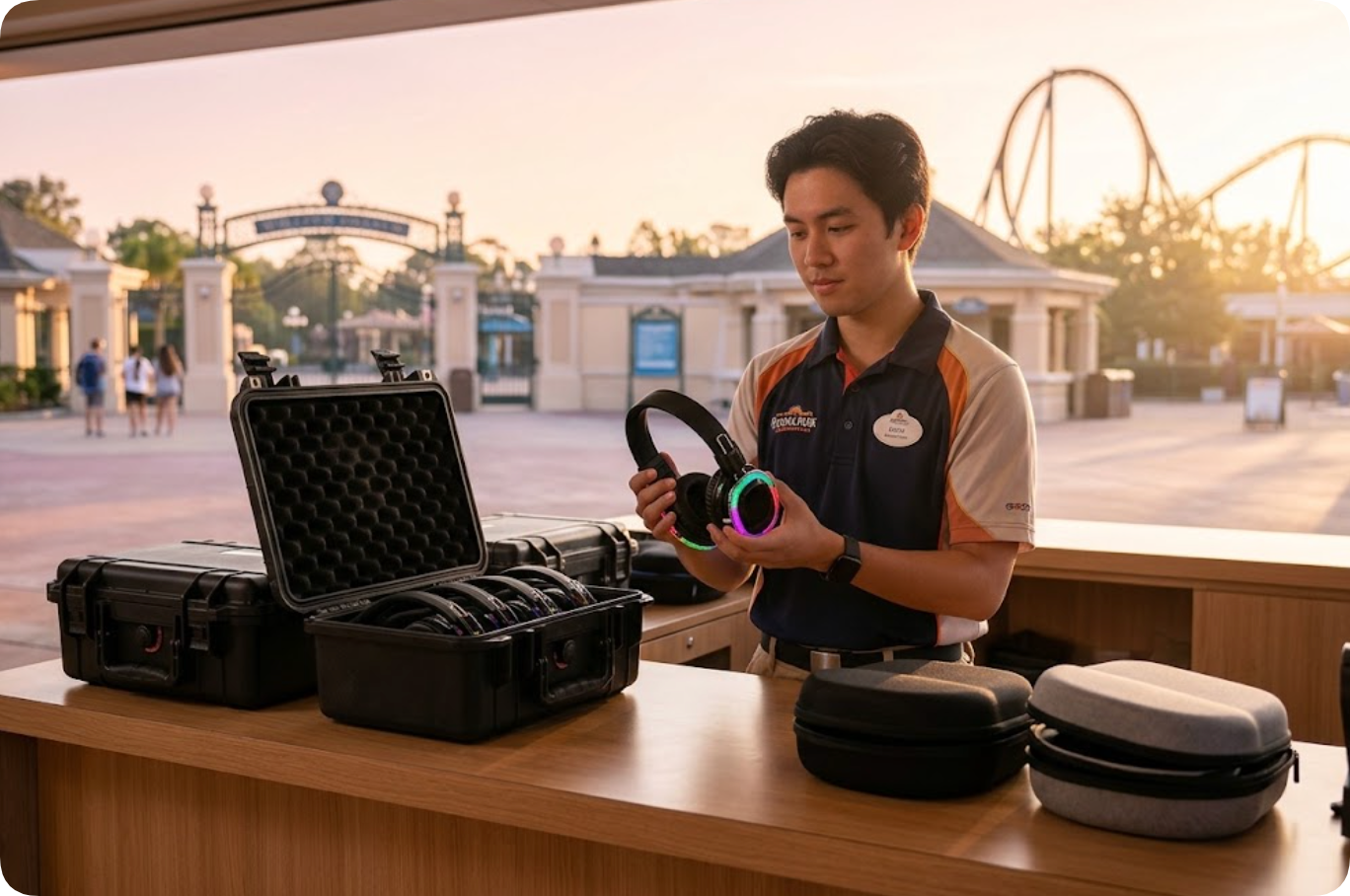
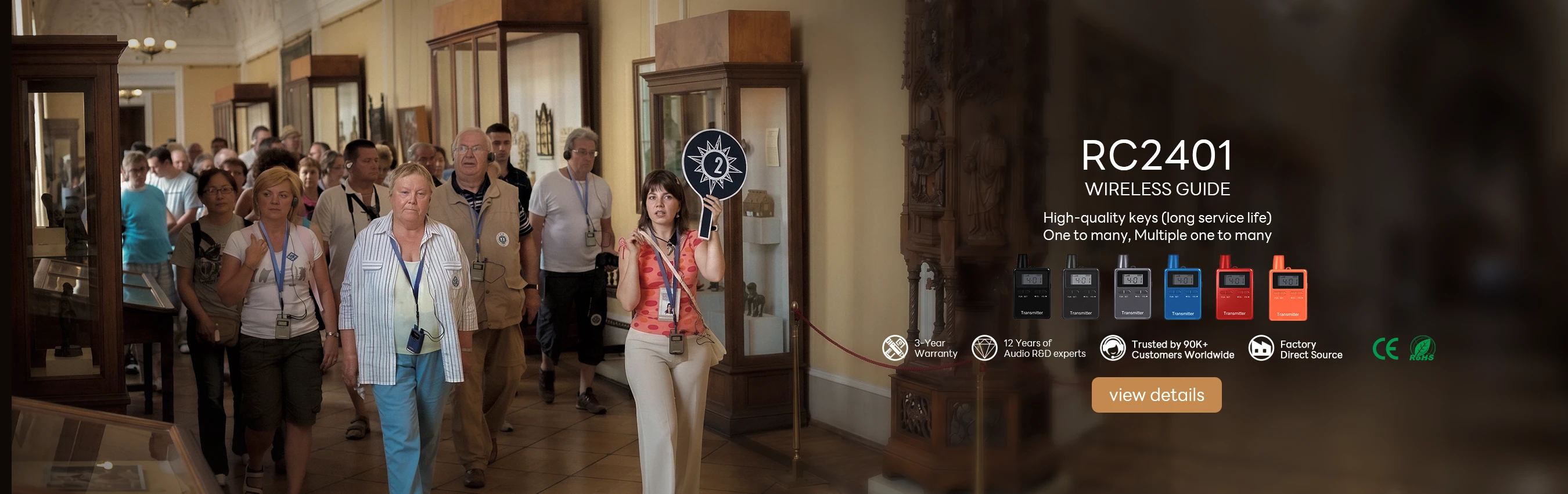
The third trend is the least discussed and probably the most consequential: venues have started treating receiver weight as a service metric, because it predicts whether visitors keep the device on. A guide system only works if it is worn for the whole visit, and a receiver that becomes uncomfortable in the second room produces the same outcome as a system that does not work at all. This is the shift that favours units built around wearability rather than around features, and the RC2468 sits at that end of the range at 38 g with a collared transmitter that a guide forgets about within a minute. The trend is visible in how venues now describe their requirements. Instead of asking how many channels a system has, they ask how long a visitor can wear it, which is a question with a very different answer across the product category.

The lightweight receiver above is the reason the visit completes. Wearability is not a comfort feature in this context; it is the variable that decides whether the service is used at all.
Long Wings and Split Levels
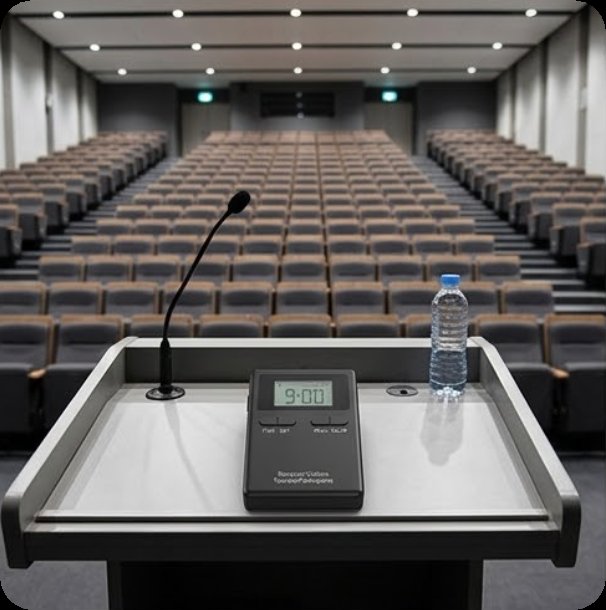
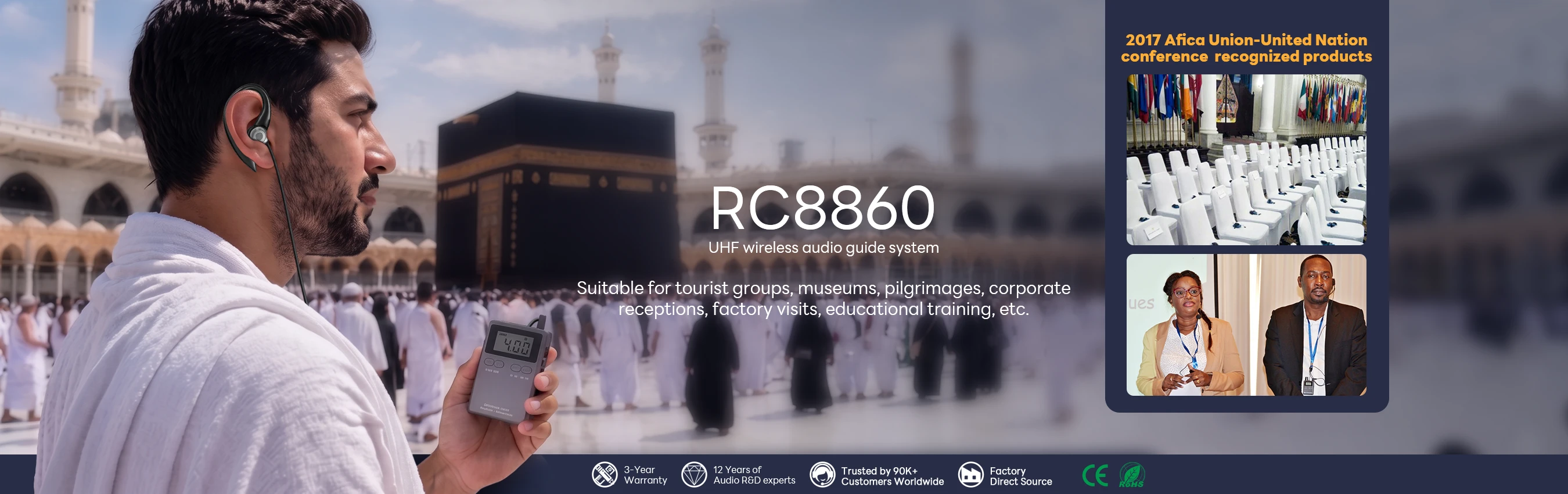
The fourth trend is architectural, and it is a recurring surprise in buildings that were designed long before anyone thought about radio coverage. A collection spread across a long wing, or arranged on four levels connected by stone stairwells, presents a coverage problem that a single-room trial never exposes. Signs are visible through doorways, so the visitor assumes continuity that the signal does not provide, and the result is a group that quietly stops hearing halfway through a floor. The RC8860 addresses this with the range and the sealing rating that an extended route requires, and the trend among venues is to survey the longest walking route rather than the busiest room. That single change in method, from busiest to longest, catches more problems before they reach a visitor than any increase in transmit power.

The extended route above is the survey that matters. Measuring the longest walk a visitor can take exposes coverage gaps that a room-based test will always miss.
Hygiene Is Now Part of the Spec
The fifth trend arrived with shared-device usage and has not gone away. Anything handed from one visitor to the next is now expected to have a cleaning procedure that can be described to a visitor who asks, and venues have started writing that procedure into the specification rather than inventing it afterwards. In practice this means the ear interface matters as much as the electronics: a design that accepts replaceable ear pads, or that uses a single-ear format which can be wiped quickly, is easier to defend than a design that requires a technician to service it. The trend is toward serviceability, and the venues handling it best are the ones that treat the cleaning station as part of the deployment rather than as an afterthought bolted on near the cloakroom.
Coexisting with the Phone App
The sixth trend corrects an assumption that was common a few years ago, which was that smartphone apps would replace dedicated hardware. What actually happened is that the two settled into different roles. An app is excellent for a visitor who wants depth on a small number of objects and brings their own phone. Dedicated audio is excellent for a group moving together, for visitors who do not want to hold a device, and for anyone who needs the content delivered without a download. Venues that tried to replace one with the other generally ended up running both, and the more useful planning question is how the two hand off rather than which one wins. The wireless tour guide system range covers the dedicated side of that division, which is the half that a building has to own and maintain.
A Direction Table for Curators
| Trend | What it changes | What to specify | Unit that expresses it |
|---|---|---|---|
| Access as a requirement | Budget moves from exhibition to building | Service life, not launch features | Stable platforms |
| Parallel rooms | Separation beats coverage | Channel headroom above today's schedule | RC2406 |
| Wearability | Usage replaces features as the metric | Low unit weight, comfortable ear format | RC2468 |
| Long routes | Survey method changes | Range tested on the longest walk | RC8860 |
| Shared devices | Hygiene enters the specification | Replaceable or wipeable ear interface | Serviceable designs |
| Apps and hardware | Roles separate rather than merge | Clear handoff between the two | Dedicated receiver |
The table is arranged in the order the trends arrived, which is roughly the order in which they appear in a refit brief. The third row is the one venues underweight most often, and the fourth is the one that produces the most complaints after opening. Reading the table as a whole gives a short list of questions that are worth asking before a specification is written, and each of them costs a meeting rather than a replacement.
What the Next Refit Should Budget For
The practical conclusion is that a refit budget should be built around service life and coverage, not around a headcount of receivers. Service life because the system is now infrastructure, coverage because the building is the fixed constraint and the visitor route is the requirement. A venue that budgets for a slightly larger channel count than it needs today, surveys the longest walk rather than the busiest room, and treats the cleaning station as part of the deployment will spend less over a decade than one that buys exactly to today's schedule. A related gallery silent tour trend report reaches the same conclusion from an earlier starting point. The deciding question is not which unit is best. It is whether the specification can survive a programme change without a second purchase.