A leading China factory specializing in Wireless Tour Guide Systems, Church Audio Guides, and Translation Headphones with premium OEM/ODM solutions.

Tel:+86 13825295213

Email:tiger.wang@richitek.com

RC2500, RC2468 and RC8860: What a Factory Visit Really Costs

RC2500, RC2468 and RC8860: What a Factory Visit Really Costs

A plant visit is not an event, it is a small process running inside a working factory, and every stage of it has a labour cost attached. The audio system matters because it decides how many of those stages need repeating. Three units from our range cover the stages differently: the RC2500 is the compact unit for small to medium groups at 55 g, the RC2468 weighs 38 g and stays comfortable across a long route, and the RC8860 carries an IP54 rating for the wet and high-motion areas of a site. The wider programme sits under factory tour wireless audio solutions for those who need the whole picture.

What follows walks through one visit from booking to departure, and puts a cost against each stage rather than comparing specification tables.

Where the Day Starts Going Wrong

Most of the avoidable cost of a visit is decided before anyone arrives. The booking stage sets the group size, the languages present, the number of external contractors who need a safety induction, and the route itself. Two decisions made here create work later: a route that passes through the loudest part of the plant without warning, and a group that mixes visitors who need a translation with visitors who do not. Both turn into a briefing that has to be delivered twice, once in the room and again at the first machine, and a briefing delivered twice costs roughly twice the staff time while producing a worse result than one delivered properly at the start.

The Handover at the Gate

The handover is the shortest stage and the one most likely to be underestimated, because it compresses several tasks into a five-minute window: issuing protective equipment, fitting audio units, confirming the language each visitor will hear, and recording who has what. A single error in that window follows the group for the whole visit, and the most common error is not a hardware fault but a language assigned to the wrong visitor. This is where a clear channel indication on the unit earns its place, because staff can confirm an assignment at a glance rather than by asking each visitor to test the audio, and where labelled storage makes the count-out and count-in at the end of the visit a two-minute task instead of a slow reconciliation.

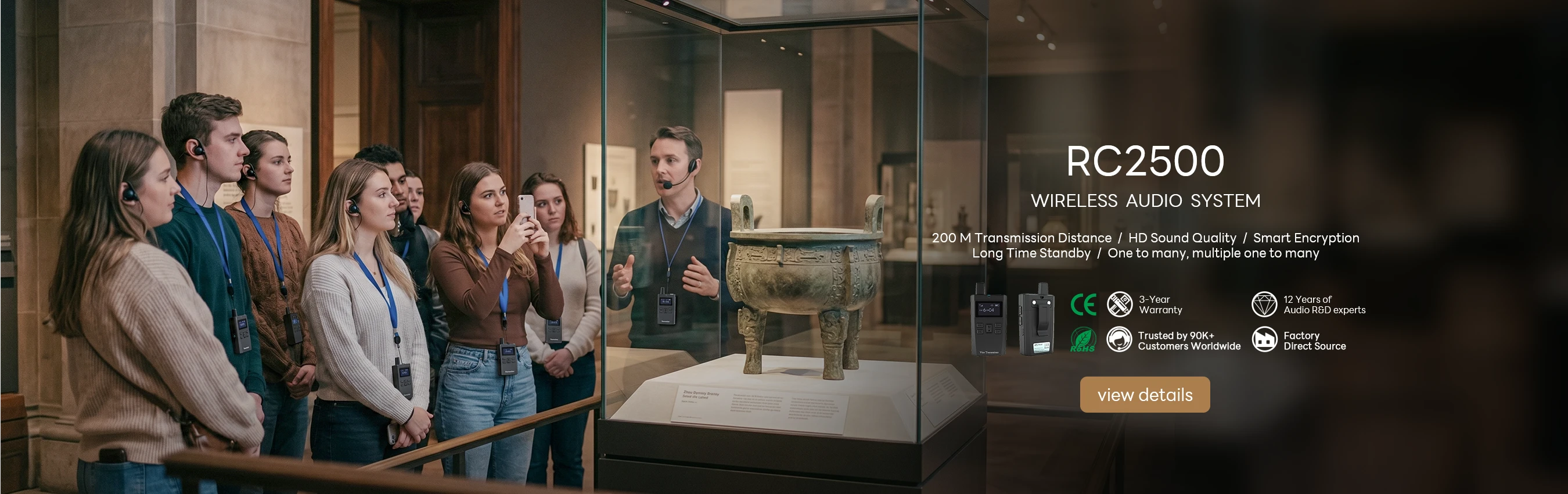
RC2500, RC2468 and RC8860: What a Factory Visit Really Costs(图1)

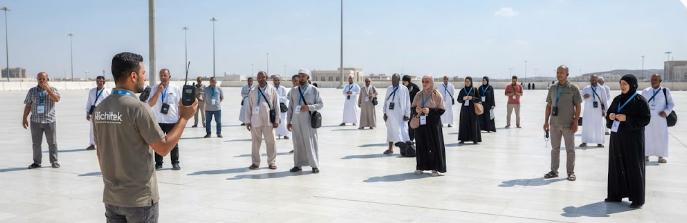
The handover window is short, so a compact unit that is quick to issue and quick to check pays for itself at the gate.

Walking a Line That Cannot Stop

Production does not pause for a visit, so the guide has to speak over whatever the line is doing. In practice the delegate is hearing two things at once: the process around them and the explanation being delivered. Units that simply raise volume make this worse, because the visitor ends up with more sound and less comprehension. What actually helps is intelligibility at a moderate level, which is why the headset matters as much as the transmitter, and why an industrial tour headset set is worth considering where the ambient level is high and protection is also required. Where the route passes through wash-down or outdoor loading areas, the sealing of the unit decides whether it survives the visit at all.
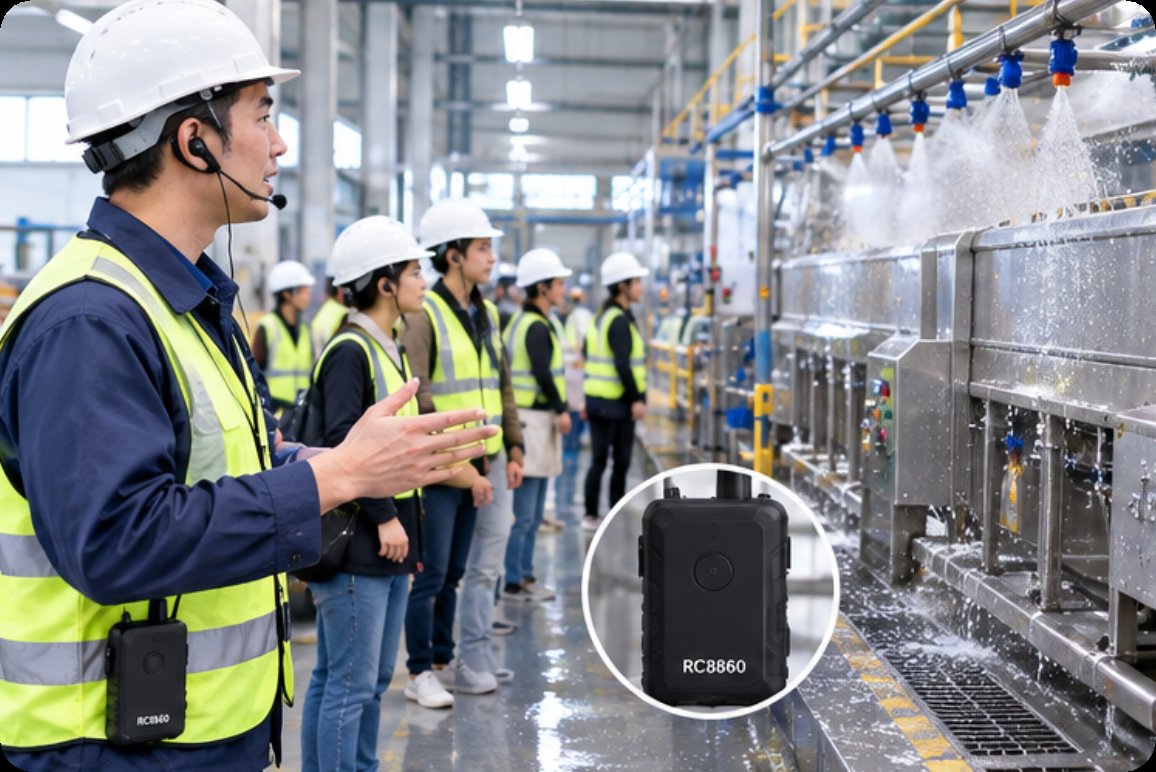
RC2500, RC2468 and RC8860: What a Factory Visit Really Costs(图2)

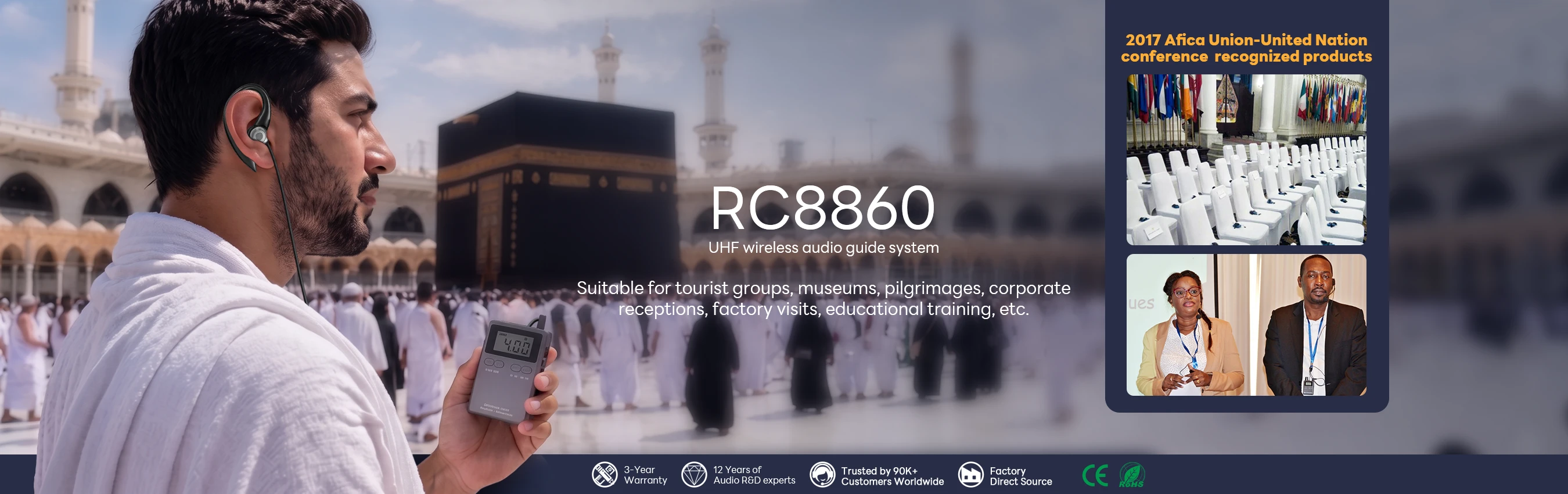
Sealing matters on the sections of a plant where the process itself produces water, dust or spray.

The Questions at the Cell

The most valuable part of a factory visit is usually the unscripted one, when the group stops at a cell and starts asking. At that moment the formation breaks: the front of the group is close to the guide, the back of the group is twenty metres away, and the person asking the question is often standing beside a machine rather than beside the guide. A unit that is uncomfortable after forty minutes turns this stage into a trade-off between listening and leaving, which is why the lightest option in the range is relevant here. The measurement worth recording is not the number of questions asked but the number of answers that had to be repeated.

RC2500, RC2468 and RC8860: What a Factory Visit Really Costs(图3)

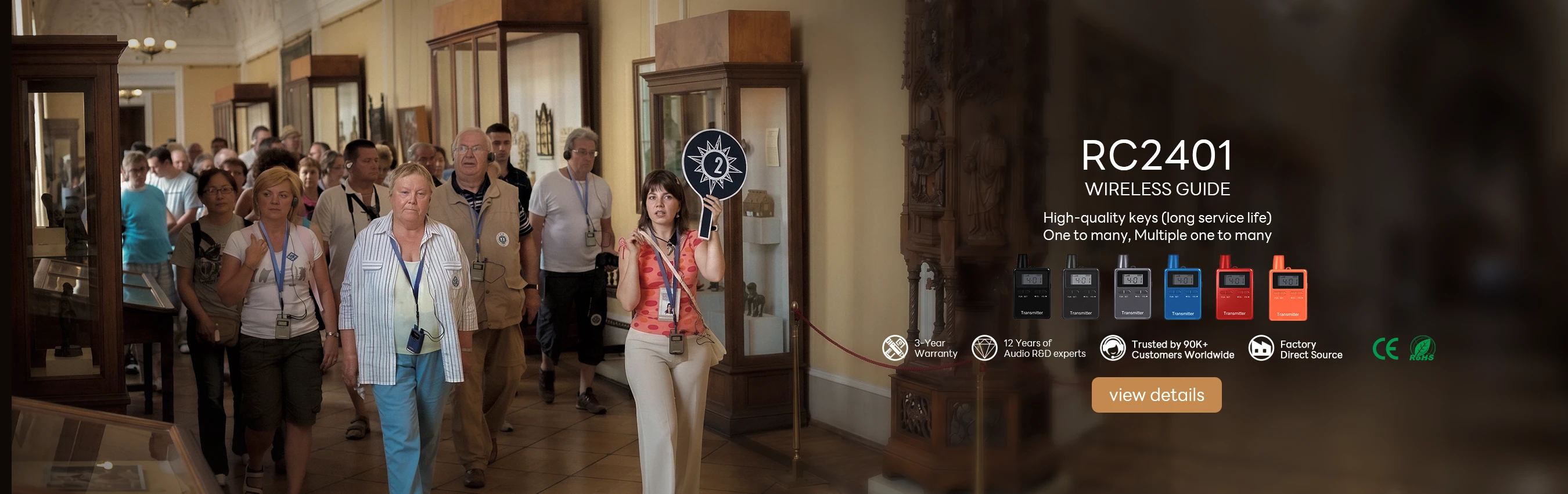
On a route that runs past the hour mark, weight is the variable that decides whether the unit stays on.

When Two Groups Cross

Large sites run more than one visit at a time, and the moment two groups meet on a walkway is the moment the audio design is tested. If both are using the same channel, the crossing produces a few seconds of confusion that visitors remember; if the separation is good, the two groups pass without either noticing. This is a discipline rather than a hardware feature, and it costs nothing except the decision to assign a channel plan per route and keep it written down. Multilingual visits raise the stakes further, because a mixed-language group is effectively two groups travelling together, and the separation has to hold inside a single formation as well as between two of them.

Running the Ledger for One Group

StageWho spends the timeHow the kit changes itScale per visitWhat to record
Booking and routeCoordination and safety staffClear route and language plan reduces repeat briefingsHours before arrivalPreparation hours
HandoverGate and host staffReadable channel display avoids assignment errorsMinutes per groupAssignment errors
Walking the lineGuide and hostsIntelligibility rather than volume keeps attentionDuration of the routeRepeated answers
Questions at cellsGuide and technical staffComfortable units keep the stop productiveStops per routeStops that ran long
Crossing pointsHost staffChannel plan prevents audible interferenceOccurrences per dayInterference incidents
Return and countGate staffLabelled storage shortens reconciliationMinutes per groupUnits short at return

Read the third column down and the pattern is that equipment removes minutes rather than risk: none of these stages becomes free, but several become shorter. Read the fifth column and it becomes clear that the visit can be measured at all, which is the precondition for improving the next one.

The Threshold Where Ownership Wins

Renting a set for occasional visits is the right answer for a site that hosts two or three groups a year, because the capital outlay is not justified and the storage problem stays somebody else's. The calculation changes with frequency, and the crossover usually arrives earlier than expected, because renting carries per-event labour on both sides of the visit and a site that runs monthly visits pays for the same handling twelve times. Ownership brings its own recurring costs, and they should be priced honestly: charging discipline, a storage location that does not flood or freeze, and a replacement allowance for units that leave and do not come back. A site running forty visits a year will normally find that ownership pays for itself, provided the units are charged as a fleet rather than individually.

Numbers to Take to the Next Site

Five figures are worth carrying from one plant to the next: preparation hours per visit, assignment errors at handover, answers that had to be repeated, units short at return, and total staff hours consumed by a typical group. A site that holds those five can design the second programme rather than repeating the first, and can defend the equipment budget with something better than a preference. A factory tour guide system case shows how the route, the channel plan and the handover routine fit together on a working site, and the industrial tour headset range covers the listening end of the same problem.


2026年09月11日 18:41
click: 142

RC2500, RC2468 and RC8860: What a Factory Visit Really Costs

time: 2026年09月11日 click:142

RC2500, RC2468 and RC8860: What a Factory Visit Really Costs

A plant visit is not an event, it is a small process running inside a working factory, and every stage of it has a labour cost attached. The audio system matters because it decides how many of those stages need repeating. Three units from our range cover the stages differently: the RC2500 is the compact unit for small to medium groups at 55 g, the RC2468 weighs 38 g and stays comfortable across a long route, and the RC8860 carries an IP54 rating for the wet and high-motion areas of a site. The wider programme sits under factory tour wireless audio solutions for those who need the whole picture.

What follows walks through one visit from booking to departure, and puts a cost against each stage rather than comparing specification tables.

Where the Day Starts Going Wrong

Most of the avoidable cost of a visit is decided before anyone arrives. The booking stage sets the group size, the languages present, the number of external contractors who need a safety induction, and the route itself. Two decisions made here create work later: a route that passes through the loudest part of the plant without warning, and a group that mixes visitors who need a translation with visitors who do not. Both turn into a briefing that has to be delivered twice, once in the room and again at the first machine, and a briefing delivered twice costs roughly twice the staff time while producing a worse result than one delivered properly at the start.

The Handover at the Gate

The handover is the shortest stage and the one most likely to be underestimated, because it compresses several tasks into a five-minute window: issuing protective equipment, fitting audio units, confirming the language each visitor will hear, and recording who has what. A single error in that window follows the group for the whole visit, and the most common error is not a hardware fault but a language assigned to the wrong visitor. This is where a clear channel indication on the unit earns its place, because staff can confirm an assignment at a glance rather than by asking each visitor to test the audio, and where labelled storage makes the count-out and count-in at the end of the visit a two-minute task instead of a slow reconciliation.

RC2500, RC2468 and RC8860: What a Factory Visit Really Costs(图1)

The handover window is short, so a compact unit that is quick to issue and quick to check pays for itself at the gate.

Walking a Line That Cannot Stop

Production does not pause for a visit, so the guide has to speak over whatever the line is doing. In practice the delegate is hearing two things at once: the process around them and the explanation being delivered. Units that simply raise volume make this worse, because the visitor ends up with more sound and less comprehension. What actually helps is intelligibility at a moderate level, which is why the headset matters as much as the transmitter, and why an industrial tour headset set is worth considering where the ambient level is high and protection is also required. Where the route passes through wash-down or outdoor loading areas, the sealing of the unit decides whether it survives the visit at all.

RC2500, RC2468 and RC8860: What a Factory Visit Really Costs(图2)

Sealing matters on the sections of a plant where the process itself produces water, dust or spray.

The Questions at the Cell

The most valuable part of a factory visit is usually the unscripted one, when the group stops at a cell and starts asking. At that moment the formation breaks: the front of the group is close to the guide, the back of the group is twenty metres away, and the person asking the question is often standing beside a machine rather than beside the guide. A unit that is uncomfortable after forty minutes turns this stage into a trade-off between listening and leaving, which is why the lightest option in the range is relevant here. The measurement worth recording is not the number of questions asked but the number of answers that had to be repeated.

RC2500, RC2468 and RC8860: What a Factory Visit Really Costs(图3)

On a route that runs past the hour mark, weight is the variable that decides whether the unit stays on.

When Two Groups Cross

Large sites run more than one visit at a time, and the moment two groups meet on a walkway is the moment the audio design is tested. If both are using the same channel, the crossing produces a few seconds of confusion that visitors remember; if the separation is good, the two groups pass without either noticing. This is a discipline rather than a hardware feature, and it costs nothing except the decision to assign a channel plan per route and keep it written down. Multilingual visits raise the stakes further, because a mixed-language group is effectively two groups travelling together, and the separation has to hold inside a single formation as well as between two of them.

Running the Ledger for One Group

StageWho spends the timeHow the kit changes itScale per visitWhat to record
Booking and routeCoordination and safety staffClear route and language plan reduces repeat briefingsHours before arrivalPreparation hours
HandoverGate and host staffReadable channel display avoids assignment errorsMinutes per groupAssignment errors
Walking the lineGuide and hostsIntelligibility rather than volume keeps attentionDuration of the routeRepeated answers
Questions at cellsGuide and technical staffComfortable units keep the stop productiveStops per routeStops that ran long
Crossing pointsHost staffChannel plan prevents audible interferenceOccurrences per dayInterference incidents
Return and countGate staffLabelled storage shortens reconciliationMinutes per groupUnits short at return

Read the third column down and the pattern is that equipment removes minutes rather than risk: none of these stages becomes free, but several become shorter. Read the fifth column and it becomes clear that the visit can be measured at all, which is the precondition for improving the next one.

The Threshold Where Ownership Wins

Renting a set for occasional visits is the right answer for a site that hosts two or three groups a year, because the capital outlay is not justified and the storage problem stays somebody else's. The calculation changes with frequency, and the crossover usually arrives earlier than expected, because renting carries per-event labour on both sides of the visit and a site that runs monthly visits pays for the same handling twelve times. Ownership brings its own recurring costs, and they should be priced honestly: charging discipline, a storage location that does not flood or freeze, and a replacement allowance for units that leave and do not come back. A site running forty visits a year will normally find that ownership pays for itself, provided the units are charged as a fleet rather than individually.

Numbers to Take to the Next Site

Five figures are worth carrying from one plant to the next: preparation hours per visit, assignment errors at handover, answers that had to be repeated, units short at return, and total staff hours consumed by a typical group. A site that holds those five can design the second programme rather than repeating the first, and can defend the equipment budget with something better than a preference. A factory tour guide system case shows how the route, the channel plan and the handover routine fit together on a working site, and the industrial tour headset range covers the listening end of the same problem.

×

Contact us

email:
name:
subject:
content: