A leading China factory specializing in Wireless Tour Guide Systems, Church Audio Guides, and Translation Headphones with premium OEM/ODM solutions.

Tel:+86 13825295213

Email:tiger.wang@richitek.com

RC2408, RC2401 and RC2406: How Pharma Plant Tours Solved Three Physical Problems

RC2408, RC2401 and RC2406: How Pharma Plant Tours Solved Three Physical Problems

A pharmaceutical site visit is not difficult because visitors need to hear. It is difficult because three physical conditions hold at the same time, and every generation of guiding equipment has failed on at least one of them. Clean areas cannot have sound spilling between zones. Production halls are loud in a particular way that rewards clarity over volume. And the site itself is usually several buildings rather than one, so a route crosses open ground where nothing indoors applies.

The technology story is therefore not a story about better radios. It is a story about which constraint each design accepted and which one it ignored, and the plant tour audio solutions in use today are simply the first family of designs that answers all three without a trade-off being made somewhere else.

Why Megaphones Never Worked Inside a Clean Area

The instinct on a noisy site is to raise the volume, and on a pharma site that instinct fails at the door. A portable amplifier projects sound outward, which means it projects it into the next classified zone, and the concern is not confidentiality but contamination and airflow. Anything carried into a clean area has to be cleanable and must not disturb the air handling design.

More fundamentally, classified areas are arranged so that groups move through airlocks in sequence. A technology that broadcasts to everyone in earshot contradicts the room layout itself. The first real step forward was not louder equipment; it was equipment that stopped projecting altogether.

Wired Headsets and the Corridor Constraint

Cabled headsets solved intelligibility completely and created a different problem. Cables cannot run through an airlock without compromising the seal, and they cannot be left across a corridor that forklifts and pallet trucks use all day. A visitor route that needs setting up and tearing down before each group extends the visit window, which on a production site is the one resource nobody has spare.

The honest assessment is that wired systems remain the right answer inside a fixed training room, where nothing moves and the run is permanent. They stop being the right answer the moment the route moves, and in a plant tour the route always moves.

When Two Groups Share One Channel

Single-channel wireless removed the cable and left the arithmetic. One channel means one conversation, so two groups touring at once hear the same thing, which is workable only if they want the same thing. In practice a site hosts a customer audit, an internal induction and a regulatory walkthrough on the same morning, and those three want different commentary.

RC2401 is where that changes, because multiple channels let each group hold its own line. The useful design question is not how many channels exist but how groups are defined: by zone, by language, or by the visitor's reason for being there. Sites that answer that question first tend to need fewer channels than they feared.

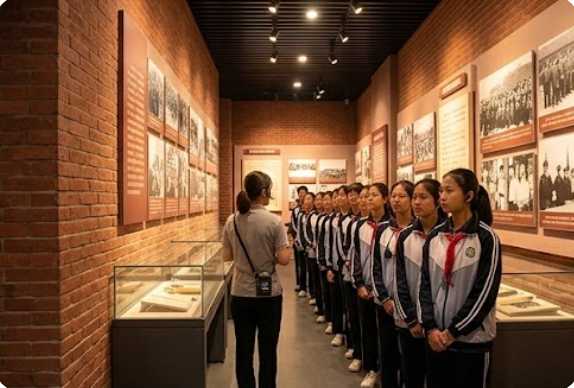
RC2408, RC2401 and RC2406: How Pharma Plant Tours Solved Three Physical Problems(图1)

Two groups on one site hearing two different commentaries is the point at which single-channel designs stop being adequate.

Sound Levels Decide the Headset, Not the Radio

Filling lines, compressed air and cleanroom air handling produce a continuous mid-to-high frequency background that masks speech rather than drowning it. Turning the receiver up does not solve masking and does create a hearing exposure question for people who wear the device for an hour. What solves it is a headset that delivers intelligible speech at a modest level with some attenuation of the surrounding noise.

This is why an industrial headset belongs in the specification alongside the transmitter, and why the radio specification alone is a poor predictor of whether a route will work. RC2406, with its larger channel count, extends the same logic across language groups and simultaneous visitor streams without asking anyone to shout over the plant.

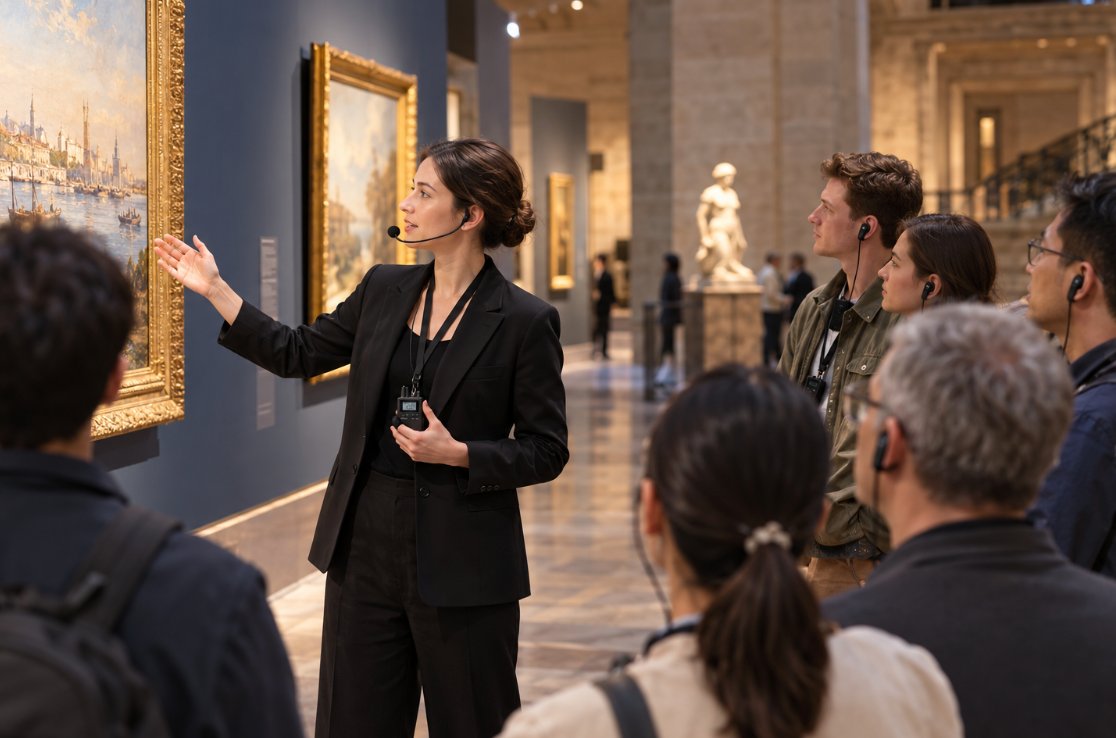
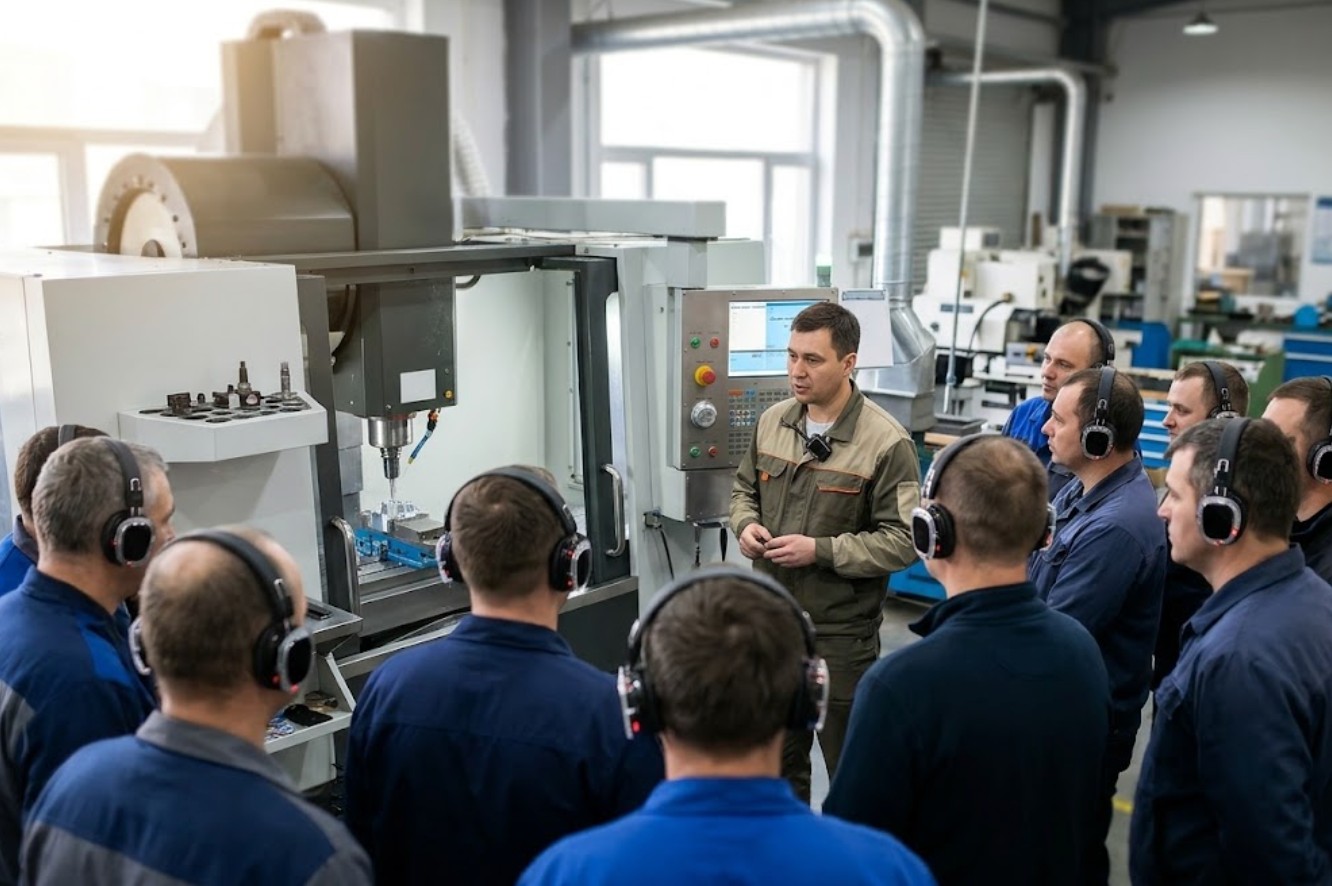
RC2408, RC2401 and RC2406: How Pharma Plant Tours Solved Three Physical Problems(图2)

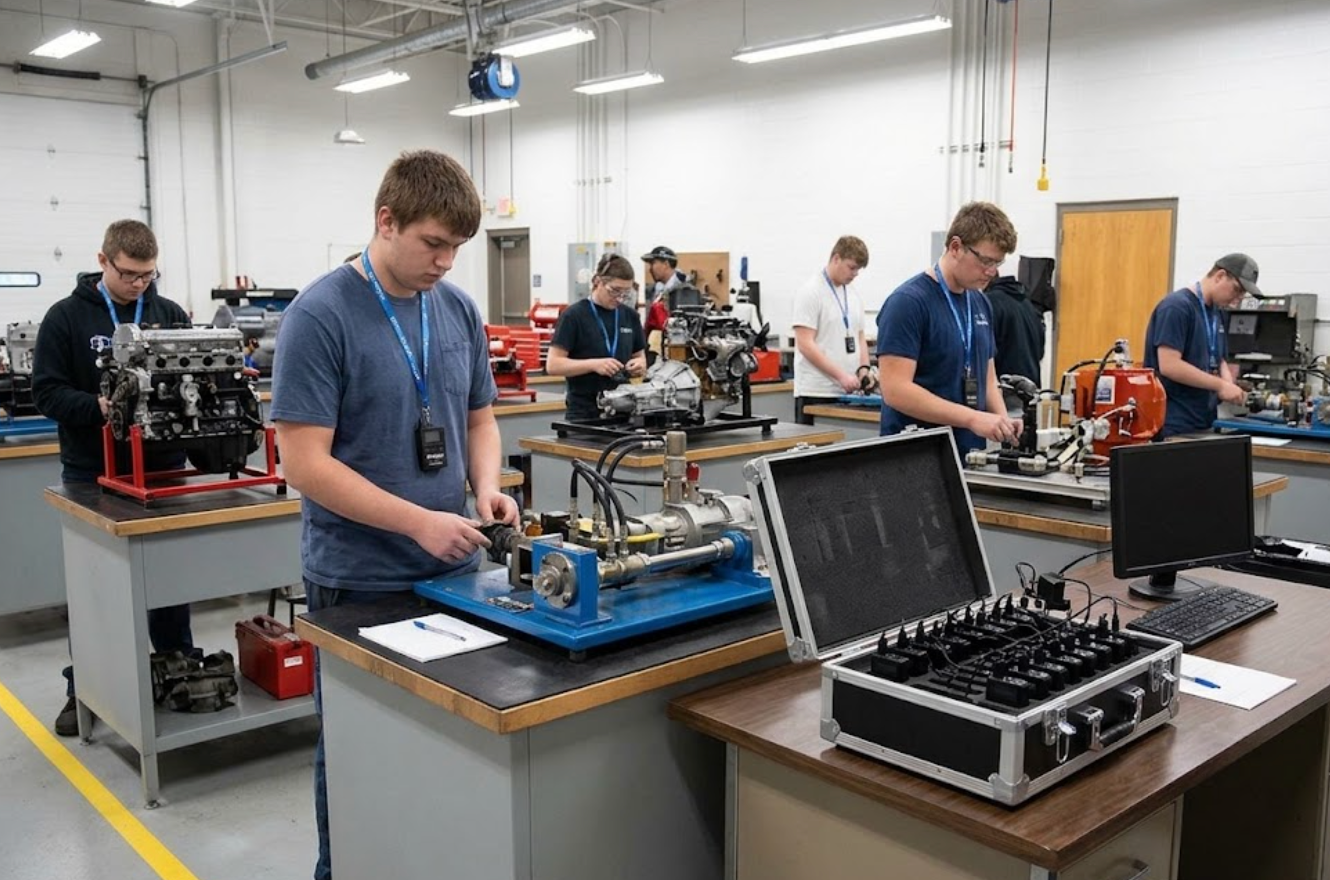
In a masking-heavy hall the headset, not the transmitter, decides whether speech is understood.

Crossing Between Buildings

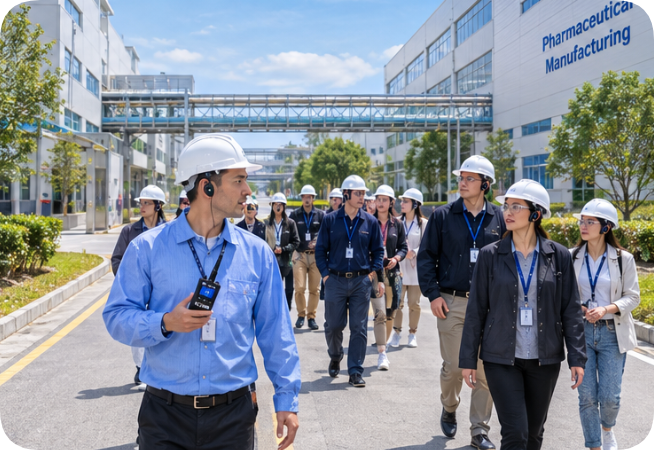
Indoor coverage designs assume walls and ceilings to bounce from and a predictable path loss. A pharma site usually has a main production block, a warehouse and a utilities area, and a route between them crosses open ground where those assumptions do not hold. A single indoor-optimised transmitter usually reaches the end of the corridor and no further.

RC2408 addresses the open-ground leg directly, which matters less for its headline range than for the planning it allows: a site can treat the outdoor crossing as one coverage zone and the indoor sections as others, rather than stretching one design across both.
RC2408, RC2401 and RC2406: How Pharma Plant Tours Solved Three Physical Problems(图3)

The outdoor leg between buildings is the section that breaks indoor-only coverage plans.

What the Kit Looks Like Today

The equipment a visitor is handed has converged on a narrow set of numbers. Units in this class sit between 65 and 72 grams, run 12 to 14 hours, and carry an IP42 rating that covers the wipe-down that a site entry procedure requires. Fourteen hours matters more than it sounds, because a visitor day that starts at eight and ends after the second group has finished is a full window, and charging between groups is not a plan anyone should rely on.

Weight matters for a reason that is easy to miss. Visitors on a pharma route are often already wearing safety glasses, a gown or gloves, and a device that competes with that kit gets taken off and left behind. The full range of wireless tour guide systems shares this constraint, and the practical evolution from here is less about range than about making the device easy to keep on and easy to hand back.

A Comparison Table for Site Planners

GenerationTypical approachConstraint it solvedConstraint it left openWhere it still fits
Voice and amplifierPortable PAReachZone separationOutdoor yards only
Cabled headsetsFixed wiringIntelligibilityRoute mobilityPermanent training rooms
Single-channel wirelessOne shared channelMobilityParallel groupsOne group, short route
Multi-channel wirelessPer-group channelsParallel groupsSite-wide crossingMultiple groups on one route
Multi-channel plus long rangeZoned coverageAll three togetherZone planning effortMulti-building sites

Reading the third and fourth columns together is the useful exercise, because most sites have already invested in a generation that solved one constraint and are surprised when a different one takes the tour down. Naming the open constraint in advance is what turns equipment selection into planning.

What the Next Revision Will Address

The next set of changes is unlikely to be about louder or longer. Sites are asking for easier hygiene between groups, faster handover at the entry point, and a way to confirm at the end of a visit that every unit came back. Those are operational requests rather than radio ones, and they point at the same conclusion the rest of this article reaches: the limiting factor in a plant tour was never the signal.

A site that maps its zones, counts its parallel groups and measures its background noise before choosing equipment will find the third and fourth generations both sufficient. The sites that struggle are the ones that bought a specification and then discovered the route.

2026年09月12日 09:11
click: 41

RC2408, RC2401 and RC2406: How Pharma Plant Tours Solved Three Physical Problems

time: 2026年09月12日 click:41

RC2408, RC2401 and RC2406: How Pharma Plant Tours Solved Three Physical Problems

A pharmaceutical site visit is not difficult because visitors need to hear. It is difficult because three physical conditions hold at the same time, and every generation of guiding equipment has failed on at least one of them. Clean areas cannot have sound spilling between zones. Production halls are loud in a particular way that rewards clarity over volume. And the site itself is usually several buildings rather than one, so a route crosses open ground where nothing indoors applies.

The technology story is therefore not a story about better radios. It is a story about which constraint each design accepted and which one it ignored, and the plant tour audio solutions in use today are simply the first family of designs that answers all three without a trade-off being made somewhere else.

Why Megaphones Never Worked Inside a Clean Area

The instinct on a noisy site is to raise the volume, and on a pharma site that instinct fails at the door. A portable amplifier projects sound outward, which means it projects it into the next classified zone, and the concern is not confidentiality but contamination and airflow. Anything carried into a clean area has to be cleanable and must not disturb the air handling design.

More fundamentally, classified areas are arranged so that groups move through airlocks in sequence. A technology that broadcasts to everyone in earshot contradicts the room layout itself. The first real step forward was not louder equipment; it was equipment that stopped projecting altogether.

Wired Headsets and the Corridor Constraint

Cabled headsets solved intelligibility completely and created a different problem. Cables cannot run through an airlock without compromising the seal, and they cannot be left across a corridor that forklifts and pallet trucks use all day. A visitor route that needs setting up and tearing down before each group extends the visit window, which on a production site is the one resource nobody has spare.

The honest assessment is that wired systems remain the right answer inside a fixed training room, where nothing moves and the run is permanent. They stop being the right answer the moment the route moves, and in a plant tour the route always moves.

When Two Groups Share One Channel

Single-channel wireless removed the cable and left the arithmetic. One channel means one conversation, so two groups touring at once hear the same thing, which is workable only if they want the same thing. In practice a site hosts a customer audit, an internal induction and a regulatory walkthrough on the same morning, and those three want different commentary.

RC2401 is where that changes, because multiple channels let each group hold its own line. The useful design question is not how many channels exist but how groups are defined: by zone, by language, or by the visitor's reason for being there. Sites that answer that question first tend to need fewer channels than they feared.

RC2408, RC2401 and RC2406: How Pharma Plant Tours Solved Three Physical Problems(图1)

Two groups on one site hearing two different commentaries is the point at which single-channel designs stop being adequate.

Sound Levels Decide the Headset, Not the Radio

Filling lines, compressed air and cleanroom air handling produce a continuous mid-to-high frequency background that masks speech rather than drowning it. Turning the receiver up does not solve masking and does create a hearing exposure question for people who wear the device for an hour. What solves it is a headset that delivers intelligible speech at a modest level with some attenuation of the surrounding noise.

This is why an industrial headset belongs in the specification alongside the transmitter, and why the radio specification alone is a poor predictor of whether a route will work. RC2406, with its larger channel count, extends the same logic across language groups and simultaneous visitor streams without asking anyone to shout over the plant.

RC2408, RC2401 and RC2406: How Pharma Plant Tours Solved Three Physical Problems(图2)

In a masking-heavy hall the headset, not the transmitter, decides whether speech is understood.

Crossing Between Buildings

Indoor coverage designs assume walls and ceilings to bounce from and a predictable path loss. A pharma site usually has a main production block, a warehouse and a utilities area, and a route between them crosses open ground where those assumptions do not hold. A single indoor-optimised transmitter usually reaches the end of the corridor and no further.

RC2408 addresses the open-ground leg directly, which matters less for its headline range than for the planning it allows: a site can treat the outdoor crossing as one coverage zone and the indoor sections as others, rather than stretching one design across both.

RC2408, RC2401 and RC2406: How Pharma Plant Tours Solved Three Physical Problems(图3)

The outdoor leg between buildings is the section that breaks indoor-only coverage plans.

What the Kit Looks Like Today

The equipment a visitor is handed has converged on a narrow set of numbers. Units in this class sit between 65 and 72 grams, run 12 to 14 hours, and carry an IP42 rating that covers the wipe-down that a site entry procedure requires. Fourteen hours matters more than it sounds, because a visitor day that starts at eight and ends after the second group has finished is a full window, and charging between groups is not a plan anyone should rely on.

Weight matters for a reason that is easy to miss. Visitors on a pharma route are often already wearing safety glasses, a gown or gloves, and a device that competes with that kit gets taken off and left behind. The full range of wireless tour guide systems shares this constraint, and the practical evolution from here is less about range than about making the device easy to keep on and easy to hand back.

A Comparison Table for Site Planners

GenerationTypical approachConstraint it solvedConstraint it left openWhere it still fits
Voice and amplifierPortable PAReachZone separationOutdoor yards only
Cabled headsetsFixed wiringIntelligibilityRoute mobilityPermanent training rooms
Single-channel wirelessOne shared channelMobilityParallel groupsOne group, short route
Multi-channel wirelessPer-group channelsParallel groupsSite-wide crossingMultiple groups on one route
Multi-channel plus long rangeZoned coverageAll three togetherZone planning effortMulti-building sites

Reading the third and fourth columns together is the useful exercise, because most sites have already invested in a generation that solved one constraint and are surprised when a different one takes the tour down. Naming the open constraint in advance is what turns equipment selection into planning.

What the Next Revision Will Address

The next set of changes is unlikely to be about louder or longer. Sites are asking for easier hygiene between groups, faster handover at the entry point, and a way to confirm at the end of a visit that every unit came back. Those are operational requests rather than radio ones, and they point at the same conclusion the rest of this article reaches: the limiting factor in a plant tour was never the signal.

A site that maps its zones, counts its parallel groups and measures its background noise before choosing equipment will find the third and fourth generations both sufficient. The sites that struggle are the ones that bought a specification and then discovered the route.

×

Contact us

email:
name:
subject:
content: